
Basic bird id for nest box monitoring
Learn how to identify the two species we are monitoring by sight and sound, plus some common bonus species to inform your observations!
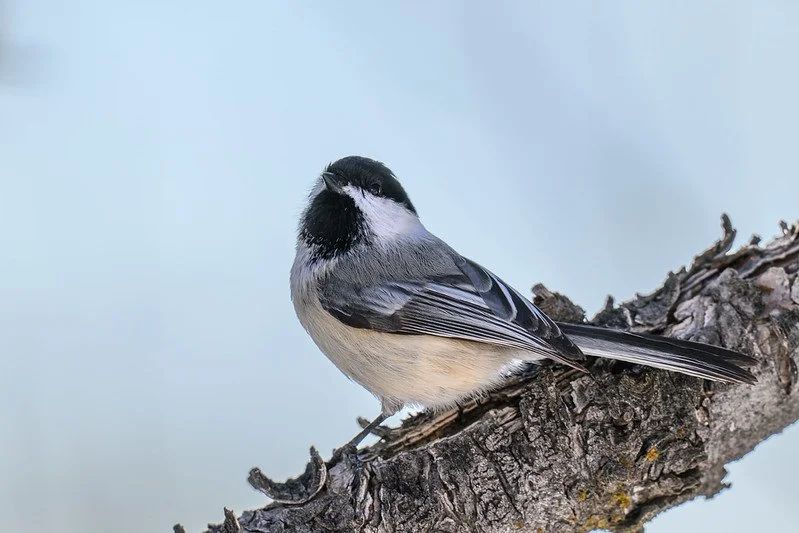
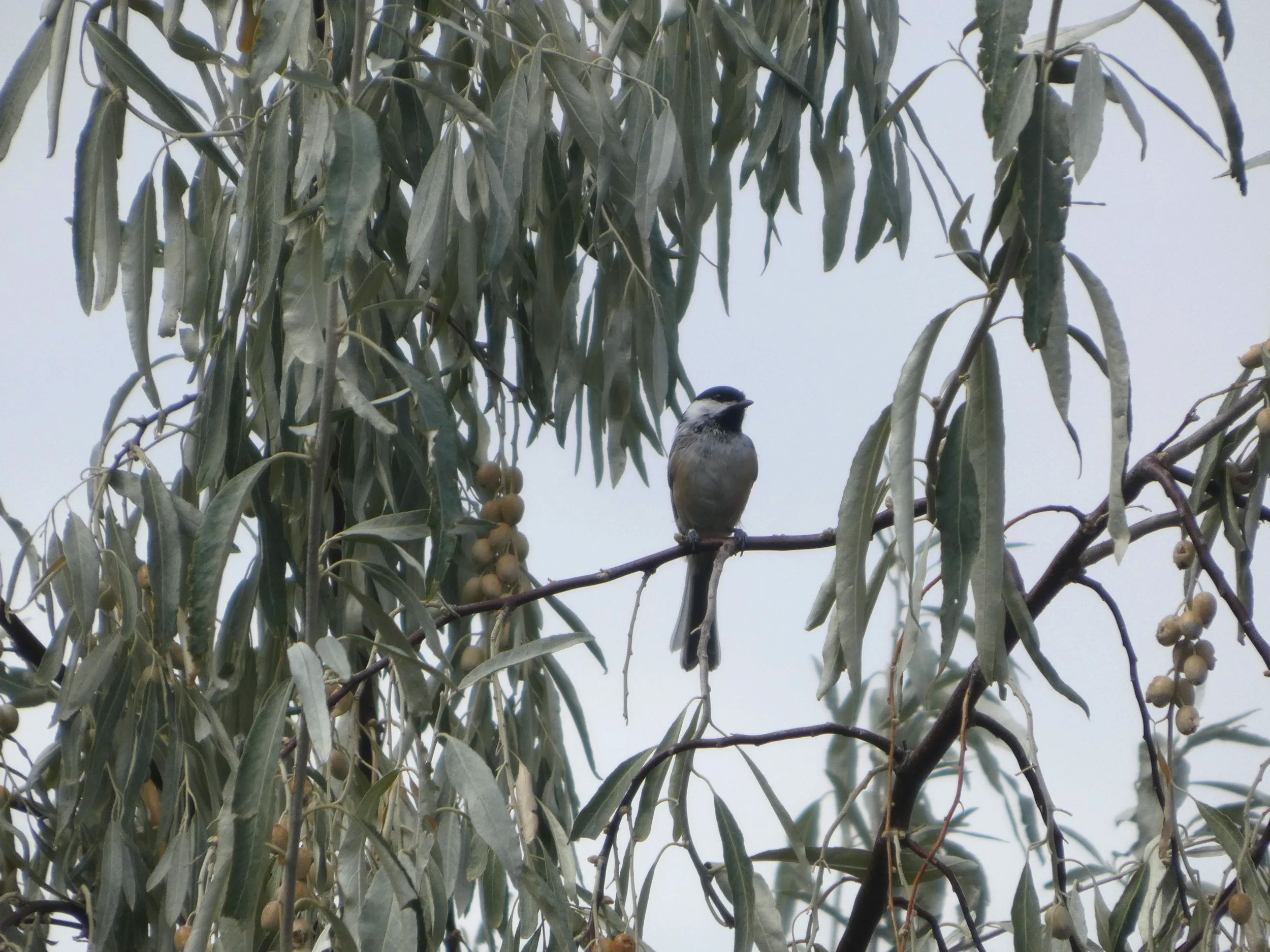
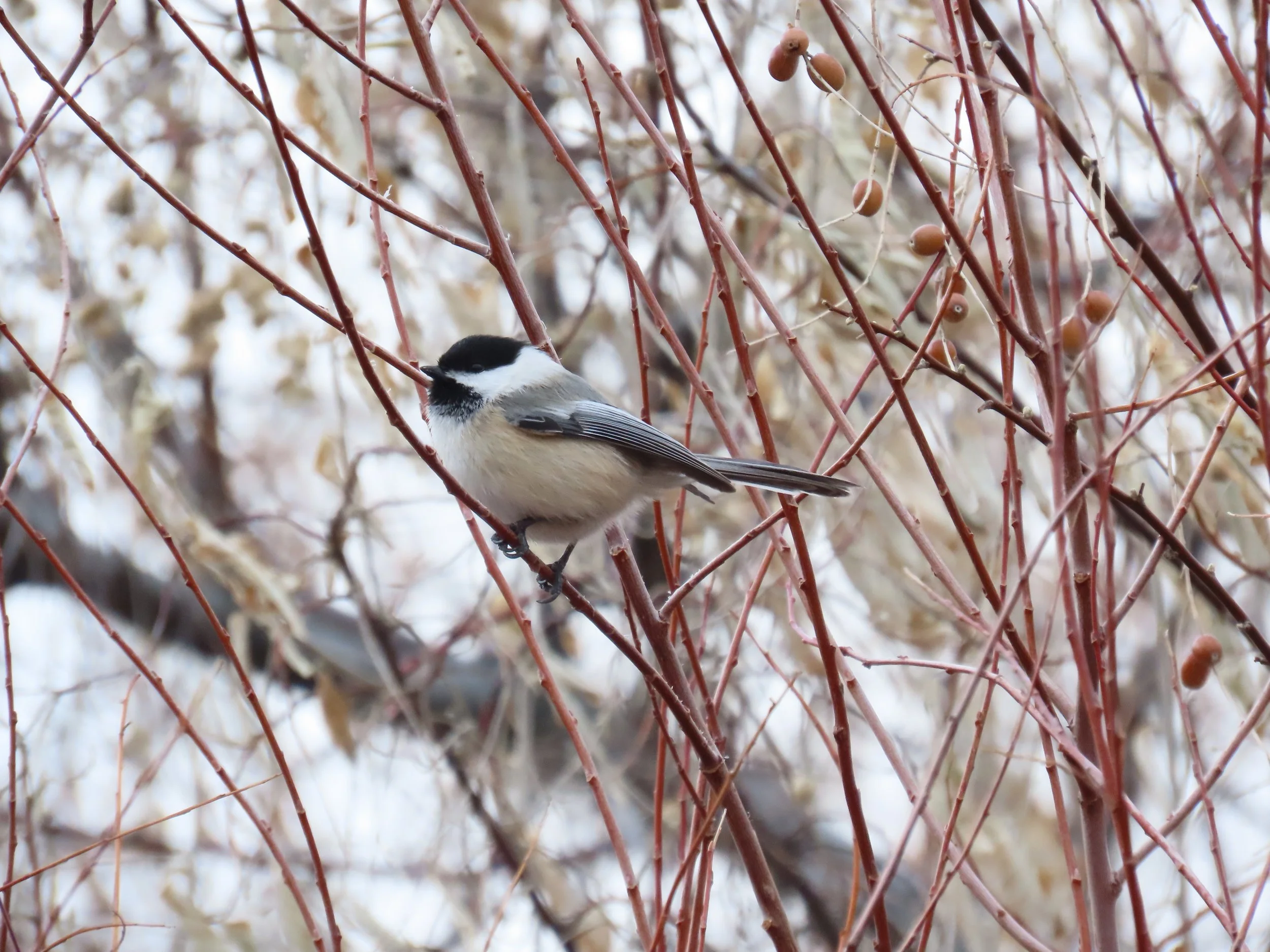
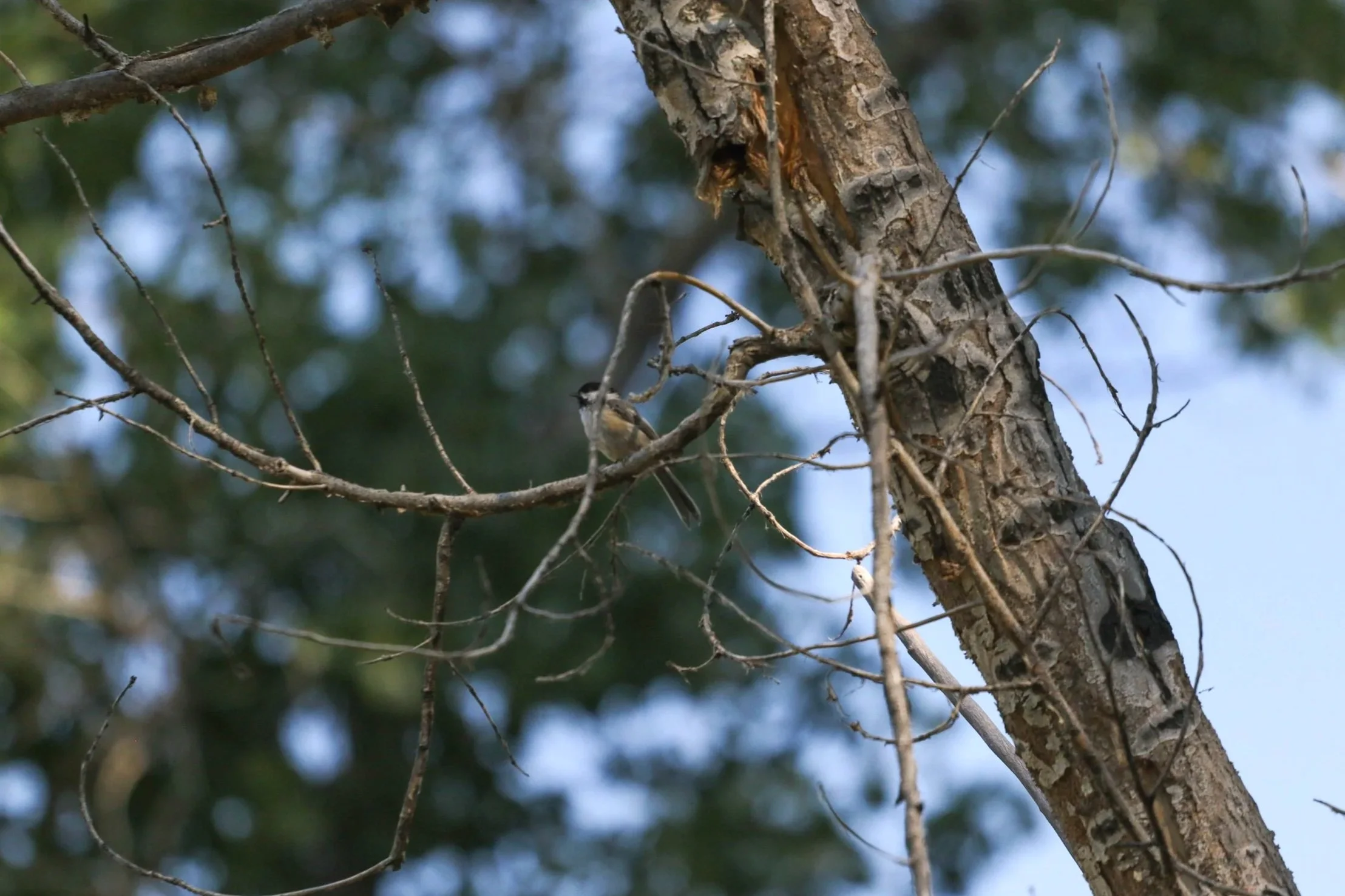
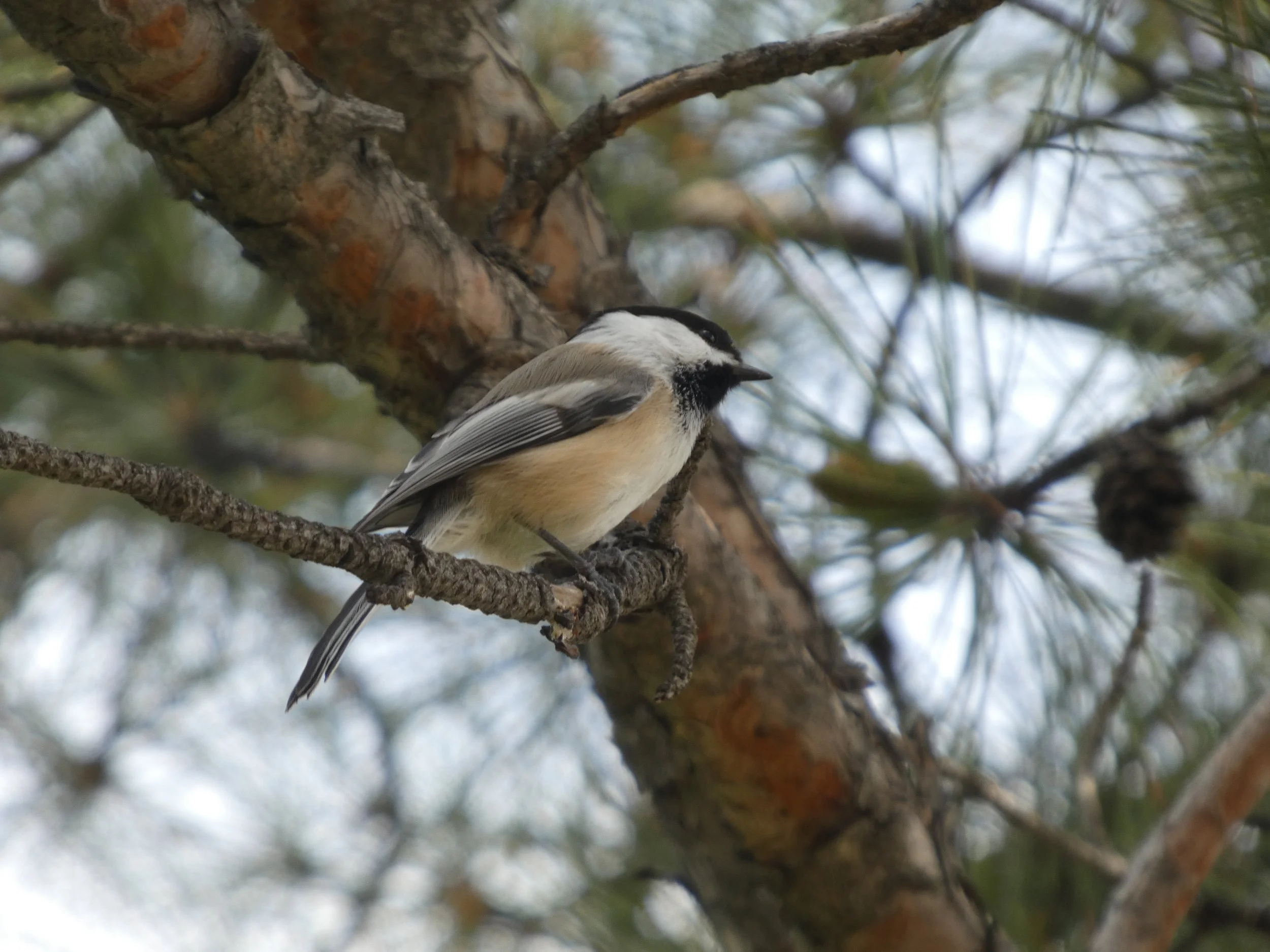
Black-Capped Chickadee
Alpha Code: BCCH
Visual ID:
Small, black bill; round body
Full black cap on head; black on chin; white in between
Very active and acrobatic! They will even hang upside down
Males and females look the same
Audio ID:
Song: A high-pitched, sweet series of one to two notes that sound almost like “cheese-burg-er.”
Call: Chickadees say their name in a call, “Chick-a-dee-dee-deeeee.” It is believed this is an alarm call to warn of predators nearby. Once you hear one chickadee make this call, you are bound to hear others!
Explore more Black-capped Chickadee ID tips here: All About Birds
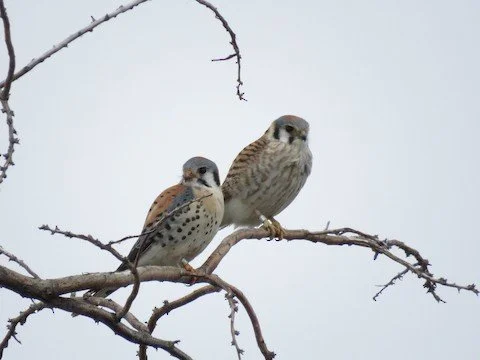
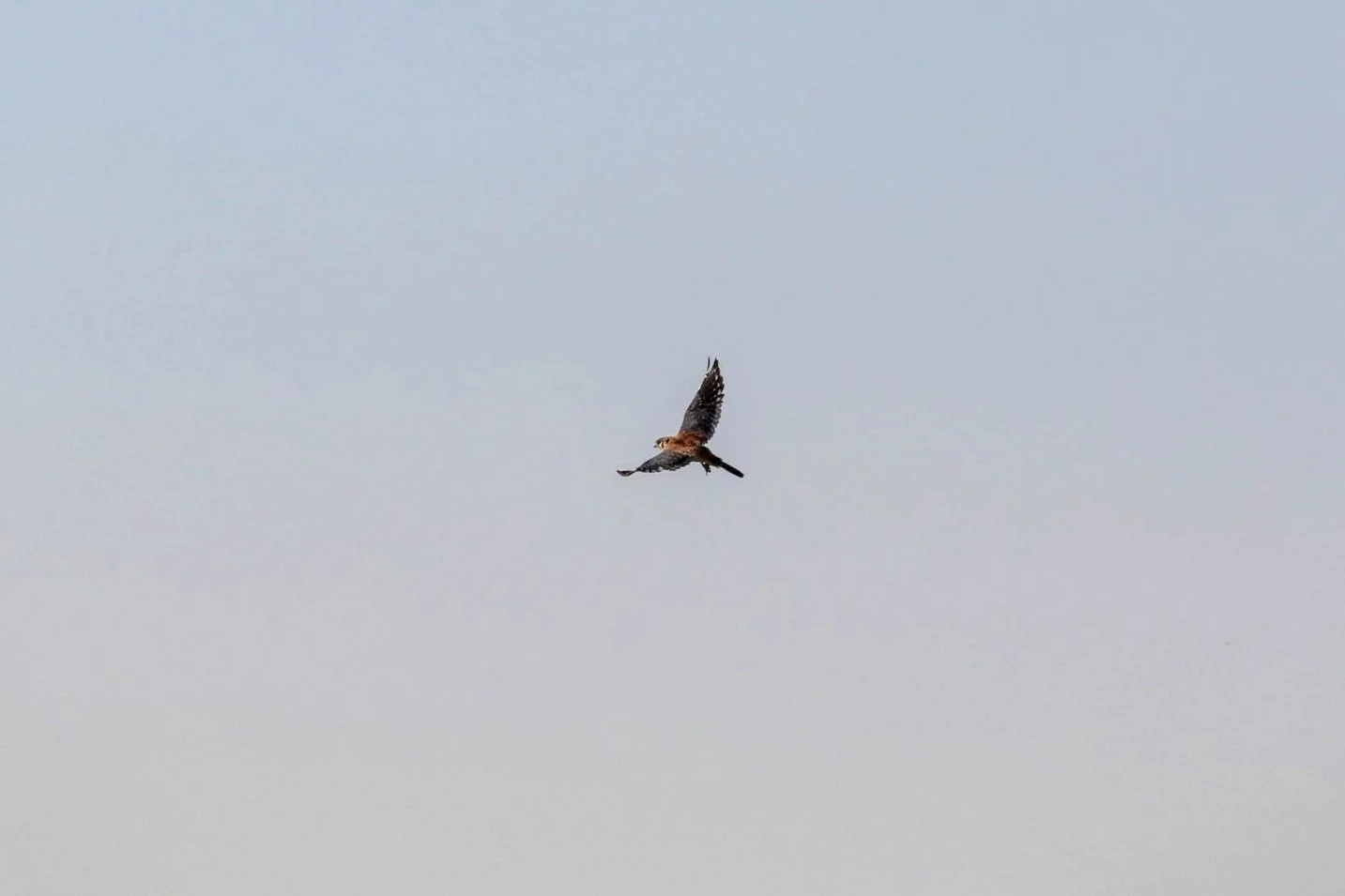
American kestrel
Alpha Code: AMKE
Visual ID:
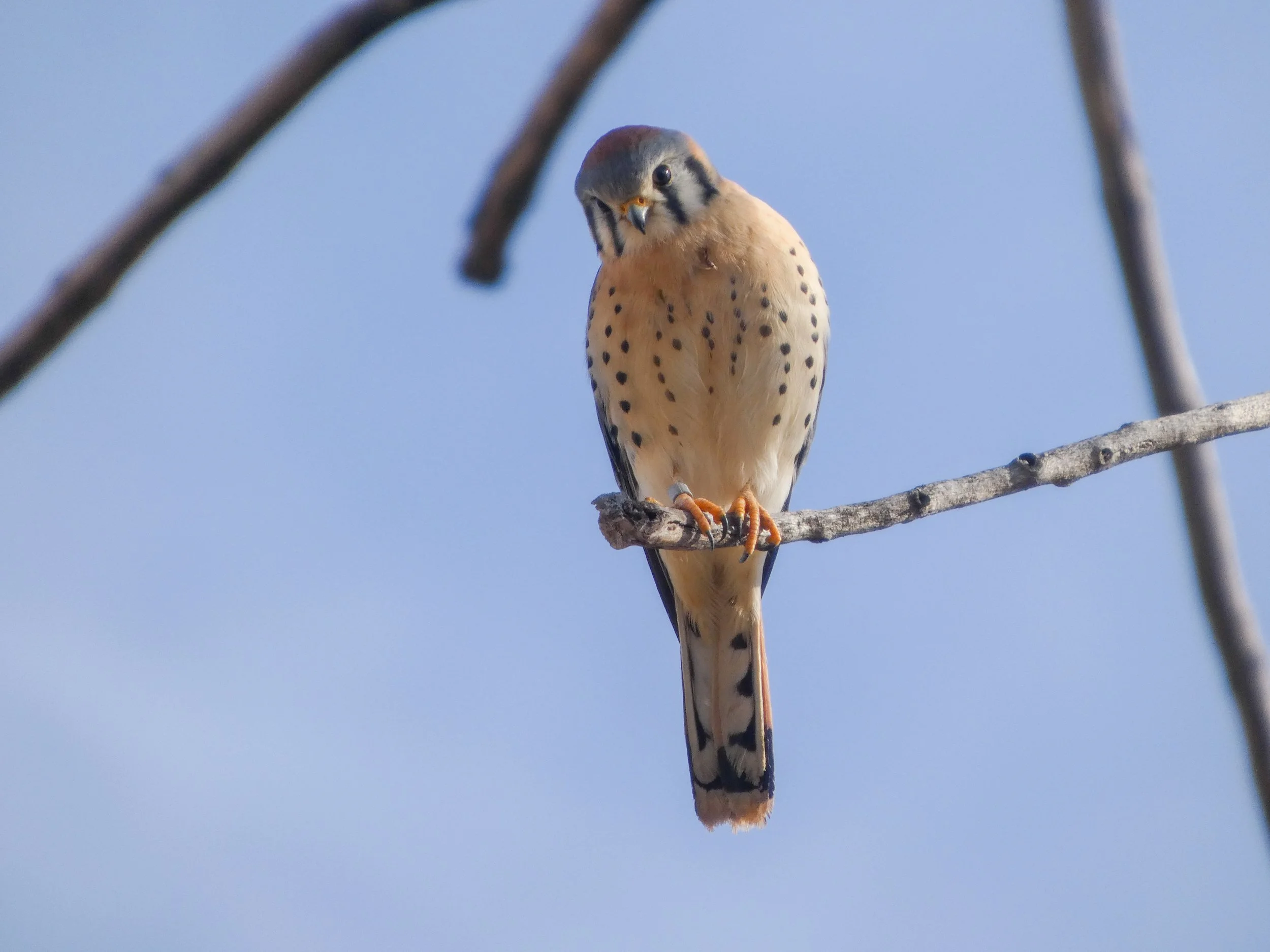
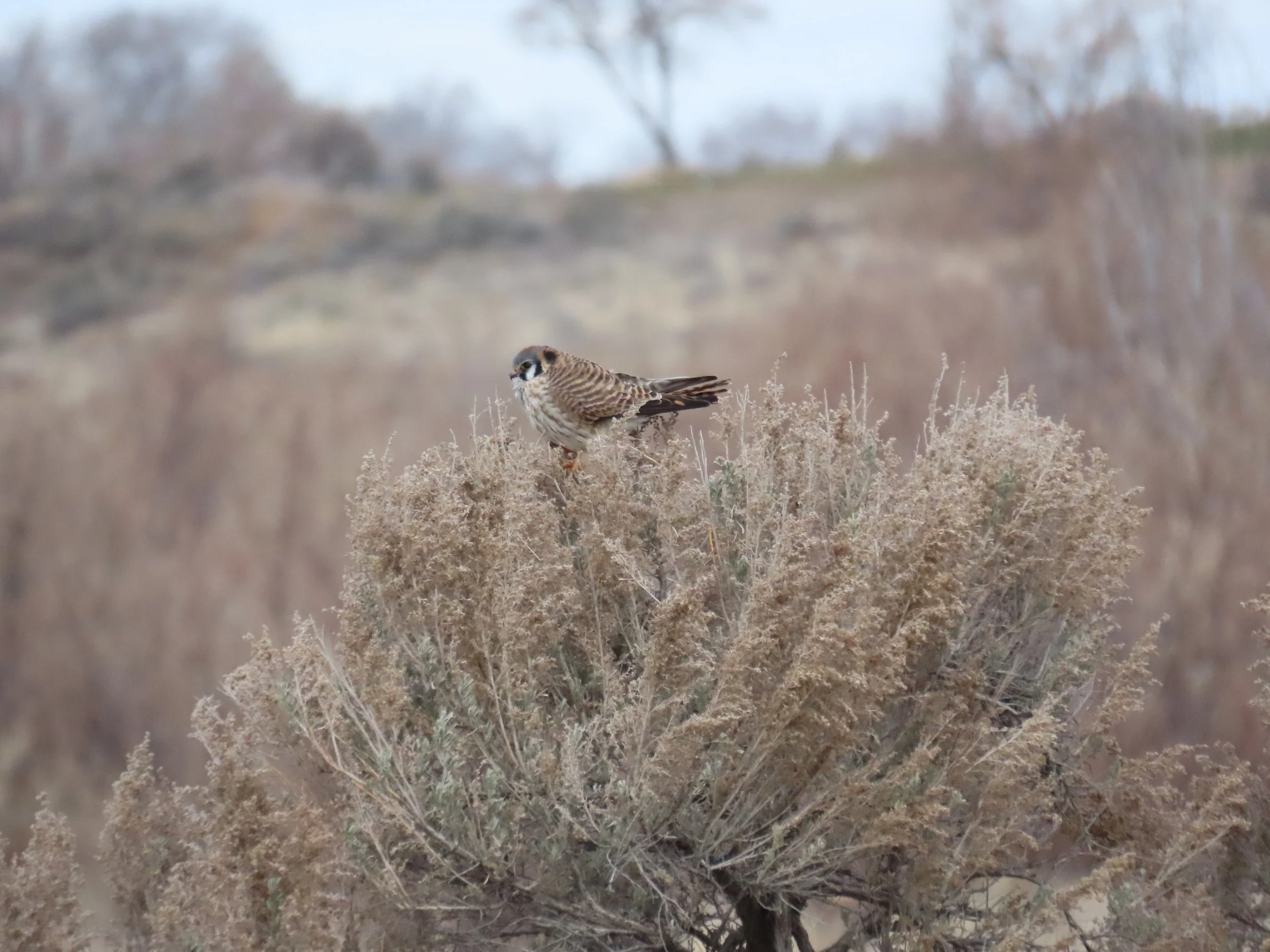
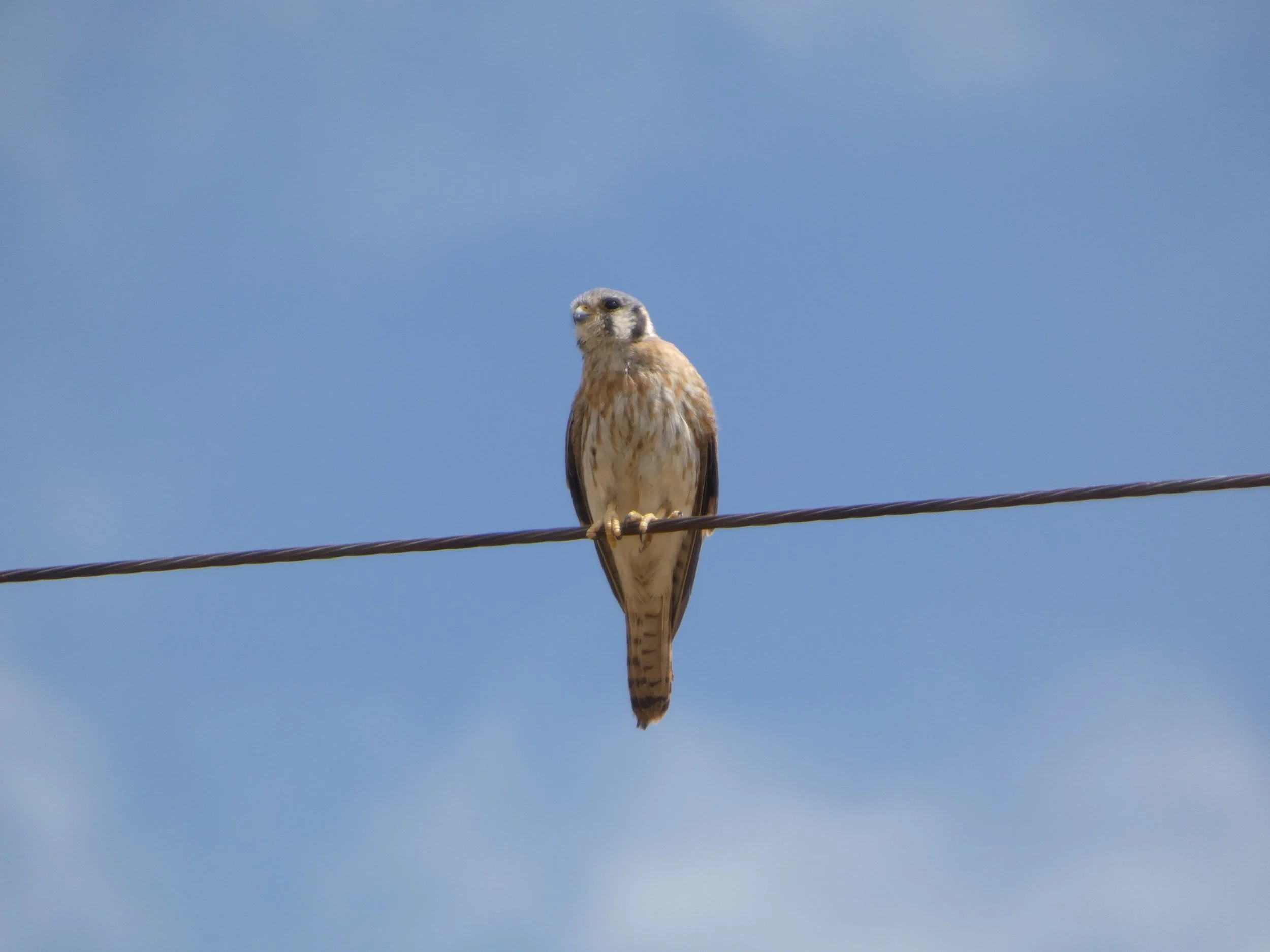
Roughly the size/shape of a Mourning Dove, but it has a larger head, longer and more narrow wings
Long, square-tipped tail
In flight, the wings are often bent and the wingtips are swept back
Males: Slate-blue wings
Females: Reddish-brown wings
Sideburns: black vertical slashes on the sides of the face is seen in both male and females
Audio ID:
What is the difference between a song and a call?
A song is used primarily in the breeding season for mating purposes.
A call is used year-round for a variety of general communication purposes.
Not all birds have songs! This is primarily a trait of passerines, or traditional songbirds.
bonus species identification tips
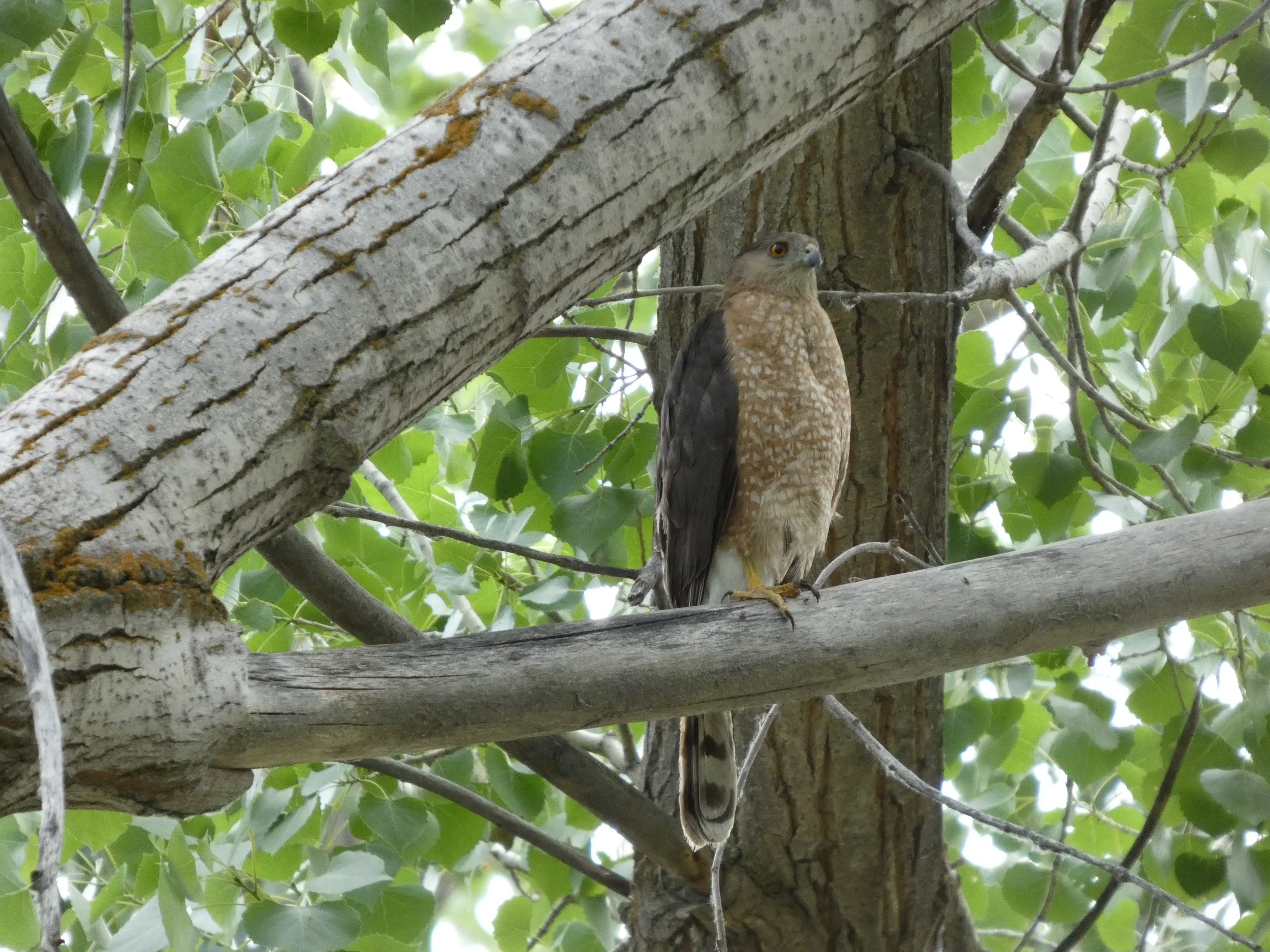
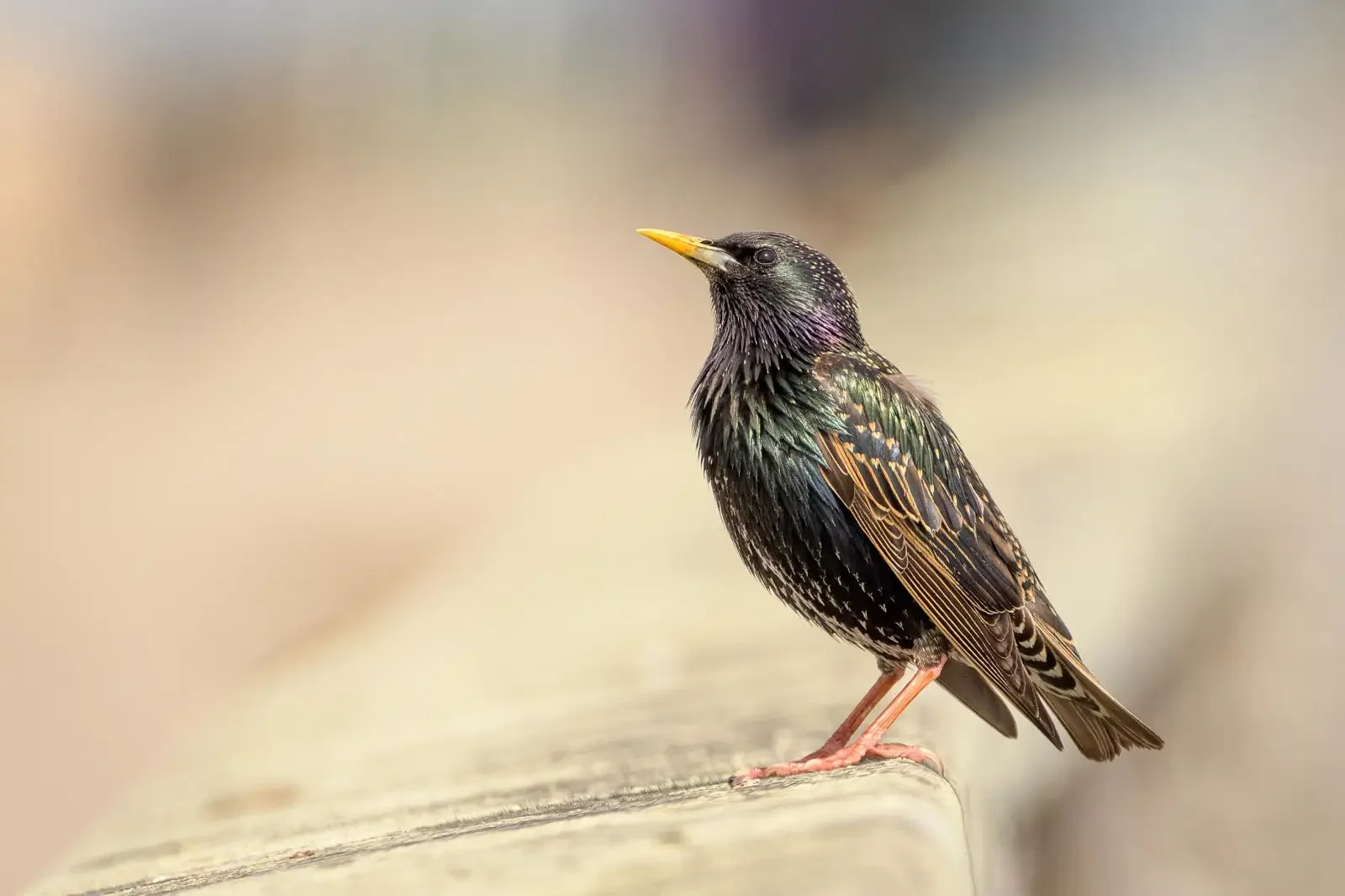

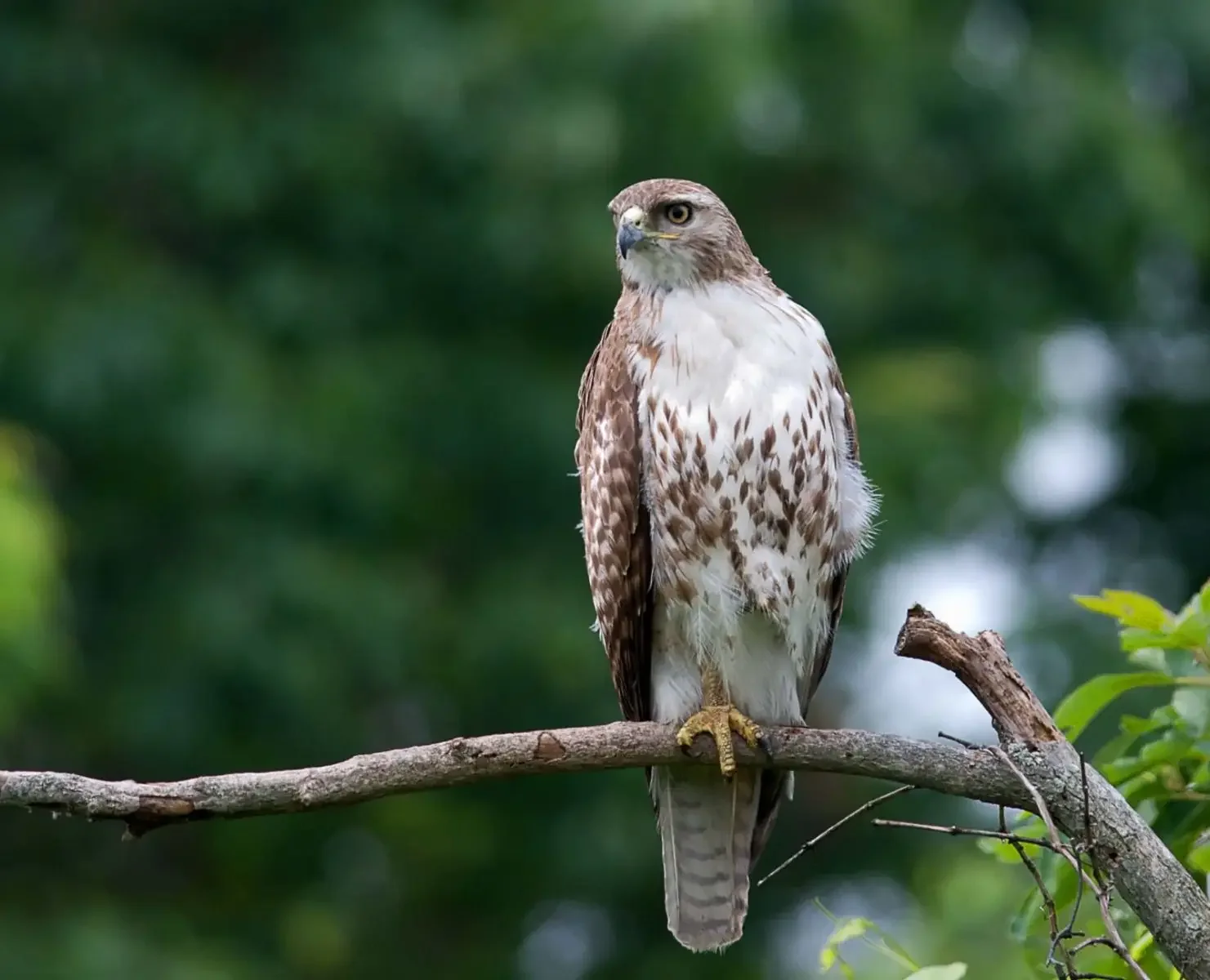
All About Birds Overviews: