
SUPPORT LOCAL CONSERVATION
bird-friendly backyards
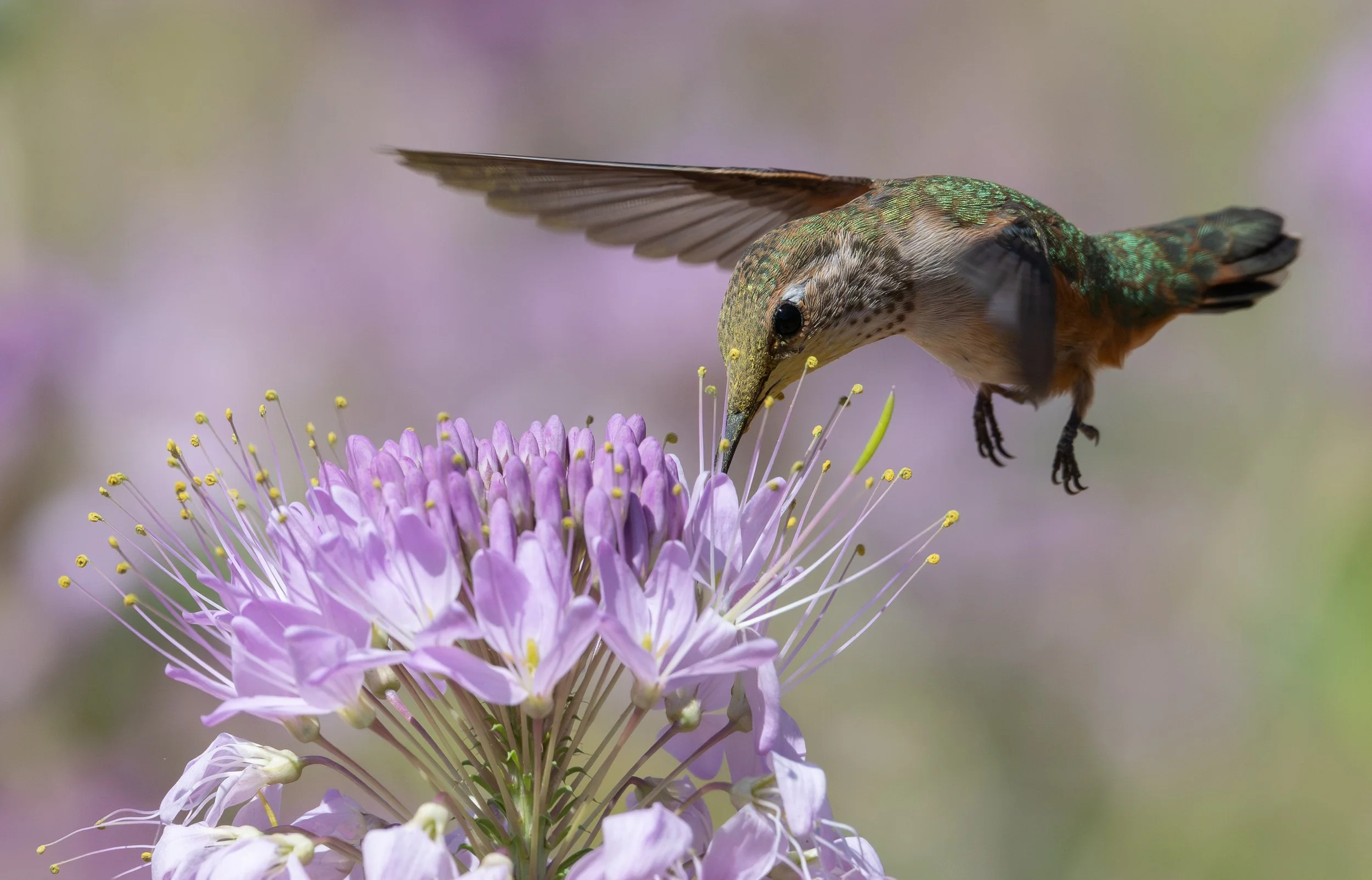
A Rufous Hummingbird visits a flower.
Photo Credit: Connie Misket
Habitat loss is one of the largest threats to wildlife worldwide, and Utah is no exception. Urban expansion, water diversion, drought, climate change, and pollution are all contributing to declines in wildlife across the state. Luckily, we can all contribute to habitat conservation and preservation!
Read on to learn more about different ways to support wildlife habitat in Utah!
In this page:
Native Plants & Waterwise Landscaping
Bird Feeder Maintenance
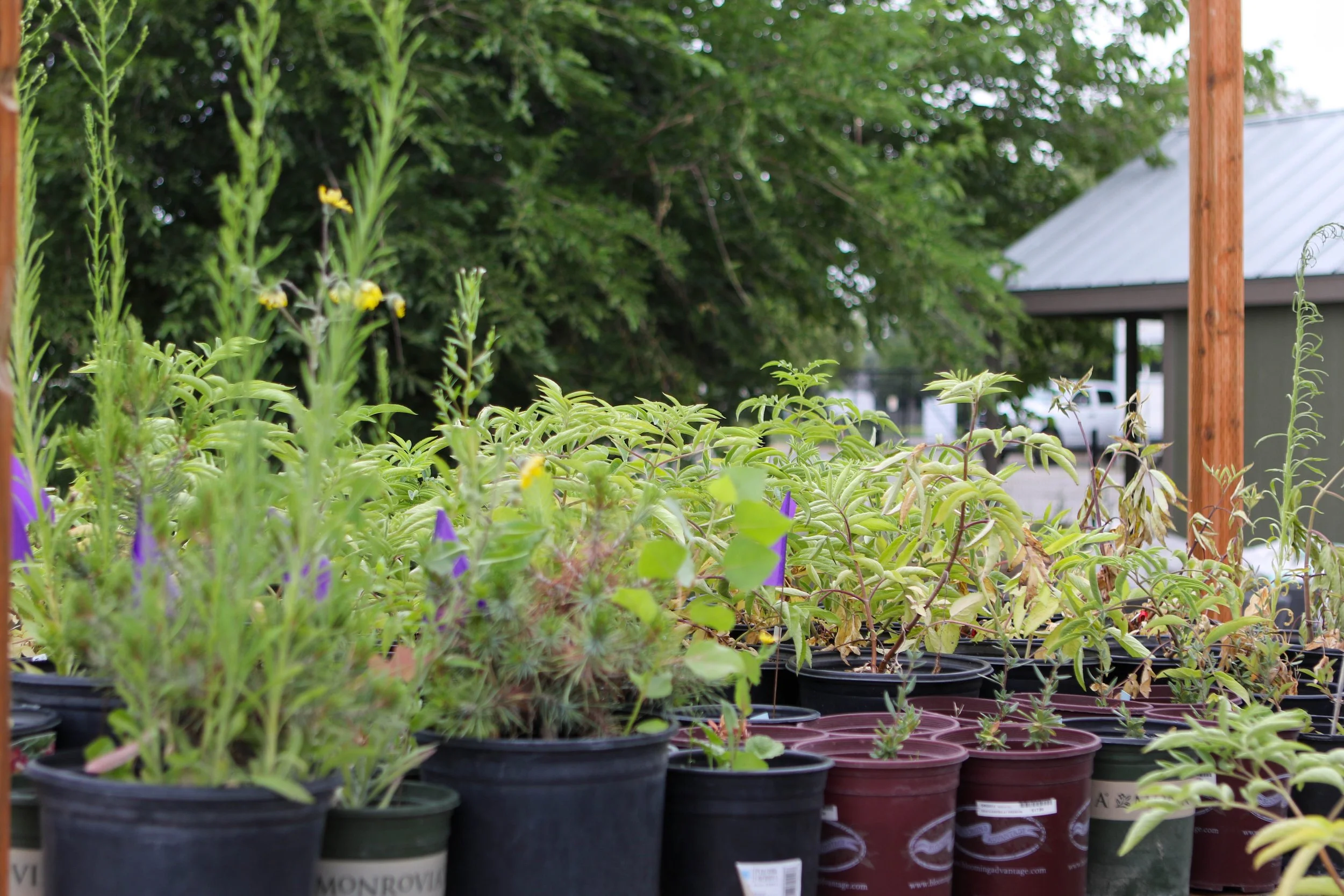
Photo Credit: Jacki Ortiz
prioritize native plants
One of the best ways to support native wildlife is to add native plants to your yards, gardens, and even window planters. No matter the size of your space, every single native plant makes a difference!
Why make the switch?
Utah is the second driest state in the nation, following only Nevada. By prioritizing waterwise landscaping, you help support the Great Salt Lake and other critical wetland habitats.
Native plants are much lower maintenance than a traditional monoculture lawn. Because these plants evolved in this environment for this soil, they typically require much less water and less maintenance once they are established. Not only does this save water for the environment, it saves YOU money on your water bill!
No space? No problem! Whether your property is several acres or an apartment with a window planter, you can contribute to a healthier ecosystem by adding native plants to a space of any size.
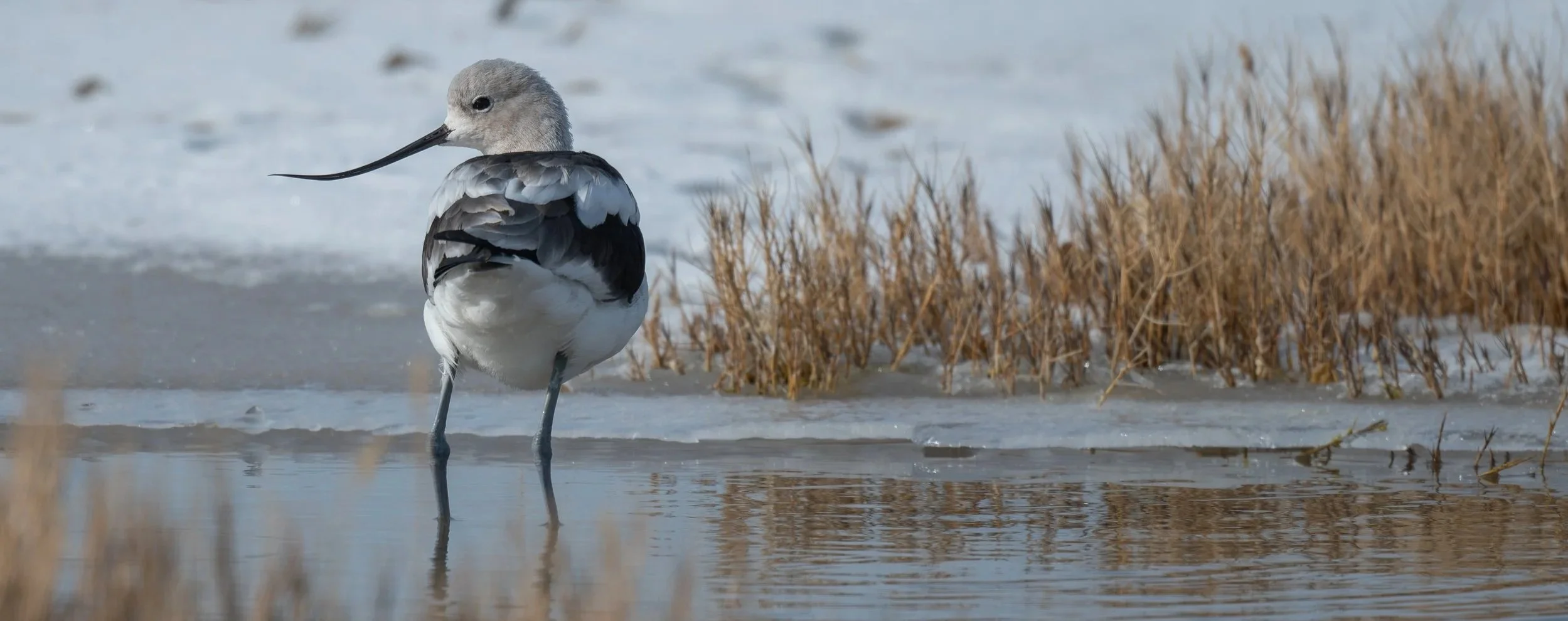
American Avocet at the Great Salt Lake
Photo Credit: Connie Misket
Native plants support native wildlife. When we provide habitat, we allow pollinators, birds, amphibians, and so much more to thrive.
Not sure where to start? Check out the resources from Xerces Society, Utah Native Plant Society, and the National Wildlife Federation to see plant lists, planting resources, seed mixes, and more.
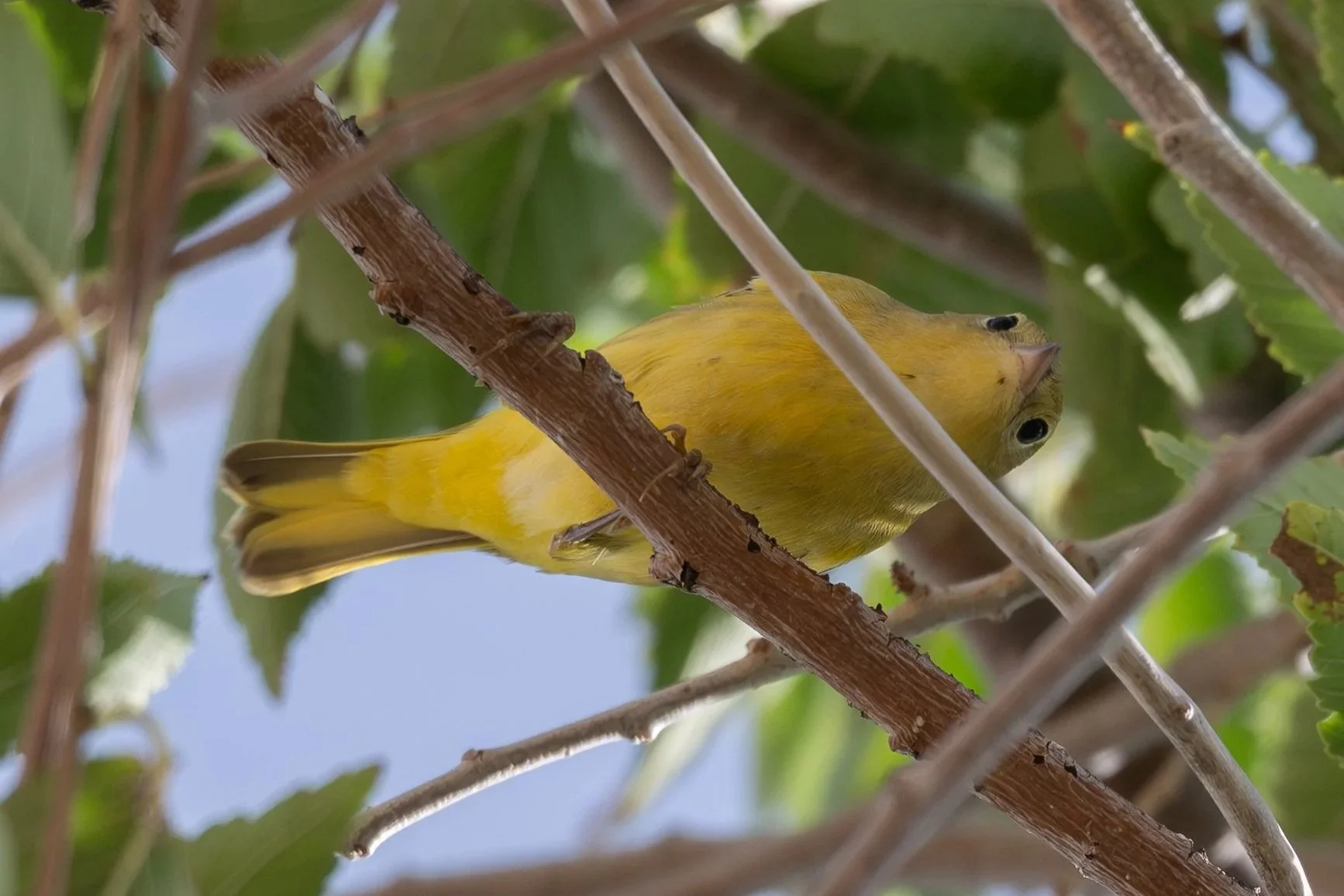
Nashville Warbler
Photo Credit: Connie Misket
Bird Feeder Maintenance
While native plant landscaping is often the most reliable and effective way to feed birds at home, bird feeders are also an excellent way to connect with nature in your own backyard. Regular seed changes and cleanings are critical to preventing the spread of diseases, mold, and other forms of contamination that can make birds ill.
Feeder Cleaning
In general, it is best practice to clean and sanitize your seed feeders at least once every 2 weeks.
Supplies:
Dish soap
Scrub brush
Household bleach*
A bin or sink basin
Rags
Gloves
*Household bleach can be substituted for white vinegar.
Instructions:
Take feeder apart and empty all old seed and debris
Using your brush, scrub the inside and outside of all feeder parts with hot water and dish soap, then rinse thoroughly
Fill a bin or sink basin with a solution of 9 parts hot water to 1 part household bleach
Soak all feeder parts in the diluted bleach solution for 10 minutes to sanitize*
Rinse all feeder parts thoroughly and allow to dry completely before refilling
*If you have a dishwasher, placing your feeder in the dishwasher on a hot sanitizing cycle can replace the bleach soak.
Seed for Feeders
Seed can go rancid or become moldy after a while in the feeders, especially in hot and wet weather. Spoiled seed can make birds ill, so be sure to keep an eye on your seed in both feeders and opened seed bags!
Different bird species prefer different types of seed. Want to learn more about which types of seed birds love? Check out this great resource from Project FeederWatch!
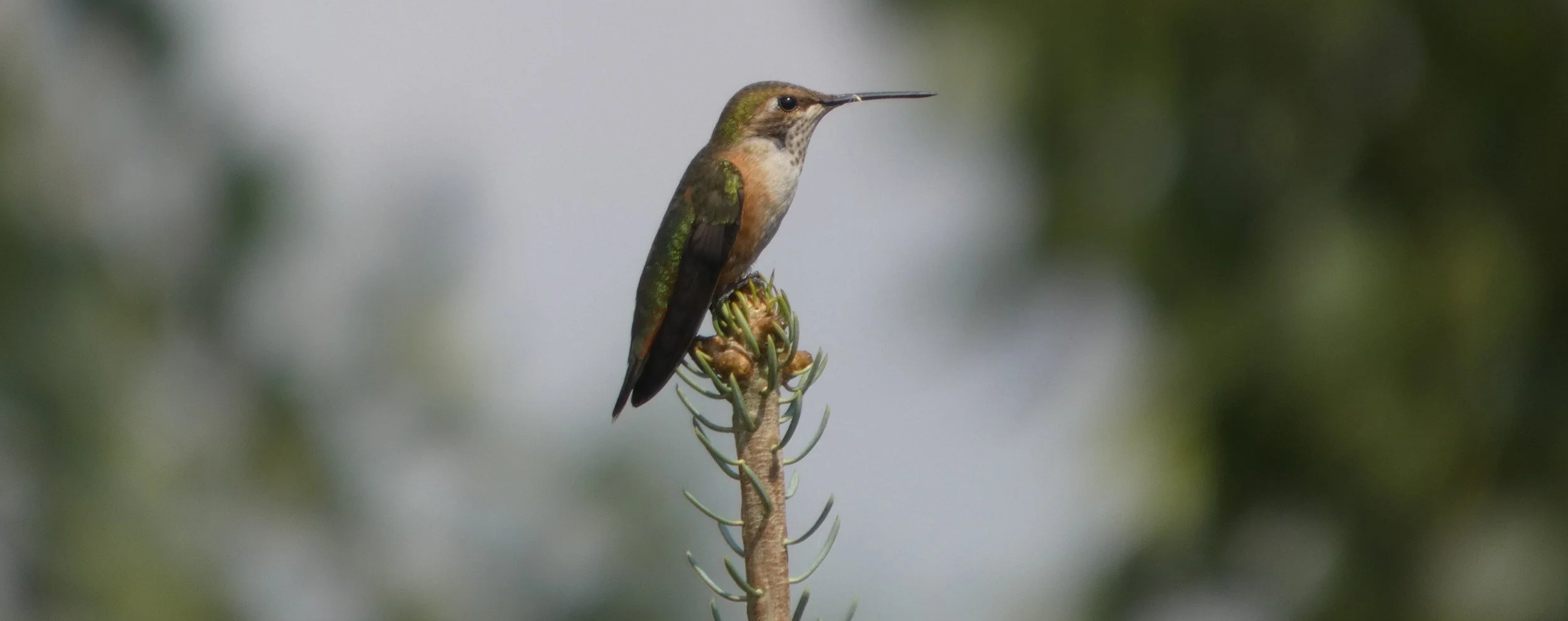
Perched hummingbird
Photo Credit: Jess John
Hummingbird Feeders
Hummingbird feeders require consistent maintenance to remain safe for hummingbirds. Sugar water solutions can mold and ferment quickly, which is deadly to hummingbirds.
Cleaning Hummingbird Feeders
Sugar water should be switched every 3 to 5 days and even more frequently on hot summer days.
Always clean your hummingbird feeders when switching sugar water to remove bacteria and mold growth.
If your sugar water turns cloudy or there are visible signs of mold, clean the feeder and change water immediately.
Instructions
Take the feeder apart, empty contents, and manually scrub any visible gunk or debris off the feeder with hot water
If using soap, be sure to rinse the soap very thoroughly and let dry completely.
Sanitize your hummingbird feeder
Make a bleach solution of 9 parts hot water to 1 part household bleach and soak feeder parts for 10 minutes. Rinse all feeder parts very thoroughly and allow to dry completely before refilling.
If you have a glass feeder, you may run your feeder through a hot sanitize cycle in your dishwasher instead of using a bleach bath. Allow to dry completely before refilling.
Sugar Water Recipe
Combine 1 part sugar to 4 parts boiling water and stir until sugar dissolves completely
Allow mixture to cool completely before filling feeder
Save extra sugar water in a sealed container for up to a week in the fridge (after a week it can harbor dangerous bacteria).
Avoid adding food coloring, honey, or artificial sweeteners to the sugar water as it may harm the birds.
Questions? Reach out to us at conservation@tracyaviary.org