
Week 3: Advanced
Scroll down to study the birds by sight and sound, and then take the quiz.
Week 3 Birds
American Crow, Common Raven, Brown-headed Cowbird, Great-tailed Grackle, Black-billed Magpie, Northern Harrier
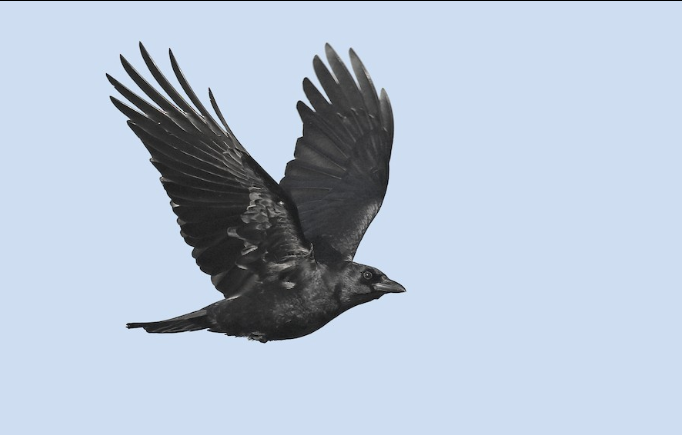
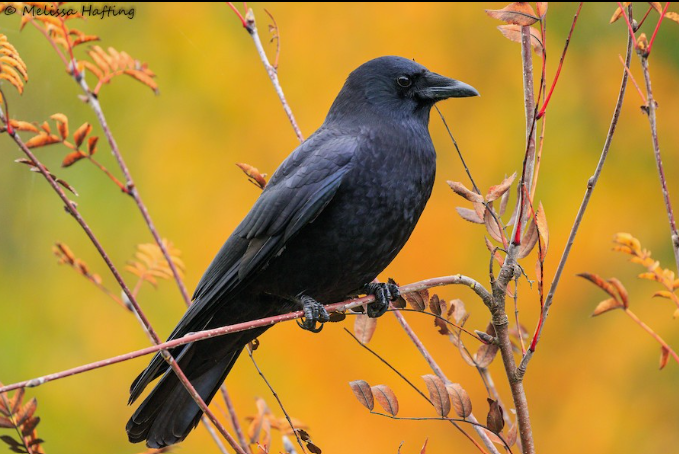

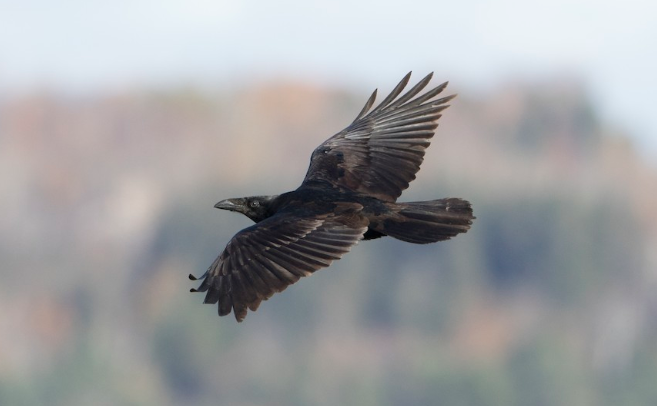
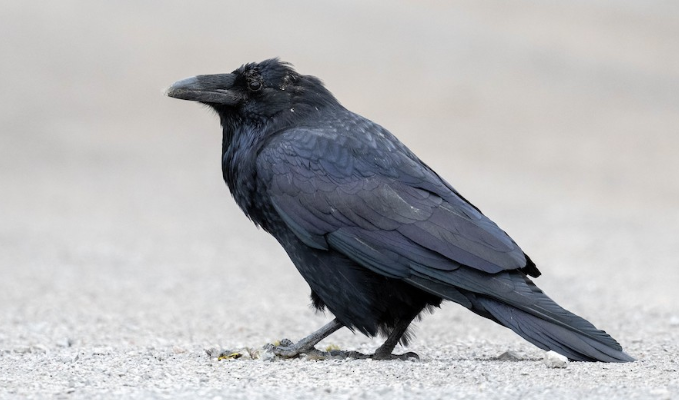
COMMON RAVEN
Bird Code: CORA
Identify this bird by…
Large black bird with large bill and shaggy throat
Long, narrow wings and wedge-shaped tail
Tell it apart by…
Look for a wedge-shaped tail to distinguish it from an American Crows shorter and squared tail
Bill is thicker than the American Crow
Listen for…
Call: Often a deep baritone croak, but they have a variety of calls, from croaks to harsh grating sounds to high bell-like and twanging notes. The classic croak is much deeper than the caw of the American Crow.
Resources:
AMERICAN CROW
Bird Code: AMCR
Identify this bird by…
Large all black bird
Flies with steady rowing wing beats
Tell it apart by…
Has a fairly short squared tail, rather than the wedge-shaped tail of the Common Raven
Has a smaller bill than the Common Raven
Listen for…
Call: a full-voiced caw, and also a hollow rattle
Resources:
BROWN-HEADED COWBIRD
Bird Code: BHCO
Identify this bird by…
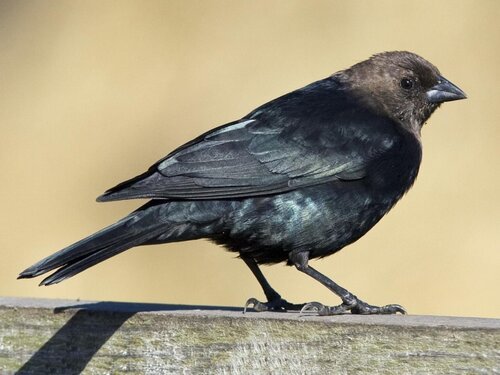
Thick, conical bill (different from RWBL)
Males - brown heads and black bodies
Tell males and females apart by…
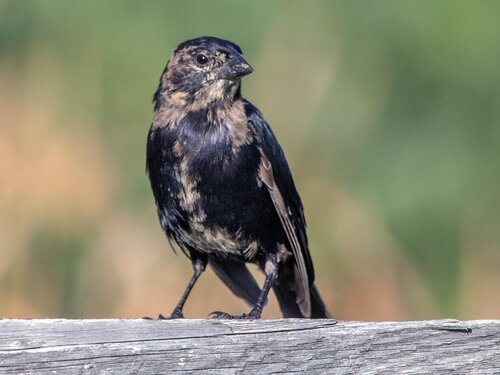
Immature males have black splotches
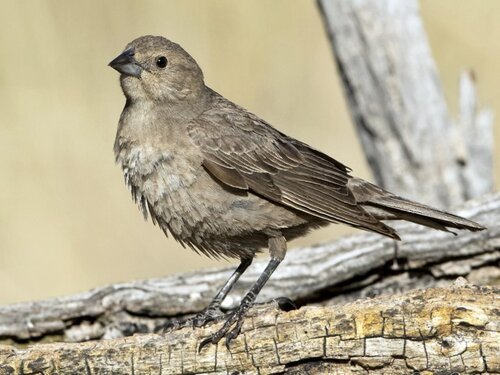
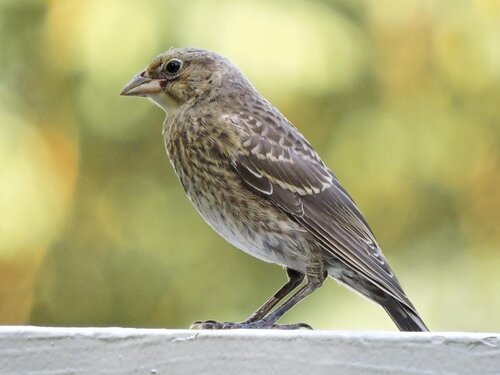
Females have dark eyes, light bodies that are lightest on the head. They have fine streaking on the belly.
Listen for…
Song: A low, gurgle followed by a thin whistle. The song almost sounds like a water-droplet.
Call: A flat, hard rattle.
Resources:
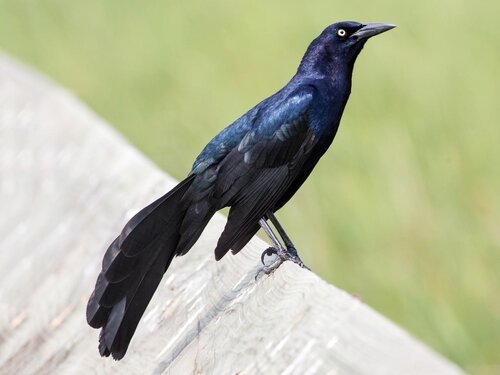
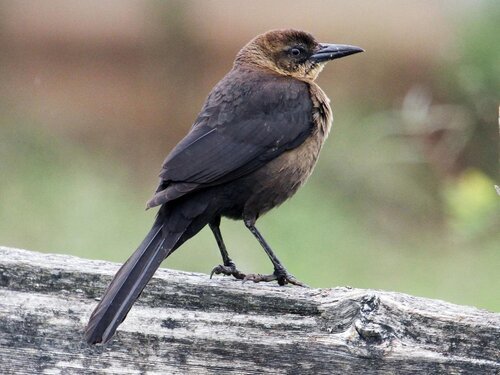
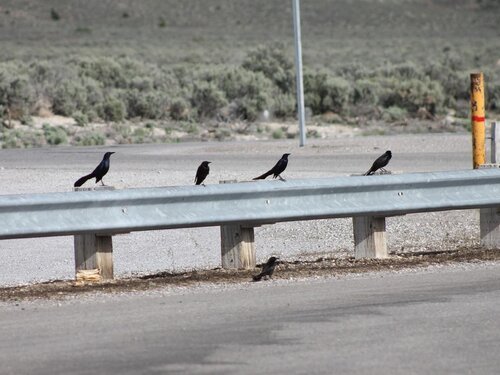
GREAT-TAILED GRACKLE
Bird Code: GTGR
Identify this bird by…
Long, slender body and legs, flat-headed profile
Distinctive “V” shape of their long tail (nearly as long as the length of their body)
Tell males and females apart by…
Males - Iridescent black with yellow eyes
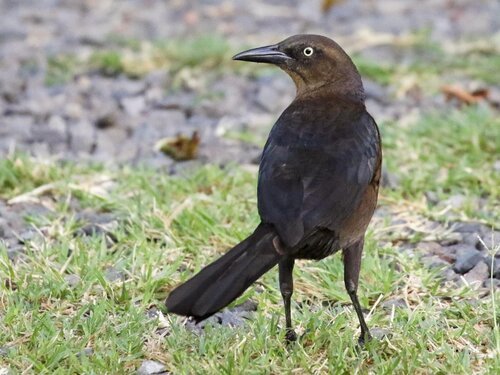
Females - Overall brown with a light throat, have a stripe above the eye
Females are about half the size of males
Listen for…
The rapid-fire “ki-ki-ki-ki” territorial song. They have an array of other sounds, including those that sound like machinery, and the sound of a rusty gate hinge.
Resources:
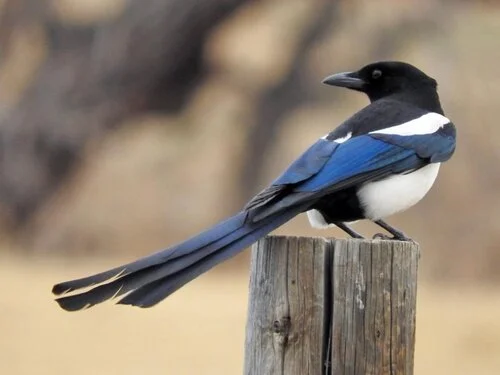
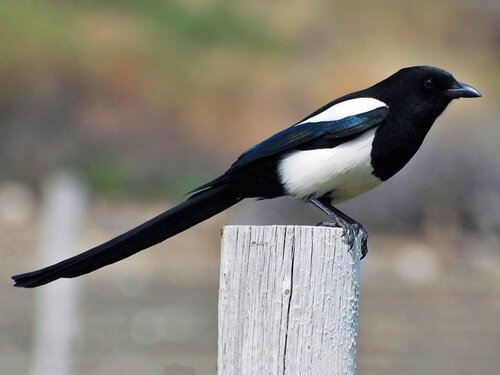
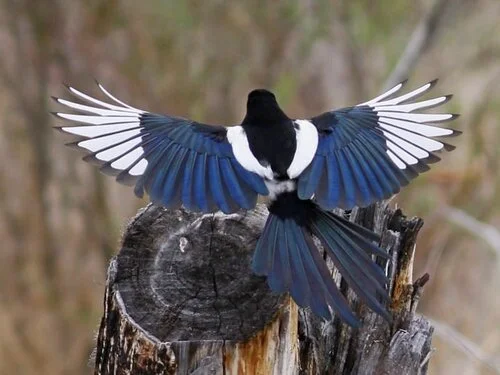
BLACK-BILLED MAGPIE
Bird Code: BBMA
Identify this bird by…
Large, long body with long tail and slightly hooked bill
Appears black and white; in the right lighting, the feathers have a blue-green iridescence
Males and females look alike
Tell it apart from Ravens and Crows by …
White markings on the wings and belly
Long tail
Look for …
In flight - Wing bars on back and white primaries and diamond-shaped tail (these are very distinct field marks)
Behavior - Often forages on the ground; perches on posts and small trees
Listen for…
Call: A nasal, call note that almost sounds like “Mag? Mag? Mag?”
Resources:
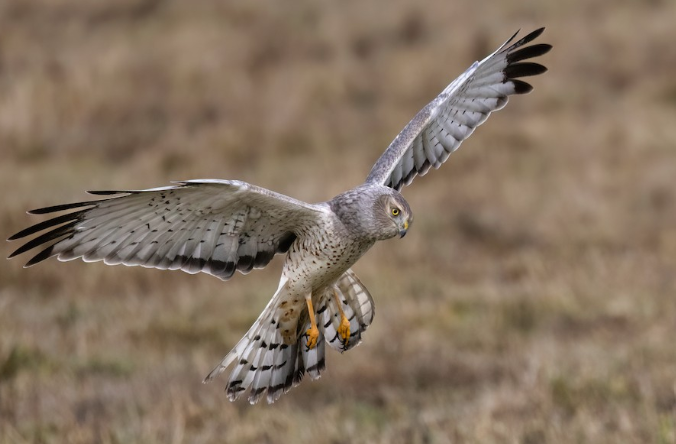
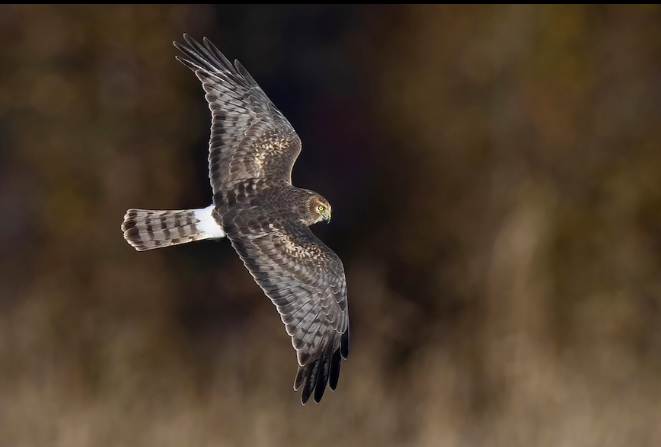
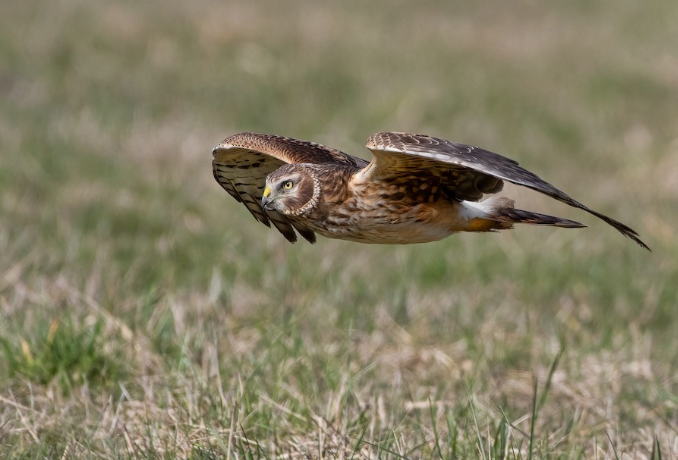
NORTHERN HARRIER
Bird Code: NOHA
Identify this bird by…
A slender long-winged and long-tailed hawk, often seen flying in a slow and teetering manner over grasslands and marshes.
Note the characteristic white rump patch and owl-like face
Adult males are pale gray with white underwings contrasting with black wingtips.
Females and juveniles are brown with banded flight and tail feathers. Adult females are pale with streaky brown below.
Listen for…
Call: A fast series of kek notes are given by both males and females during courtship displays, also a high sseew, given mainly be female and young.
Resources:
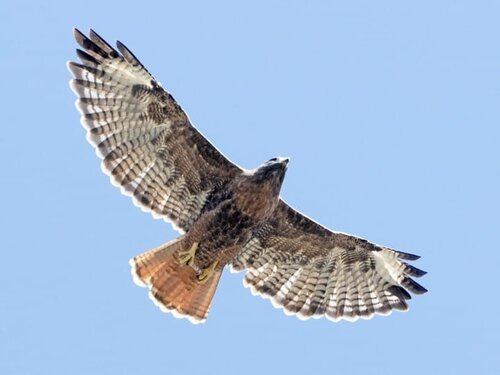
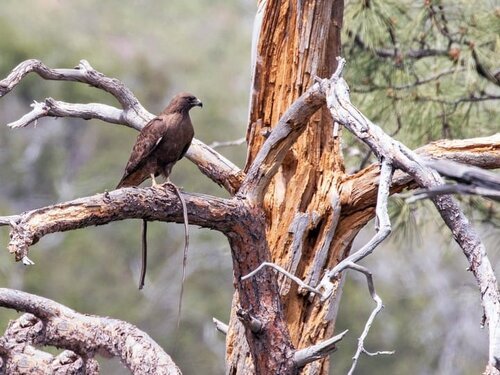
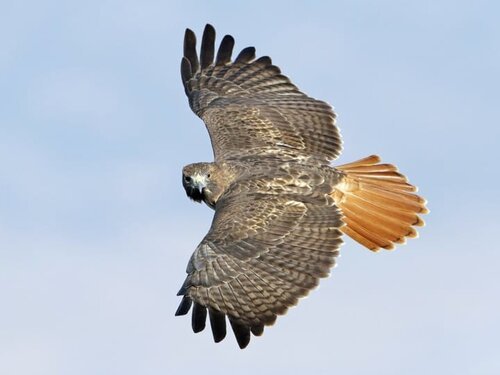
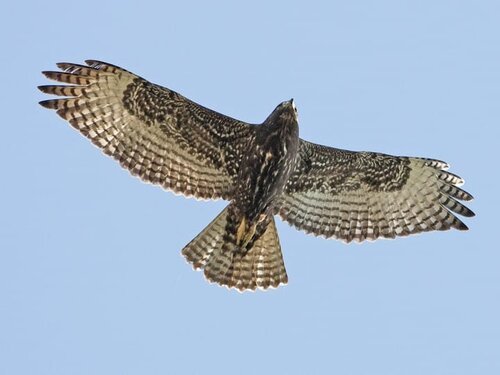
RED-TAILED HAWK
Bird Code: RTHA
Identify this bird by
Can be tricky!
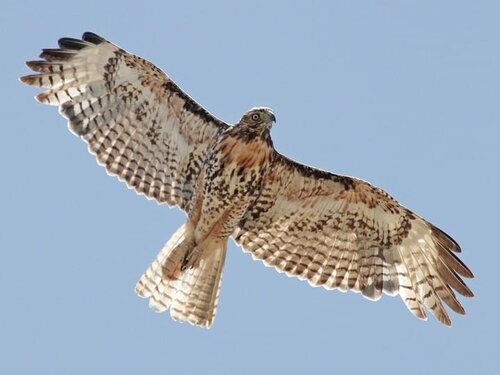
Large hawks with very broad, rounded wings and a short, wide tail
Tell apart from other hawks by…
LIGHT MORPHS
Rich brown above and pale below, with a streaked belly
On the wing underside, a dark bar between shoulder and wrist
The tail is usually pale below and cinnamon-red above, though in young birds it’s brown and banded
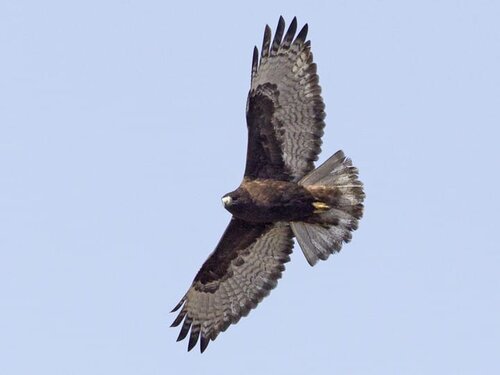
DARK MORPHS
Similar to light but…
Are all chocolate-brown with a warm red tail
Variation and regional differences…
Extremely variable plumage - some is regional
In western North America, we most often see light-morphs but dark-morphs can occur anywhere
Eastern birds tend to be less streaky on underparts than western birds
Look for…
Behavior - See them soaring in wide circles high over a field. When flapping, their wing beats are heavy
Listen for…
Calls: A screaming kee-eeeee-arr. It lasts 2-3 seconds and is usually given while soaring. During courtship, they also make a shrill chwirk
Resources:
SWAINSON’S HAWK
Bird Code: SWHA
Identify this bird by…
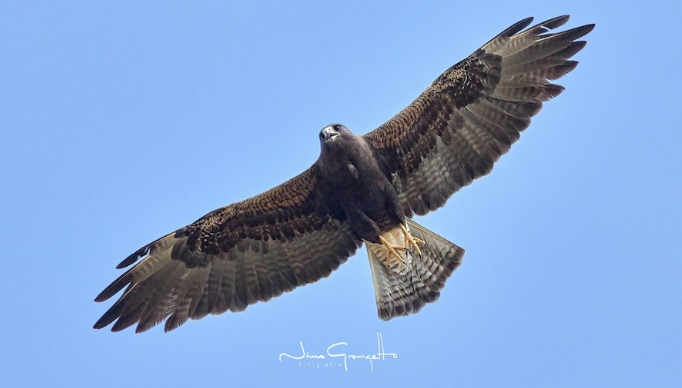
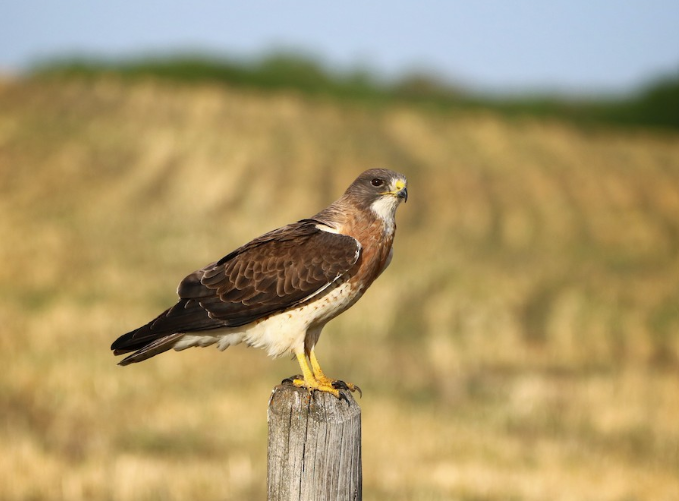
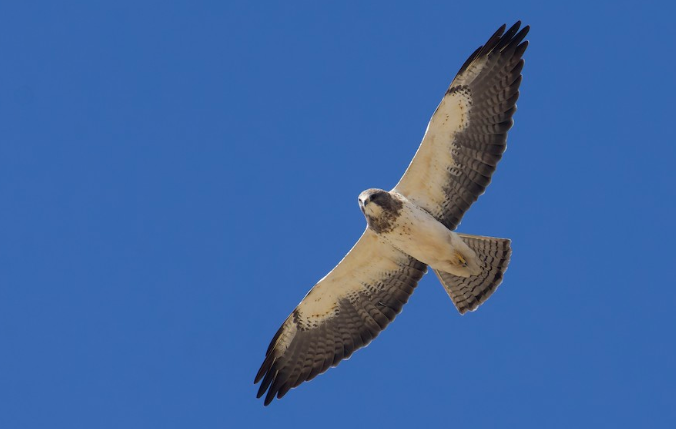
A slender buteo hawk with long, pointed wings.
In flight, note the characteristic dark flight feathers and brown upper chest
When perched, note the brown head and breast, often with a lighter chin.
Listen for…
Call: a scream similar to a Red-tailed Hawk, but higher and weaker
Resources:
ROCK PIGEON
Bird Code: ROPI
Identify this bird by…
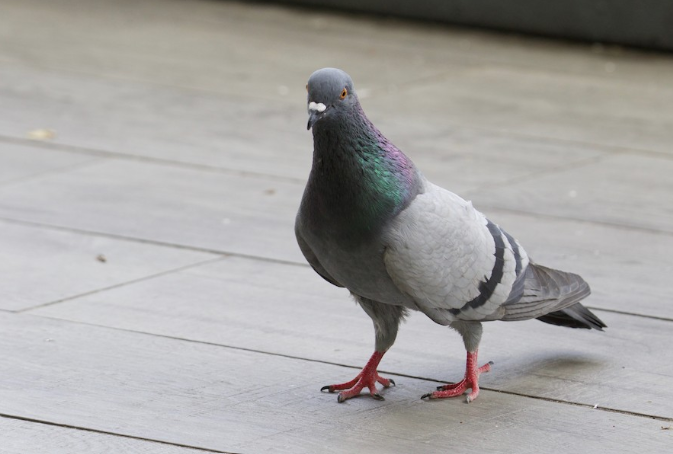
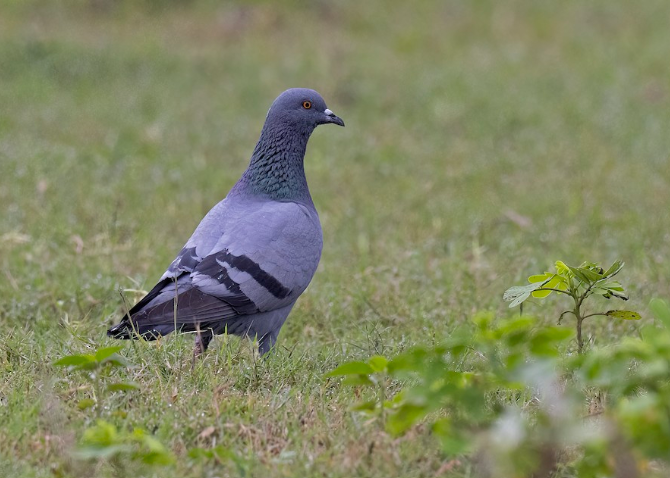
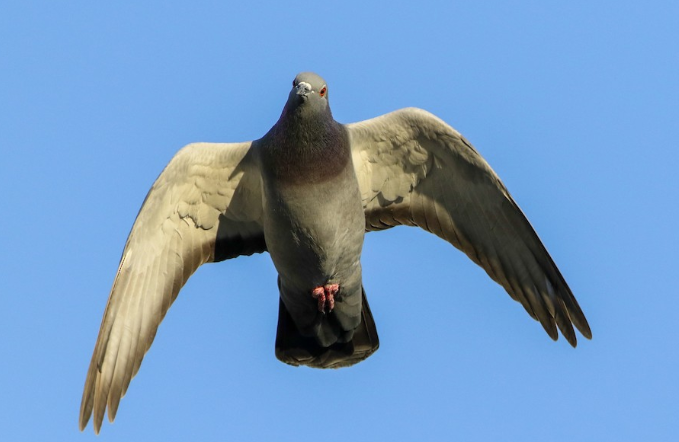
Plump bird with short legs and small head. Comes in several plumage variations, but most common is gray with a darker gray bill and black bars on the wings.
Almost falcon-like silhouette in flight, with long wings and pointed wingtips.
Tell it apart by…
Larger than Mourning Doves or Eurasian Collared Doves, with a shorter tail than either
Listen for…
Call: coos
Song: low, muffled bru-u-ooo
Other: Wings produce a soft whistle on takeoff
Resources:
WEEK 3 WETLAND EXTRAS
Study these birds if you are interested in surveying at Legacy Nature Preserve, the Great Salt Lake Shorelands Preserve, and Utah Lake North Shore.
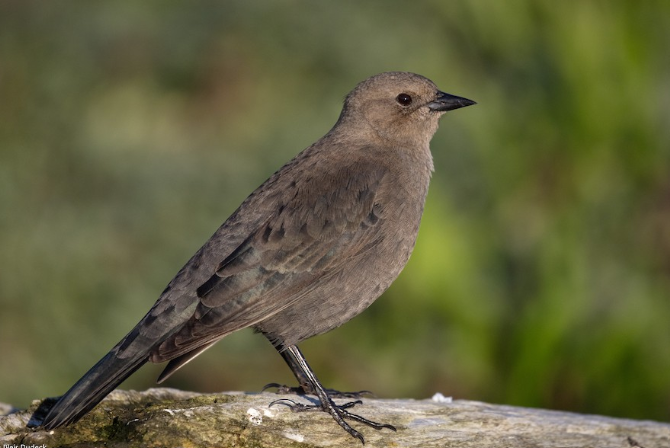
BREWER’S BLACKBIRD
Bird Code: BRBL
Identify this bird by…
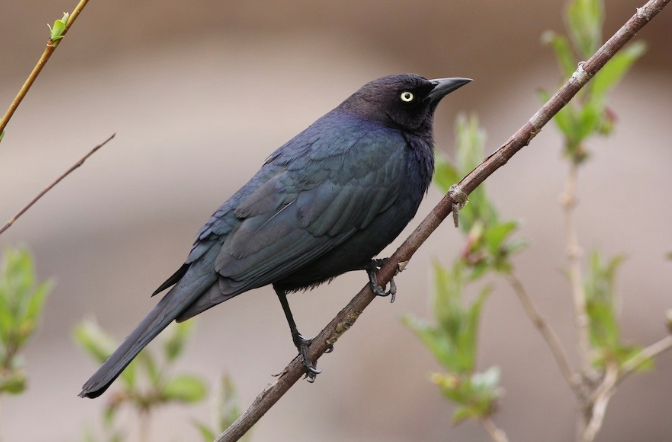
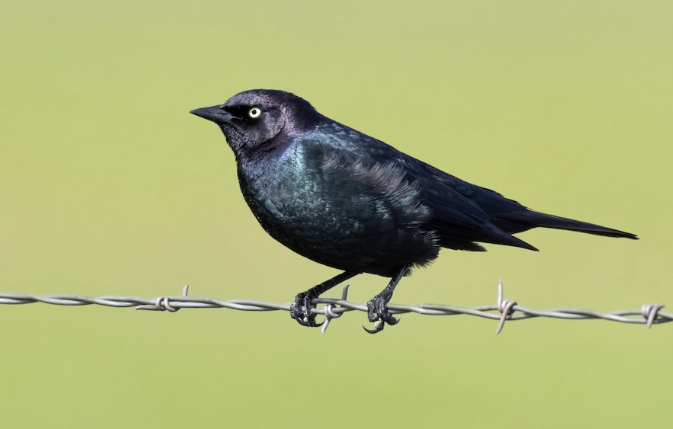
Medium-sized blackbird with a thin bill and square tail
Adult males are glossy black with iridescent sheens of purple on the head and green on body with bright light yellow eyes
Females are drab dark gray-brown with a dark eye
Tell it apart by…
More slender than Red-winged Blackbird with a longer and thinner bill (and lacking the red epaulets)
Listen for…
Call: chuk calls, similar to other blackbirds
Song: a shrill, rising squee with a buzzy or metallic end.
Resources:
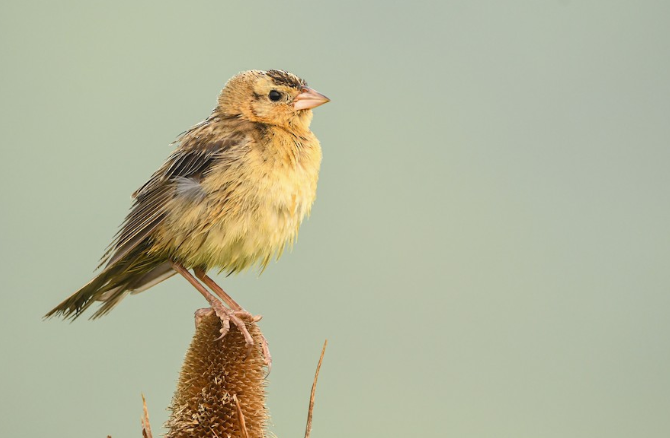
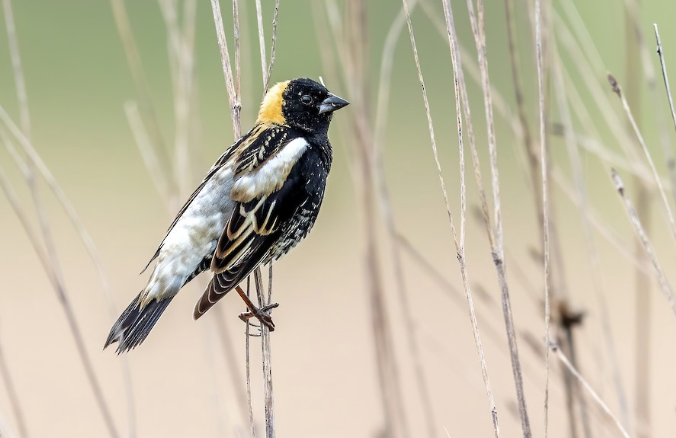
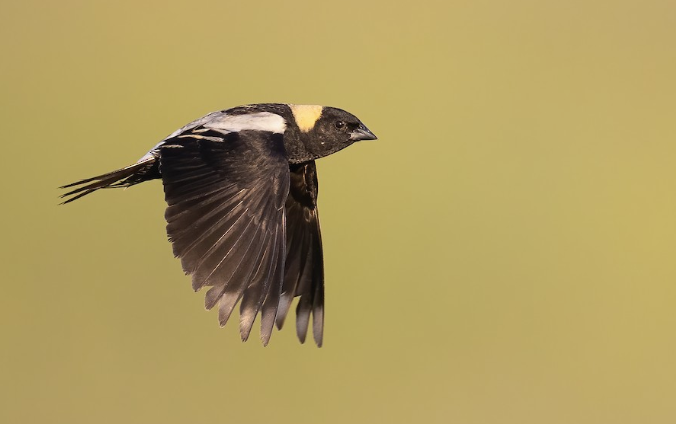
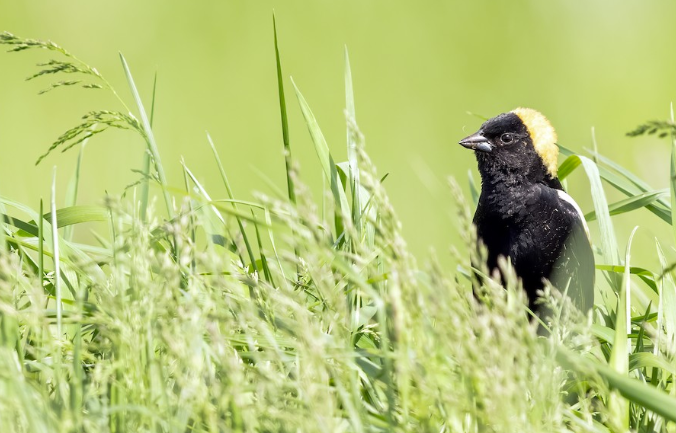
BOBOLINK
Bird Code: BOBO
Identify this bird by…
Sparrow-like bird with a large head, short neck, short tail, and pointed wings
Breeding males have a black underside and white on the upperparts (very unique!)
Females and non-breeding names are warm brown with streaking. They have a pale unstreaked nape and pale lores
Listen for…
Call: low, soft chuk with a musical bink as their flight call
Song: bubbling, jangling, rambling, metallic song with warbles, short notes, buzzy low pitches, sharp high notes
Resources:
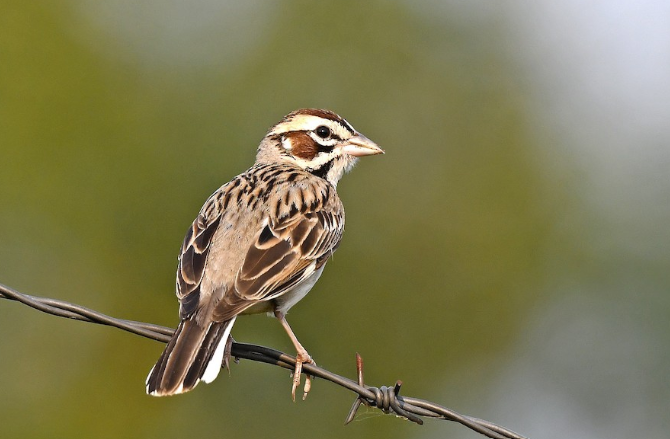
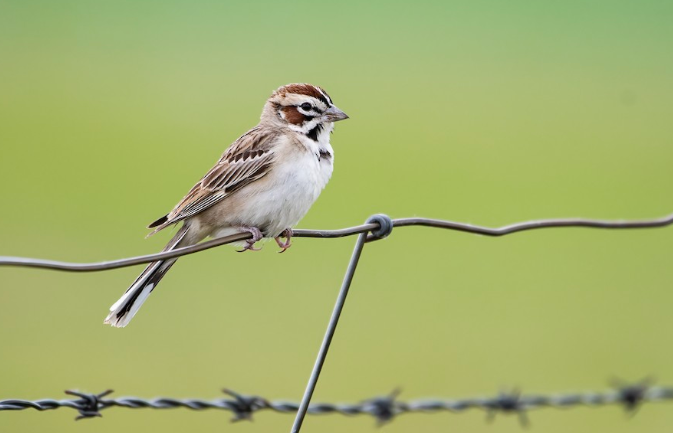
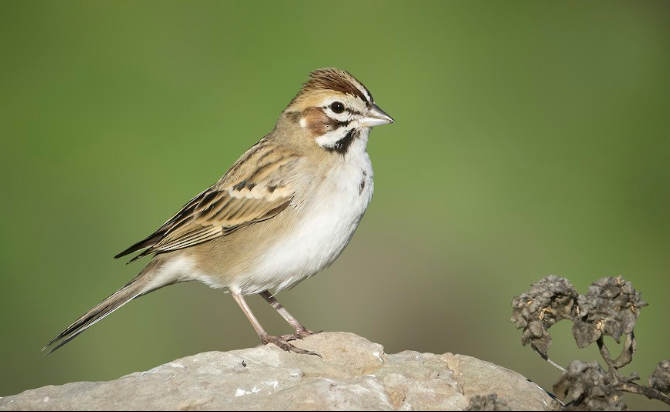
LARK SPARROW
Bird Code: LASP
Identify this bird by…
Large pale sparrow with thick bill.
Striking bold harlequin face pattern of rufous, black and white
Pale underparts with dark spot on the breast
Towhee-like white tail corners
Listen for…
Call: sharp, metallic tink call
Song: a melodius jumble of trills, repeated clear notes, buzzes, churrs – like a little wind-up toy
Resources:
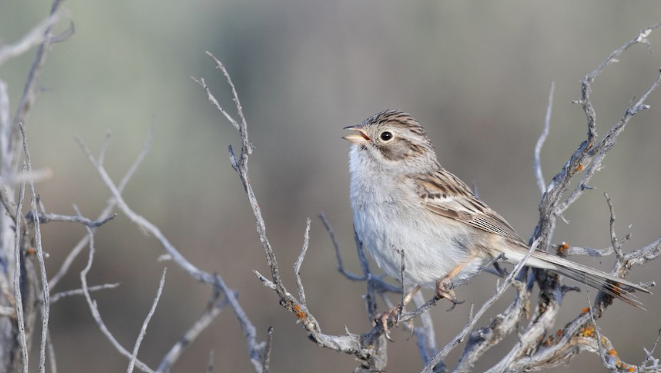
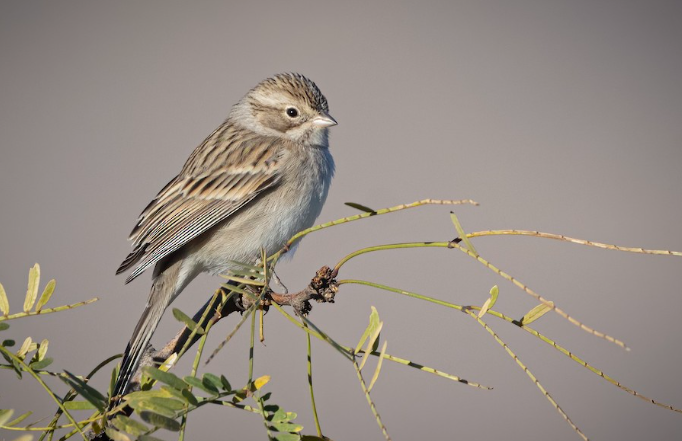
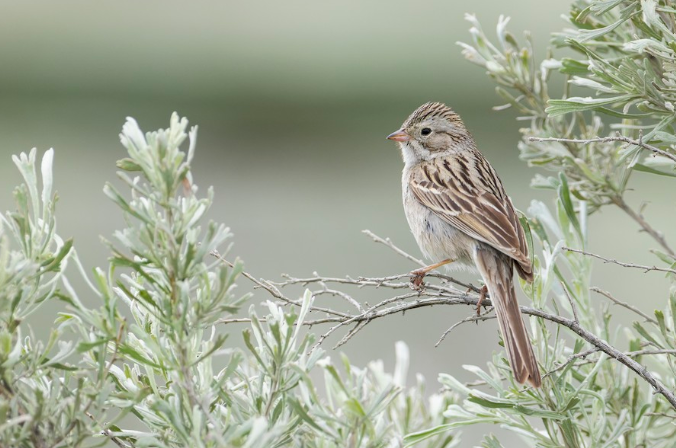
BREWER’S SPARROW
Bird Code: BRSP
Identify this bird by…
Dainty, slim sparrow with long tail and short, rounded wings.
Plain and drab gray-brown with a thin white complete eye-ring, indistinct face pattern, pale lores, and streaked nape.
Tell it apart by…
Non-breeding Chipping Sparrows can look similar, but CHSP have stronger wingbars and bolder face pattern with a darker eyeline that goes all the way through the eye
Listen for…
Call: soft, typical sparrow “seep” call
Song: very long and varied series of descending trills and buzzes. It sounds like a Chipping Sparrow trying to sing like a Canary
Resources:
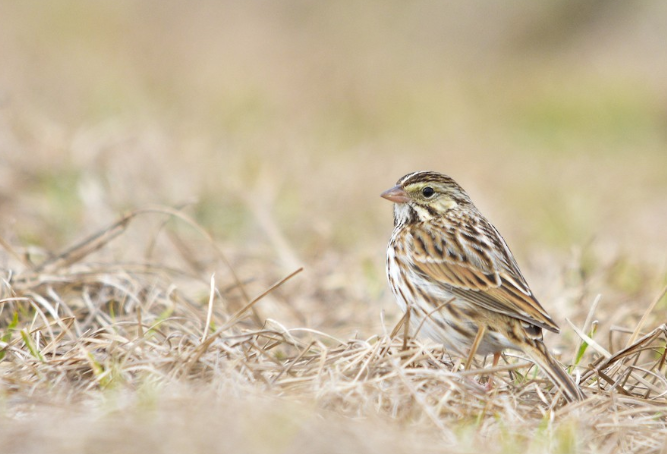
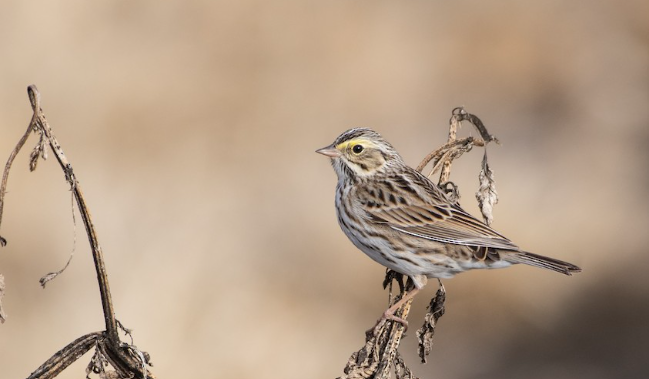
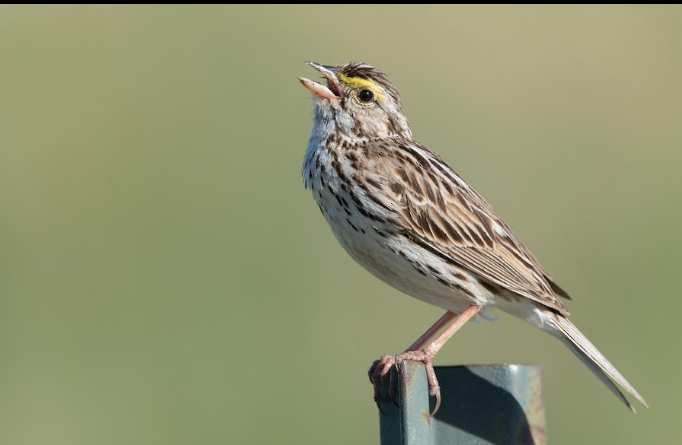
SAVANNAH SPARROW
Bird Code: SAVS
Identify this bird by…
Medium-sized sparrow, often in open areas on the ground or perched on top of weeds, short shrubs, or fences.
Fairly small bill, finely-streaked breast, strong face pattern, light yellow stripe over the eye (may not be easy to see in all birds)
Tell it apart by…
Smaller-billed and shorter-tailed than a Song Sparrow, and tail is notched rather than rounded
Listen for…
Call: high, sharp “stip”
Song: three-part song that opens with a few quick notes, has a high insect-like buzzy sustained note in the middle, and ends with a quick trill
Resources:
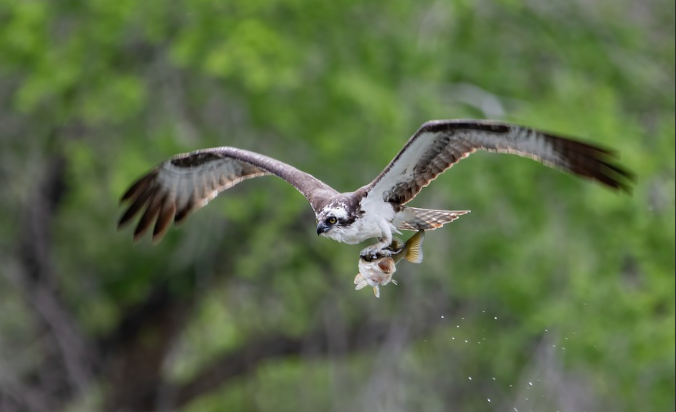
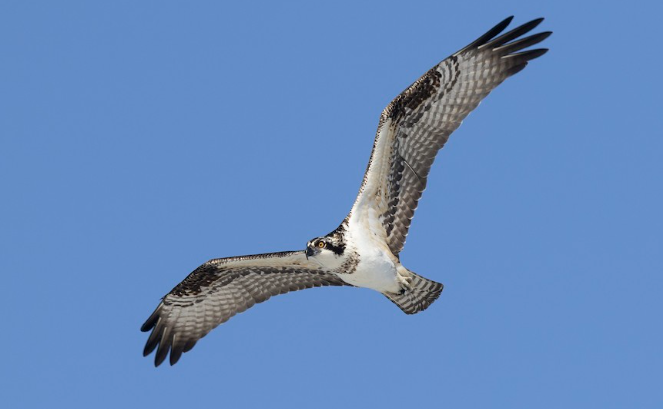
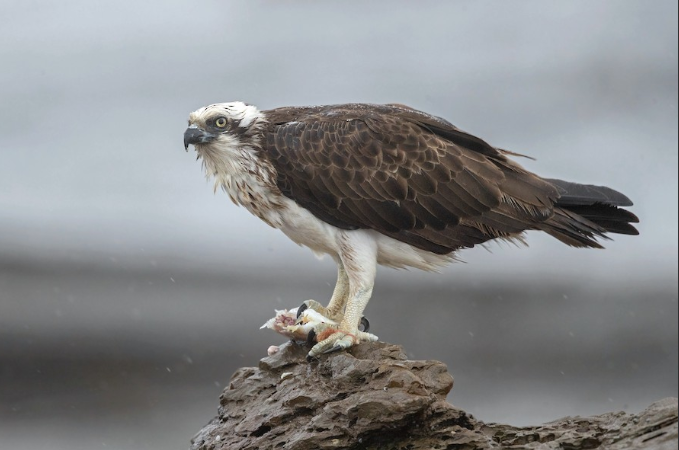
OSPREY
Bird Code: OSPR
Identify this bird by…
A unique large raptor with long, narrow, crooked wings
In flight from the underside: has a white body and coverts with dark wrists and secondaries
While perched, look for brown back and wings contrasting with white underparts, dark eyestripe through a white head, and hooked black beak
Listen for…
Call: short shrill whistles or a long, shrill, slurred whistle
Resources: