squirrels & Nest types
Utah has two tree squirrel species.
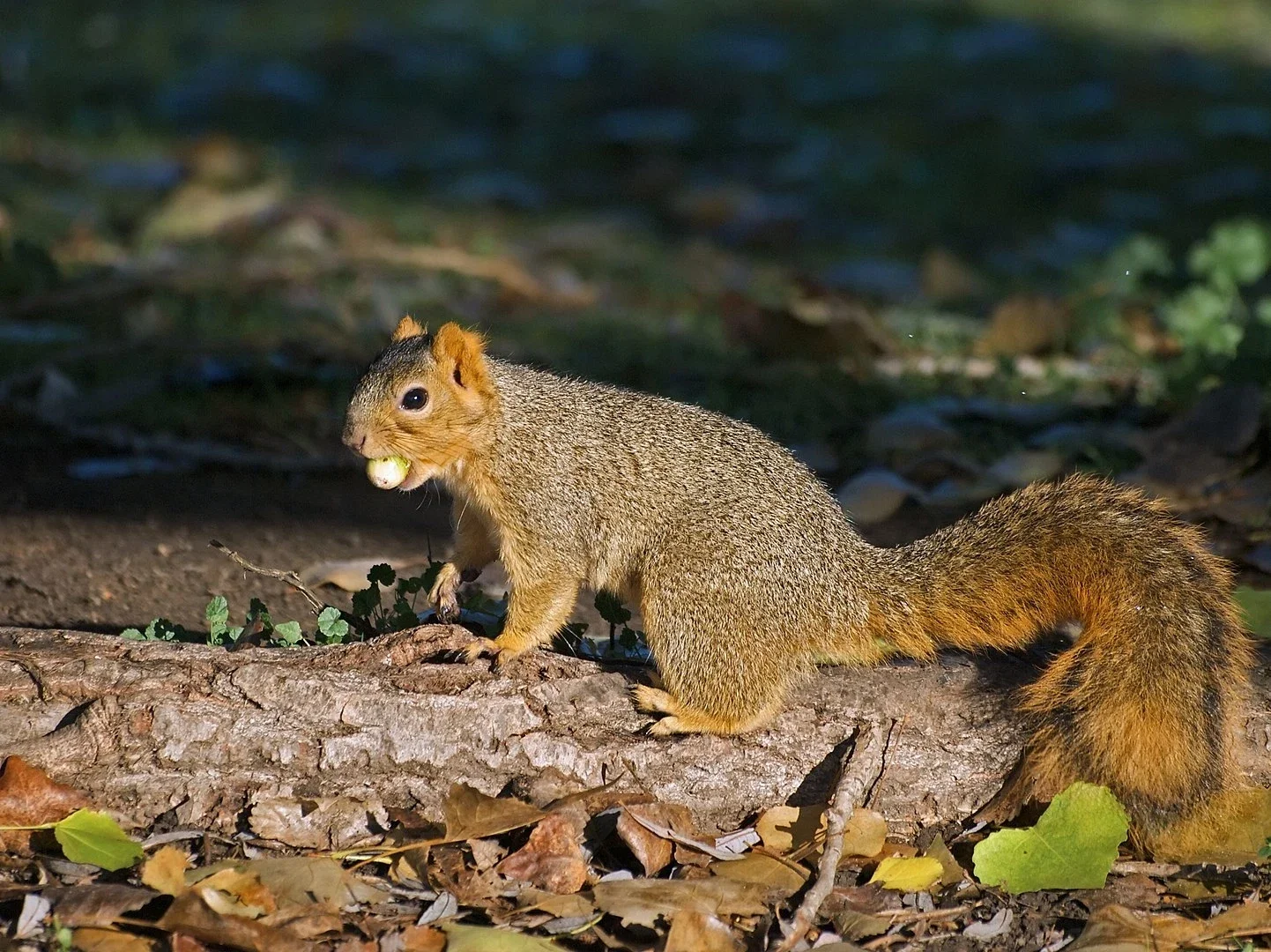
Fox Squirrel (FOSQ)
Non-native, very large squirrel. Gray back with an orange-ish rusty belly.
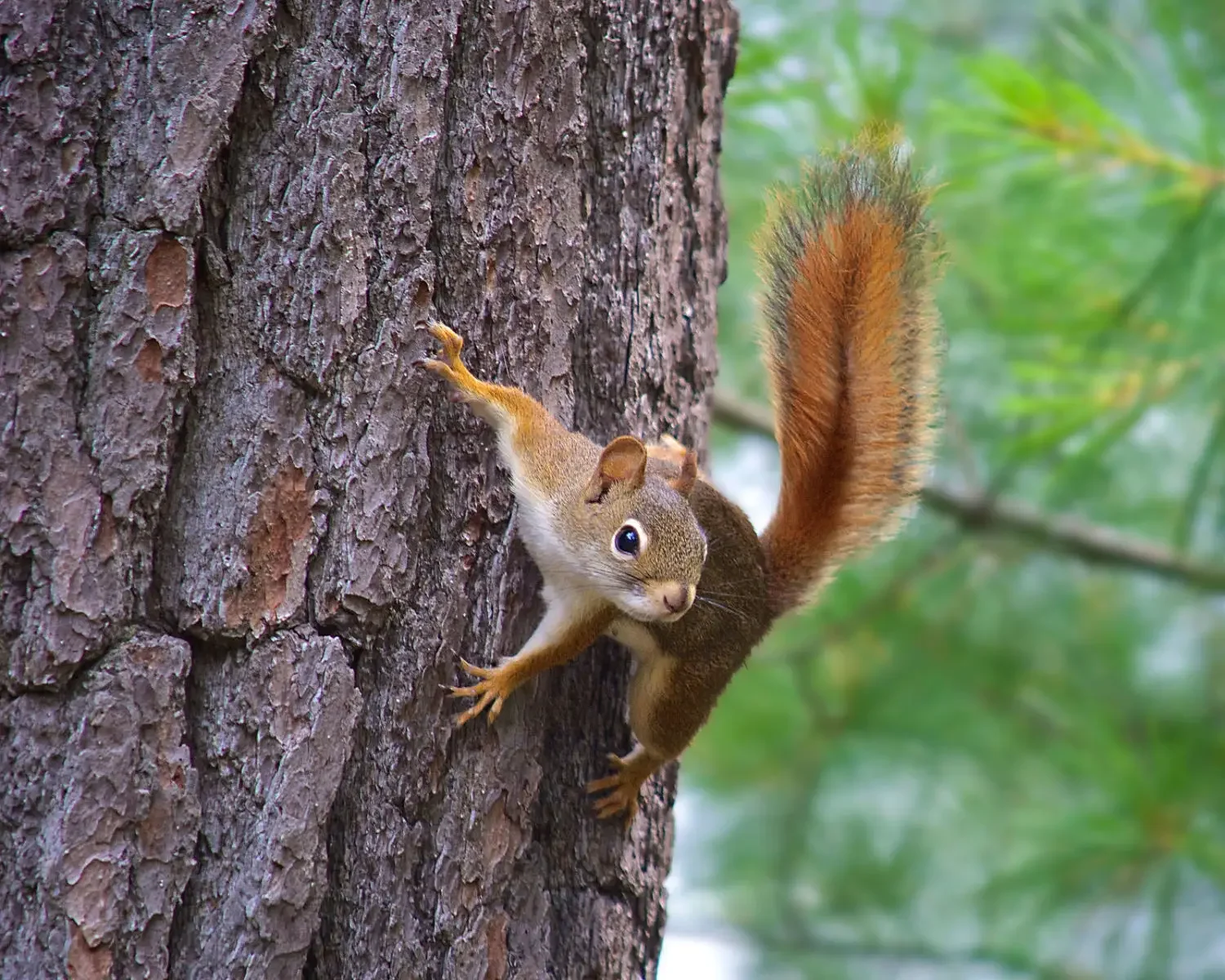
Red Squirrel (RESQ)
Native, small squirrel. Red back with a white belly and a white eye ring. RESQ’s no longer live around the Jordan River, but it isn’t impossible that they could show up!
Squirrel Nests vs. Bird nests
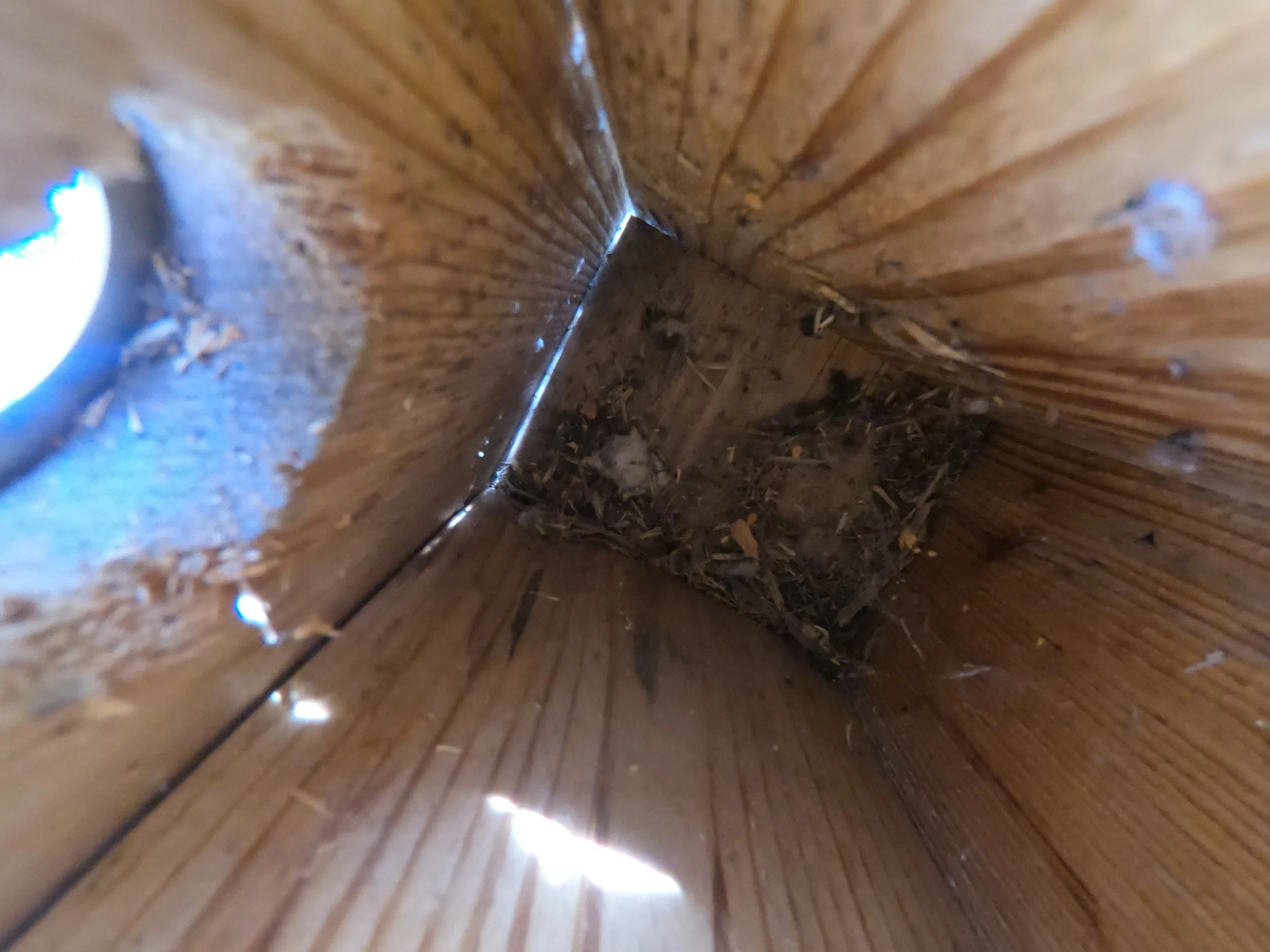
This is an empty songbird (black-capped chickadee) box with debris inside. None of the material inside the box looks intentional, gathered, or arranged.
This constitutes a “no” for nest status on your data sheet!
This is the inside of a kestrel nest box with sawdust/wood chips and debris from outside the box. We add the wood chips because American Kestrels don’t build much of a nest., and it protects the eggs from rolling.
This constitutes a “no” for nest status on your data sheet.
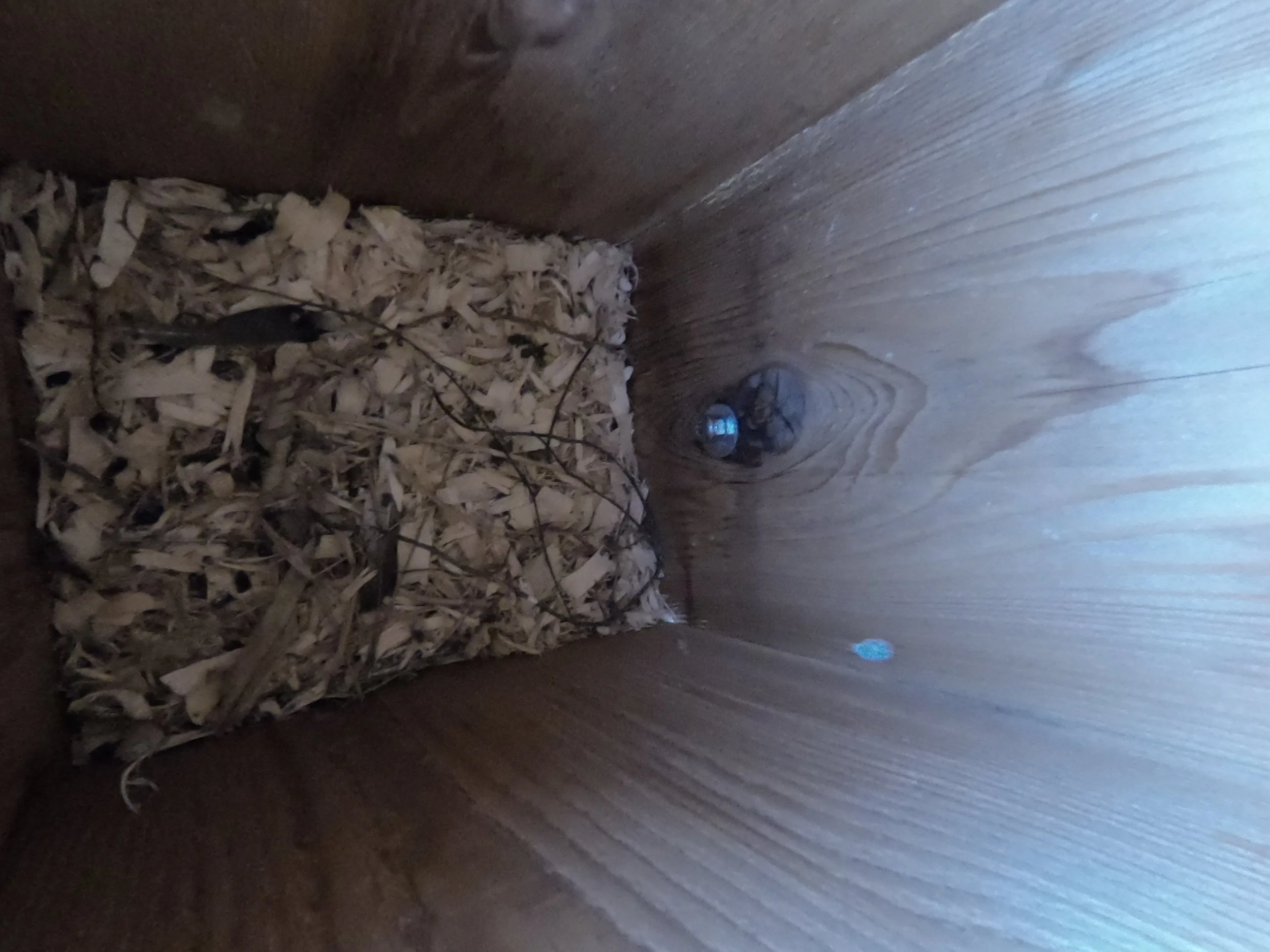
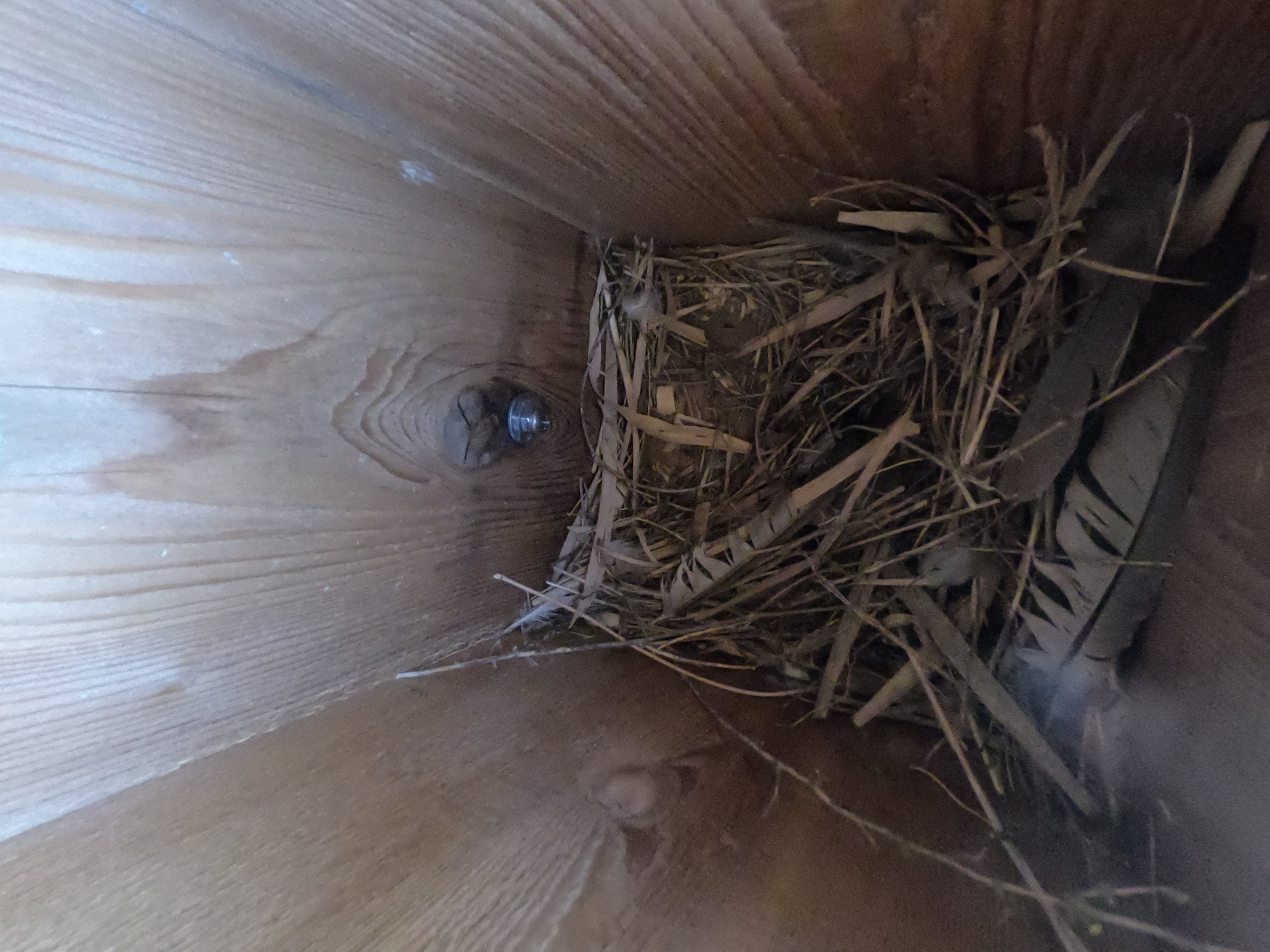
This image shows the very early stages of a European Starling nest being built inside of a kestrel box.
This constitutes an “in” code for nest status on your data sheet!
Starlings are known to collect feathers when building their nests, and we can see pigeon feathers mixed in with sticks and fibers.
This nest is in a middle stage, so we could label this as “in/cn” for nest status to indicate that it is not quite complete.
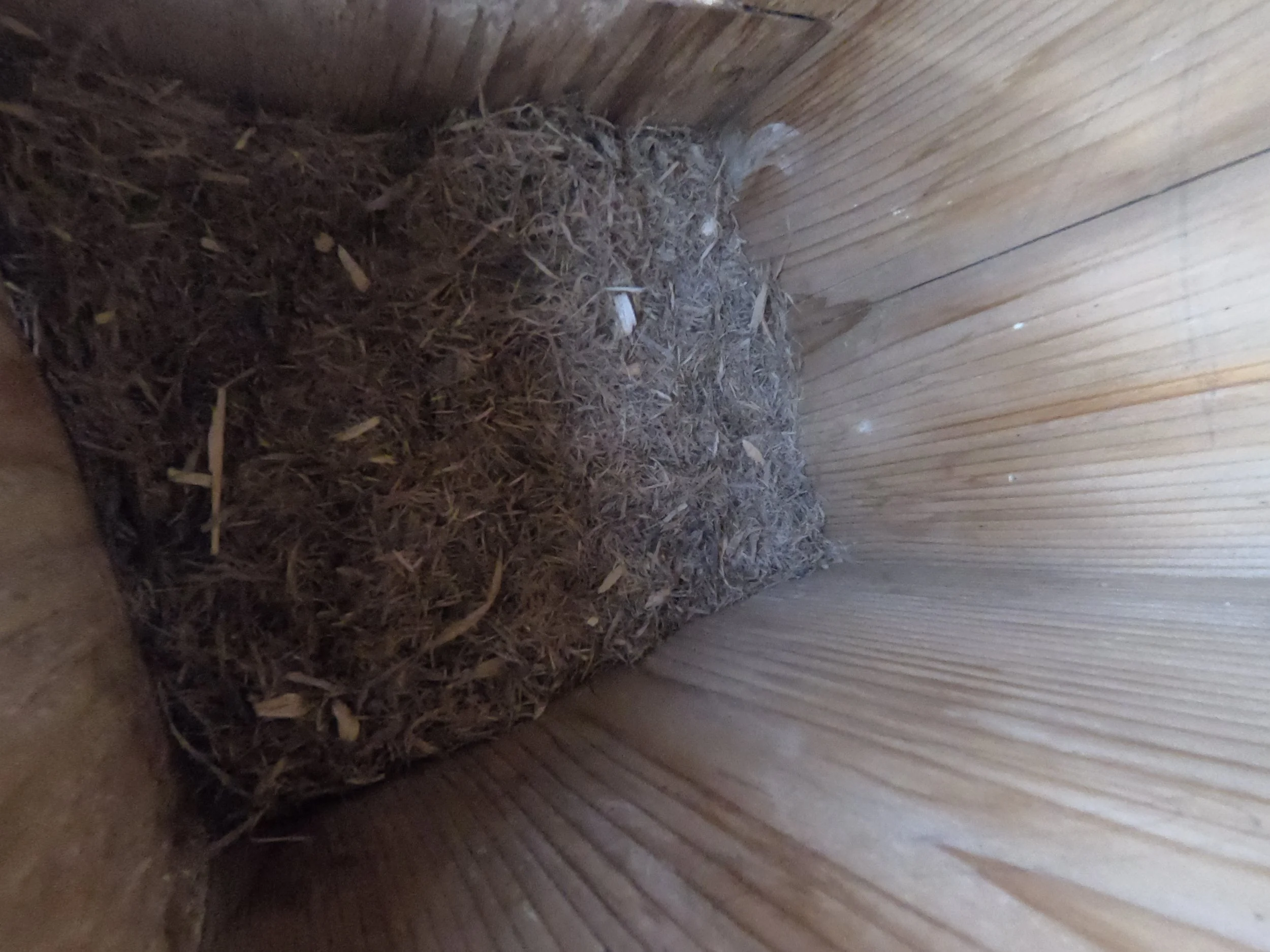
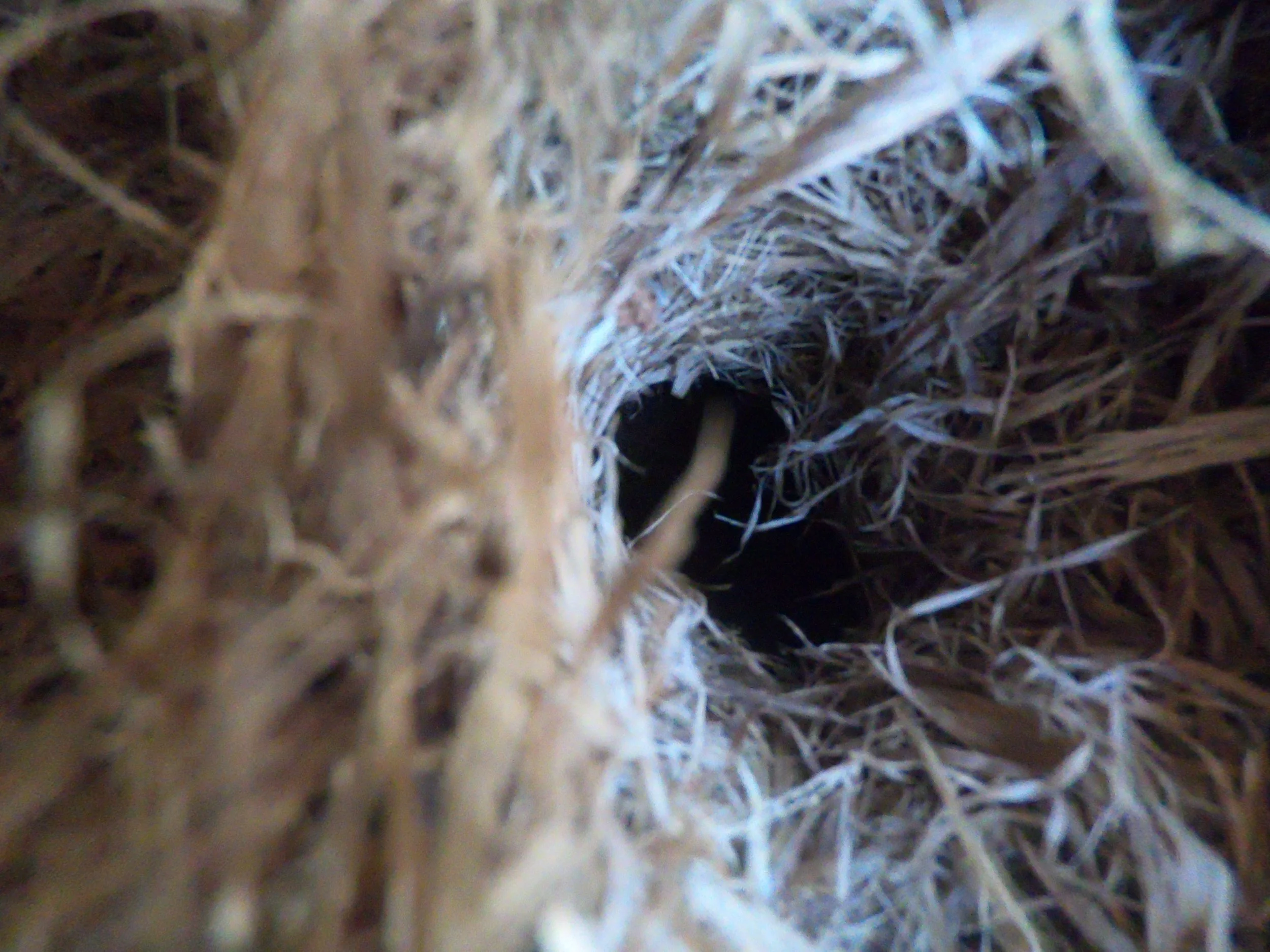
This is a complete, late season fox squirrel nest. Squirrel nests tend to be quite leafy and grassy.
Any stage of squirrel nests is an “nn” code on your data sheet for non-avian nest.