
Colorado Plateau / Southern Rockies
Scroll down to study the most common birds in your survey region by sight and sound.
Routes in the Colorado Plateau/Southern Rockies region include:
Altonah, Grizzly Ridge, Dragerton, Willow Creek, Beaver, Desert view, Hanksville, Navajo Lake, Boulder, Hite, Aneth, Skyline Drive, Ant Flat-Ogden Canyon, Wasatch National Forest, Jensen, Cleveland, Bonanza, Fish Lake National Forest, Notom, Glen Canyon, Canyonlands, Moquith Mountain, Main Canyon, Cane Spring Desert, Blanding, Soapstone, Matt Warner Reservoir, Fayette, Castle Dale, RIchfield, Gooseberry, Shivwitz, Dixie National Forest, Glen Canyon, Lake Powell, Hatch, Beck 2, Heber Mountain, Moab, Moon Lake 2, Book Ridge, Gilson Butte 2, Kamas, Hanna, Ferron, Westwater, Bicknell, Green River, Canyon Rims, Escalante, Bullfrog Bay, Monticello, La Sal 3, Alton 2, Wellington 3, Lost Creek Reservoir, Spur Mountain, Bryce Canyon
Species lists vary by route; please consult your route’s species list and other tools such as Merlin for a customized list.
Common Birds in this Region
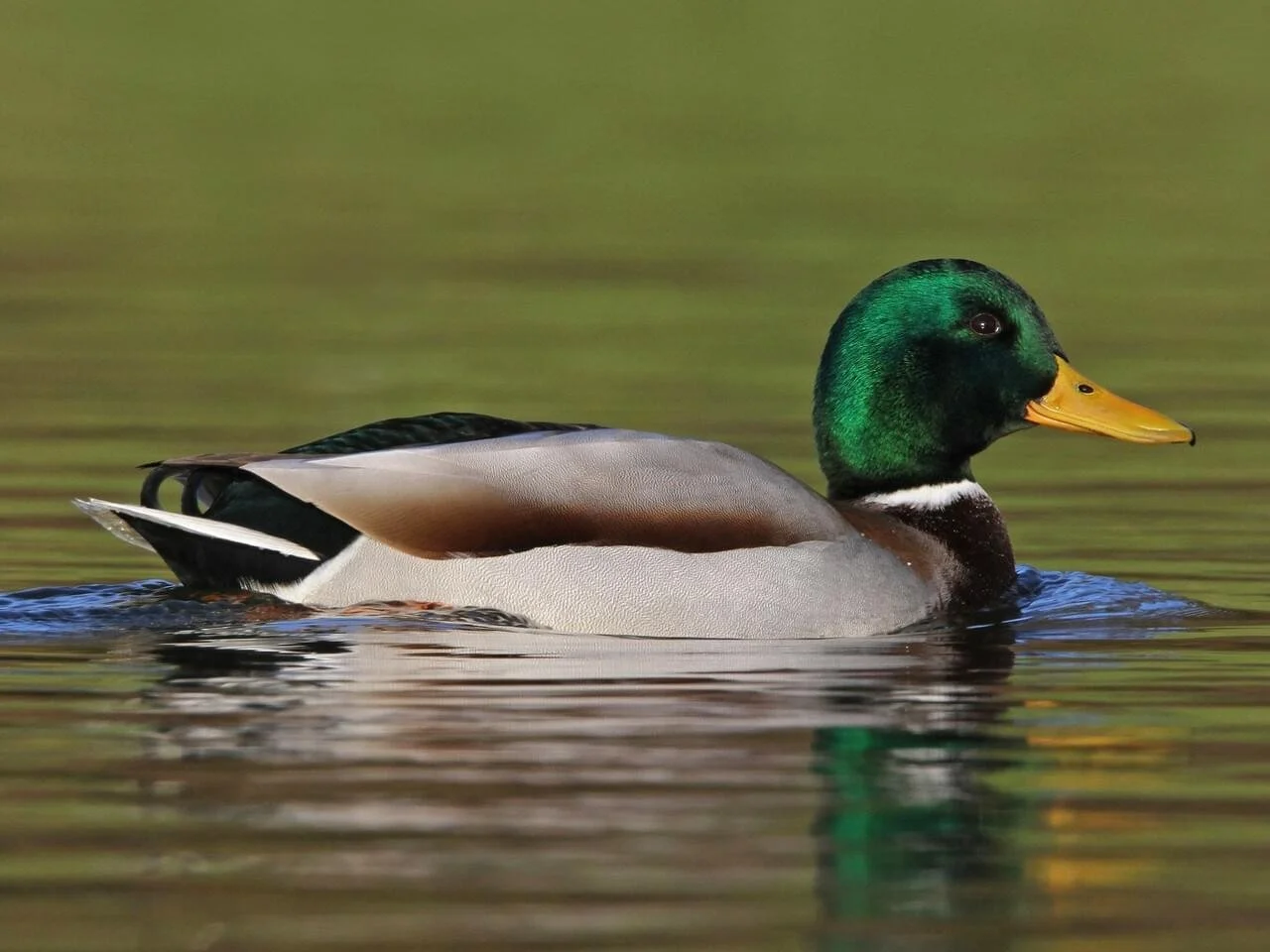
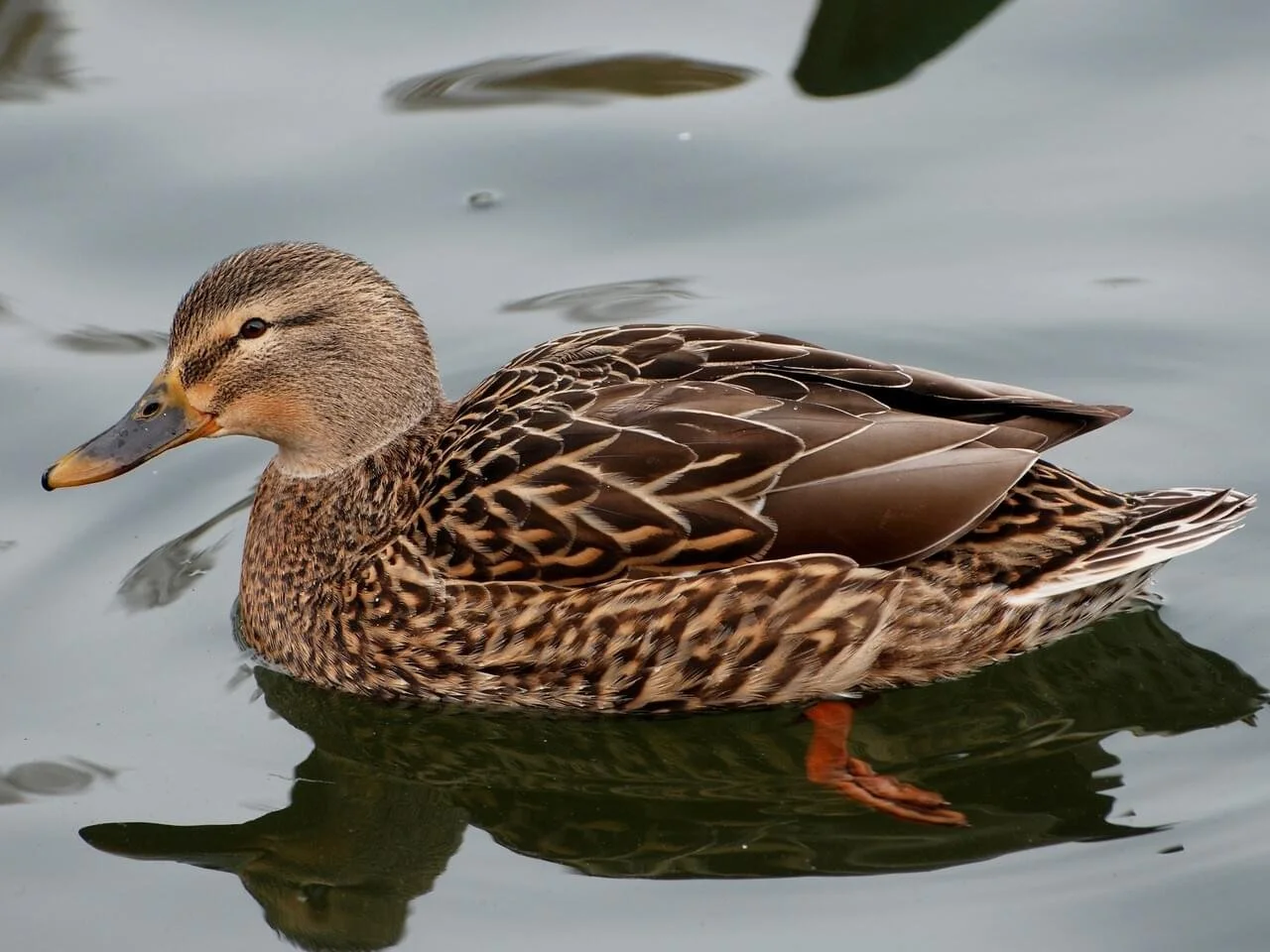
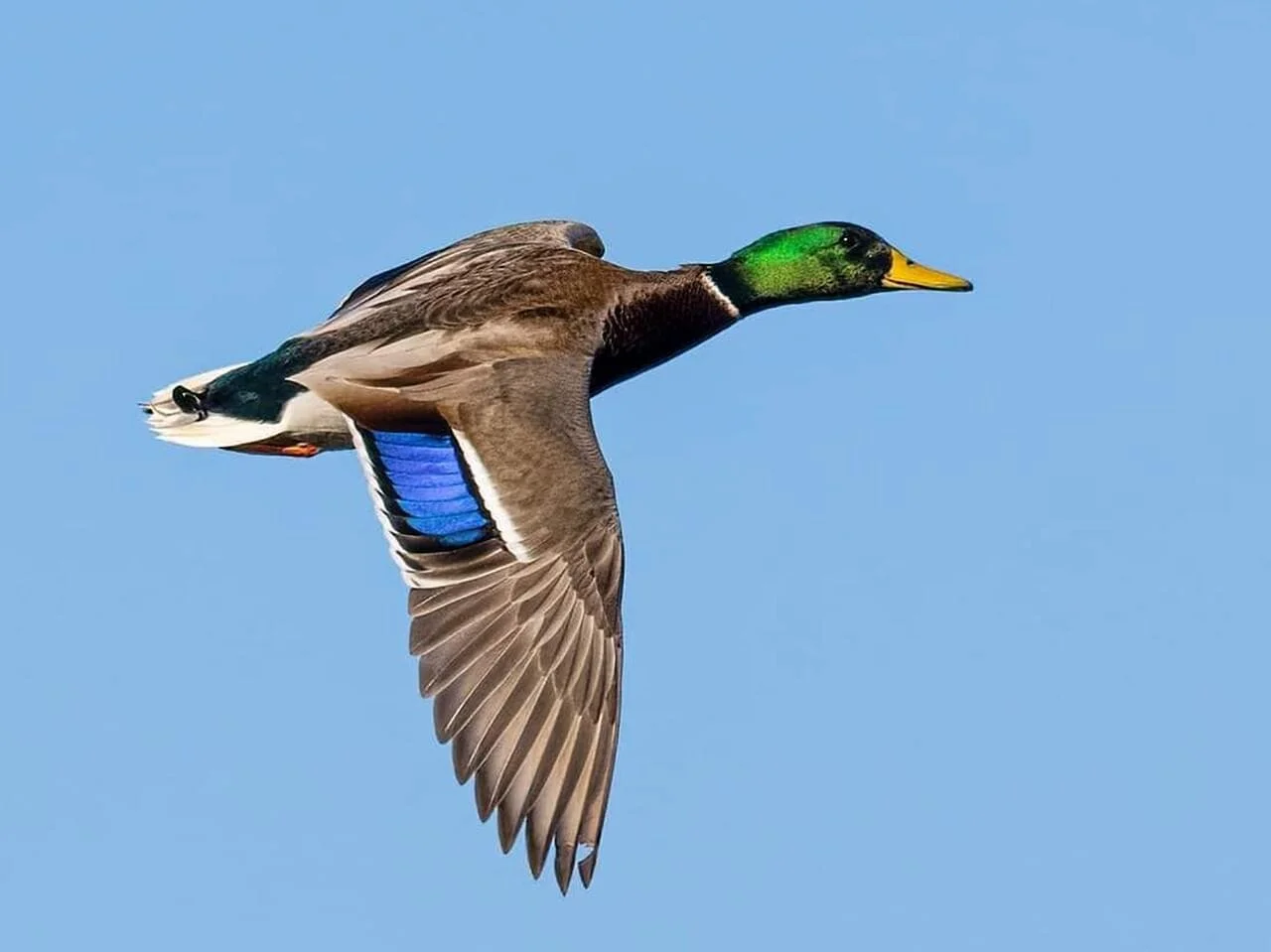
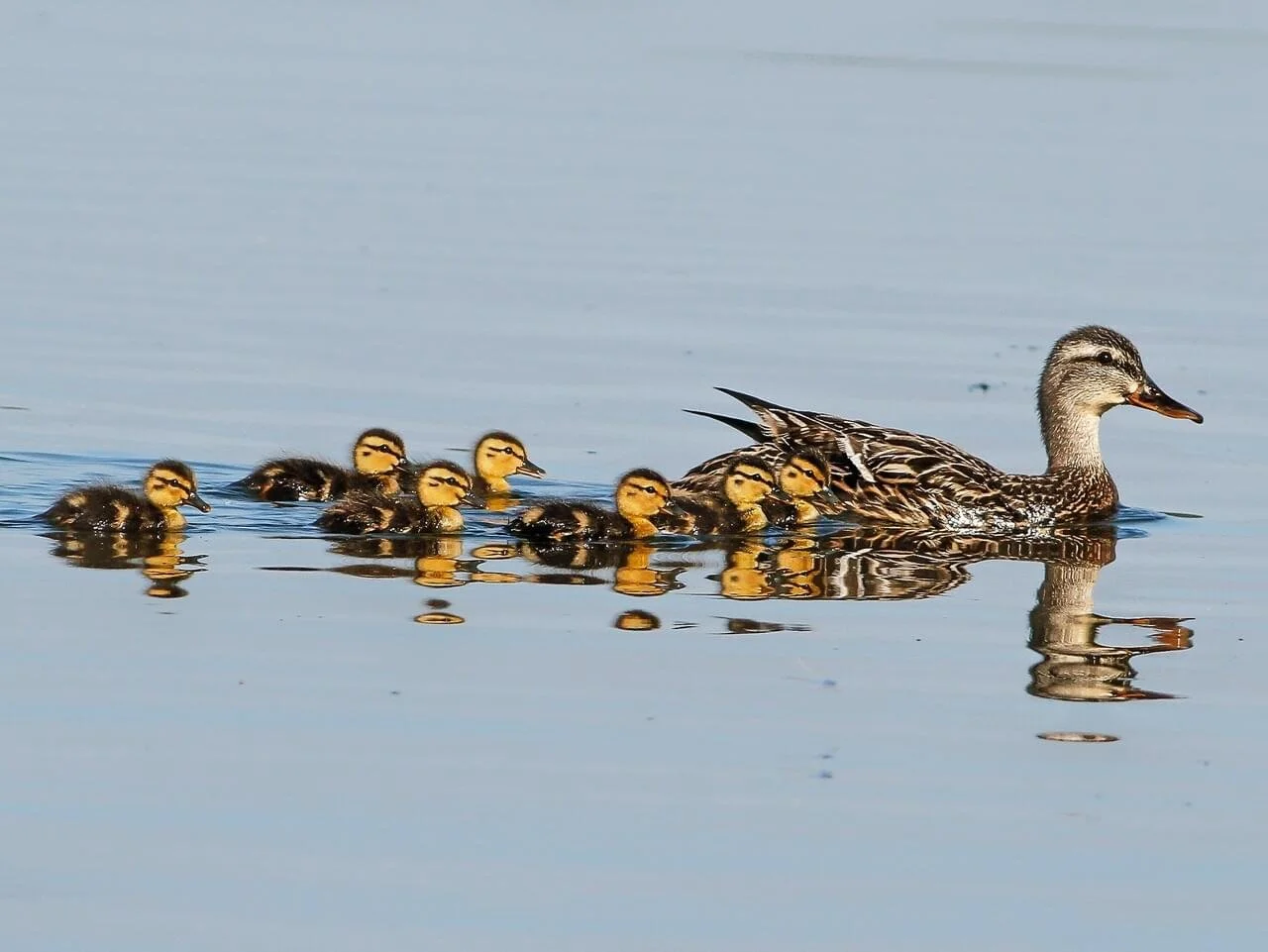
MALLARD
Bird Code: MALL
Identify this bird by
Large ducks with hefty, long bodies, rounded heads, and wide, flat bills with tail riding high out of water
Both sexes have a white-bordered, blue “speculum” patch in the wing
Tell males and females apart by…
Males: Have iridescent-green head and bright yellow bill. The gray body is sandwiched between a brown breast and black rear
Females: Mottled brown with orange bills
Look for…
Behavior - Mallards are “dabbling ducks”—they feed in the water by tipping forward and grazing on underwater plants
Listen for…
Call: The female Mallard gives the quintessential duck quack: often as a series of 2-10 quacks that begin loudly and get softer. The male mallard gives a quieter, rasping one-or two-noted call.
Resources:
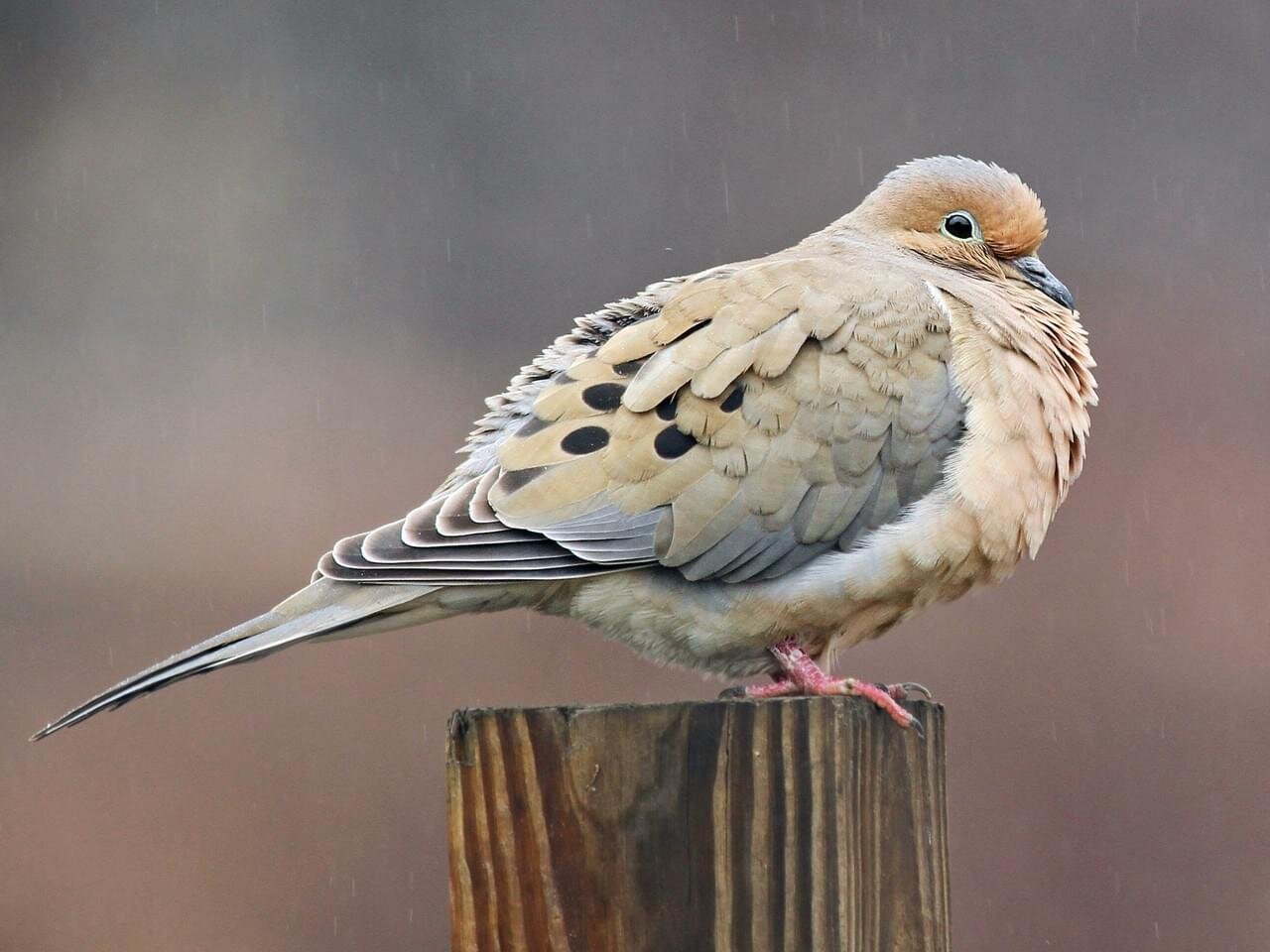
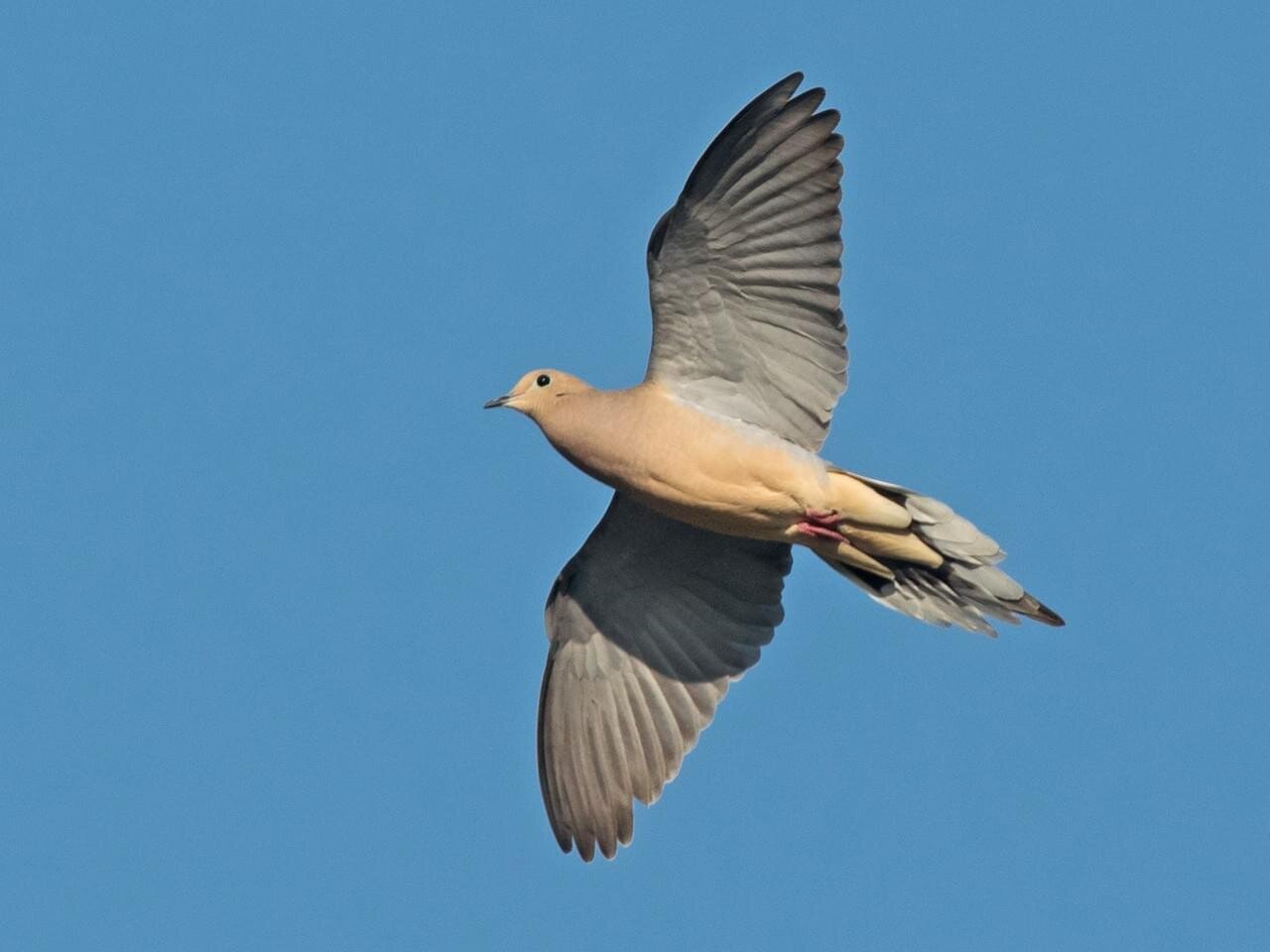
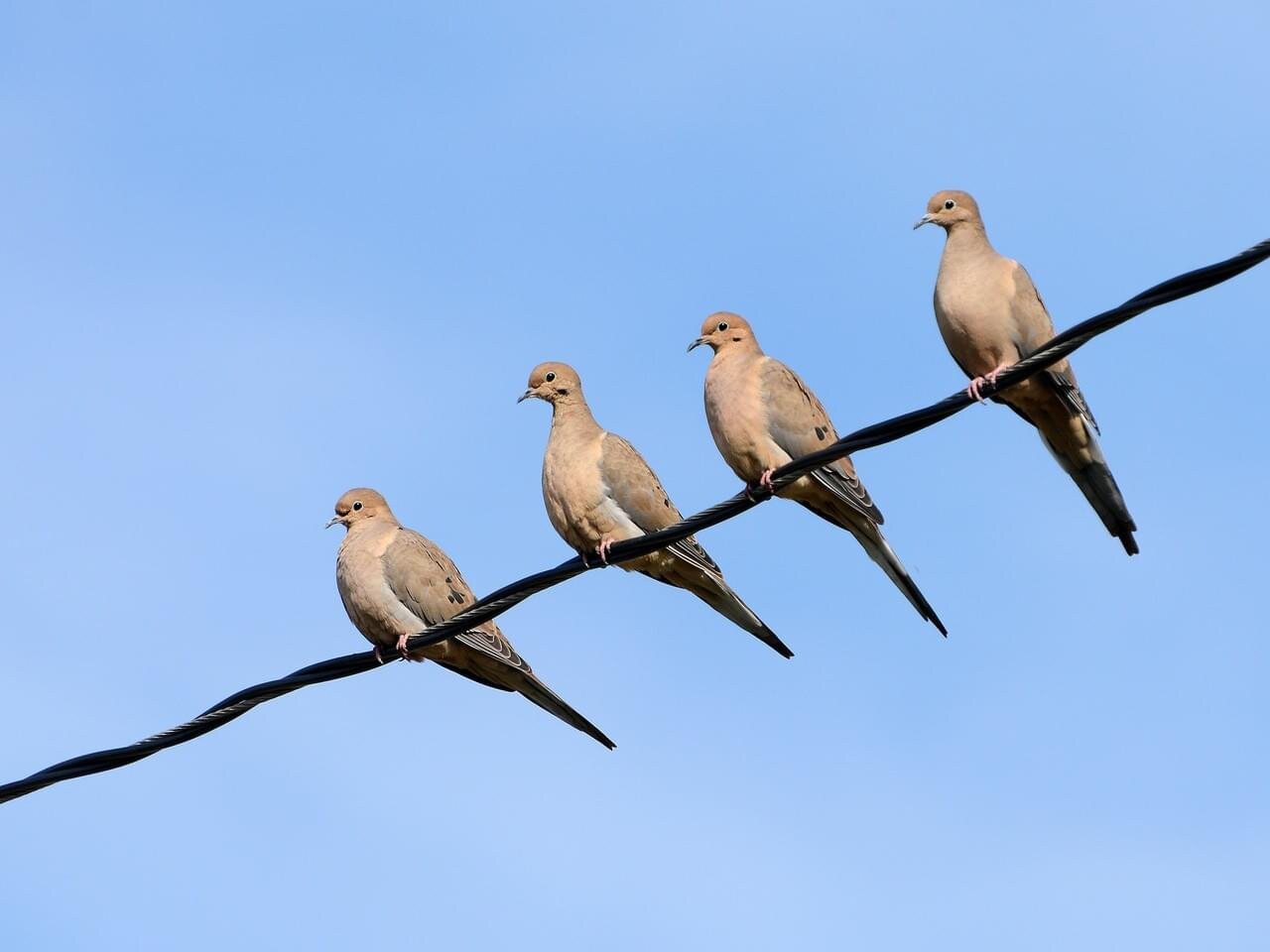
Mourning Dove
Bird Code: MODO
Identify this bird by…
Large bird with plump body, small head and bill, long, pointed tail, and rounded wings
Light brown bird with black speckles on wings and blue eye ring
Tell it apart by…
Darker and smaller than Eurasian-collared Dove
Tail is long and pointed (or tapered) in flight
Black spots on lower wings and rump
Dark smudge or dot on cheek
Listen for…
A mournful and slow hooting, five-syllable hooting: “oo-AAHH-hoo-hoo-hoo.” Listen also to the light, airy whistle of the wings when they fly.
Resources:


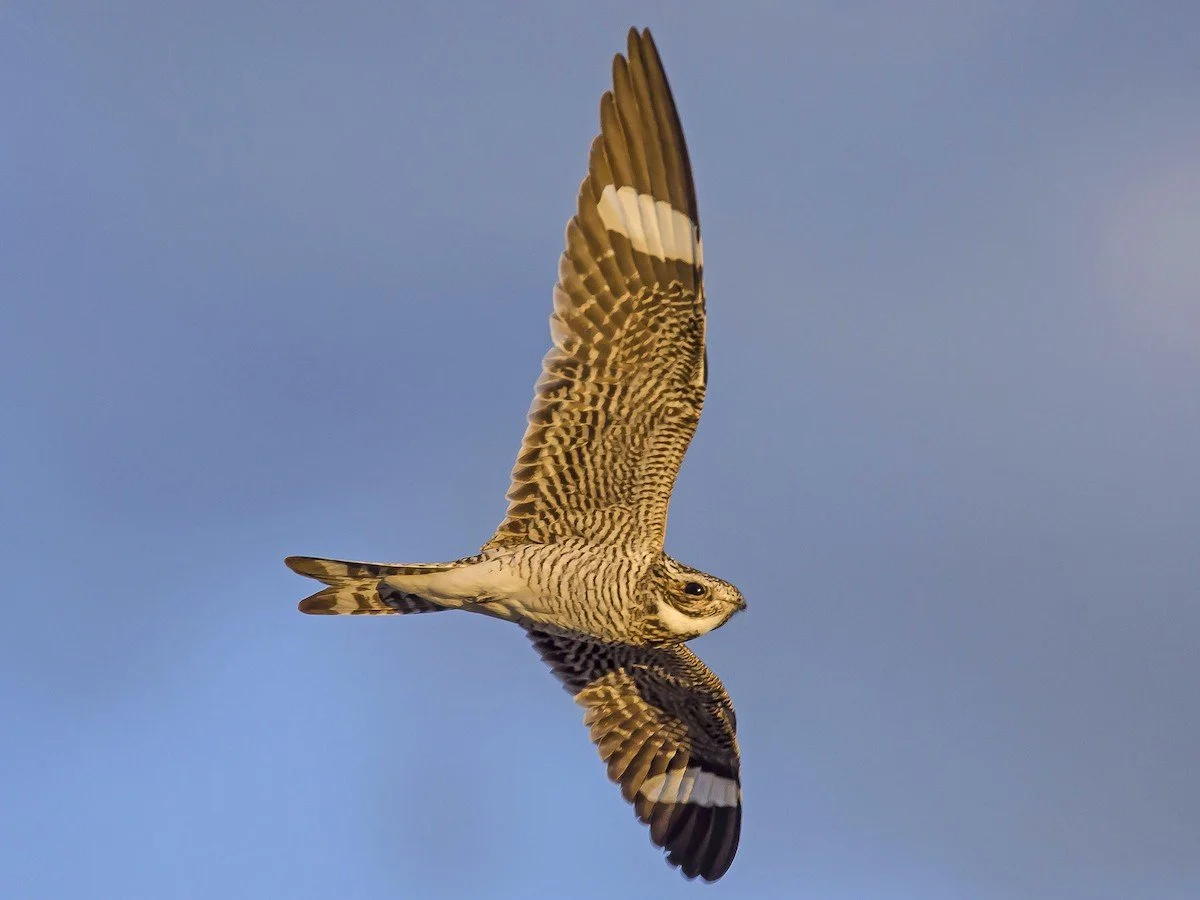
Common NIghthawk
Bird Code: CONI
Identify this bird by…
Coloring is gray, white, buff, and black.
Medium-sized bird with long pointed wings.
Long dark wings have a striking white blaze about two-thirds of the way out to the tip.
In flight, a V-shaped white throat patch contrasts with the rest of the bird’s molted plumage.
Look for…
Can sometimes be found on sitting on branches during the day, usually nocturnal
Listen for…
Calls: Common Nighthawks give a nasal peent or beer call while flying. When defending a nest, the female gives a hissing or throaty cluck. Courting males give a croaking auk auk auk call.
Resources:
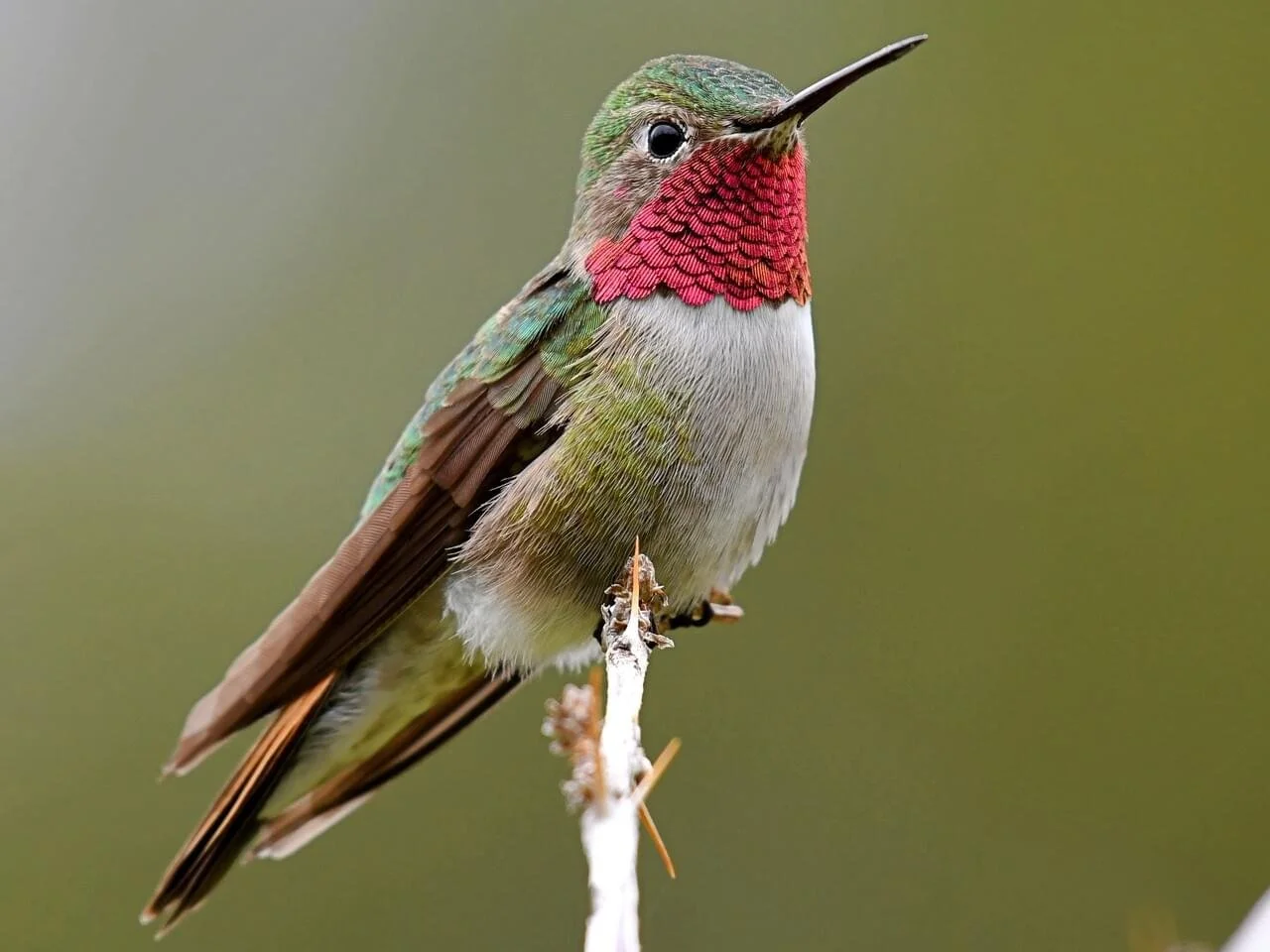
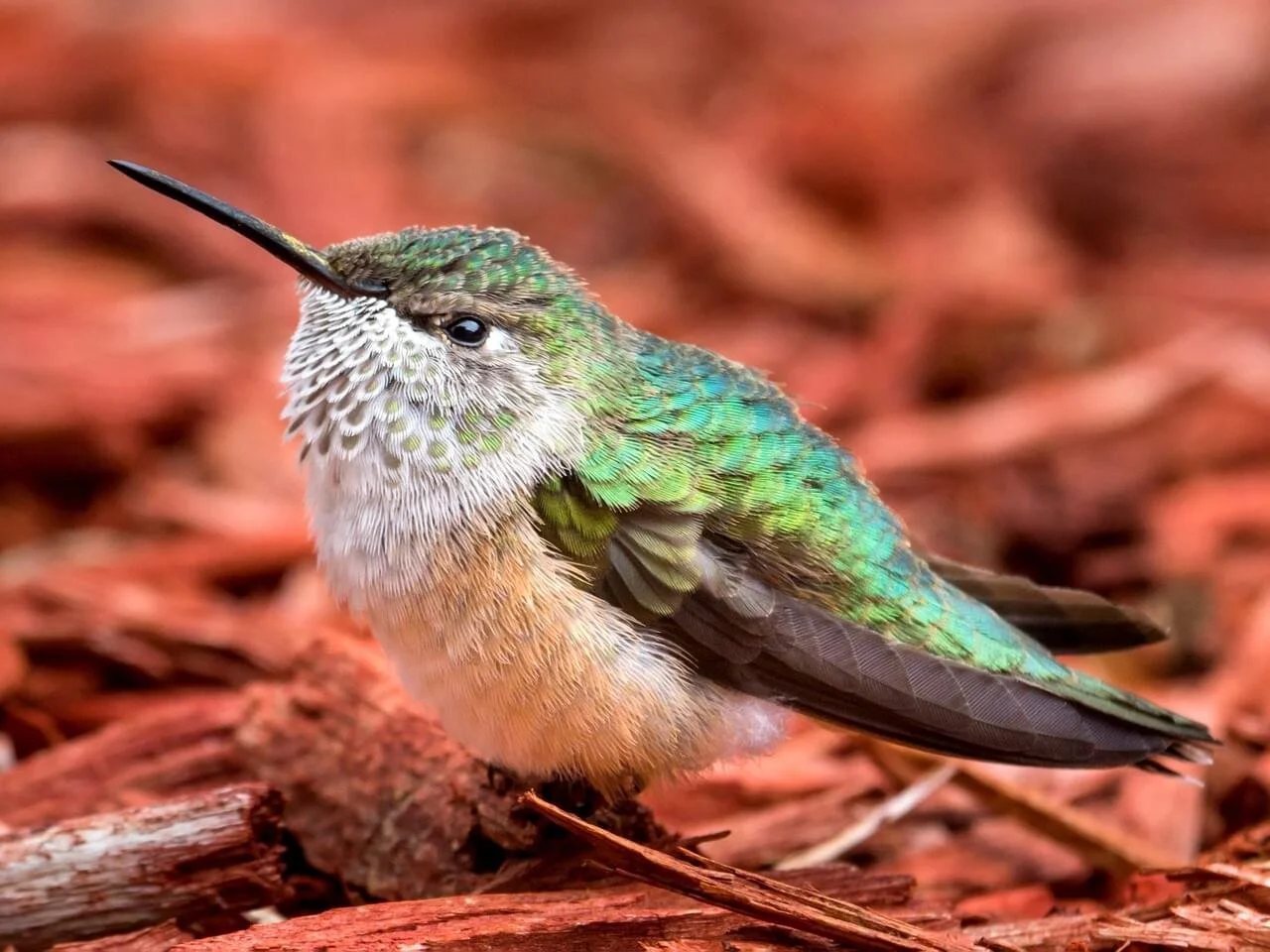
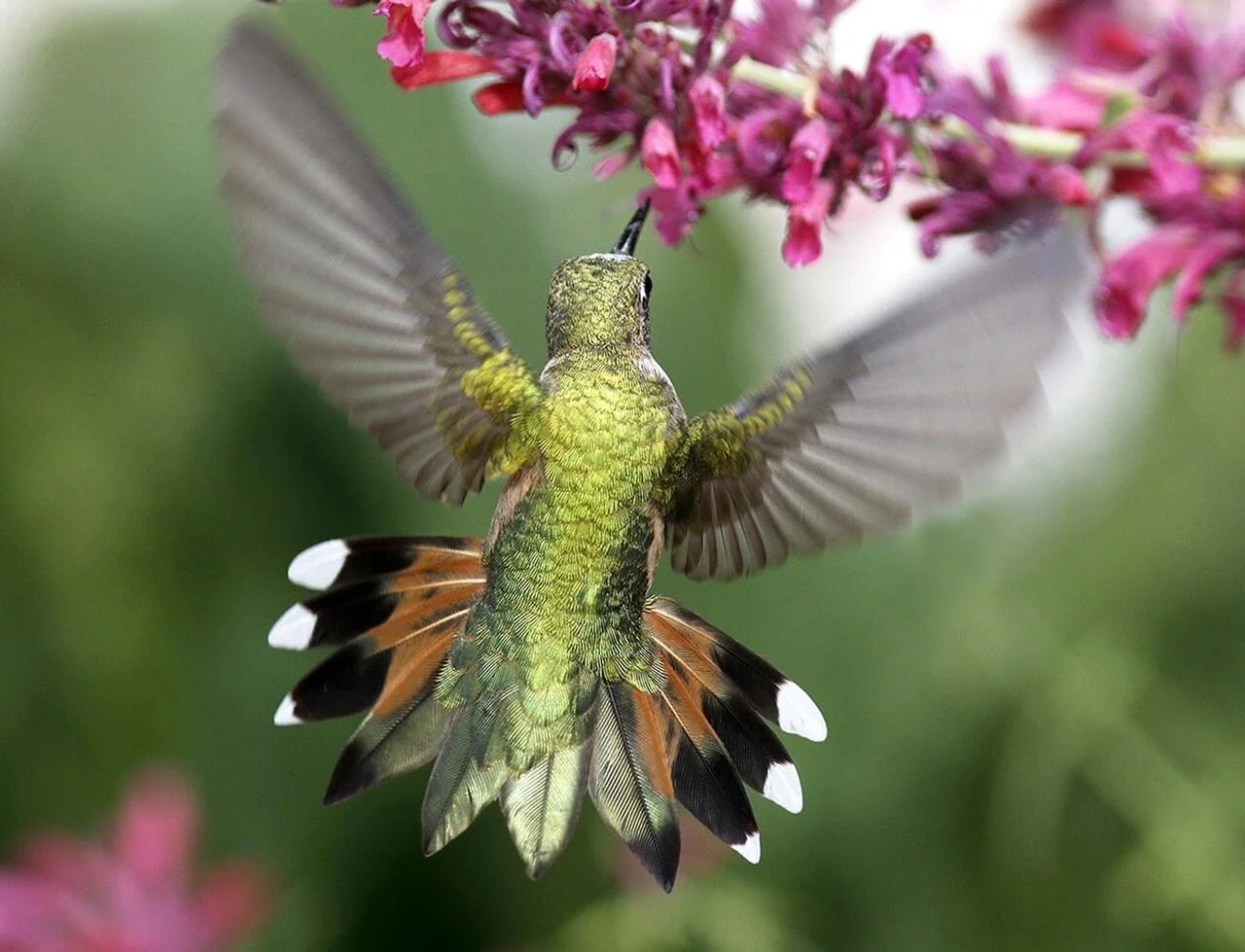
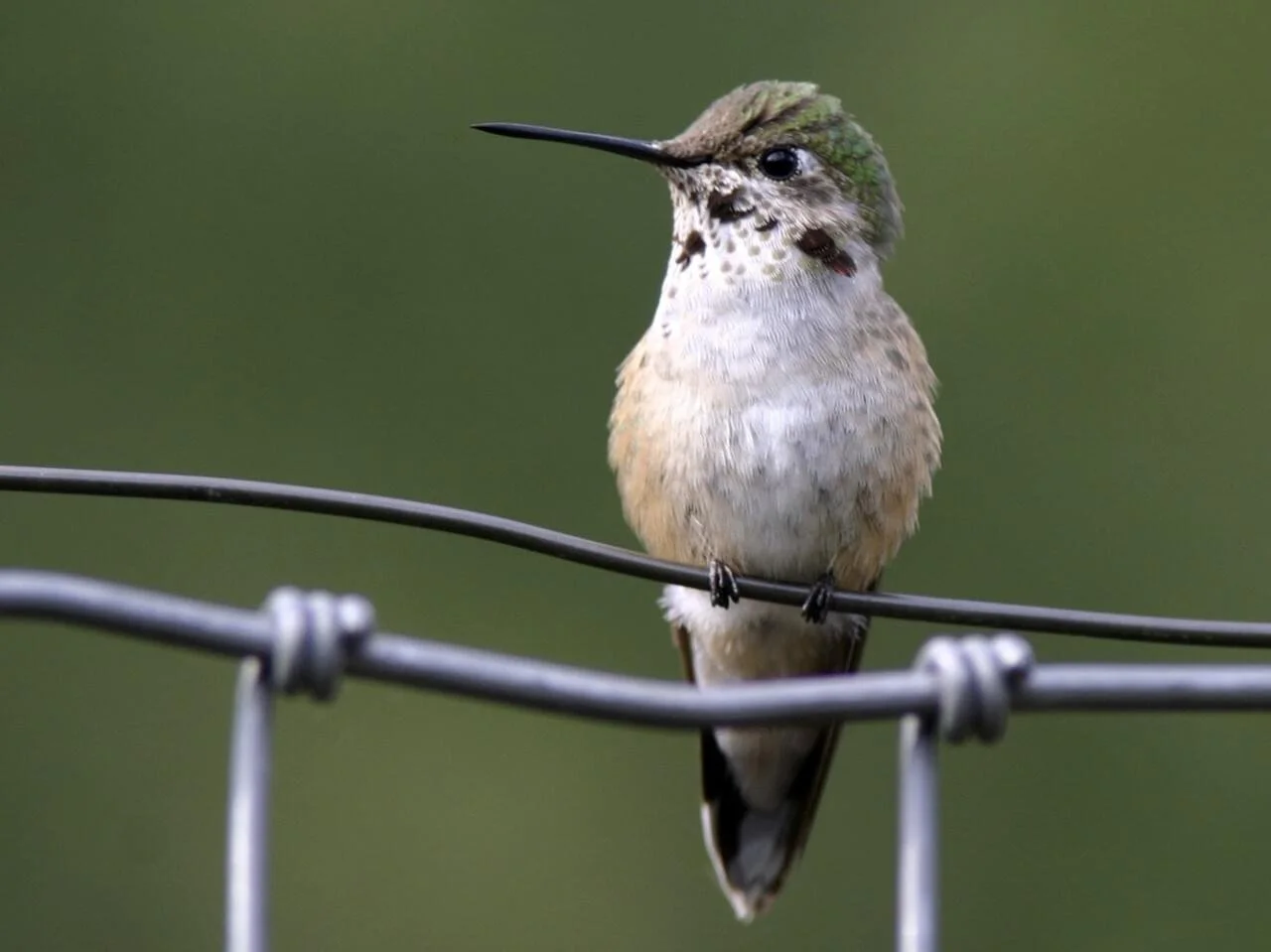
broad-tailed hummingbird
Bird Code: BTHU
Identify this bird by…
Big headed hummingbird
Long, straight bill
Tail is long for a hummingbird, extending past wingtips when perched
Iridescent green above with greenish or buffy flanks and a white chest and line down the belly
Tell it apart by…
Males: Have a rose magenta throat, white breast, and green and buffy flanks
Females & Juveniles: Have green spots on their throats and cheeks and a pale eyering. When they spread their tail in flight, they flash white tail tips
Look for…
Behavior - zips from flower to flower, hovering above flowers to drink nectar. When males are zipping around they make a loud metallic-sounding trill with their wings
Listen for…
Call: A series of metallic chips and chitters, and males give a shrill buzzing trill with their wings as they fly
Resources:
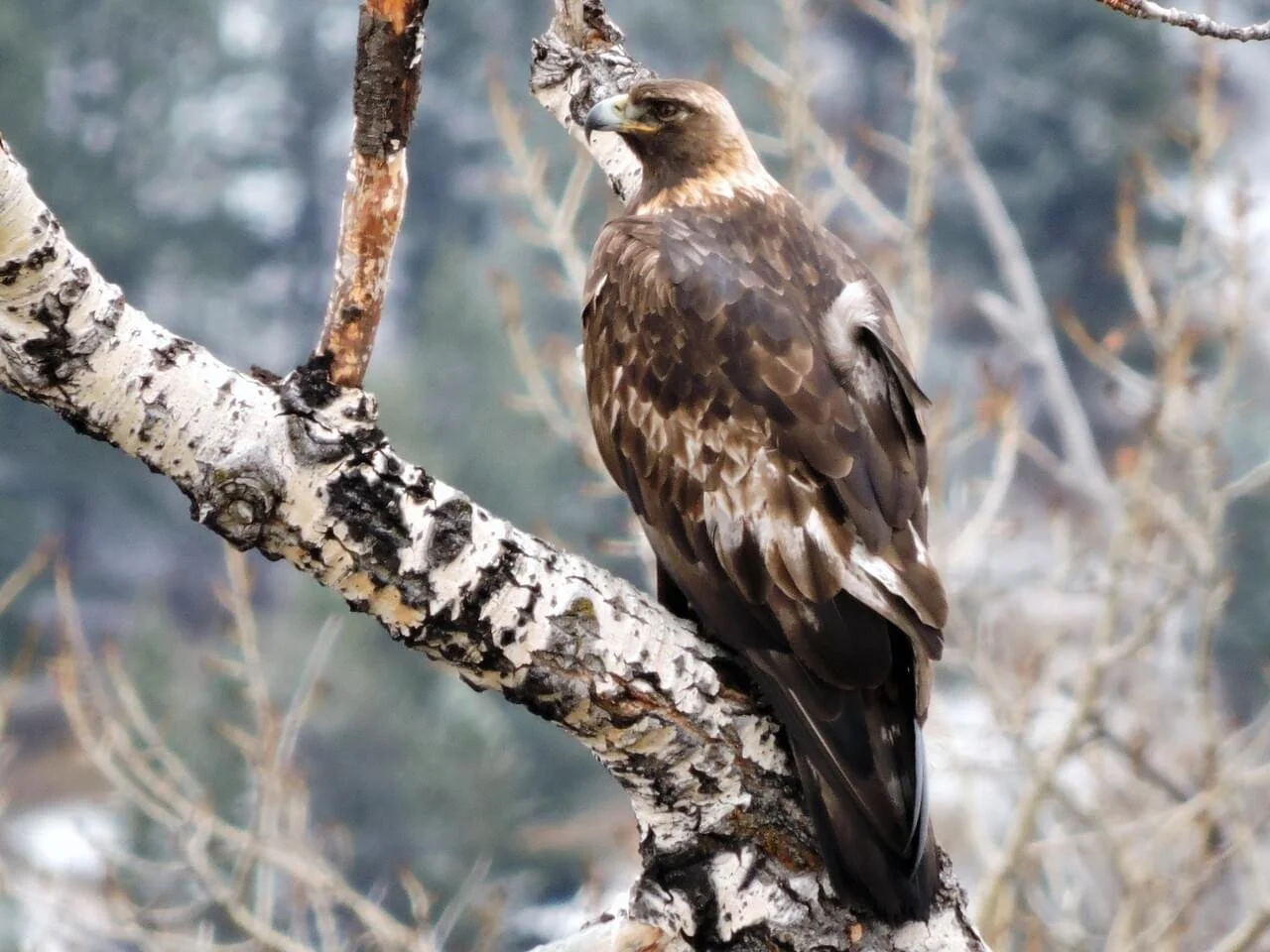
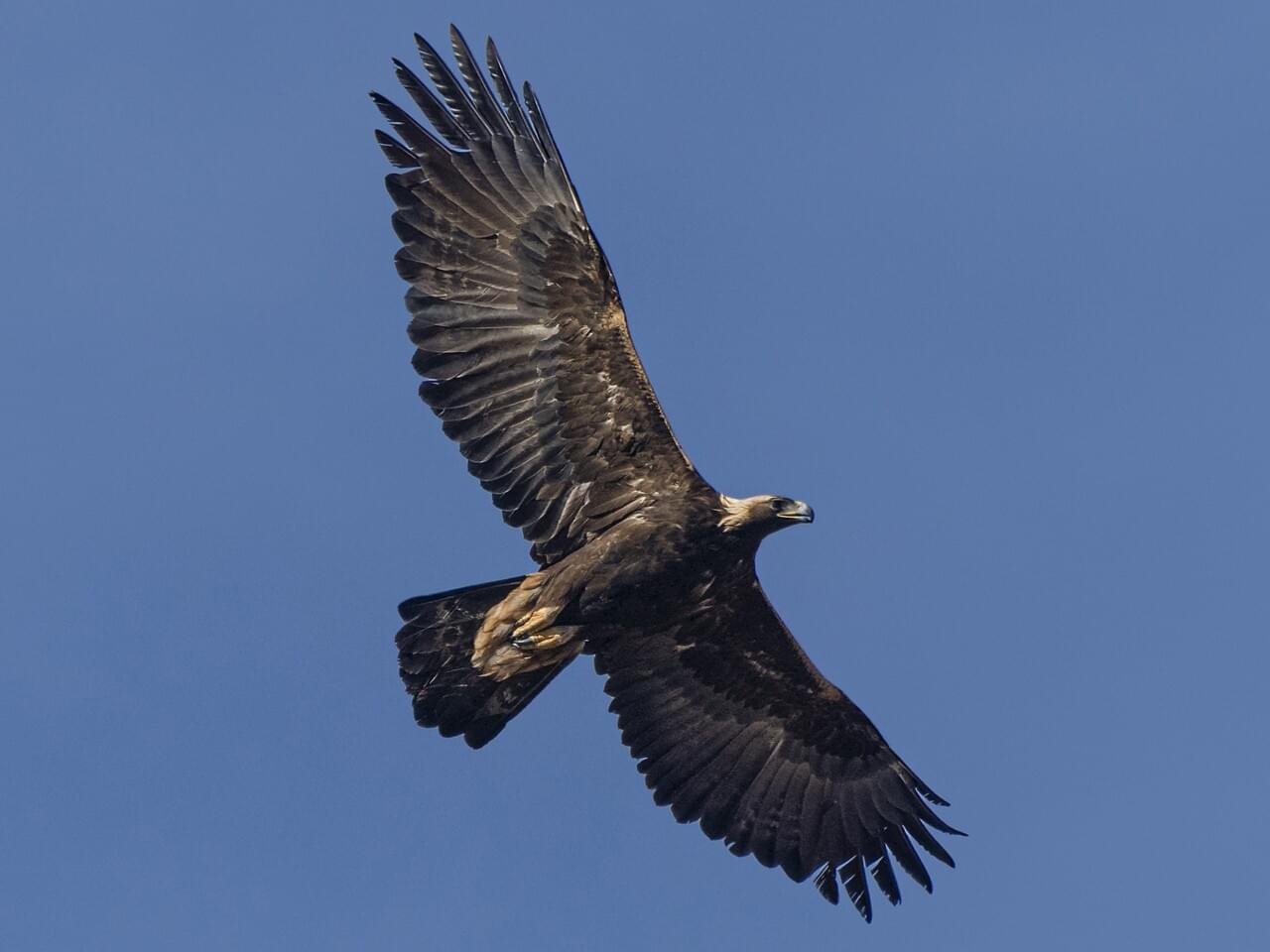
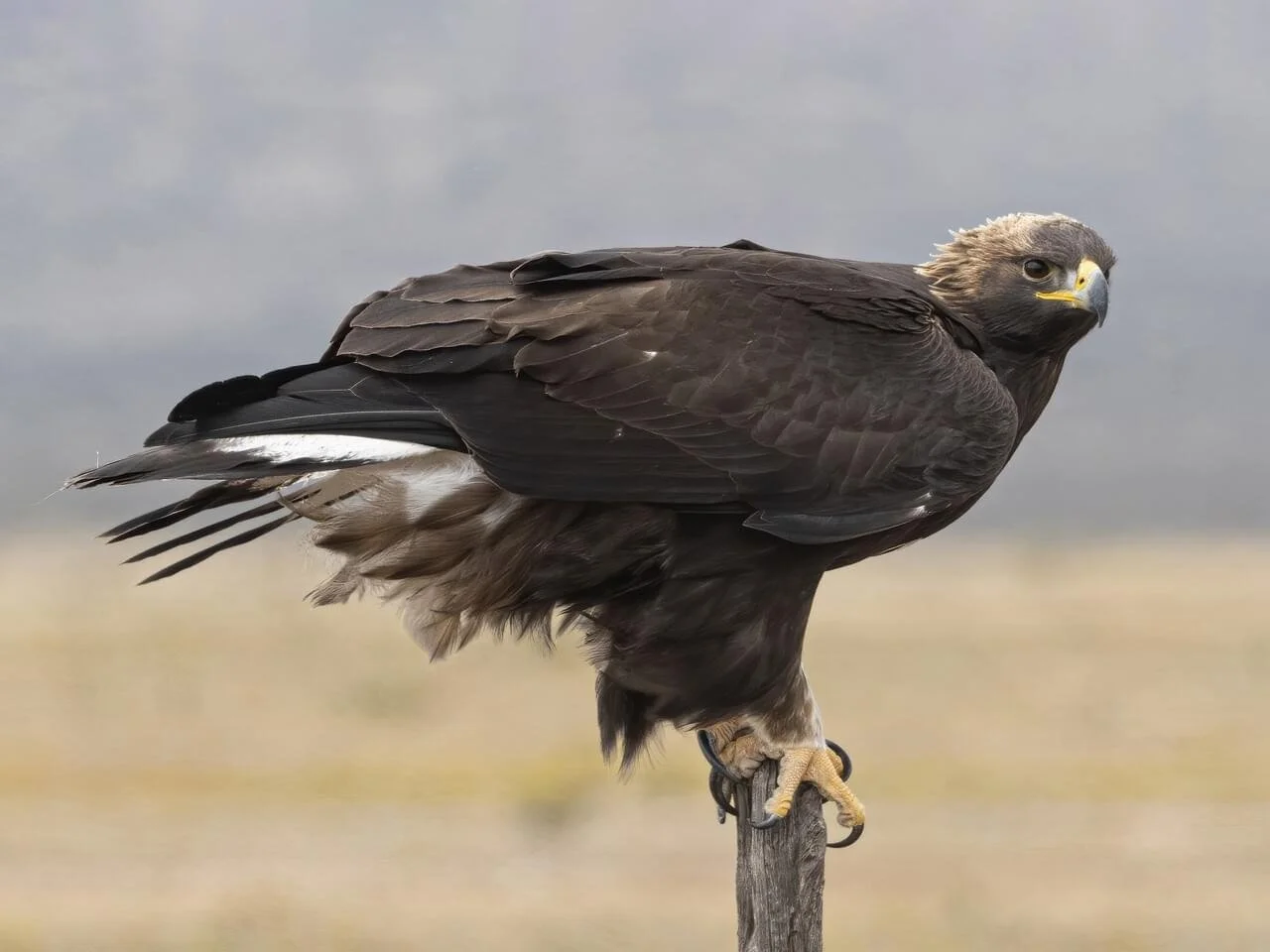
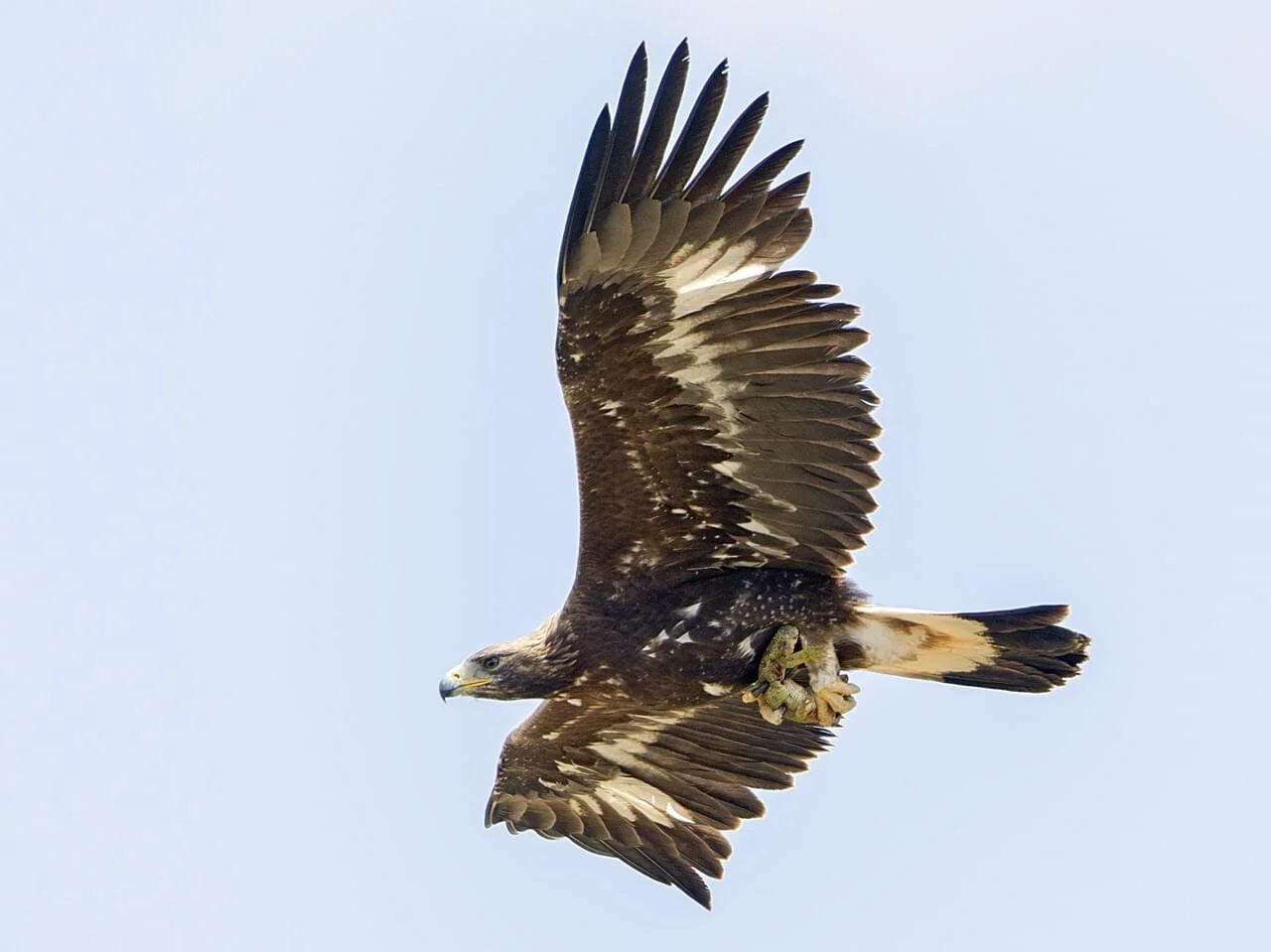
golden eagle
Bird Code: GOEA
Identify this bird by…
One of the largest birds in North America
Long wings
Golden nape can be seen from some angles
Strongly hooked bill
Tell it apart by…
Adults: dark brown with a golden sheen on the back of the head and neck
Juveniles: For their first several years of life, young birds have neatly defined white patches at the base of the tail and in the wings
Look for…
Behavior - Usually found alone or in pairs, Golden Eagles typically soar or glide with wings lifted into a slight “V” and the wingtip feathers spread like fingers
Listen for…
Call: You are much more likely to see one than hear it, but just in case: the call is high, weak, and whistled
Resources:


Northern Flicker (Red-shafted)
Bird Code: NOFL (RSFL)
Identify this bird by…
Black-and-rust striped back, and buffy belly with black spots, gray head
Undersides of the wing and tail feathers are bright yellow, for eastern birds (yellow-shafted), or red, in western birds (red-shafted)
White rump patch, seen in flight
Males have a “moustache,” females do not
A note on regional subspecies…
Birds birds in the Rocky Mountains and west, including the Colorado Plateau, have red shafts, gray faces, and red moustaches, and are considered part of the Red-shafted subspecies
Birds in the east have yellow feather shafts and underwings, beige faces, black moustaches, and red napes. This is the Yellow-shafted subspecies and is rarely observed in this region
Listen for…
Call: a high and piercing “Clear!” or “Kyeer!” Also, a quieter, rhythmic and repeated “woik-a, woik-a, woik-a”. NOFA have a territorial song, too. This is a loud, rolling rattle that lasts for 7 or 8 seconds: “wik-wik-wik-wik-wik-wik.” Long, fast, light, even drumming.
Resources:
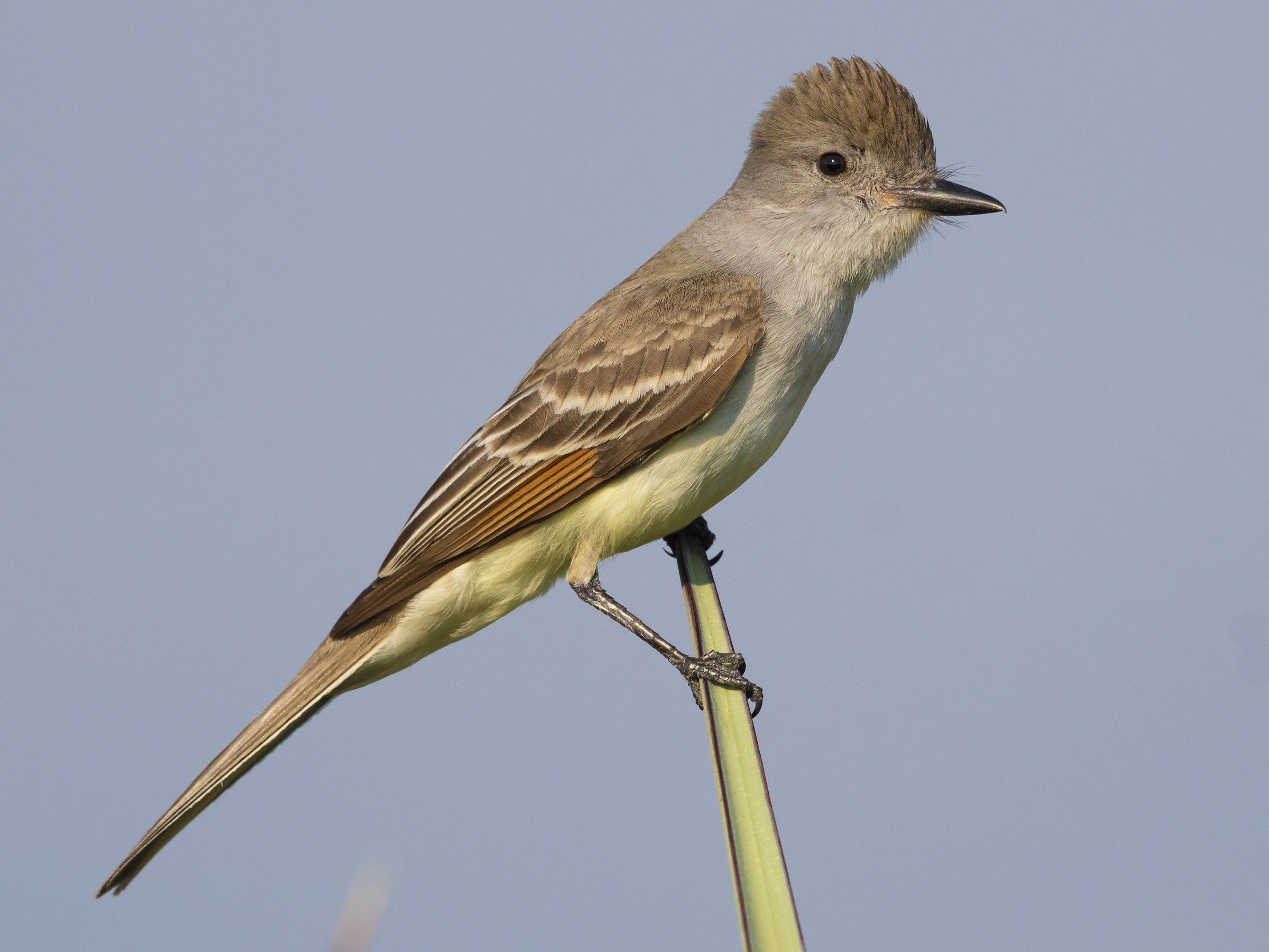
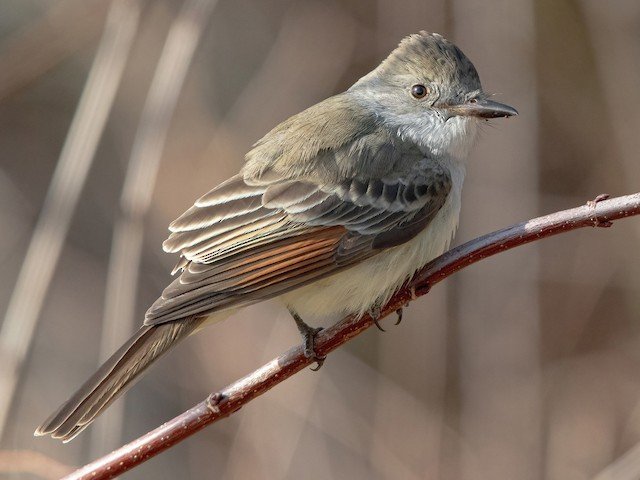
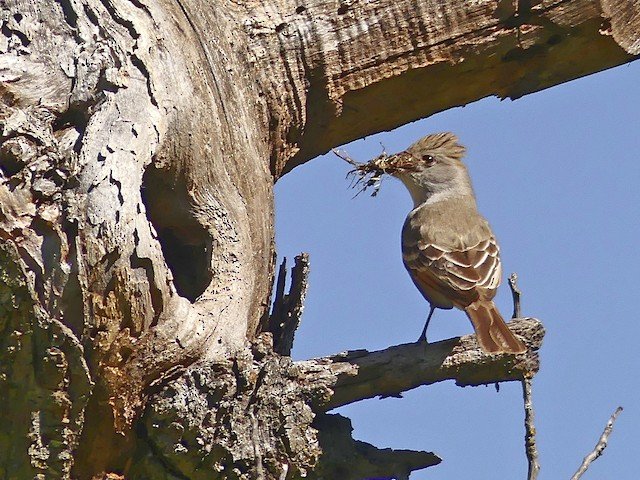
Ash-Throated Flycatcher
Bird Code: ATFL
Identify this bird by…
Slender flycatcher with long tail and peaked crown
Pale yellow belly, gray face and crest, white throat, brown back, tail, and wings with some cinnamon
Overall pale appearance compared to other Myiarchus flycatchers, but confirm audibly
Listen for…
Song: Descending “Ka-brick” or “ha-wheer” slurred notes interspersed with rising notes, sung repeatedly
Call: Listen for low, rough class and flat “pip”.
Resources:
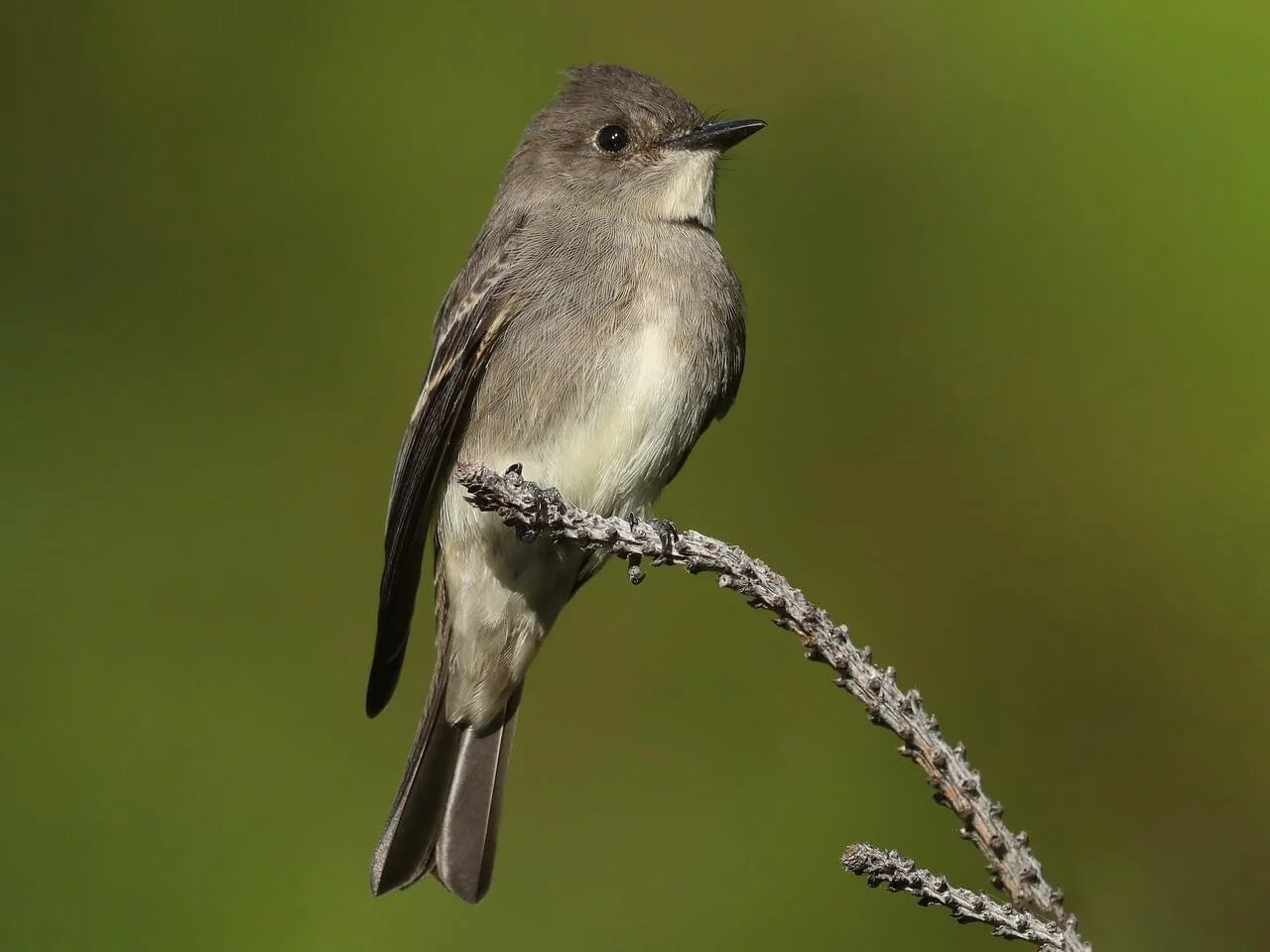
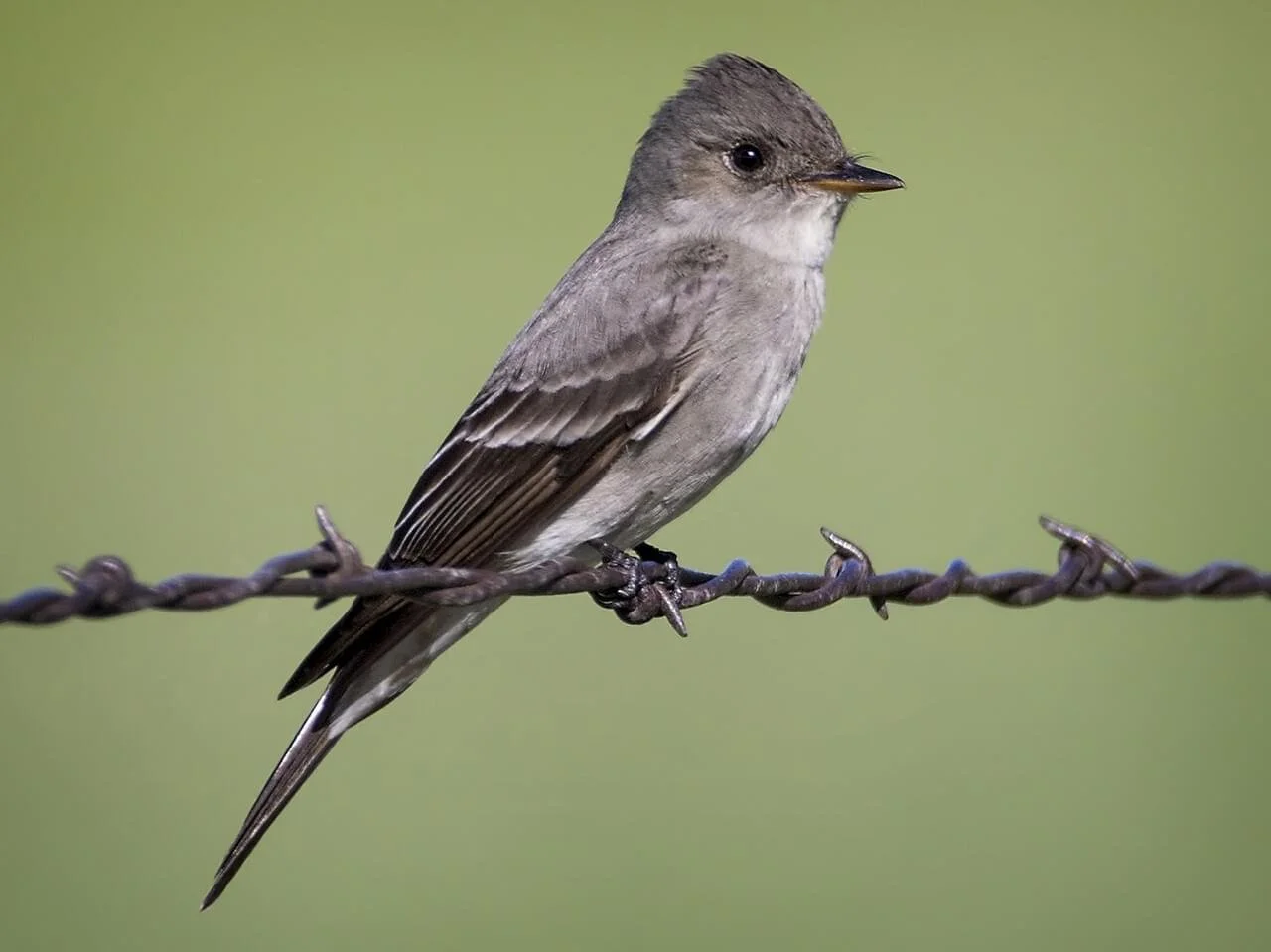
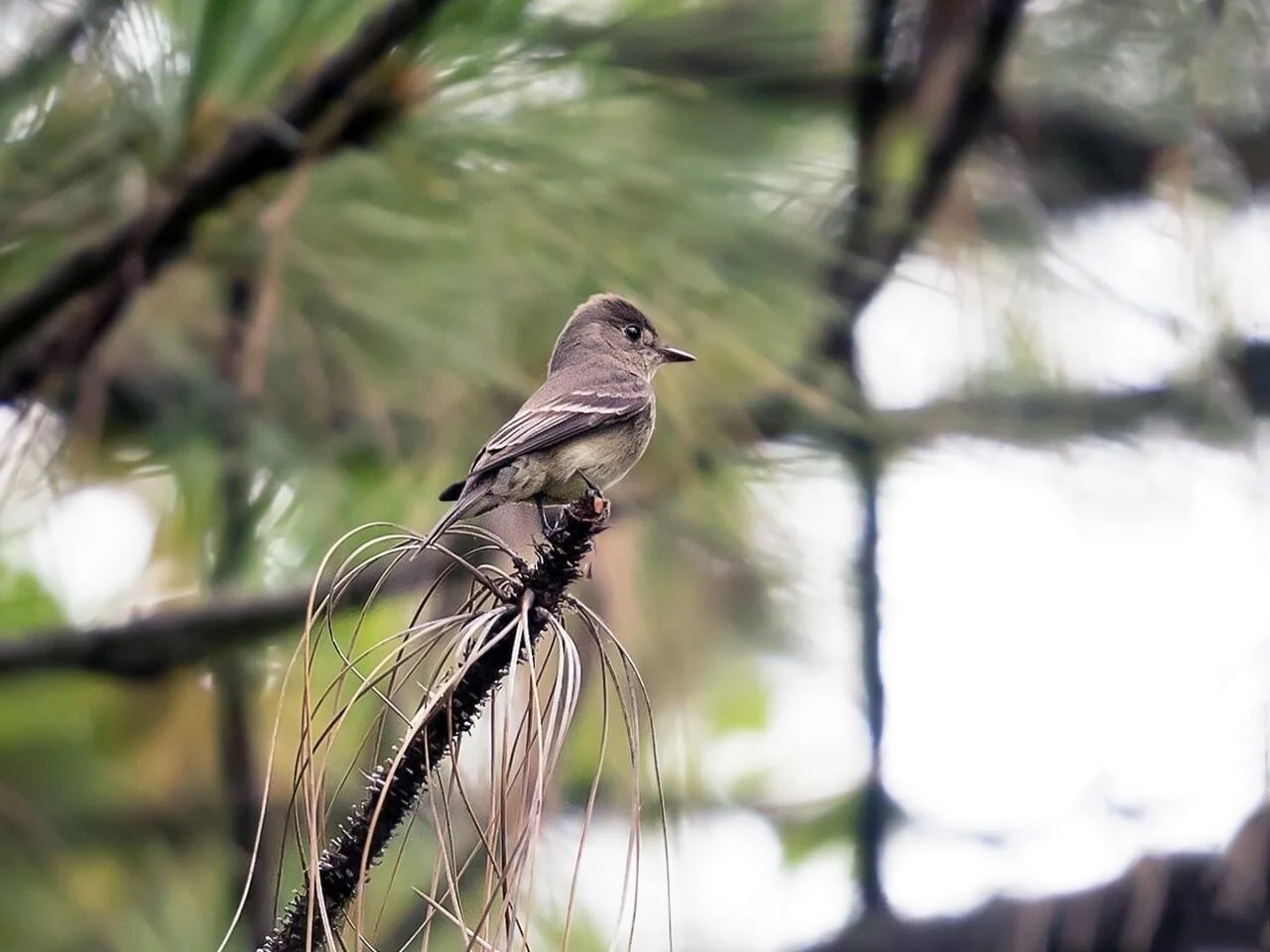
Western Wood-Pewee
Bird Code: WEWP
Identify this bird by…
Medium sized flycatcher with a peaked crown gives their head a triangular shape and long wings
Grayish brown overall with 2 pale wingbars
Underparts are whitish with smudgy gray on the breast and sides (looks like they’re wearing a vest)
Tell it apart by…
Face is darkish gray with almost no eyering
Bill is mostly dark with yellow at the base of the lower mandible
Look for…
Behavior - Often perches upright in the canopy and repeatedly returns to the same nearby perch
Listen for…
Song: A raspy, downward “pee-wee” Sometimes the dawn song will have a few notes that lead up to the pewee phrase
Call: A burry bzew
Resources:
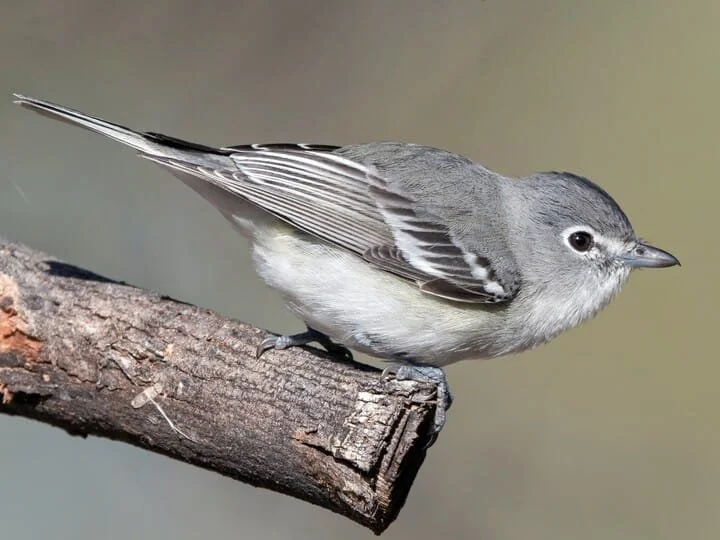
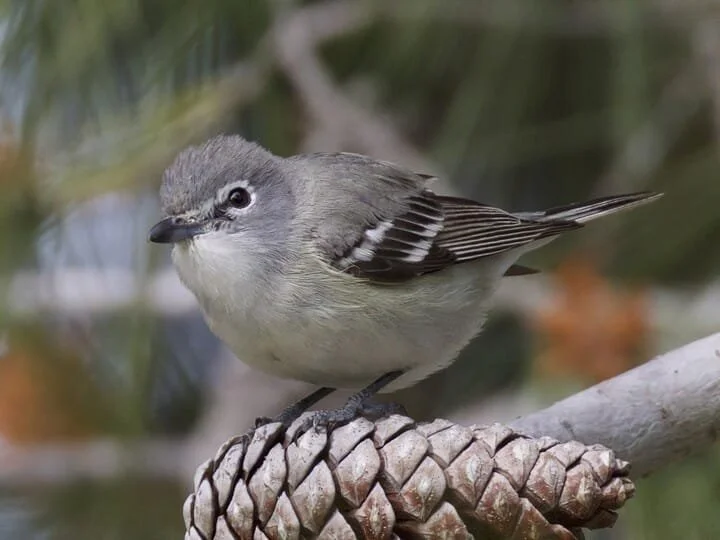
Plumbeous Vireo
Bird Code: PLVI
Identify this bird by…
Small, thick-billed drab songbird
Drab dark gray vireo with bold white spectacles, white wing bars, and white belly
Males and females look alike
Look for…
Slower movements than other small songbirds
Listen for…
Songs: A burry song of ascending and descending phrases that can be rendered as chree ch-richi-roo, but with much variation in phrases.
Calls: Harsh, raspy, and almost grating alarm calls (cha-cha-cha-cha) that vary in intensity and duration.
Resources:
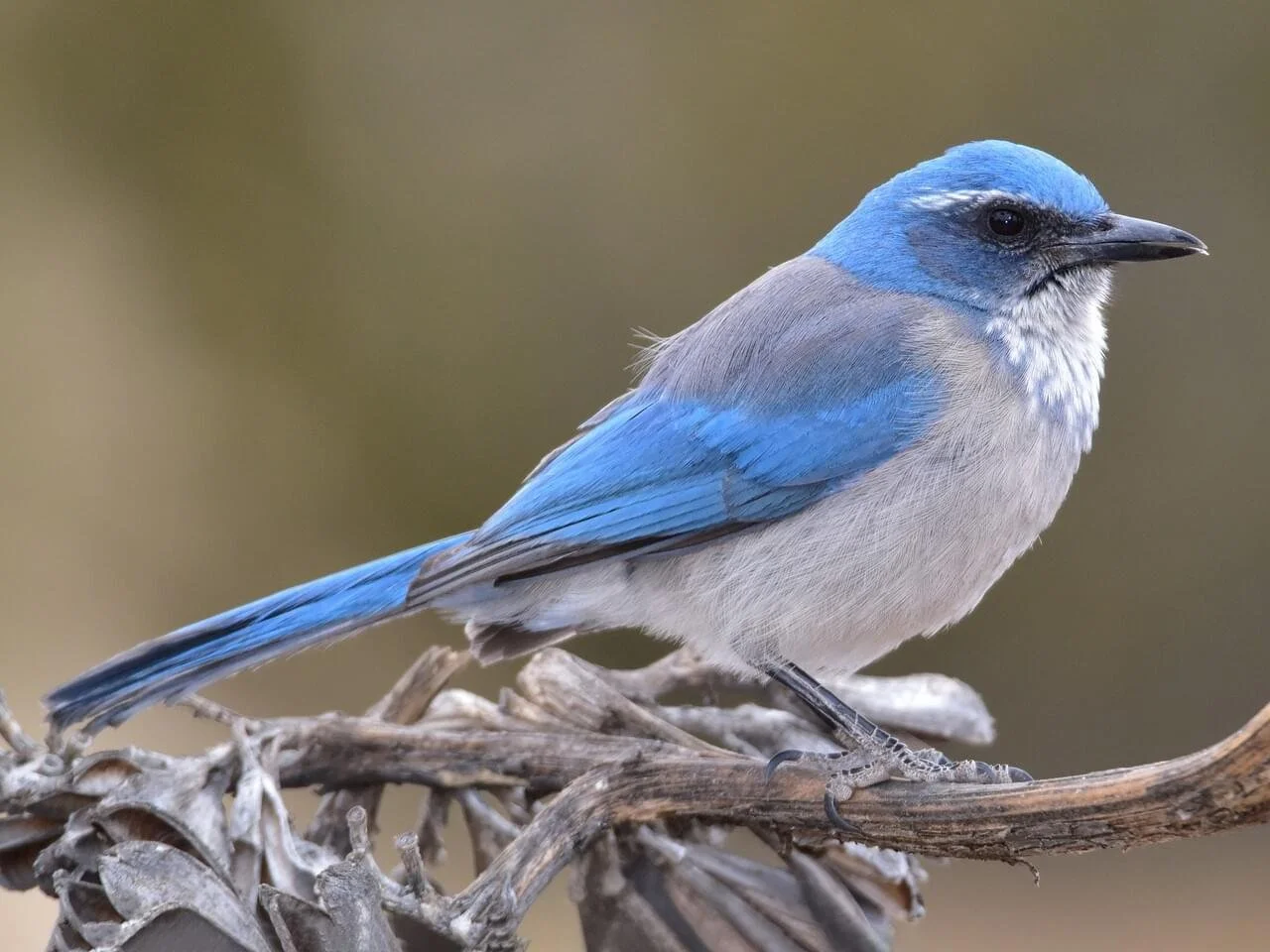
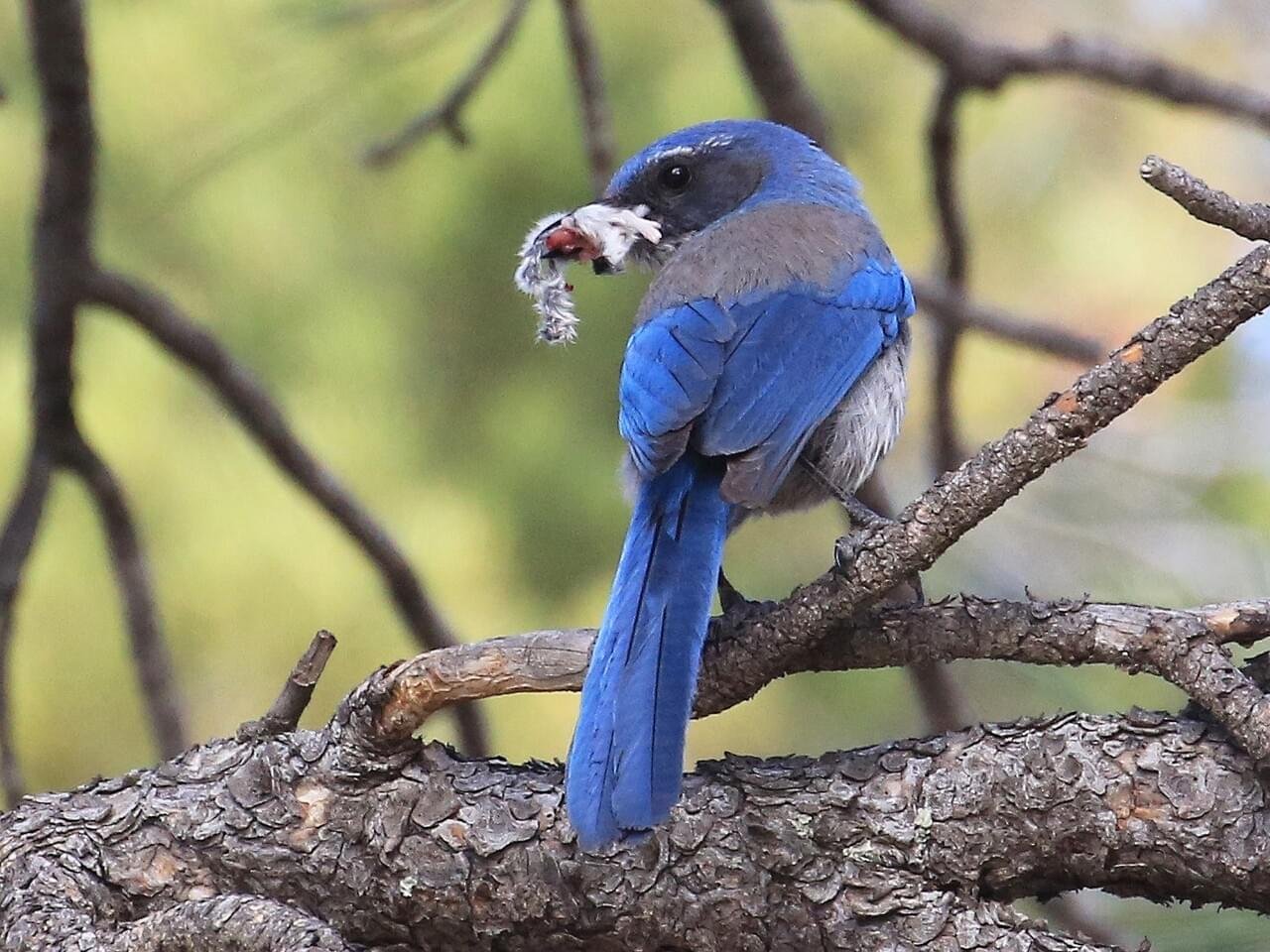
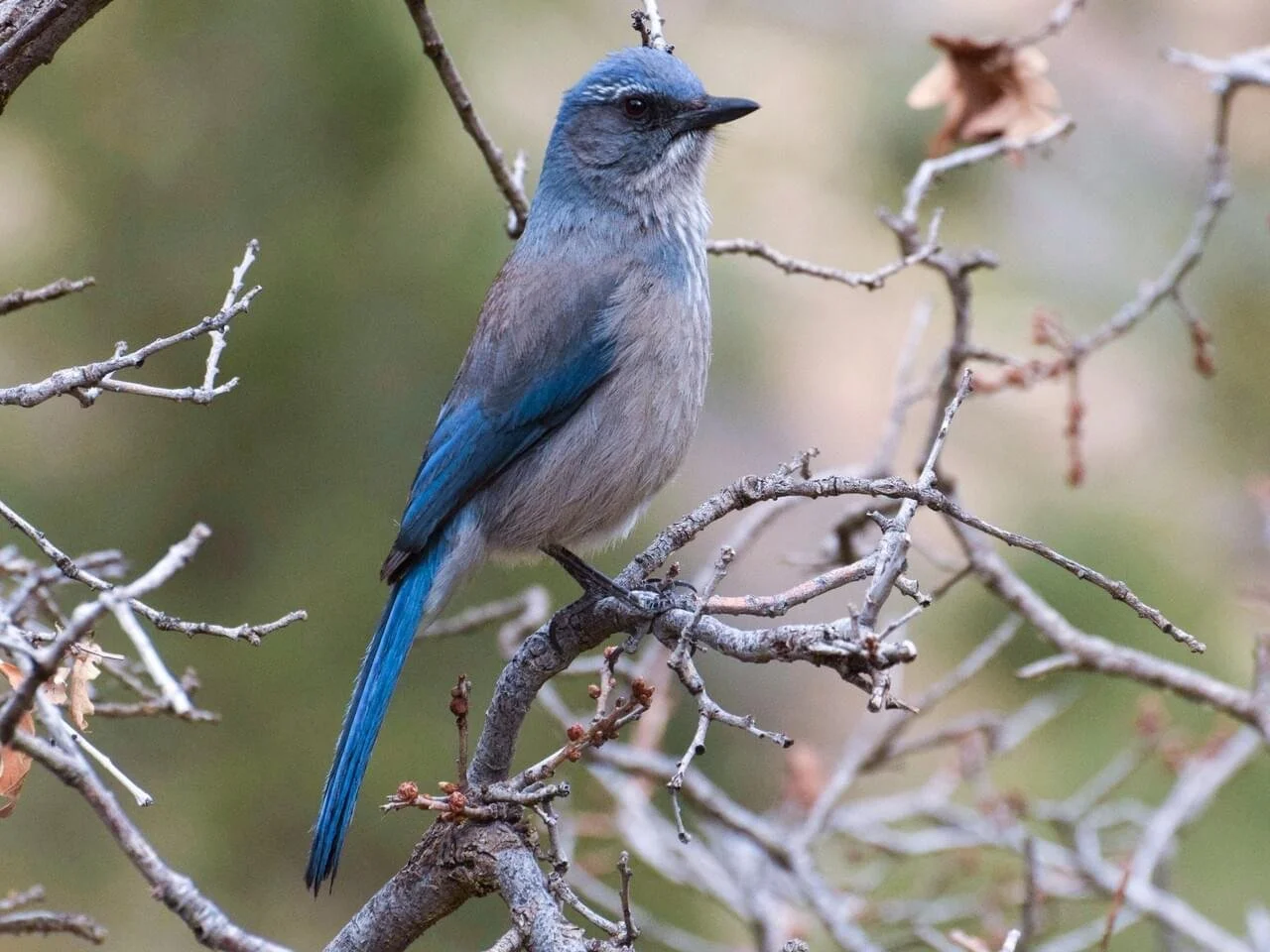
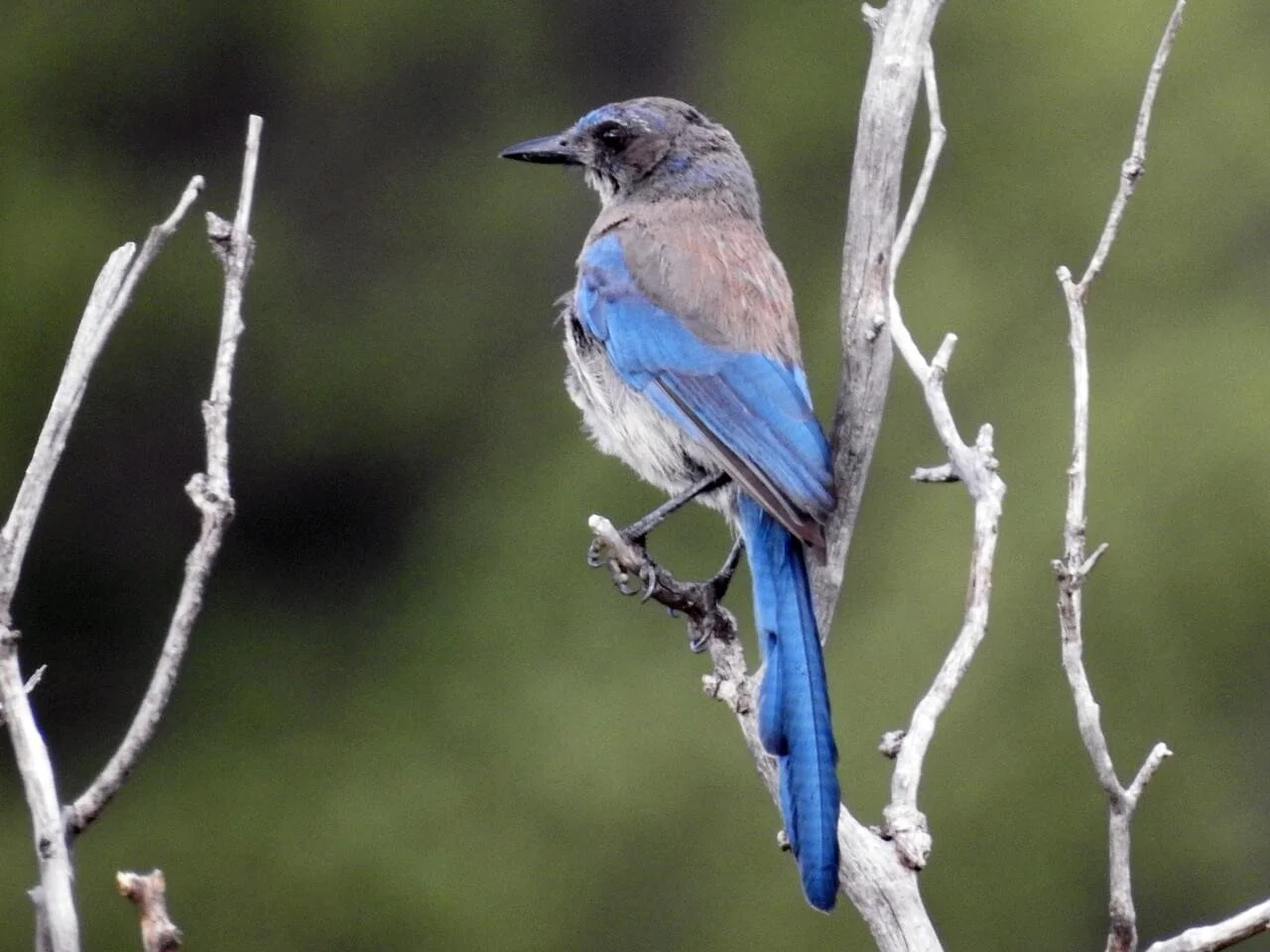
Woodhouse’s scrub-jay
Bird Code: WOSJ
Identify this bird by…
Large songbird with long body, long tail, round head, and a hunched over posture
Light blue and gray above, with a whitish throat and grayish belly and dark grey triangle on back
Look for …
Blue depends on lighting, can look simply dark
Behavior - Perch high in trees, on wires, or on posts where they act as lookouts; very vocal
Listen for…
Calls: Very vocal; have more than 20 separate types of calls. Examples include a weep uttered during flight; a bell-like shlenk used antagonistically; and loud, rasping scolds for mobbing predators.
Resources:


Common raven
Bird Code: CORA
Identify this bird by…
Large, glossy-black bird with a wedge-shaped tail.
Larger than a crow with a longer, thicker bill.
Distinctive shape in flight, with rather long, swept-back wings and long tail.
Note smoother, steadier wingbeats compared with faster, choppier wingbeats of crows.
Listen for…
Common Ravens make many different kinds of calls varying from a low, gurgling croak to harsh grating sounds and shrill alarm calls. The most commonly heard is the classic gurgling croak, rising in pitch and seeming to come from the back of the throat. Calls: Caw Caw
Resources:
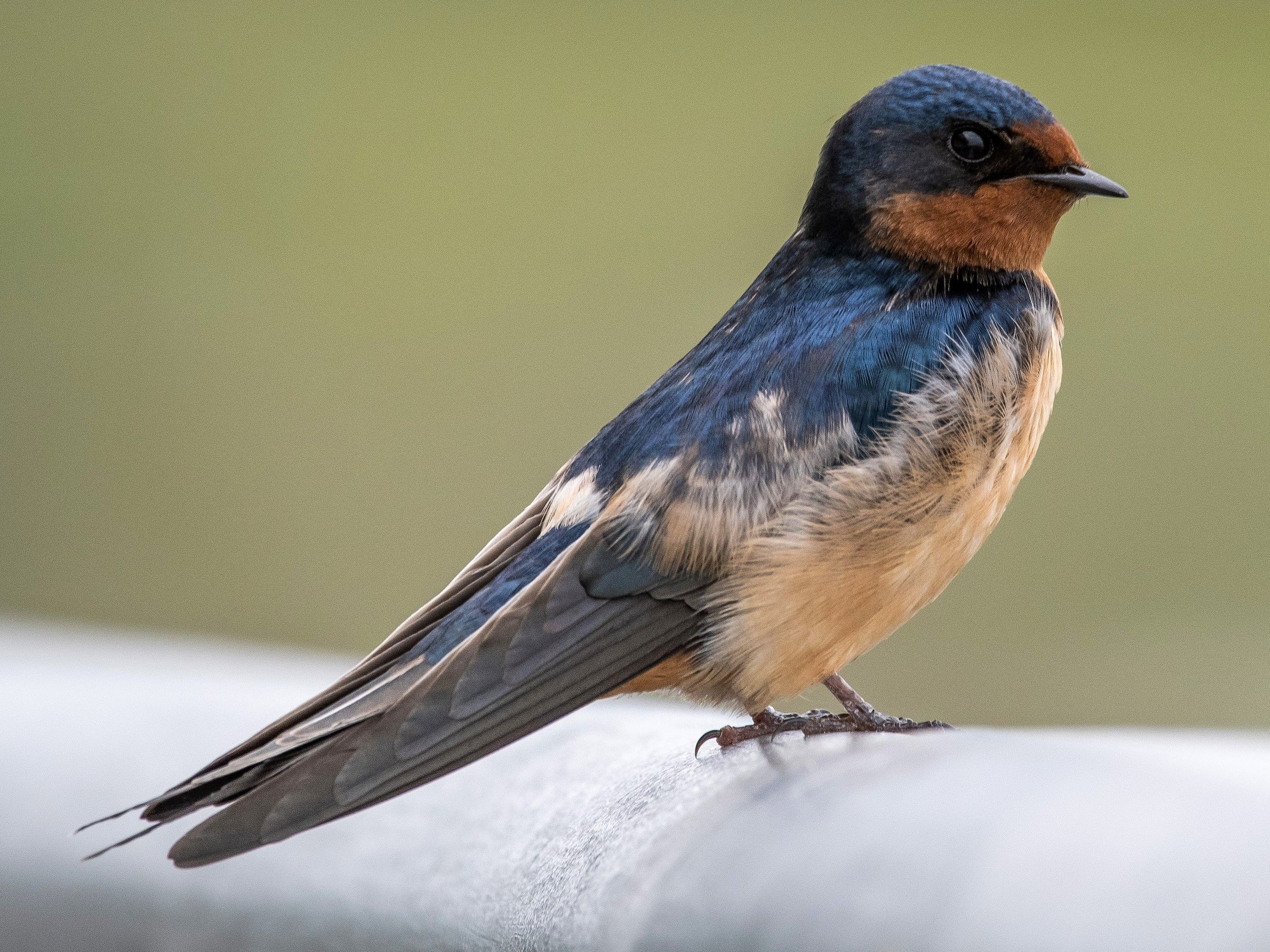
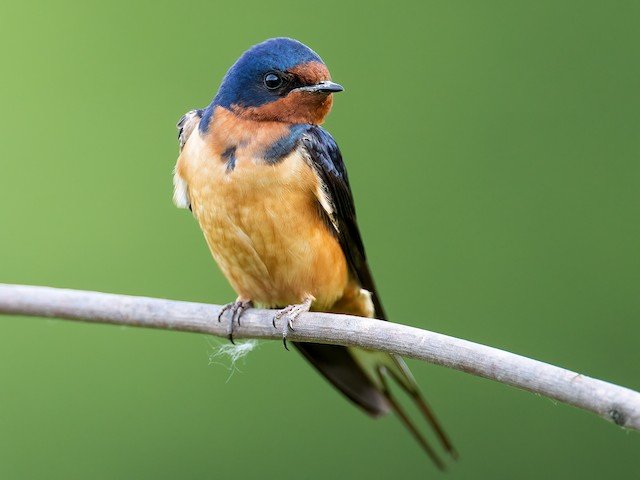
Barn Swallow
Bird Code: BARS
Identify this bird by…
Fairly large, colorful swallow.
Usually easy to identify with its long, forked tail and dark rump.
Iridescent navy-blue above with a rich orange throat and forehead.
Underparts vary across the range, from bright buffy-orange to whitish.
Listen for…
Call: Give a cheep call when threatened
Song: Sing a “twitter-warble” song followed by a dozen rapid, mechanical-sounding whirrs. Lasts 4-20 seconds.
Resources:
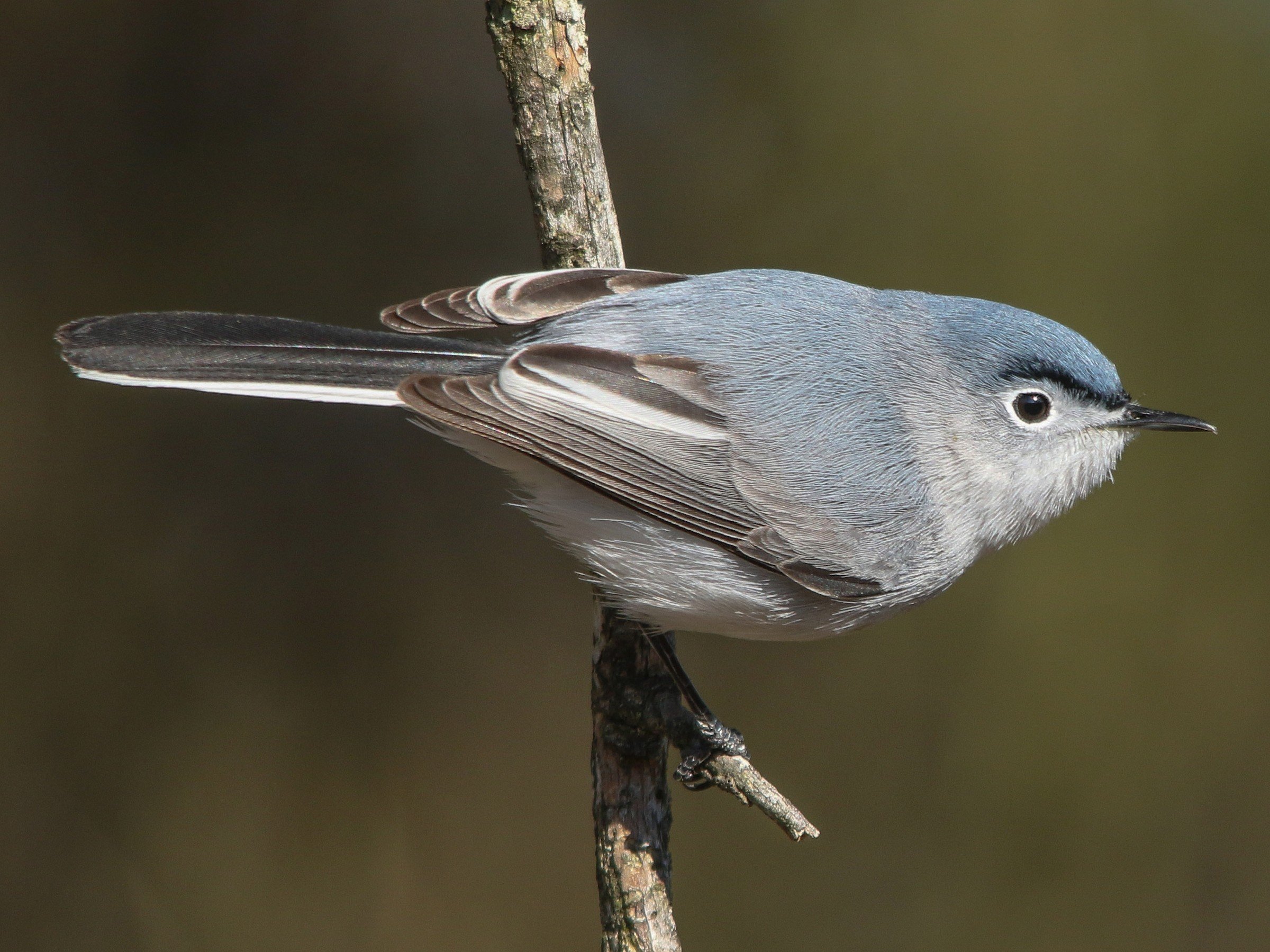
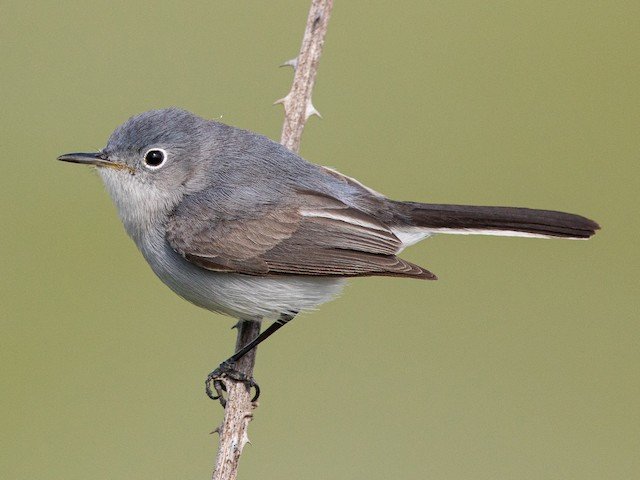
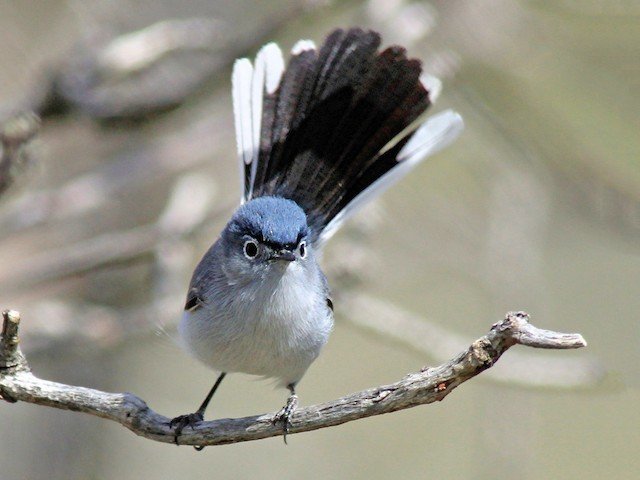
Blue-Grey Gnatcatcher
Bird Code: BGGN
Identify this bird by…
A tiny, long-tailed, thin-billed songbird.
Soft blue-gray above and whitish below, with a thin white eyering.
Breeding males have a black band across the forehead.
Listen for…
Call: A sharp, mewing zee, or chary contact call is uttered in bursts of 2 to 6 notes about a second apart.
Song: Continuous jumbles of sharp chips, high-pitched whistles, and mewing notes are around 10 seconds long, often including mimicked parts from other species.
Resources:
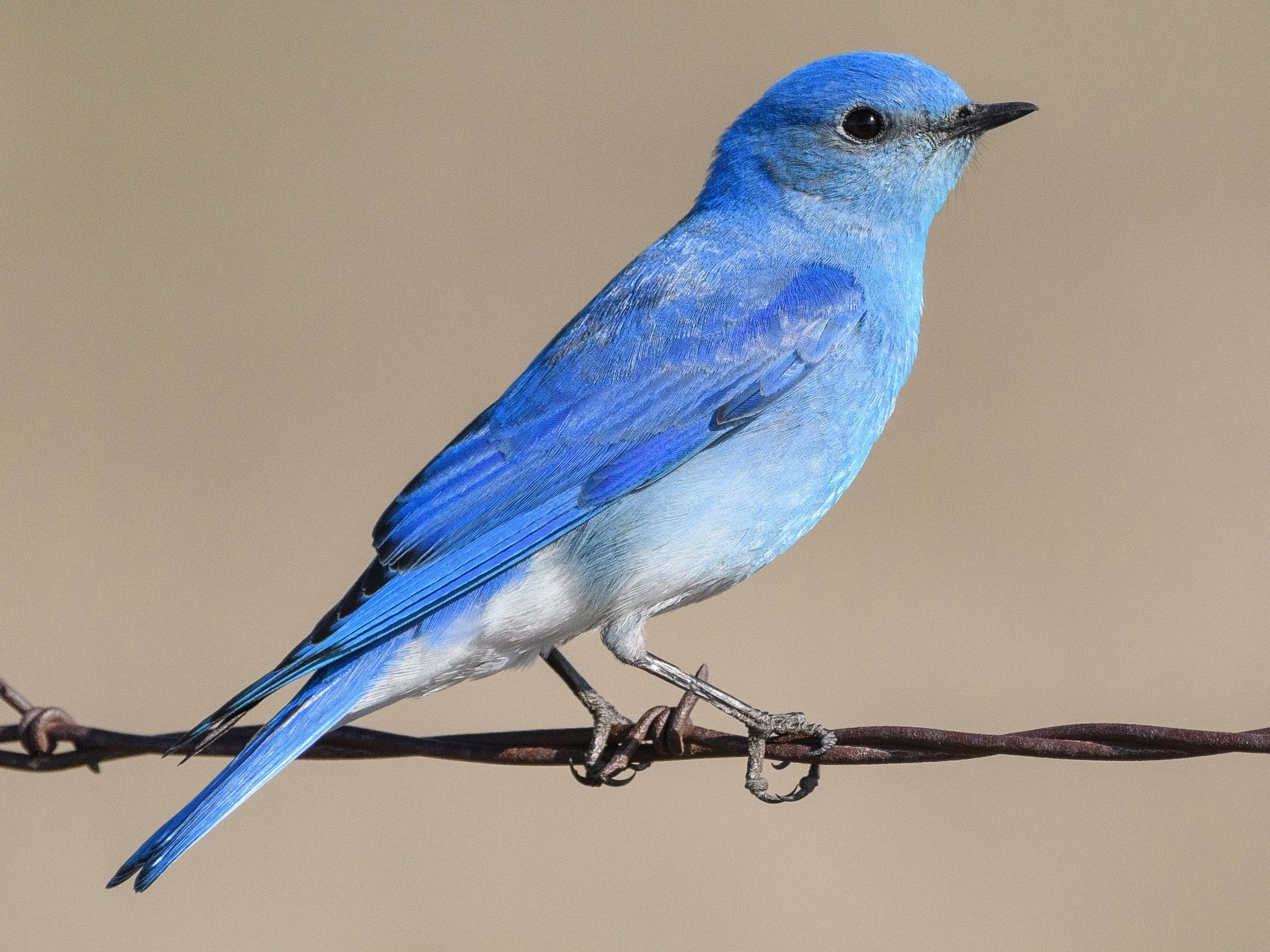
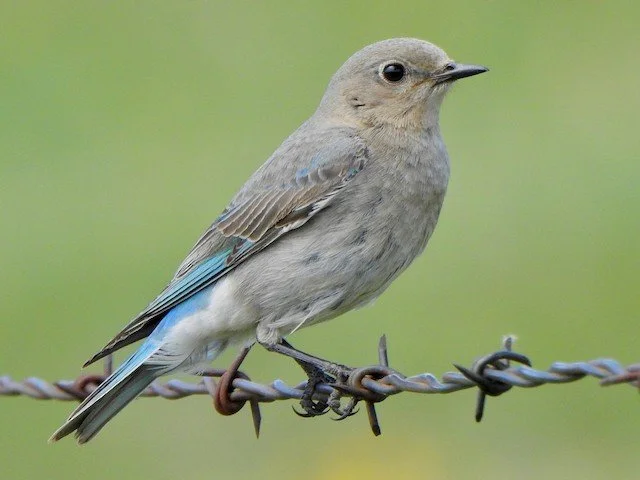

Mountain Bluebird
Bird Code: MOBL
Identify this bird by…
Males are completely electric turquoise blue with a limited white belly.
Females are gray with blue wings and tail; some can show a rufous wash on the breast.
A thin bill and even longer wings compared with other bluebirds.
Listen for…
Song: A loud, emphatic, chirruping song similar to that of the American Robin. Throughout the day, they perform a soft, repetitious warbling that can last many minutes.
Calls: A soft, nasal, non-musical “tew” or “peu” note, and a high-pitched “tink” to communicate alarm.
Resources:
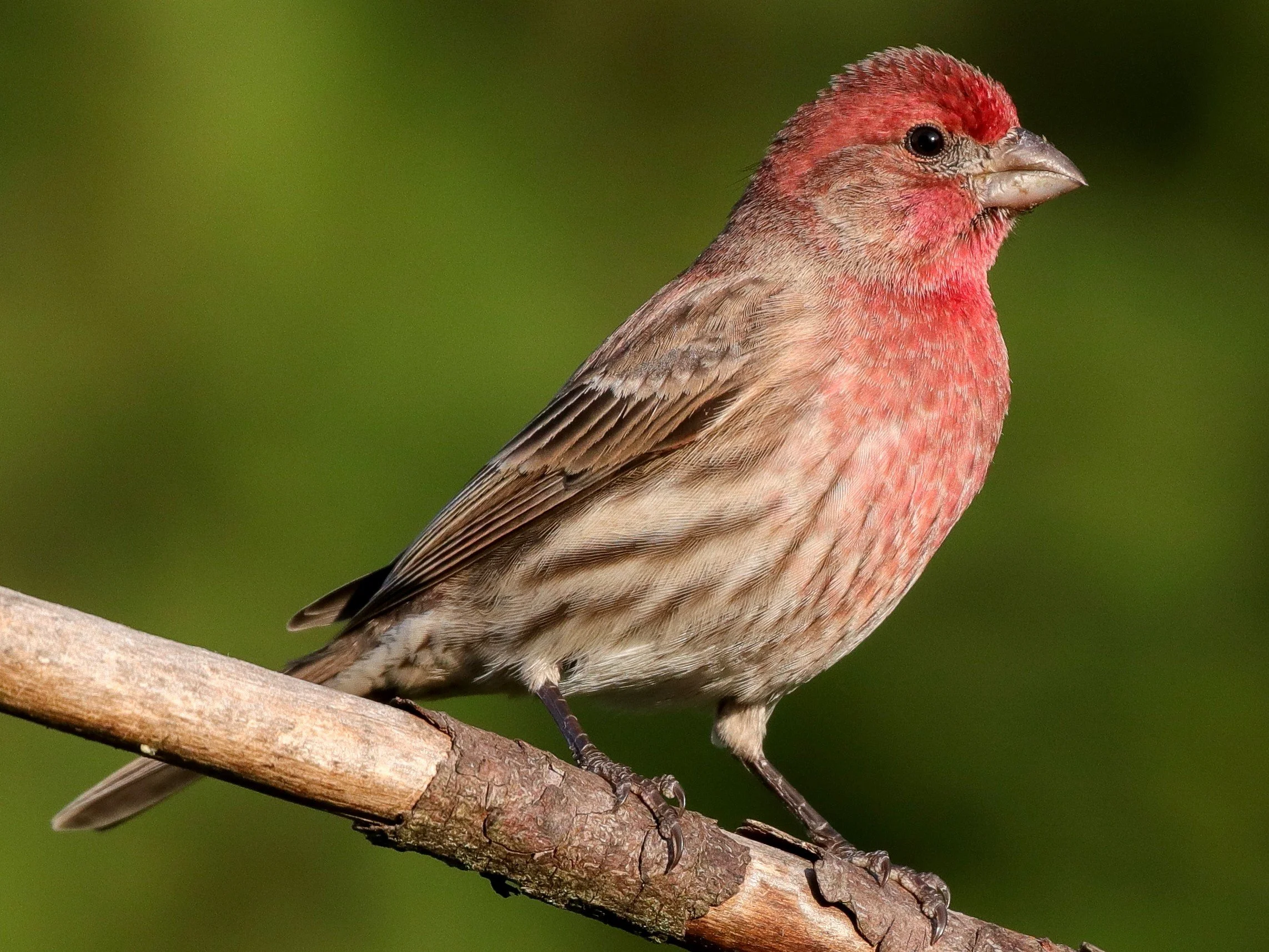

HOuse Finch
Bird Code: HOFI
Identify this bird by…
Small finch with a conical seed-eating bill
Shallow notched tail
Tell males and females apart by…
Males: Rosy red around the face and upper breast, with streaky brown back, belly, and tail
Females: Not at all red, but plain grayish-brown with thick, blurry streaks and an indistinctly marked face
Interesting note…
Male house finches’ plumage coloration can vary greatly from one another. They can range from yellow to bright red depending on the amount of carotenoid-rich foods they eat!
Listen for…
Song: A long, jumbled warbling composed of short notes. The song often ends with an upward or downward slur and lasts about 3 seconds. The phrasing is similar to an American Robin, but is quicker and more excited
Call: Their characteristic call sounds like the squeak of shoes on the gym floor
Resources:
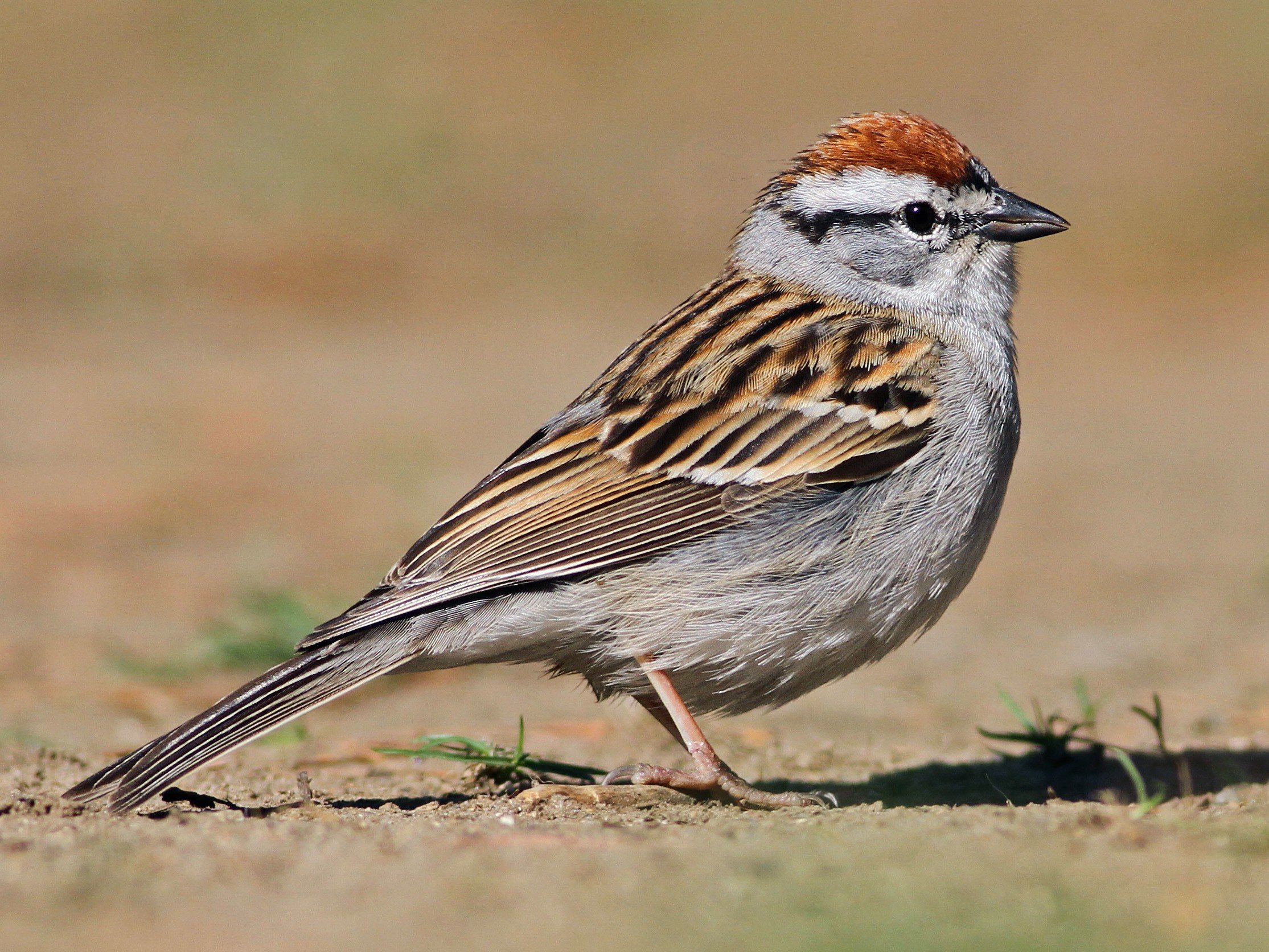


CHIPPING SPARROW
Bird Code: CHSP
Identify this bird by…
Bright, rusty crown and black eyeline
Unstreaked grayish belly. Gray rump visible in flight
Immature individuals have brown streaked crown and buffy gray underparts with thin streaks
Males and females look the same (not dimorphic)
Look for…
Behavior - feed on the ground, take cover in shrubs, and sing from the tops of small trees
Listen for…
Song: Male Chipping Sparrows sing a long, dry trill of evenly spaced, almost mechanical-sounding chips – but be careful, because Dark-eyed Juncos sound very similar (though a bit more musical) and often live in the same habitats.
Call: Both sexes use a single chip note to stay in contact with others
Resources:
Song Sparrow
Bird Code: SOSP
Identify this bird by…
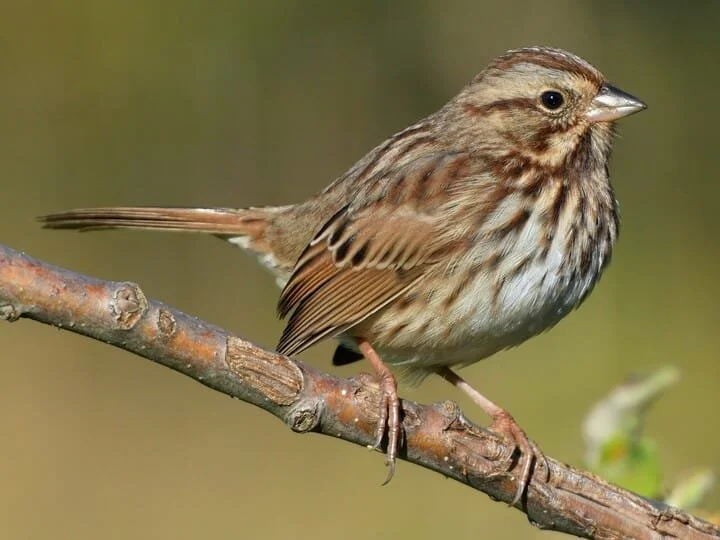
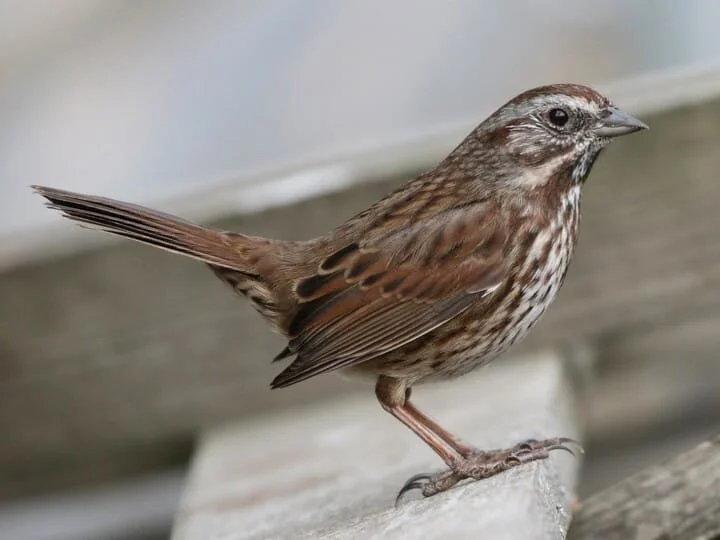
Fairly large, round sparrow with a long, rounded tail
Coarsely patterned with gray and brown, usually with more reddish-brown wings and tail.
Thick brown streaks on the underparts and a broad dark mustache stripe with gray eyebrows
Larger, longer-tailed, and more rusty than the Savannah Sparrow.
Listen for…
Song: Melodic with chips and trills. Usually 1-2 intro notes, then a buzzy trill, and several ending notes
Call: Husky “chimp” calls.
Resources:
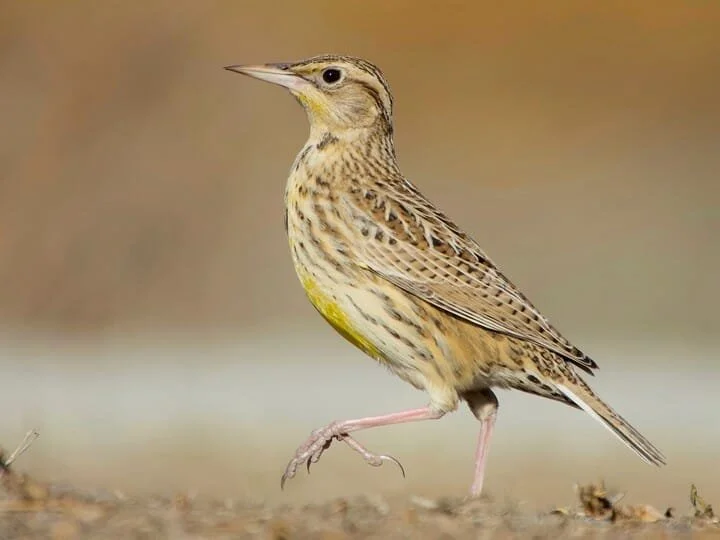
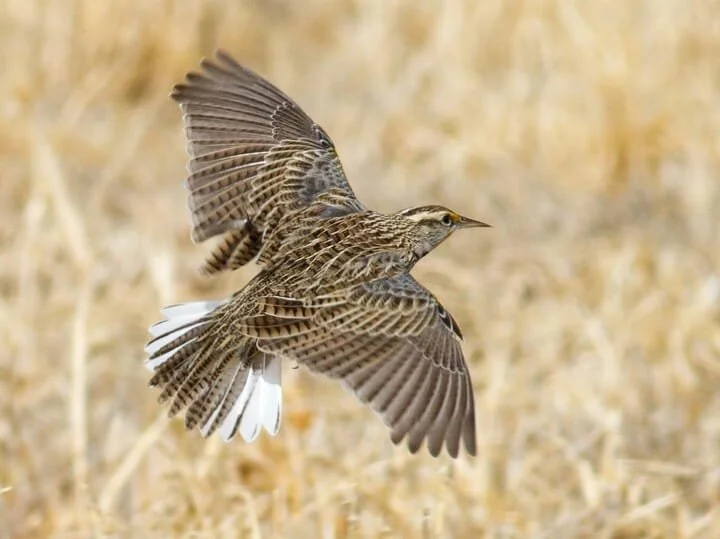
Western meadowlark
Bird Code: WEME
Identify this bird by…
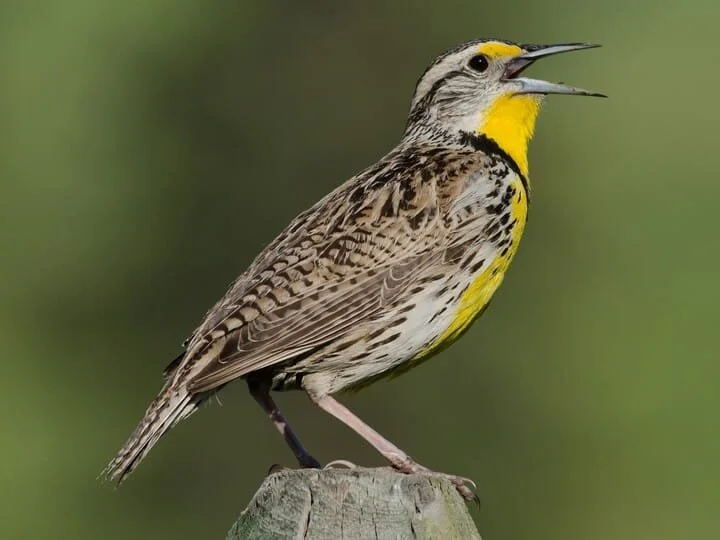
Streaked brown above and yellow below with a distinctive black “V” on the breast.
In flight, short wings and a spiky tail with white outer feathers are obvious.
Listen for…
Song: Begins with 1-6 pure whistles and descends to a series of 1-5 gurgling warbles.
Call: Low, bell-like pluk or chupp, which they use when disturbed, during courtship, and territorial displays.
Resources:
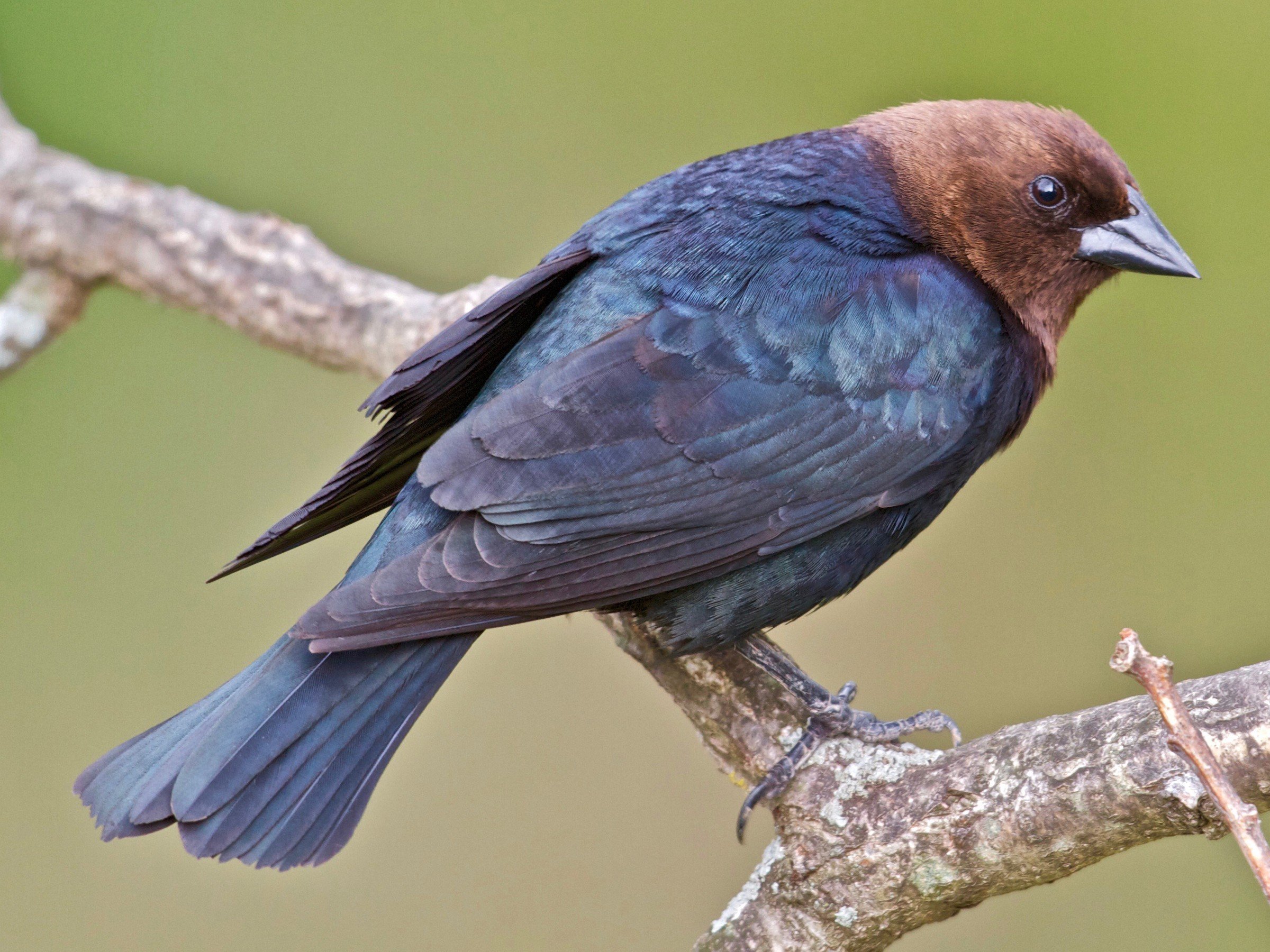
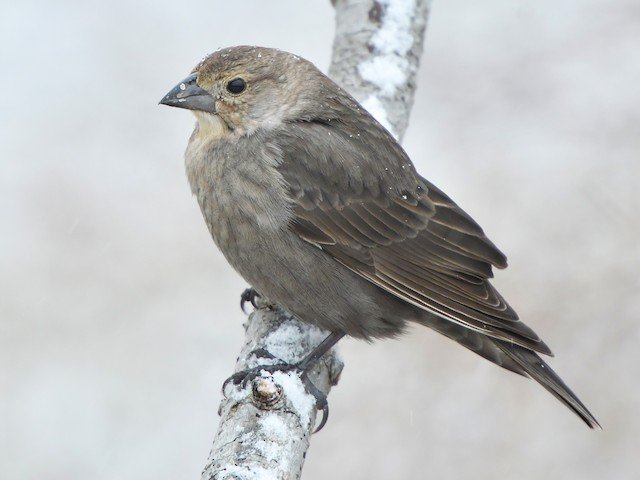
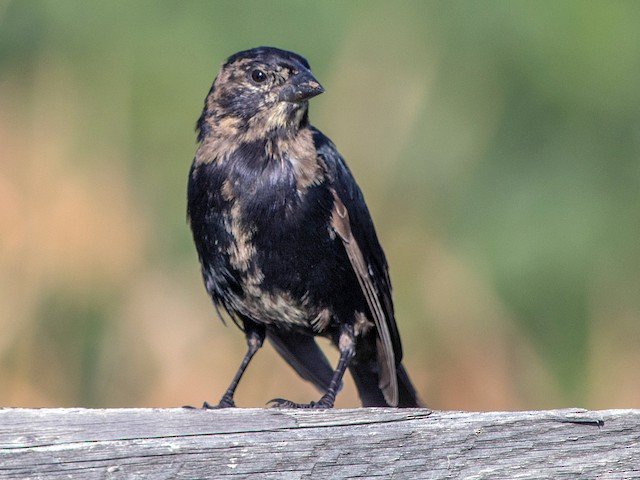

Brown-headed Cowbird
Bird Code: BHCO
Identify this bird by…
Stout bill, short tail, and stocky body.
Males are glossy black with a chocolate brown head.
Females are gray-brown overall, without bold streaks, but slightly paler throat.
Juveniles streaked brown.
Listen for…
Call: Variety of whistles, clicking, and chattering calls.
Song: A liquid-sounding series of low gurgling notes followed by thin sliding whistles, lasting slightly longer than 1 second.
Resources:
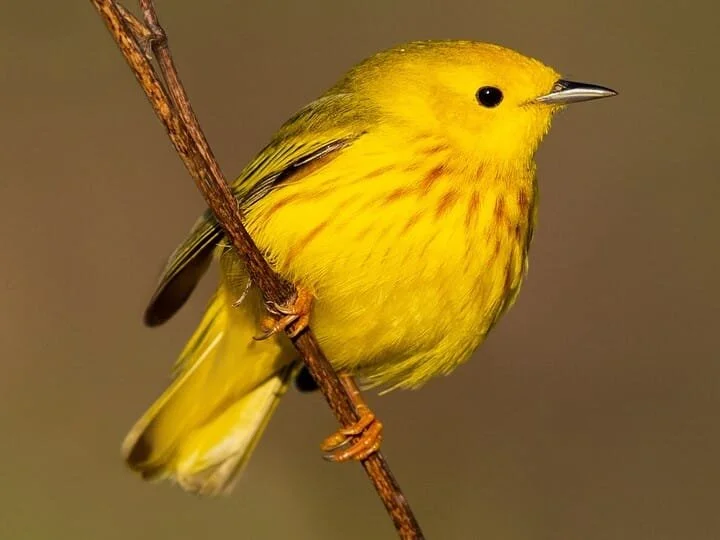
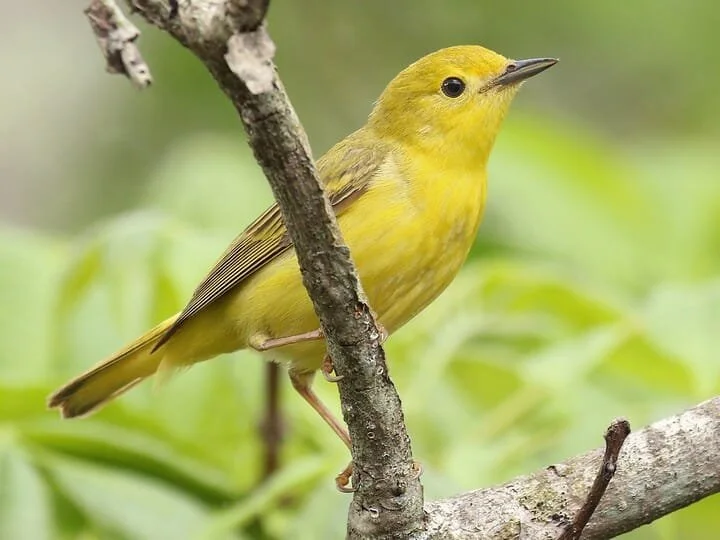
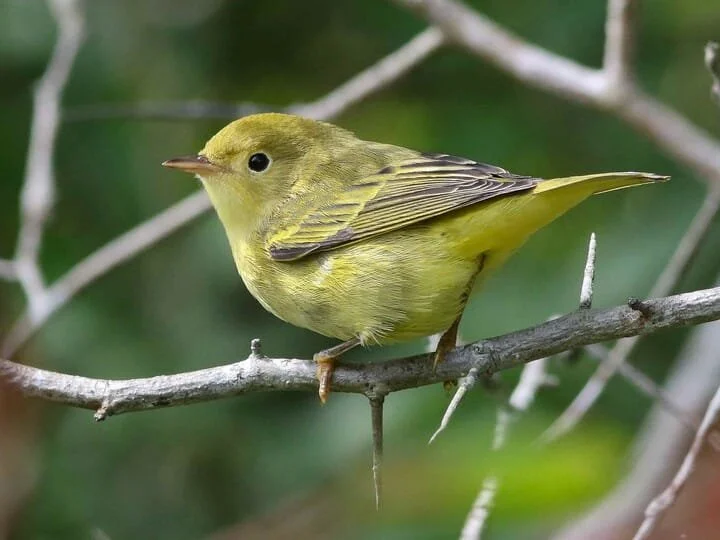
Northern Yellow Warbler
Bird Code: NYWA
Identify this bird by…
Small, round-headed yellow warbler with a stout bill
Typically yellow overall, but some immature ones can be almost completely gray.
Most males have reddish-brown streaks below; females are generally plainer and have duller, yellowish tones. Very plain-faced
Listen for…
Calls: Variety of short chip notes, some with a metallic sound and some with a lisping or buzzing quality.
Songs: Males sing a series of 6-10 whistled notes that accelerate for roughly a 1-second song and often end on a rising note.
Resources:
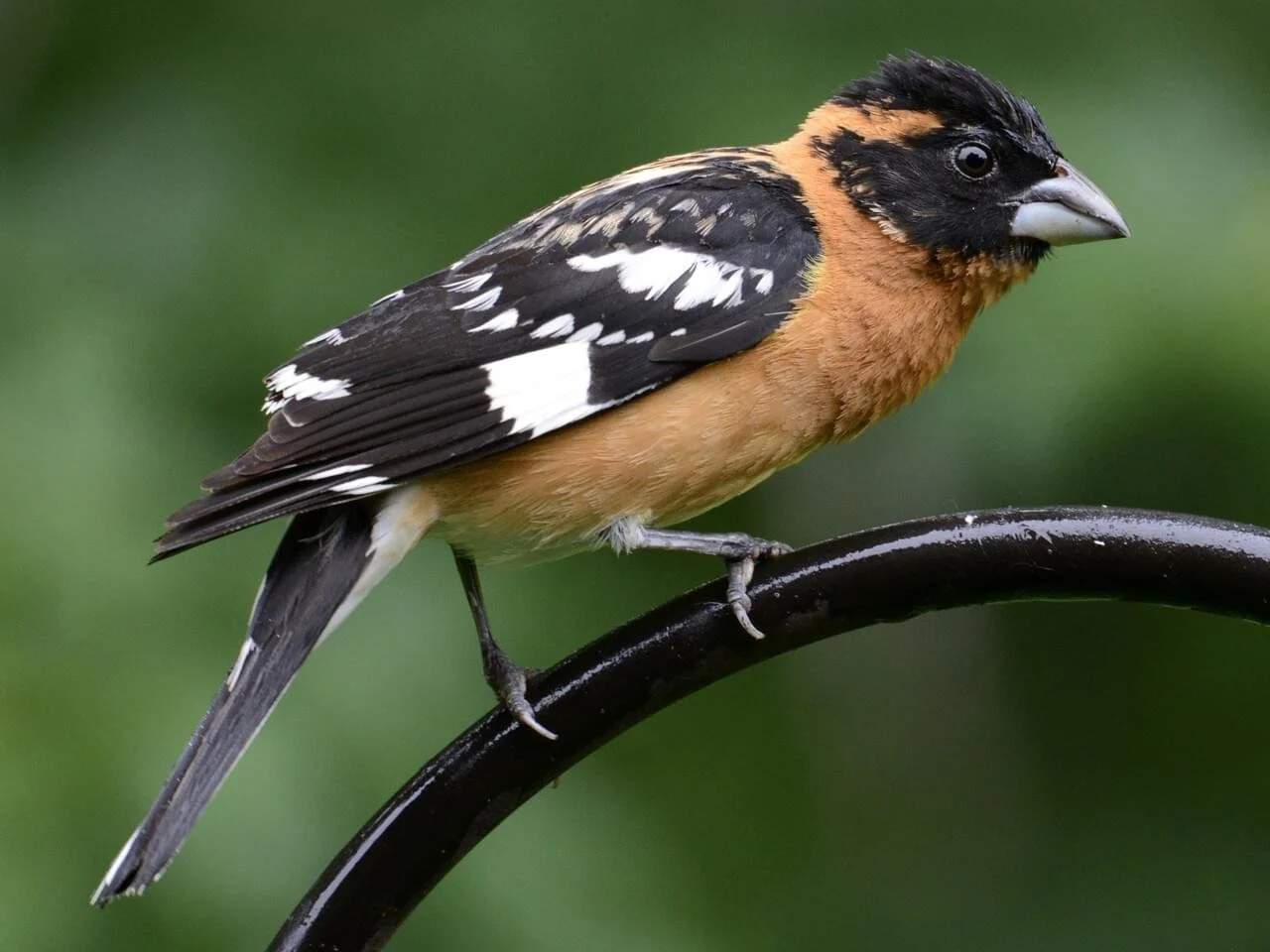
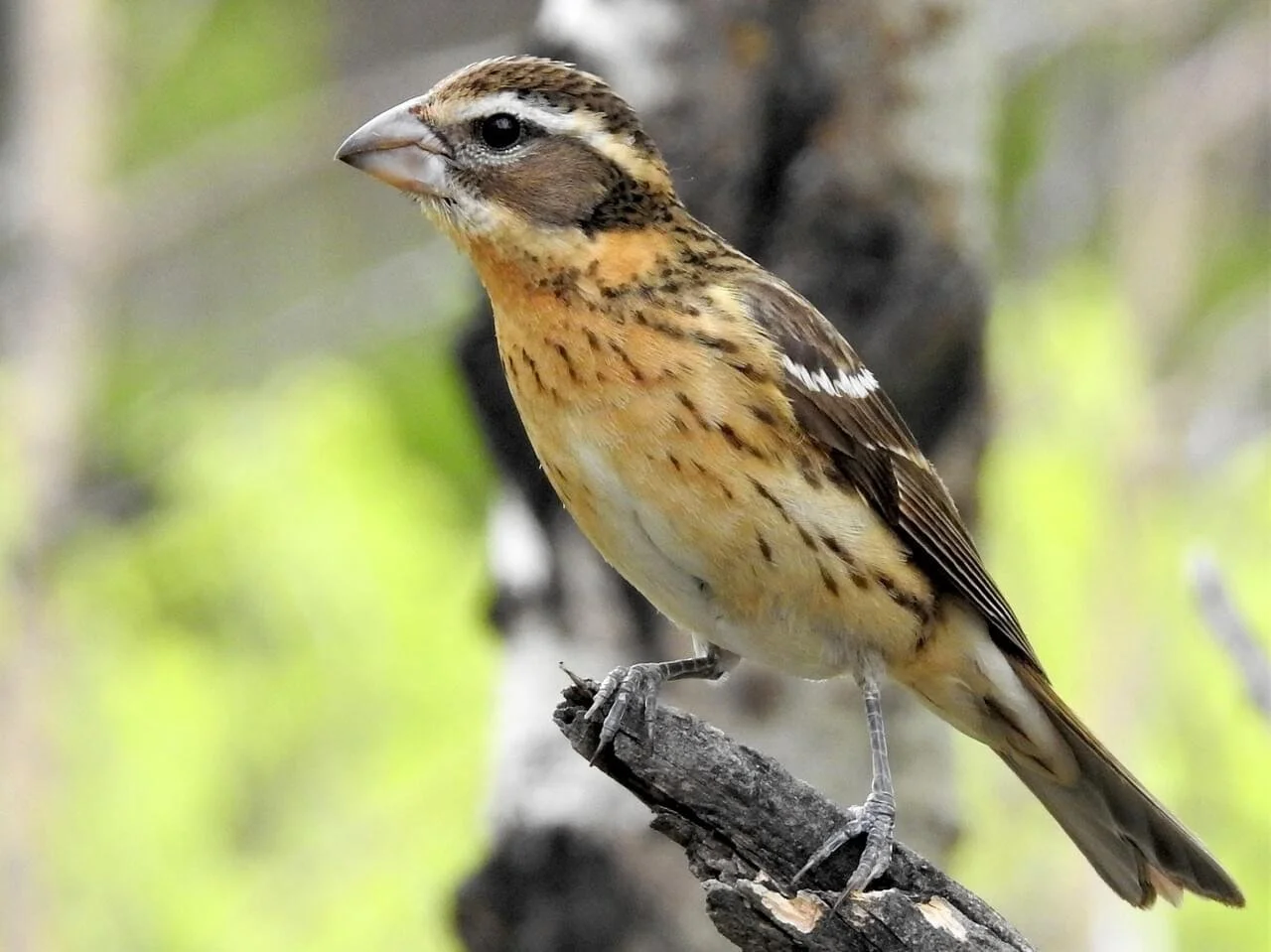
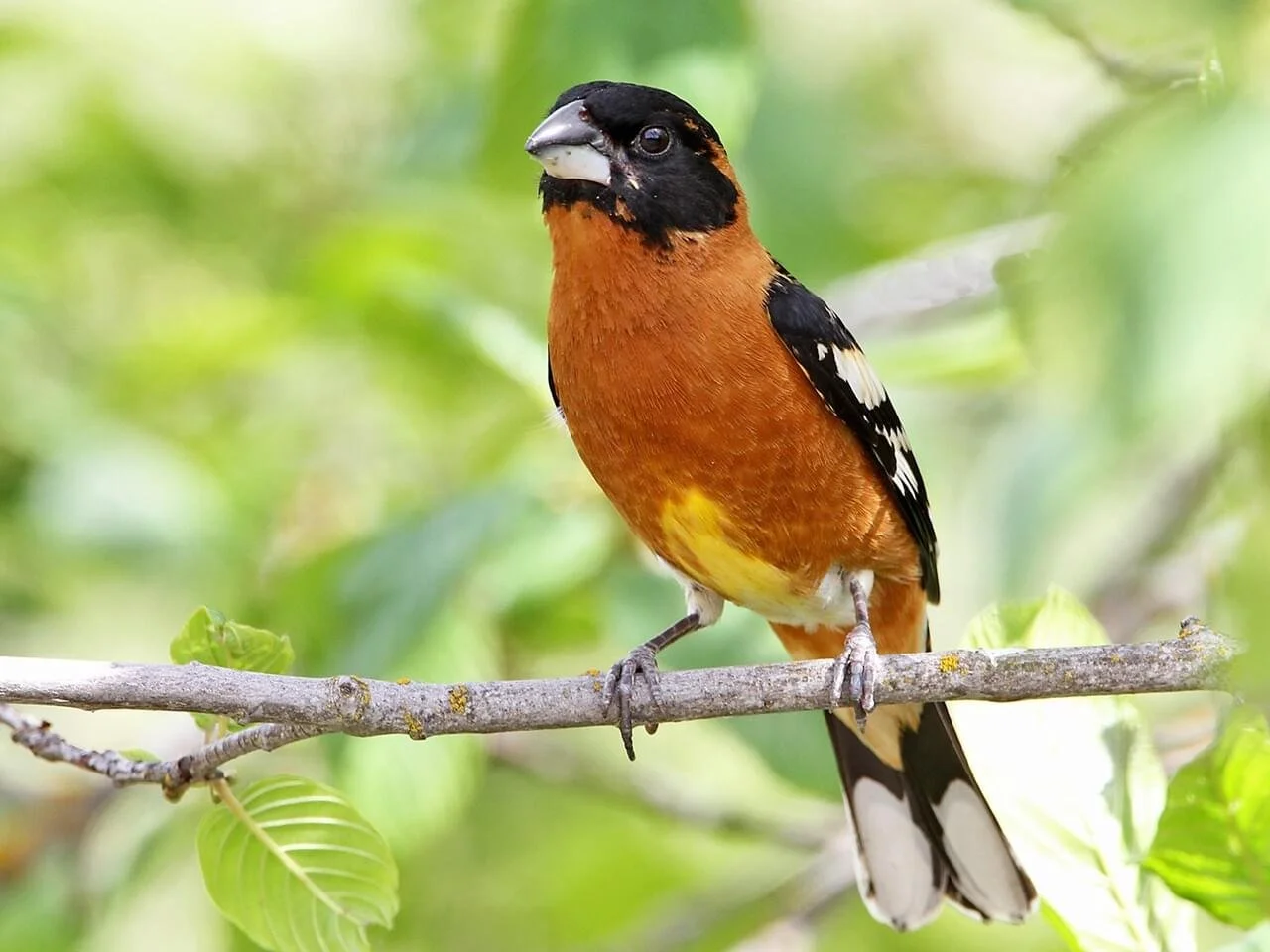
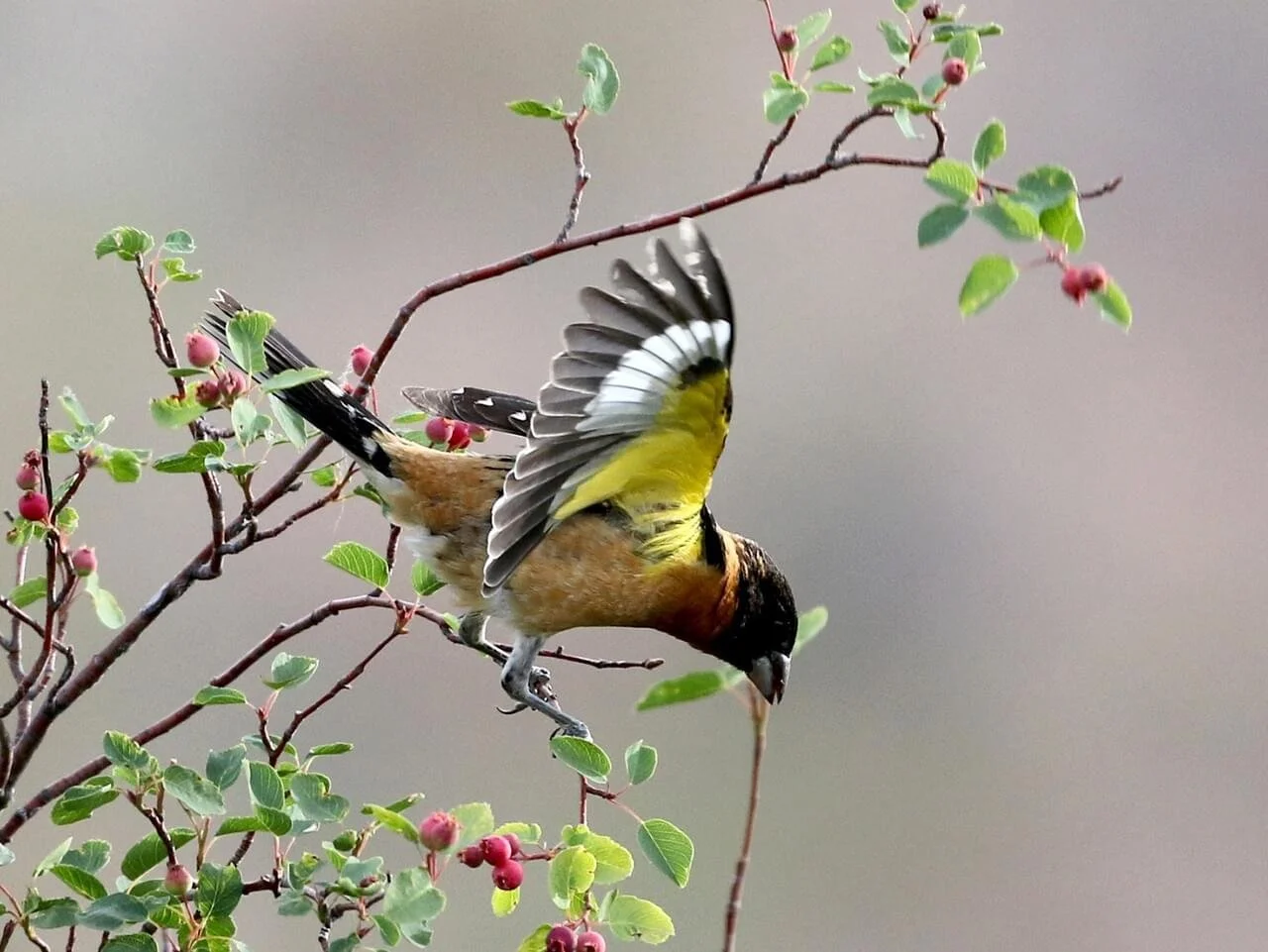
BLACK-HEADED GROSBEAK
Bird Code: BHGR
Identify this bird by…
Hefty songbird with large head and a large, thick, conical bill Short tail gives it a compact look
Males: Deep orange breast and collar, and yellow underparts. Black head and upperparts. White under the tail, and white spots on their black tail. Also has white wing bars and wing patches
Females: Brown and buffy crown stripes. Buffy underparts with streaky sides. Dark grey upperparts
Listen for…
Song: Song rises and falls like an AMRO’s, but it’s longer, sweeter, more varied, and less choppy in its phrases
Call: Typical call is a sharp spik uttered frequently to keep contact with mates while foraging. They utter an upslurring wheet upon taking flight.
Resources:
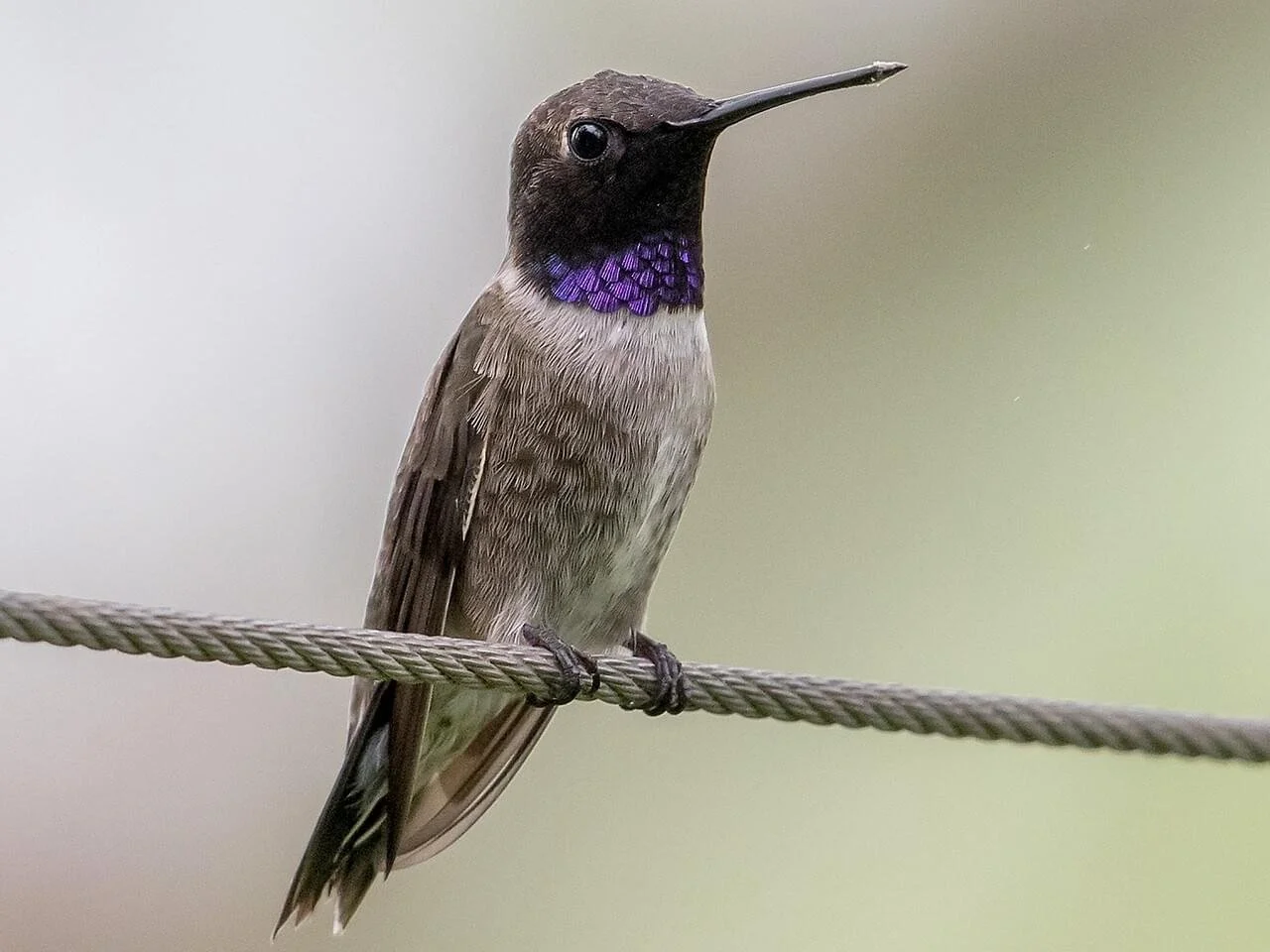
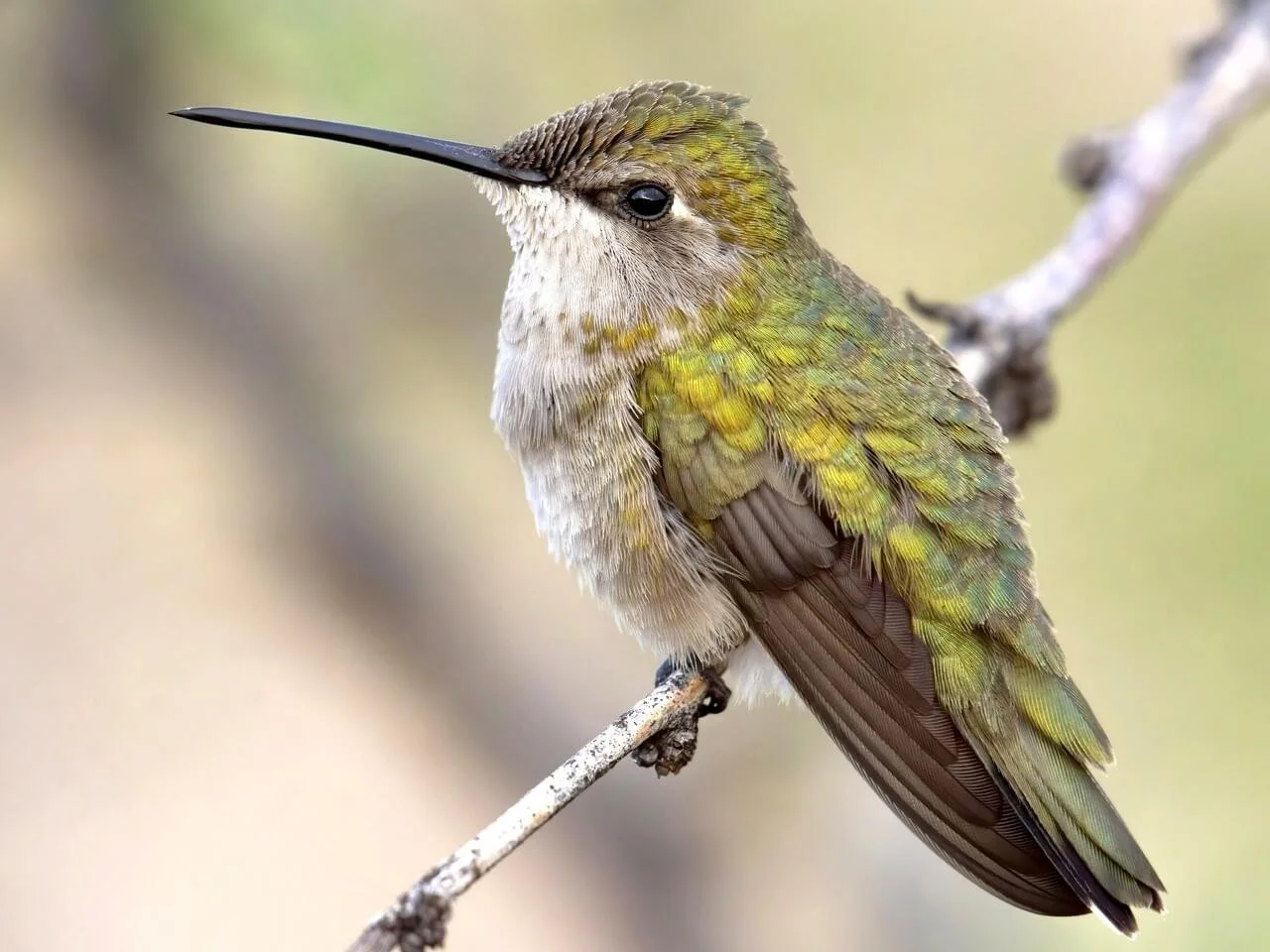
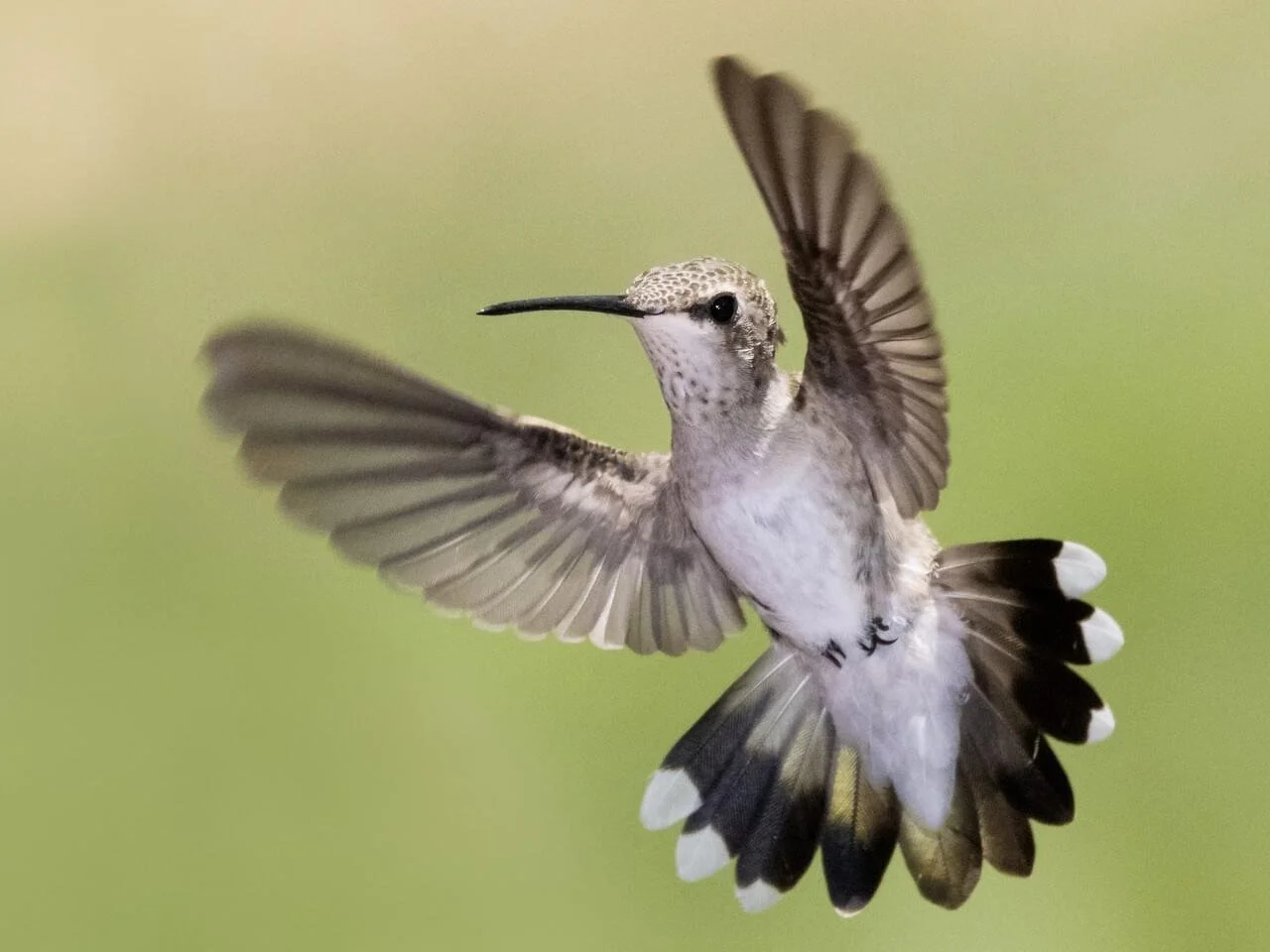
BLACK-CHINNED HUMMINGBIRD
Bird Code: BCHU
Identify this bird by
Small, fairly slender hummingbird with a fairly straight black bill
Dull metallic green above and grayish-white below
In both males and females, the flanks are glossed with dull metallic green
Tell males and females apart by…
Males: Have a velvety black throat with a thin, iridescent purple base
Females: Have a pale throat. Their three outer tail feathers have broad white tips
Look for…
Behavior - Hovers at flowers and feeders, darts erratically to take tiny swarming insects, perches atop high snags to survey its territory, watching for competitors to chase off and for flying insects to eat
Listen for…
Call: Soft, flat “chew” notes, often in series with soft high squeals, chips, and ticks. Their wings also give a low-pitched humming sound
Resources:
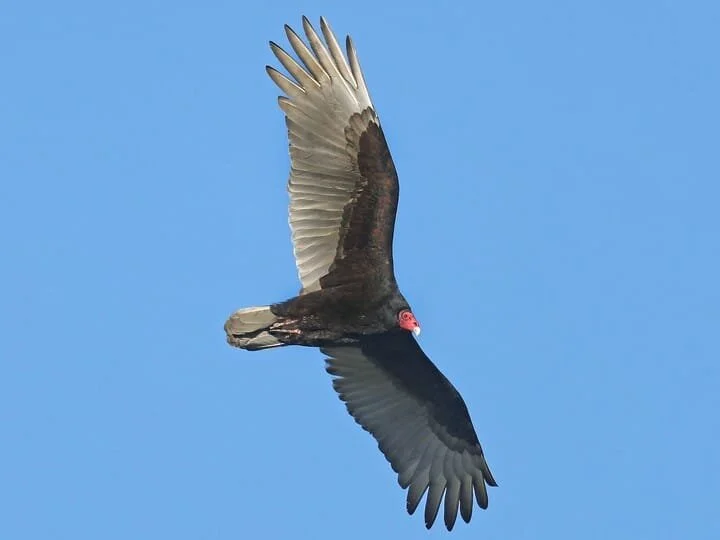
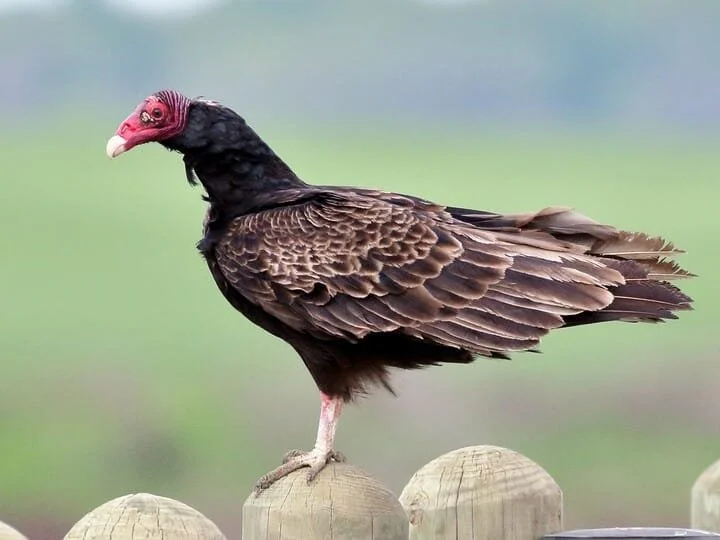
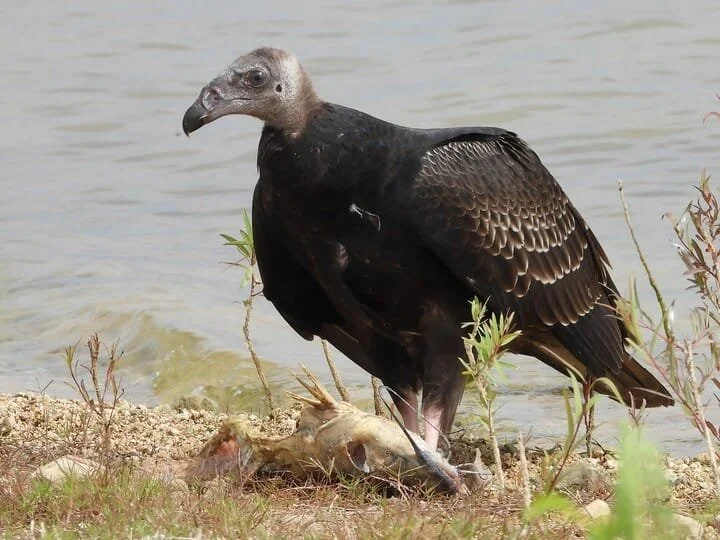
Turkey Vulture
Bird Code: TUVU
Identify this bird by…
Large raptor, appearing dark from a distance.
Up close, dark brown above with bare red head.
In flight, the undersides of wings are two-toned; lighter on the entire trailing edge of the wing.
Juveniles don’t have the red head
Listen for…
Call: Turkey Vultures lack the vocal organs to make proper songs. Most of their vocalizations come down to a form of low, guttural hiss made when they are irritated or vying for a better spot on a carcass. They also may give a low, nasal whine while in flight.
Resources:
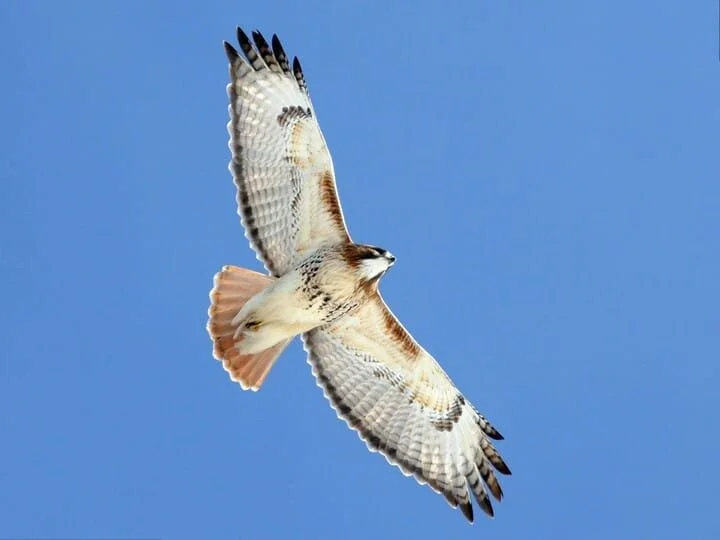
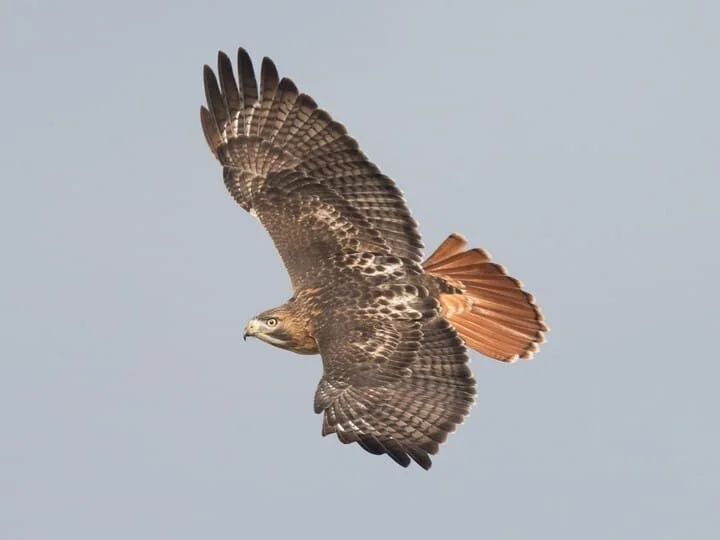
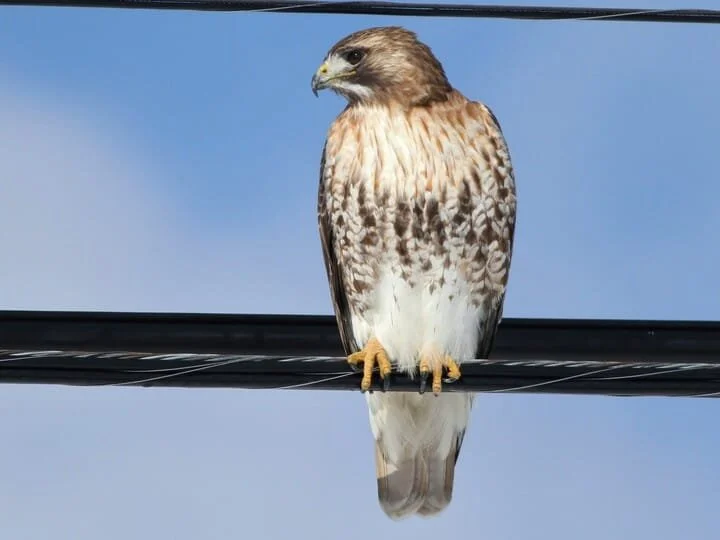
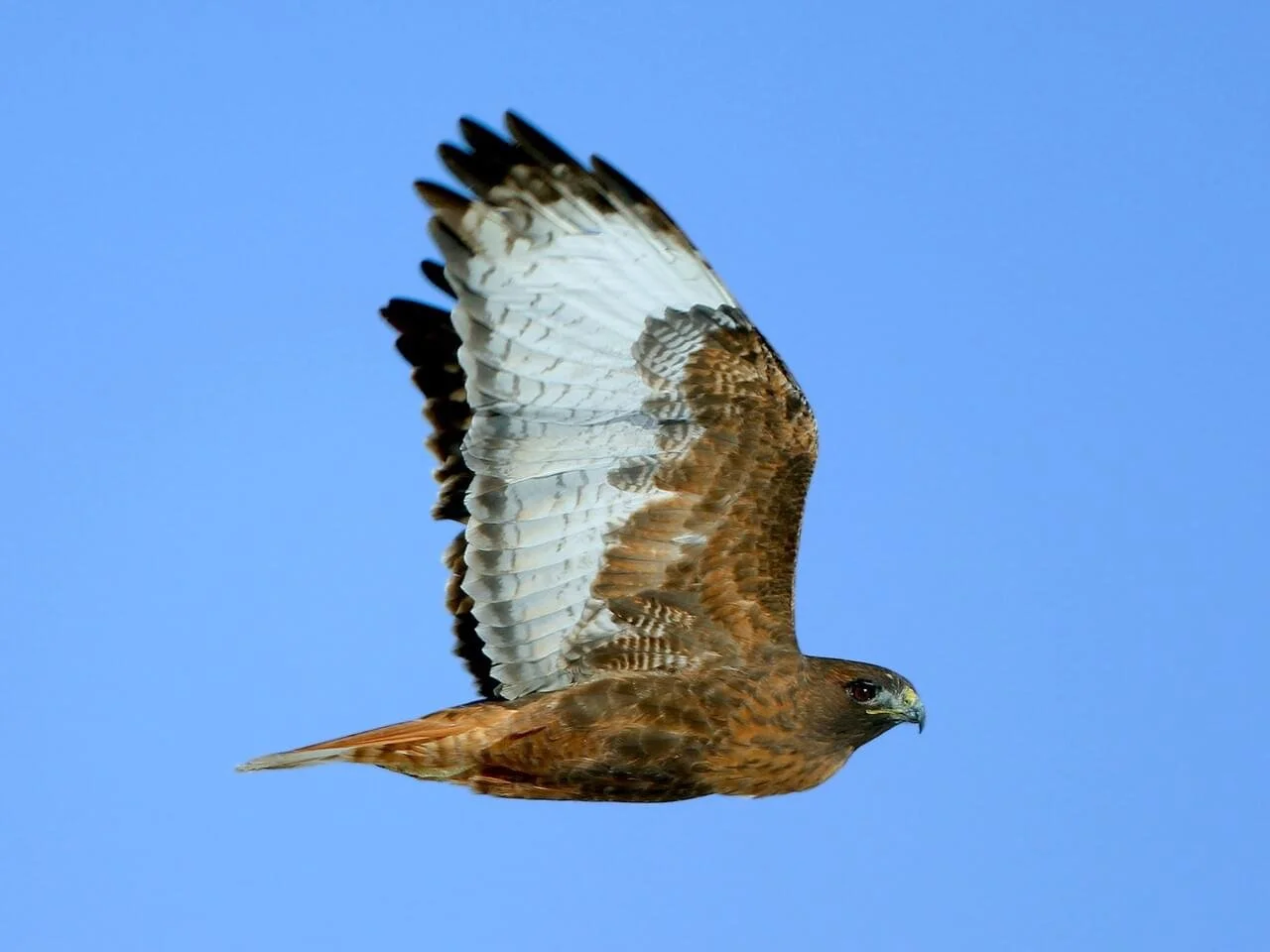
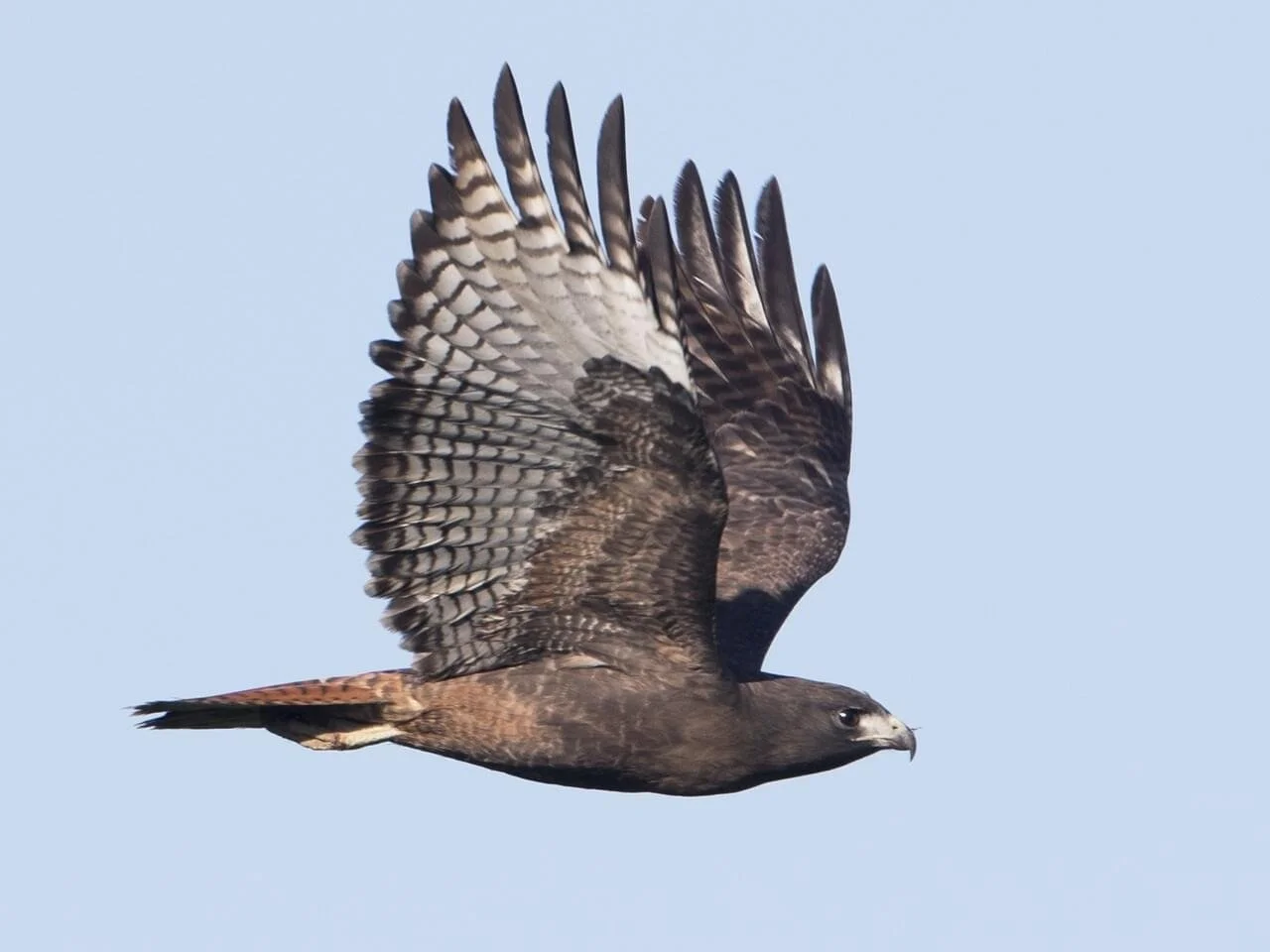
RED-TAILED HAWK
Bird Code: RTHA
Identify this bird by
Large hawks with very broad, rounded wings and a short, wide tail
Tell apart from other hawks by…
LIGHT MORPHS
Rich brown above, pale below, with a streaked belly
On wing underside, a dark bar on leading edge
The tail is usually pale below and cinnamon-red above, though in young birds it’s brown and banded
DARK MORPHS
Are all chocolate-brown with a warm red tail
Variation and regional differences…
Extremely variable plumage - some is regional
In western North America, we most often see light-morphs but dark-morphs can occur anywhere
Eastern birds tend to be less streaky on underparts than western birds
Look for…
Behavior - See them soaring in wide circles high over a field. When flapping, wing beats are heavy
Listen for…
Calls: A screaming kee-eeeee-arr usually given while soaring. During courtship, they also make a shrill chwirk
Resources:


American Kestrel
Bird Code: AMKE
Identify this bird by…
Roughly the size/shape of a MODO, but it has a larger head, longer and more narrow wings
In flight, the wings are often bent and the wingtips are swept back, tail is long and square
Males have slate-blue wings, females reddish
Sideburns: black vertical slashes on sides of the face
Listen for…
Call: made up of repeated two-syllable notes “killy-killy-killy!” Cooper’s Hawk and Northern Flicker only have one note calls. American Kestrel also have a much higher, thinner tone to their call than Cooper’s Hawk and Northern Flicker.
Resources:
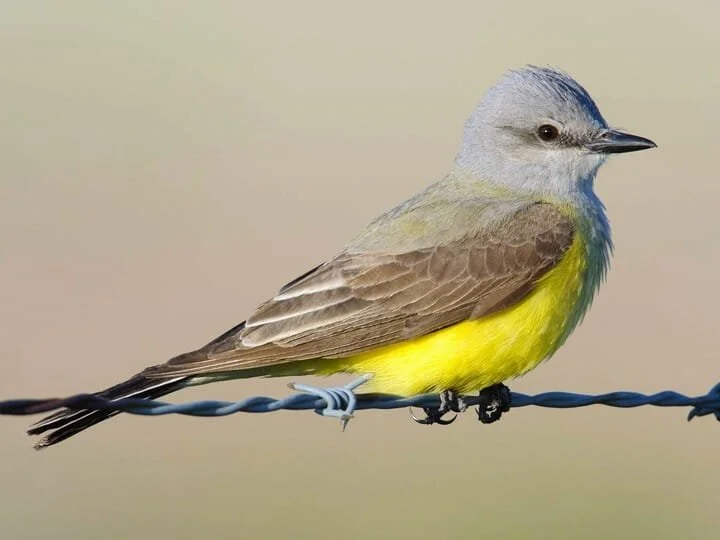
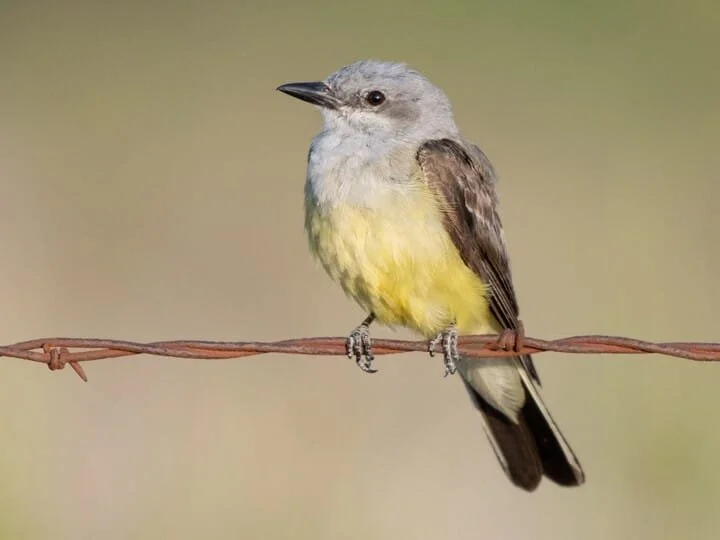
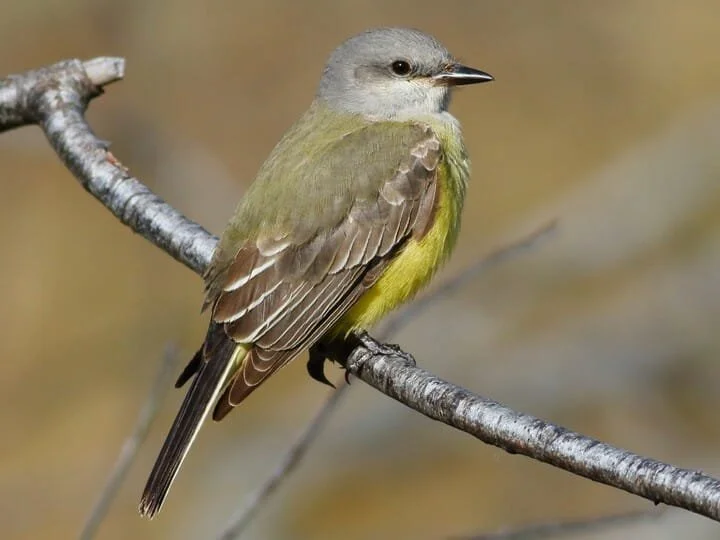
Western Kingbird
Bird Code: WEKI
Identify this bird by…
Fairly large, hefty flycatcher with a thick bill
Rather pale gray head with contrasting whitish throat and breast, and lemon-yellow body, dark eyestripe, and pale green back
Black tail with white edges.
Listen for…
Song: Series of sharp kip notes that lead to series of descending notes
Call: Sharp “kip” notes
Resources:
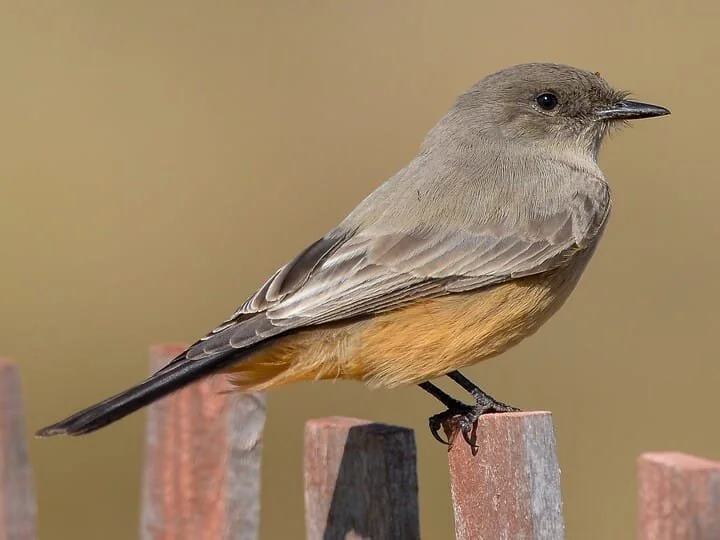
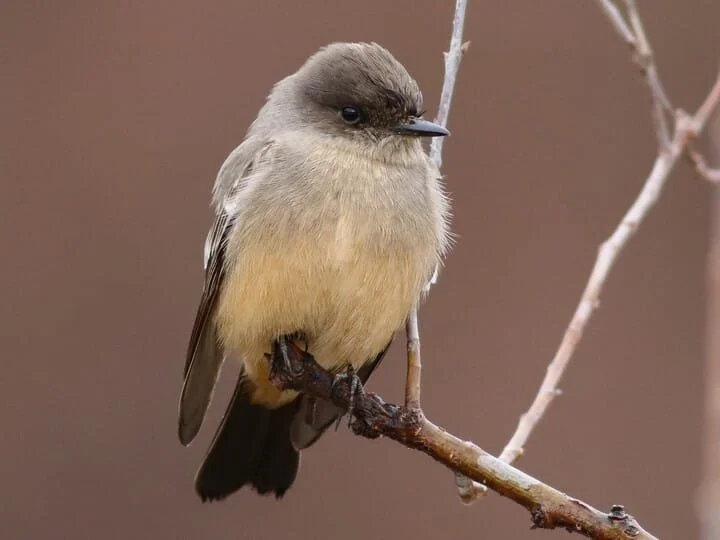
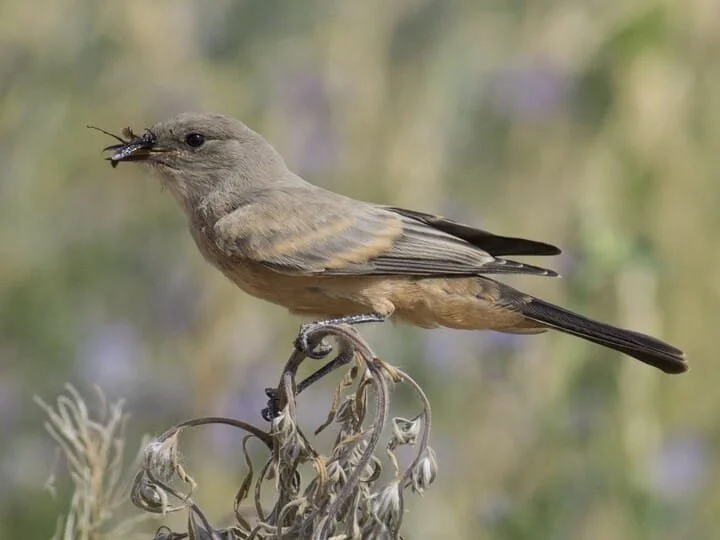
Say’s Phoebe
Bird Code: SAPH
Identify this bird by…
A medium-sized flycatcher with distinctive salmon-orange on the belly was on the belly.
Otherwise, grayish-brown with a black tail.
Frequent tail wagging.
Listen for…
Song: A clear, slurred whistle and a burry, hiccuping note. Each phrase is less than 1 second long, but they repeat the phrase for several minutes.
Call: Clear slurred while given without the burry note.
Resources:
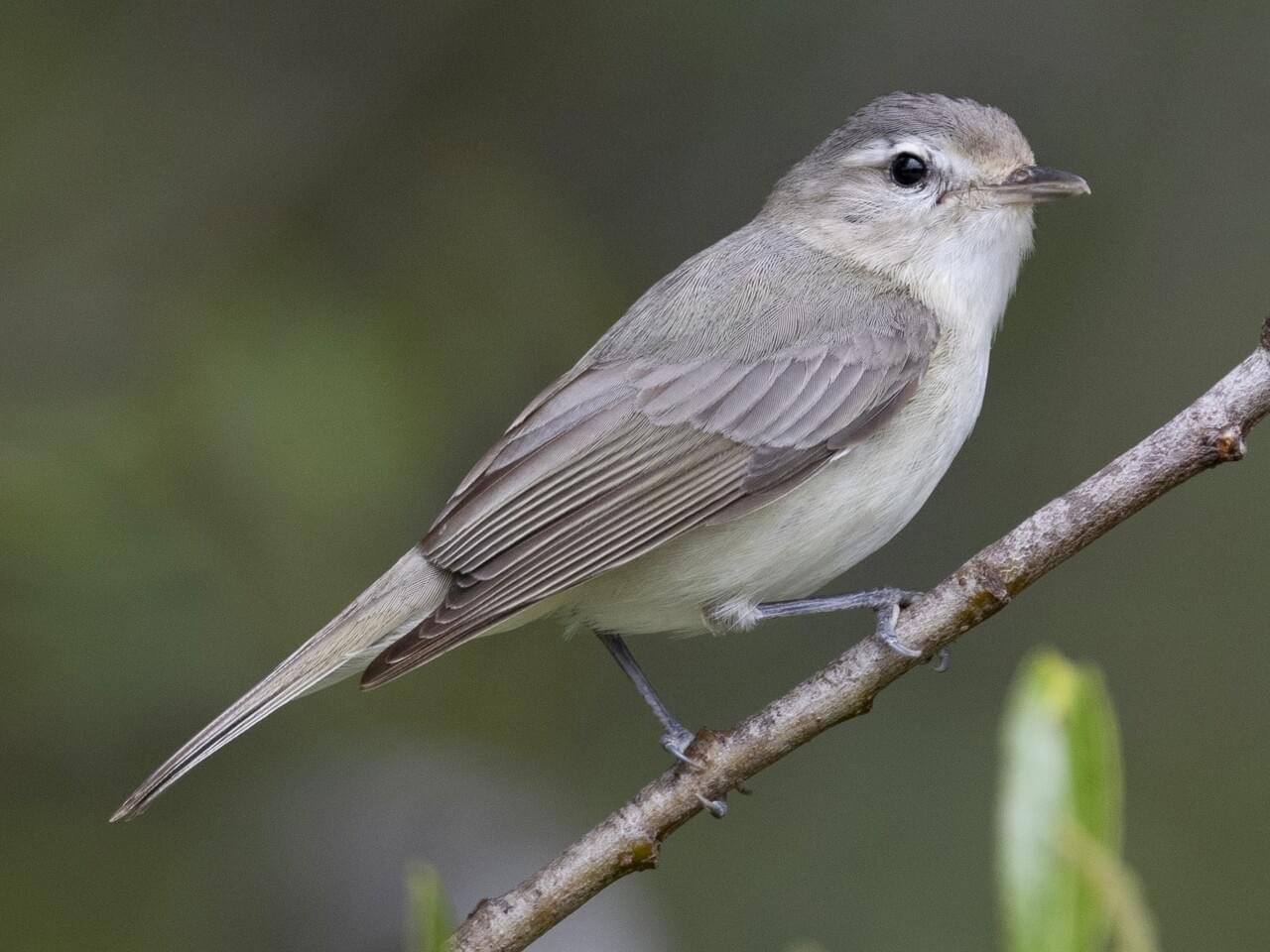
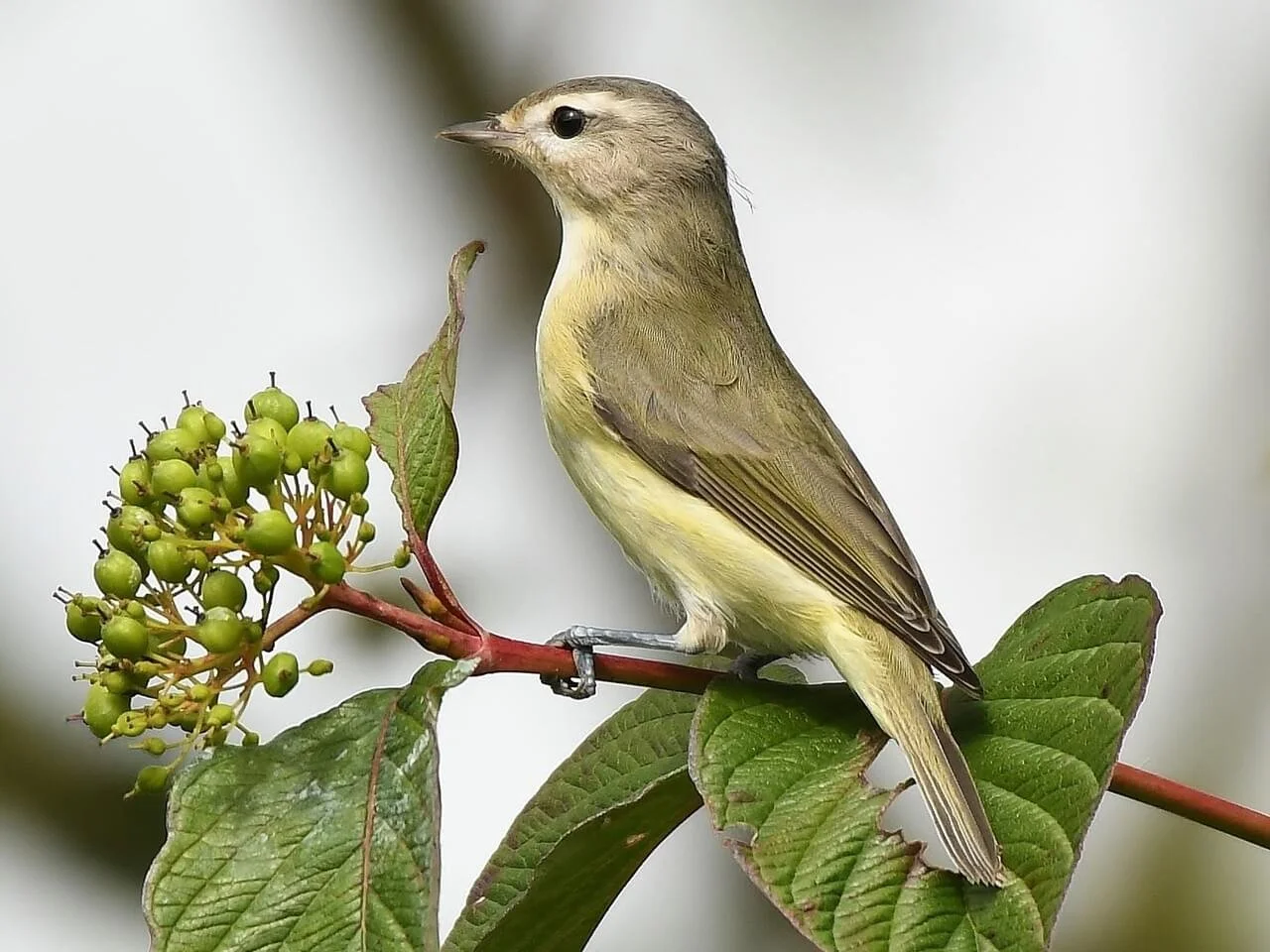
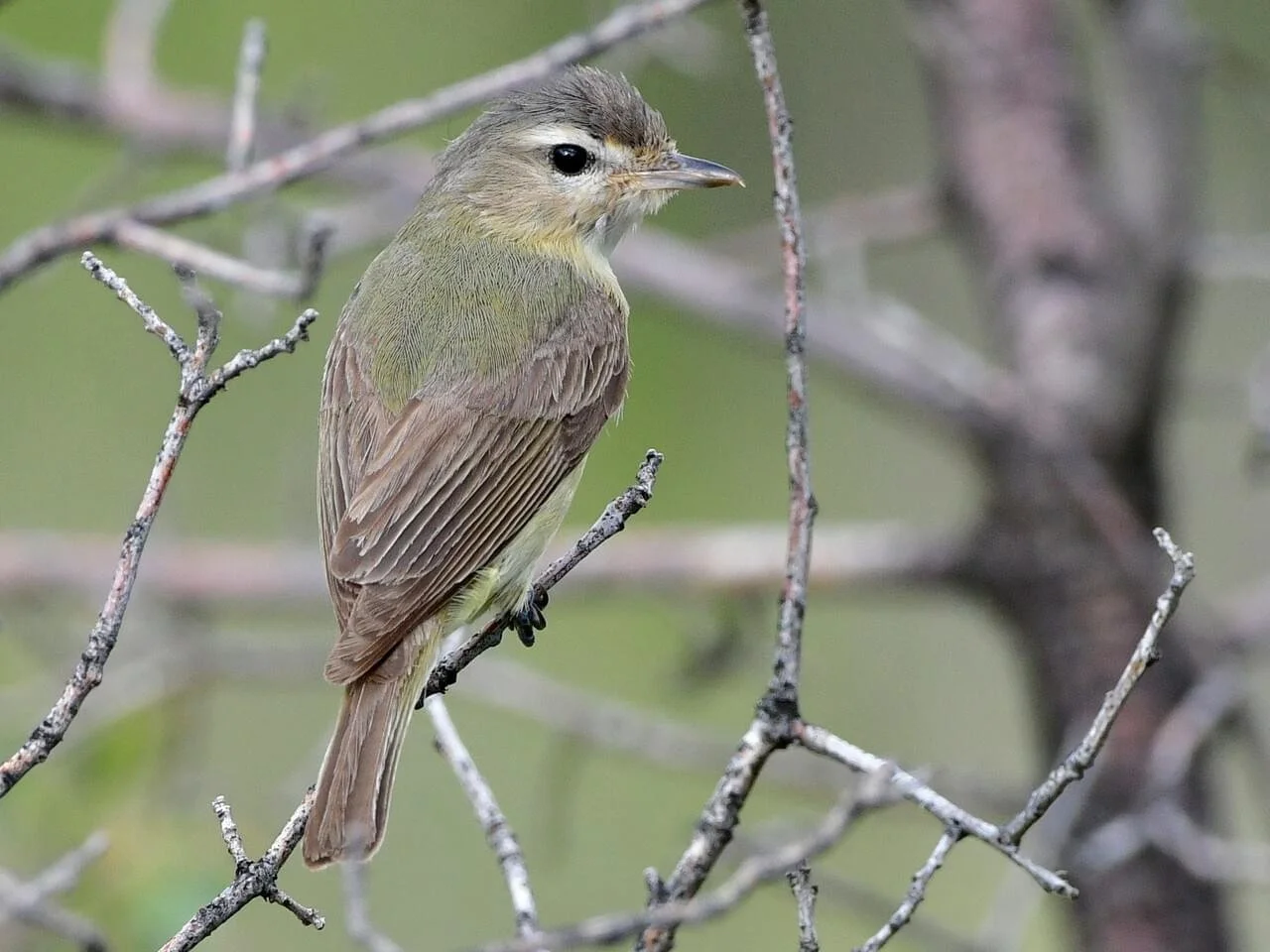
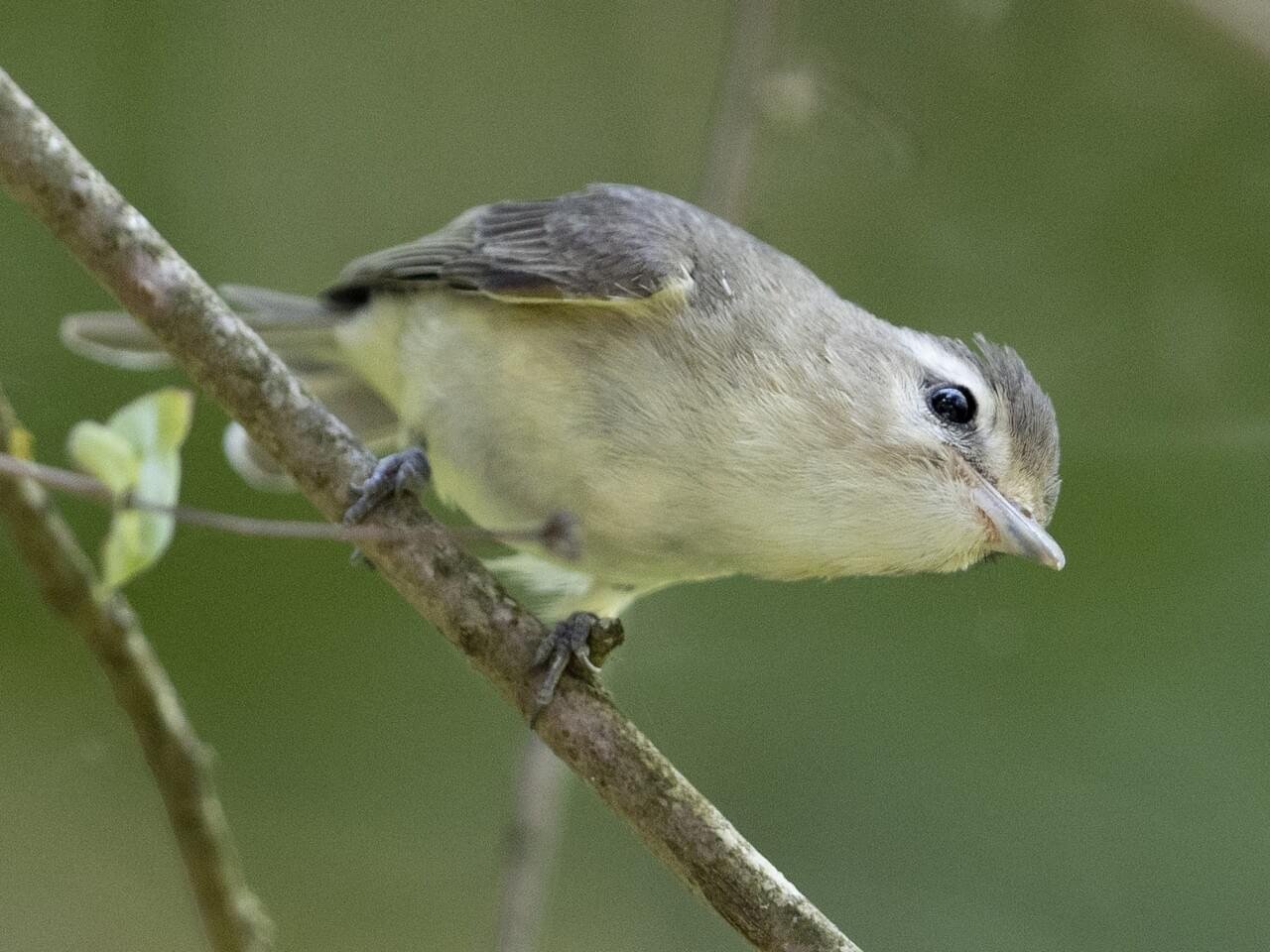
Western WARBLING VIREO
Bird Code: WEWV
Identify this bird by…
Small songbird with a thicker bill
Brownish upperparts that lack wing bars
Subdued face pattern with brownish line through the eye contrasting pale line over the eye
Males and females look alike
Look for…
They forage “sluggishly,” peering at leaf surfaces from a single perch before pouncing or moving on
Listen for…
Song: a rapid, undulating song that usually concludes with an accented high note. It might sound like “higglety-pigglety- pigglety-pigglety-PIK!”
Call: Many calls, but particularly a raspy, descending, scold call
Resources:
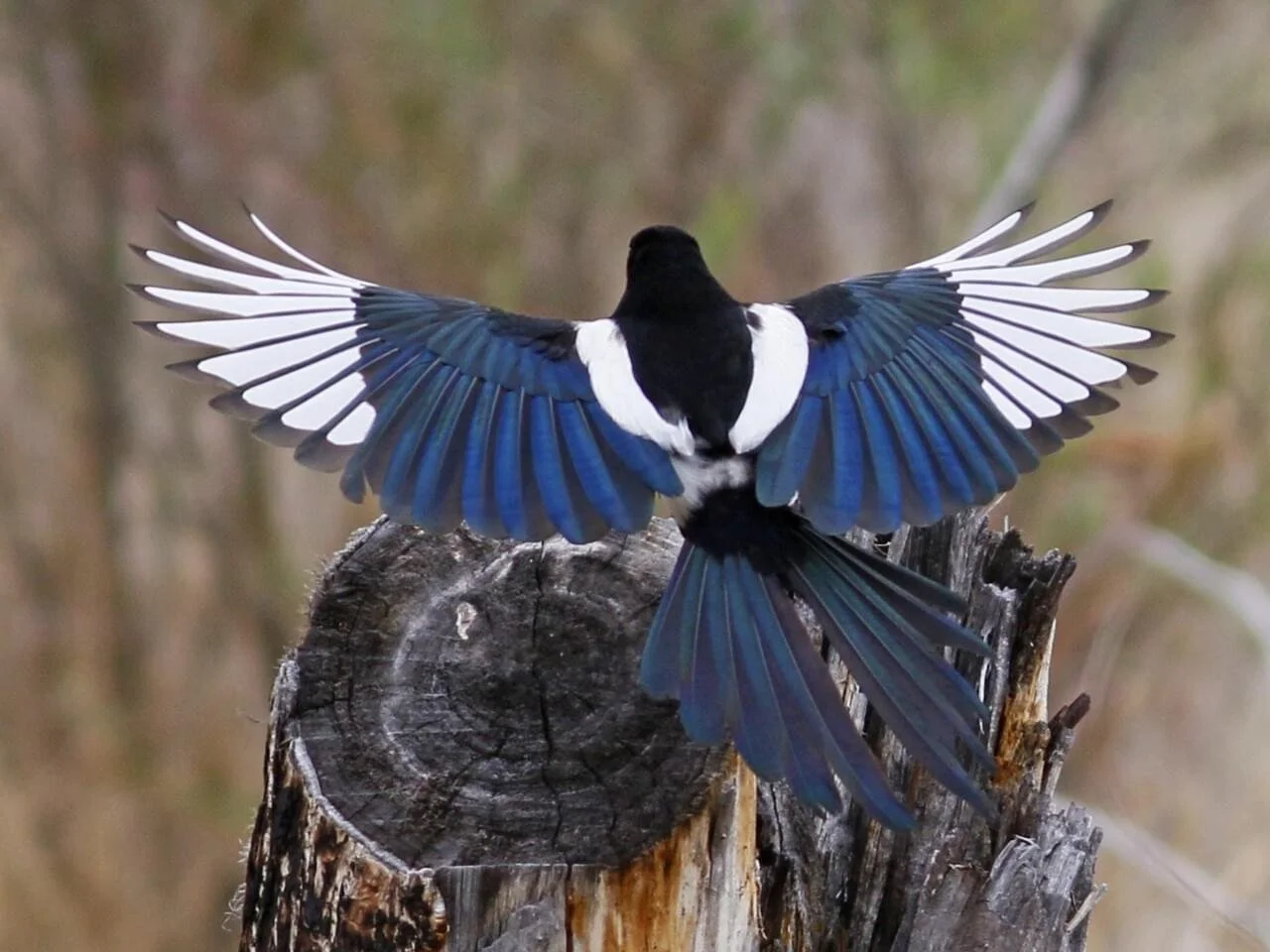
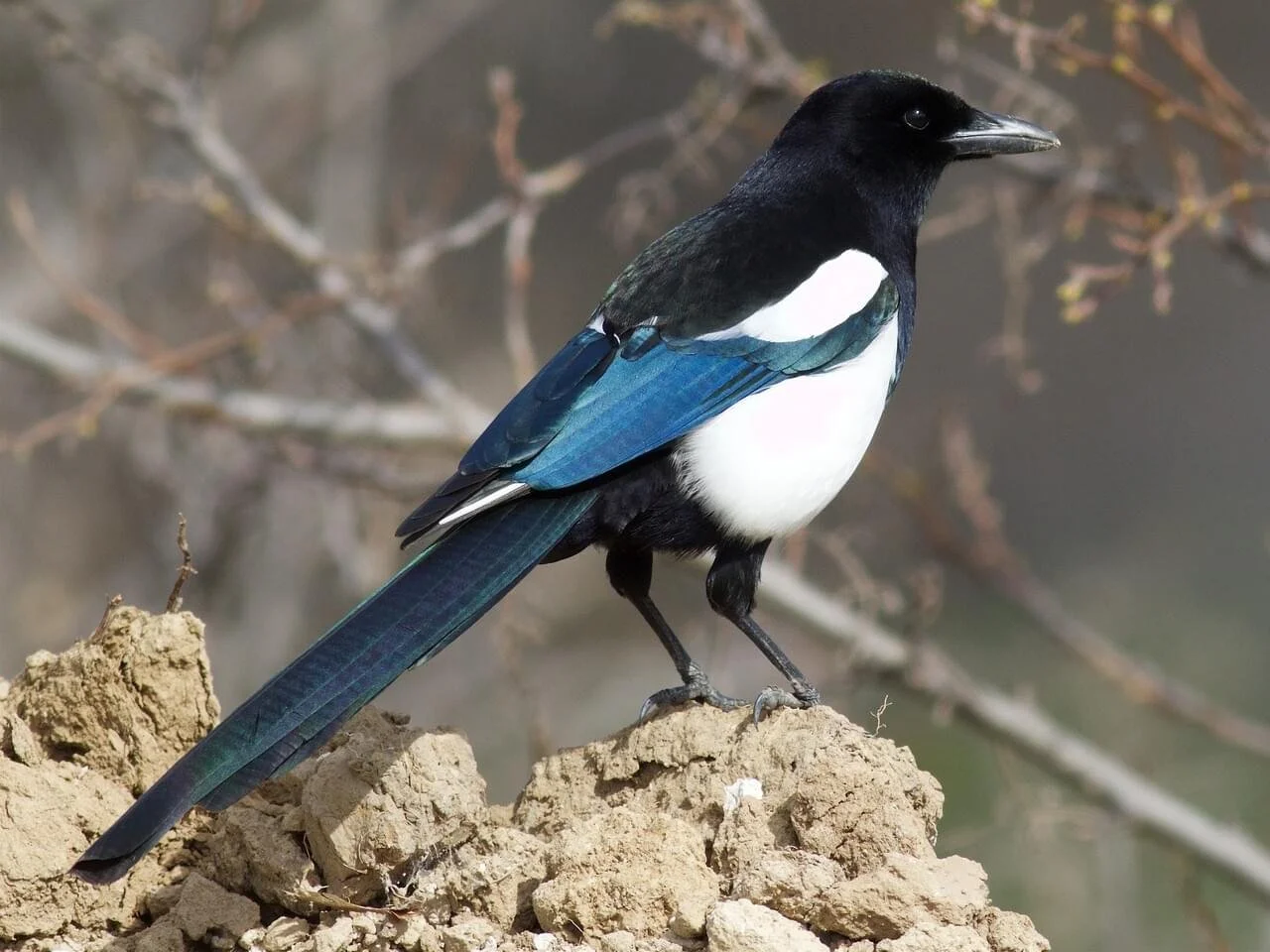
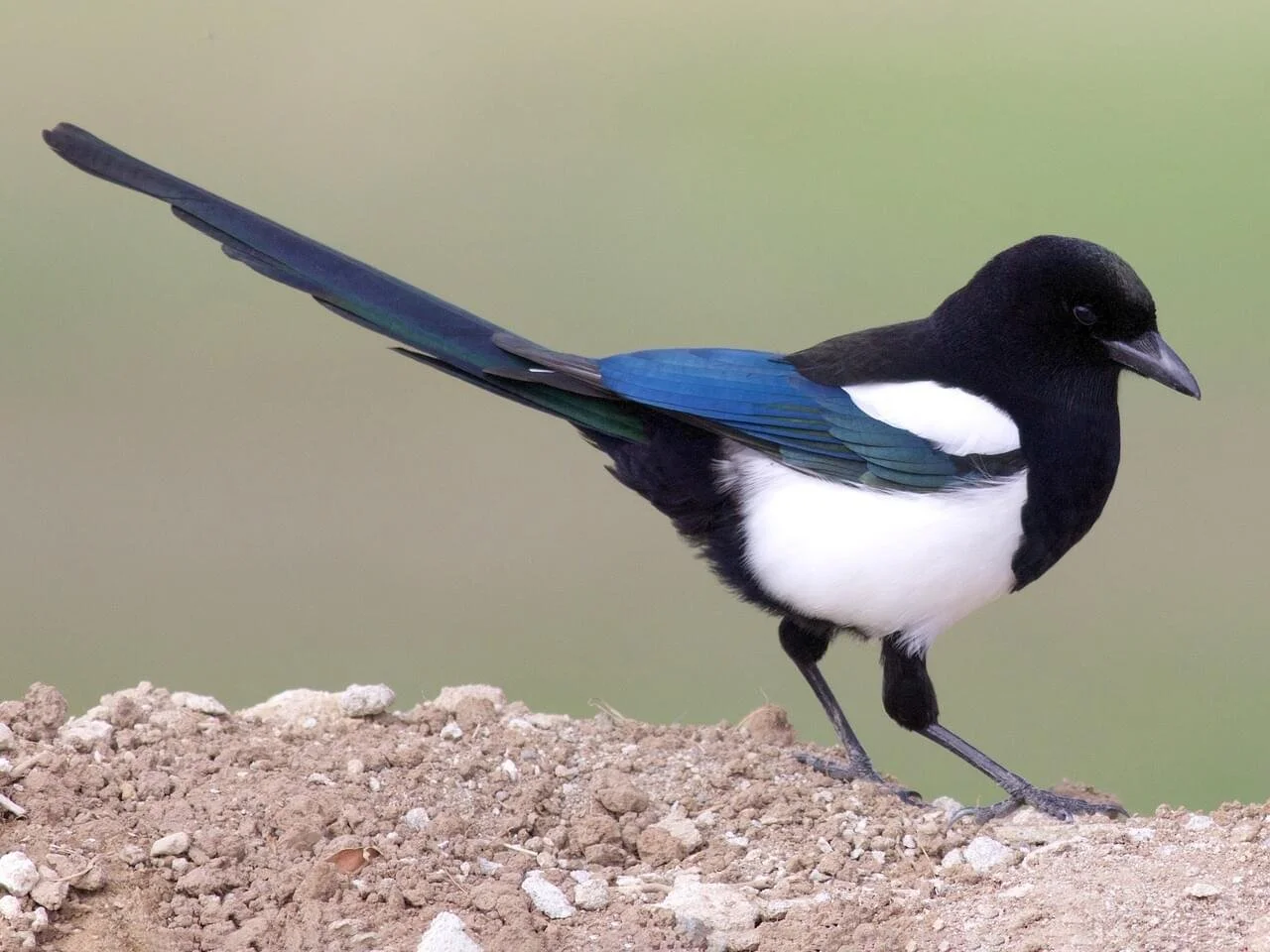
BLACK-BILLED MAGPIE
Bird Code: BBMA
Identify this bird by…
Large, long body with long tail
Appears black and white; in the right lighting, the feathers have a blue-green iridescence
White markings on the wings and belly
Males and females look alike
Look for …
In flight - Wing bars on back and white primaries and diamond-shaped tail
Behavior - Often forages on the ground; perches on posts and small trees
Listen for…
Call: A nasal, note that sounds like “Mag? Mag? Mag?”
Resources:
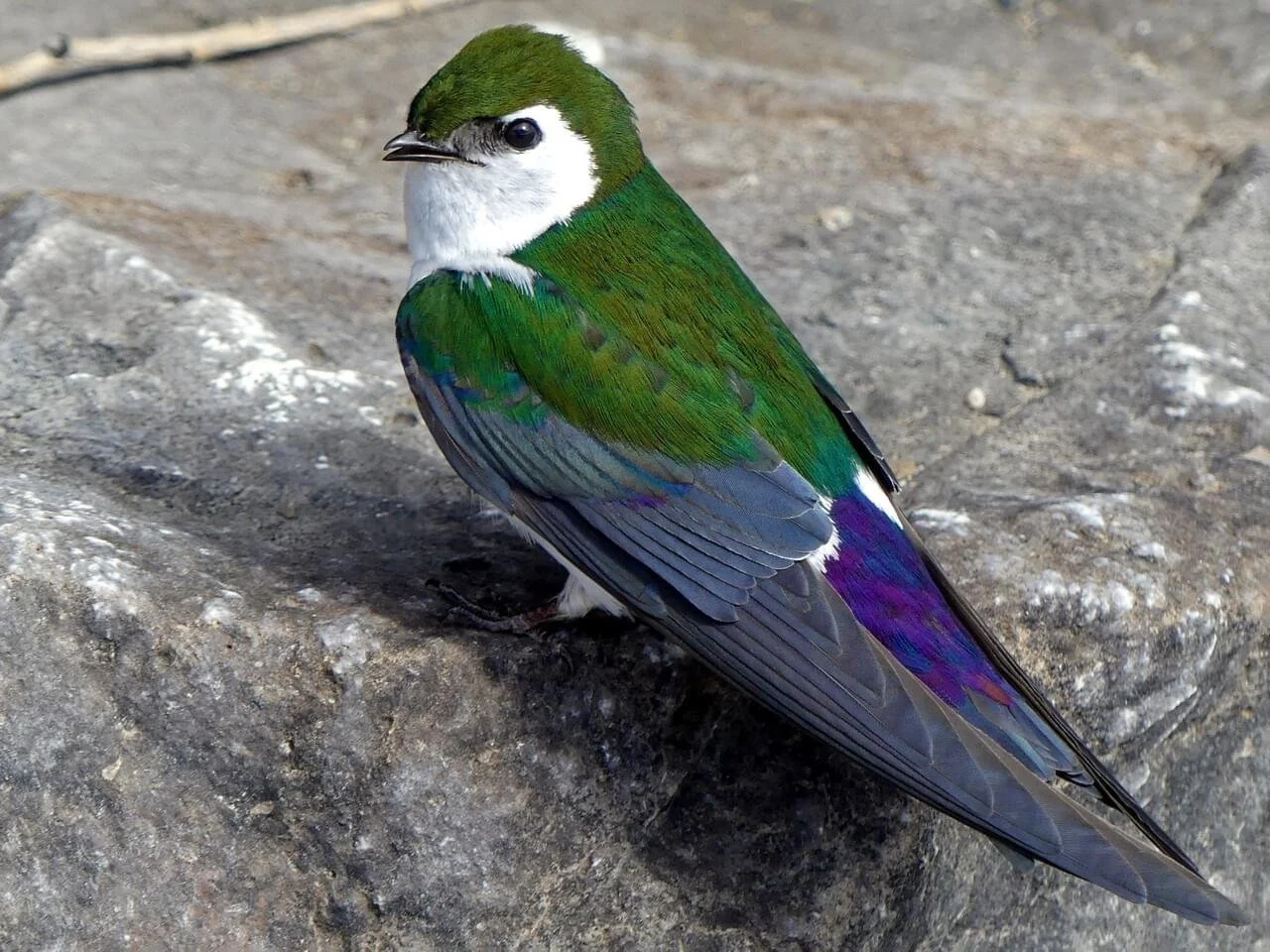
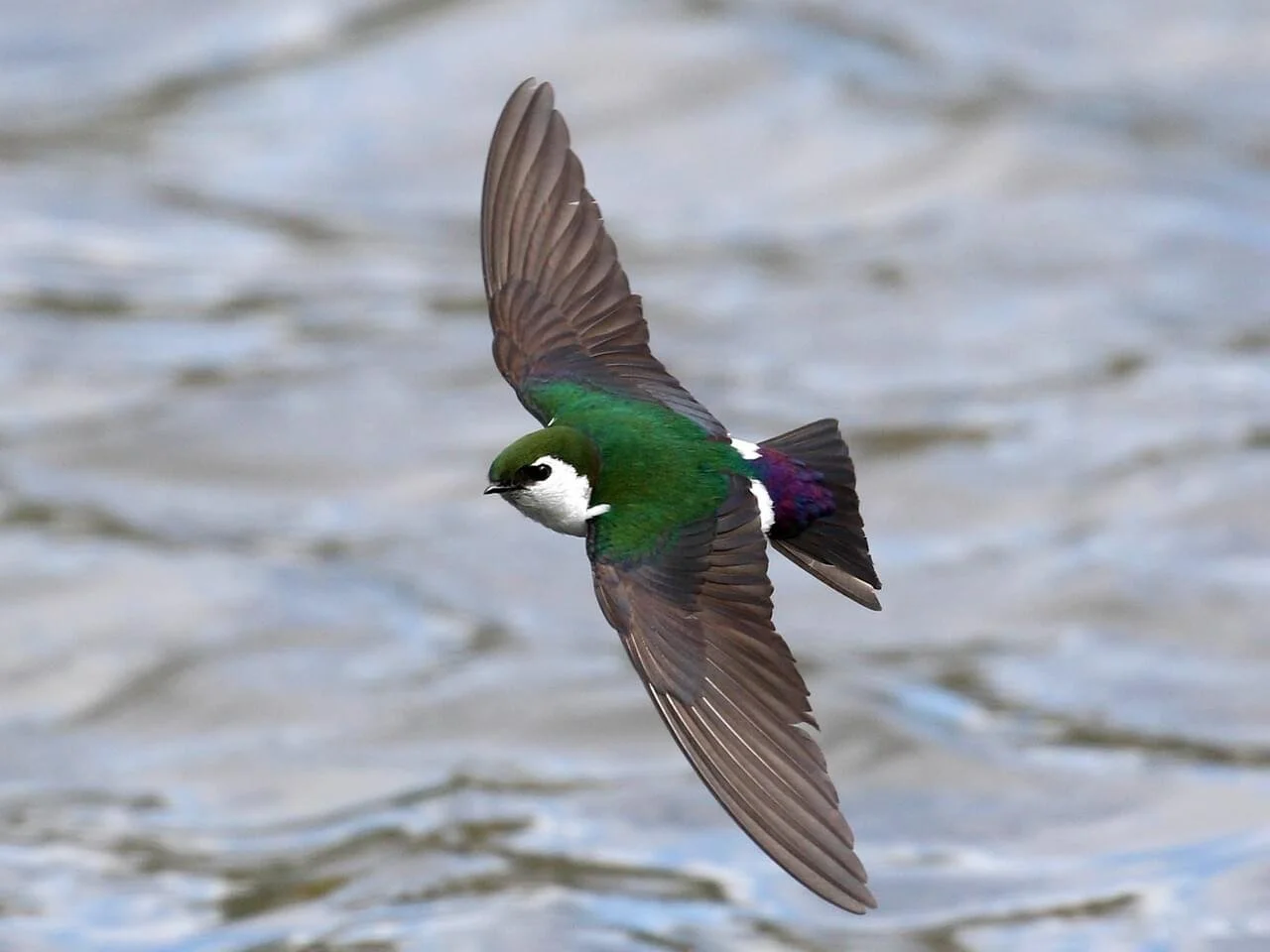
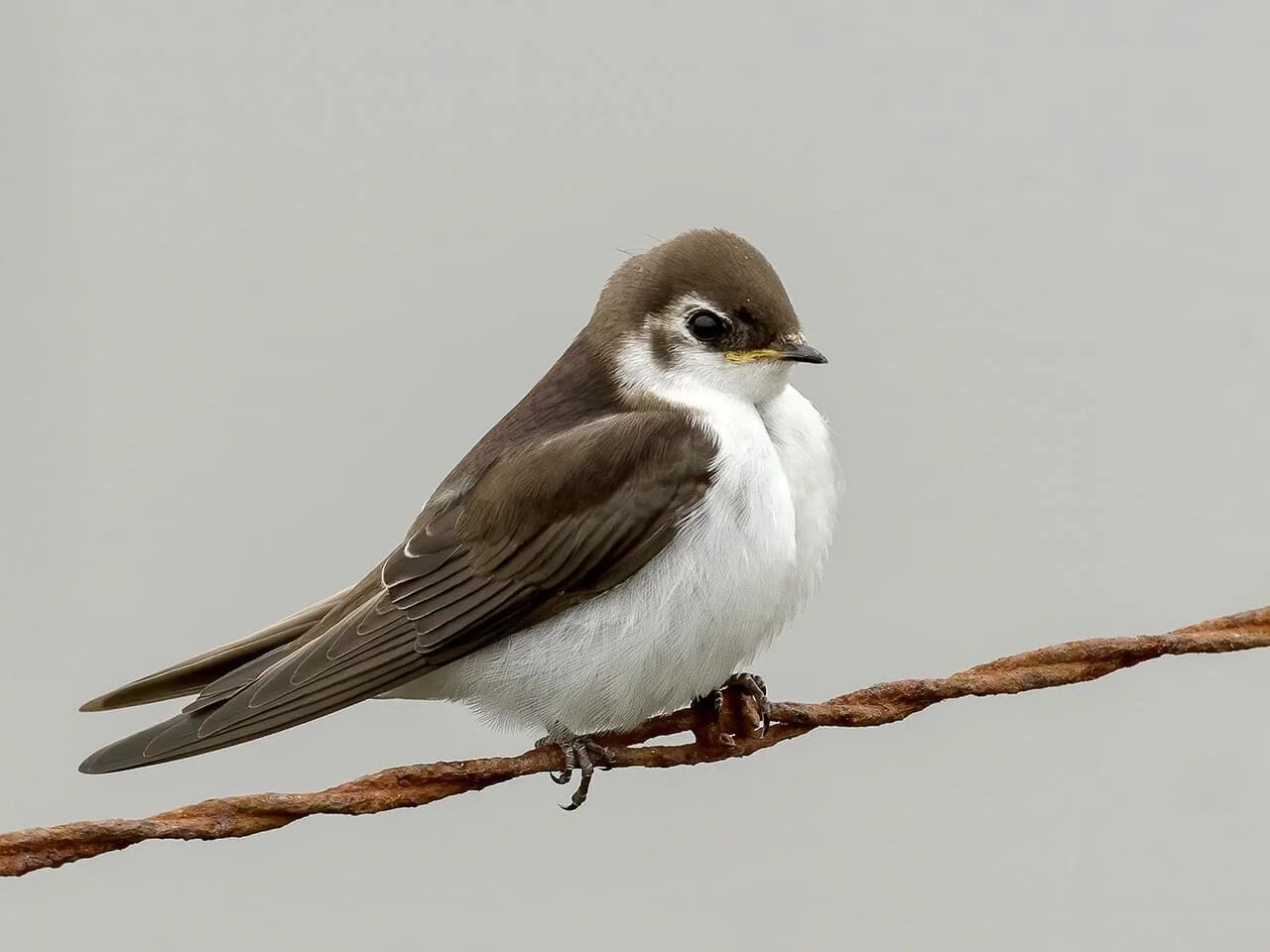
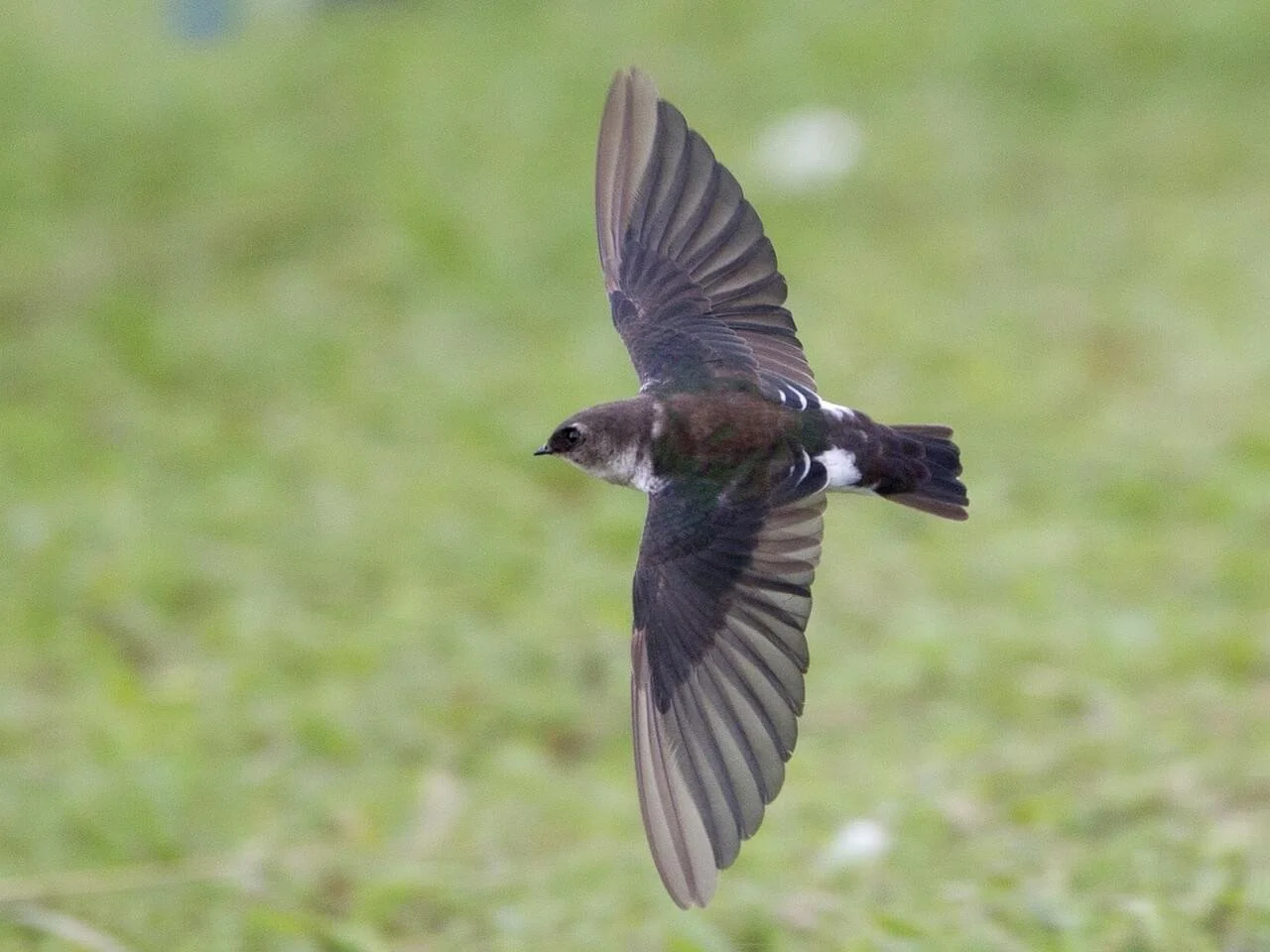
Violet-Green Swallow
Bird Code: VGSW
Identify this bird by…
Small, sleek songbird with long, curved wings, a tiny bill and small head, and a slightly forked tail
Iridescent green above with purple on the rump, pure white below, and blackish flight feathers.
Juveniles have brown feathers instead of green
Look for …
Colors depends on lighting, can look tuxedo
Pure white throat and belly that curves up past eye and onto the flanks, almost touching on back
Listen for…
Song: series of simple chirps given in random rhythm, can sound like “chee-chee”
Resources:


Cliff Swallow
Bird Code: CLSW
Identify this bird by…
Compact swallow with a short, square tail.
In flight, looks slightly less angular than other swallows, more with rounded wings.
Note pale buffy-orange rump, separating Cliff from other swallows.
Look for dark throat and pale forehead.
Listen for…
Call: Most common call is a soft chur. They also give a squeak when foraging and a purr-like alarm when predators approach the colony.
Song: During courting and nesting, Cliff Swallows sign a series of guttural grating sounds and squeaks, usually lasting up to 6 seconds.
Resources:
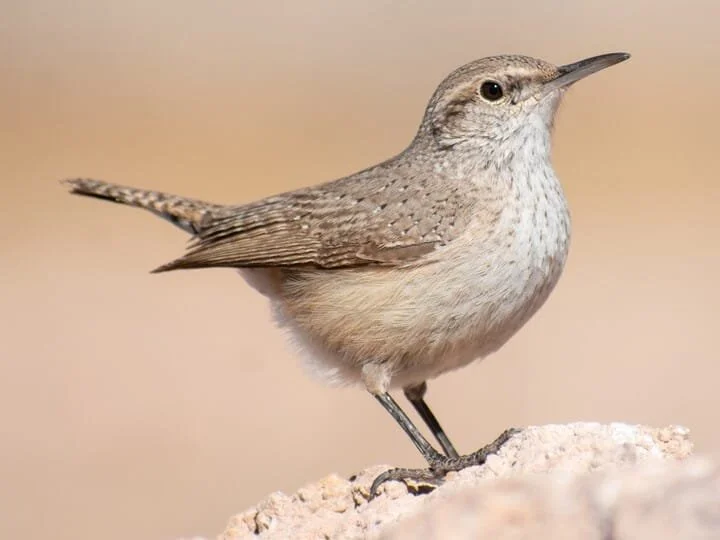
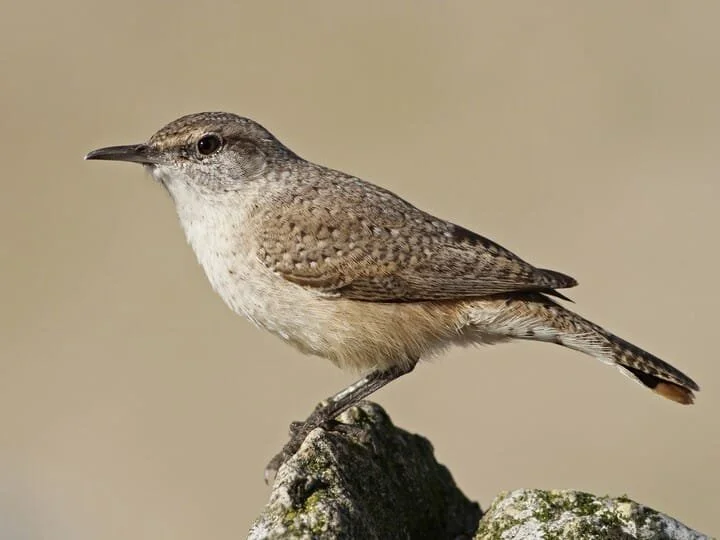
Rock Wren
Bird Code: ROWR
Identify this bird by…
Pale grayish wren with a long, slightly decurved bill.
Look for the salt-and-pepper speckling on upperparts, light buffy wash on sides, and black-and-white bars on undertail coverts.
Listen for…
Songs: Males sing a series of dry, burry, cheerful-sounding phrases, with each phrase on a different pitch, sounding like keree keree keree, chair chair chair chair, deedle deedle deedle deedle, tur tur tur tur, keree keree keree trrrrrrr. Variations on the song seem to be almost infinite in this species, but the pattern and tone are distinctive.
Calls: The most commonly heard call is a burry tick-ear, given by both sexes.
Resources:
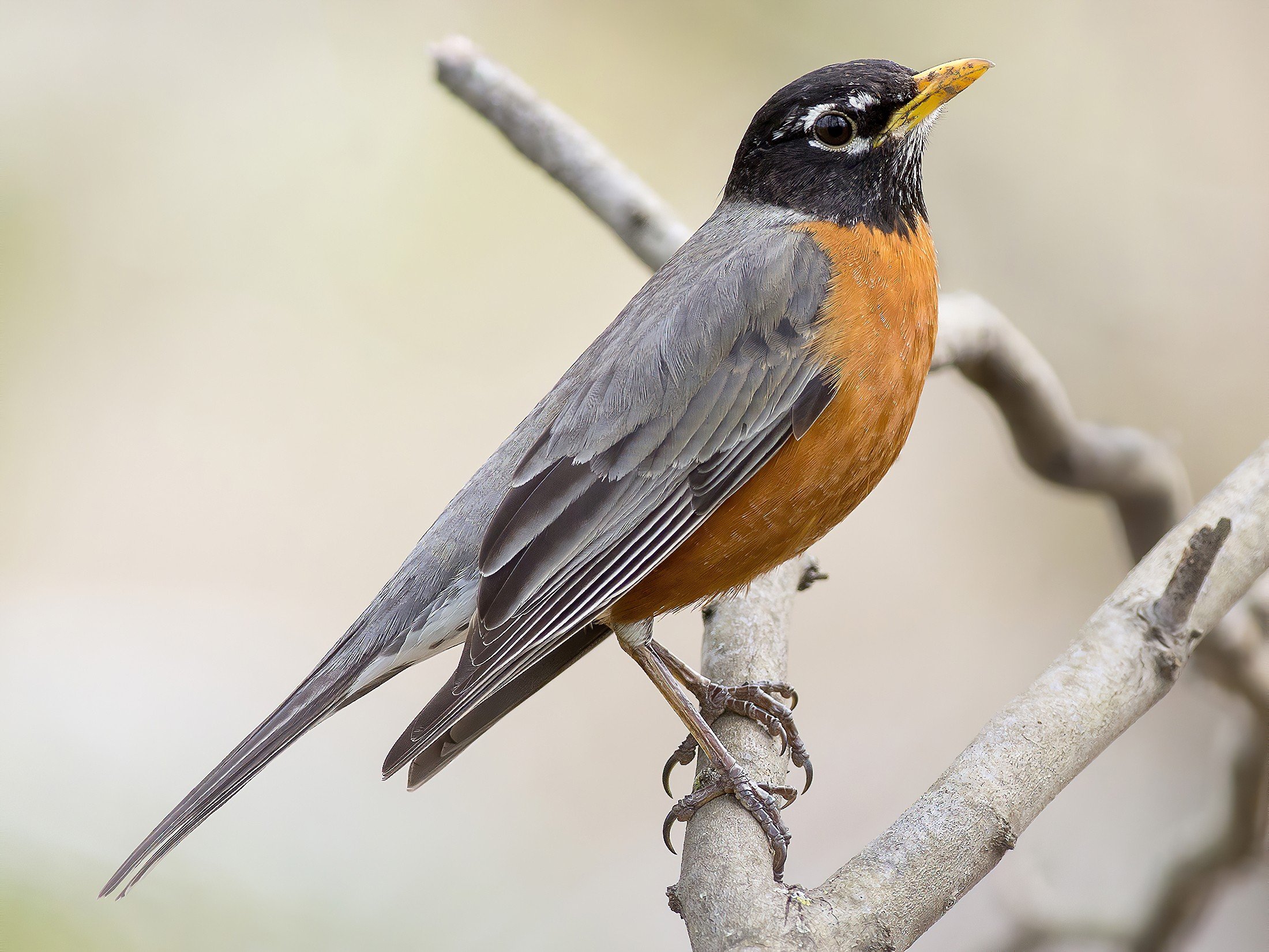
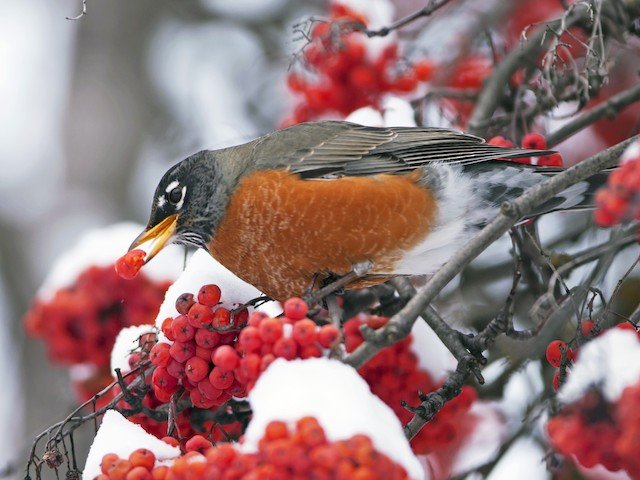
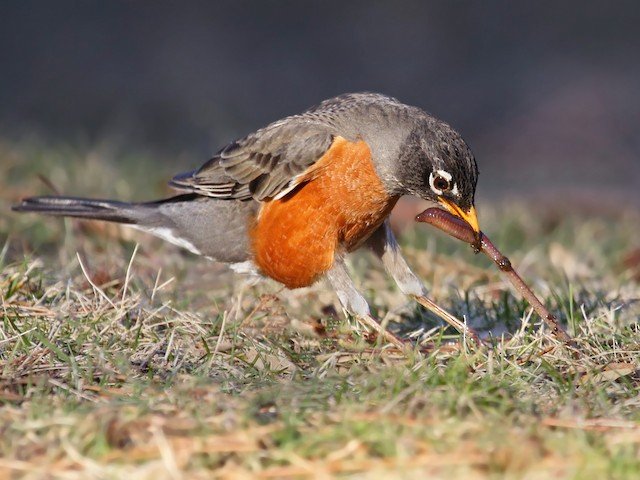
American robin
Bird Code: AMRO
Identify this bird by…
Fairly large songbird with a round body, long legs, and a longish tail.
Gray above with warm orange underparts and blackish head.
Listen for…
Call: Mumbled cuck or tuk to communicate with each other, or a short yeep or peak as an alarm call.
Song: A string of around 10 whistles sounding like cheerily, cheer up, cheerily, cheer up.
Resources:

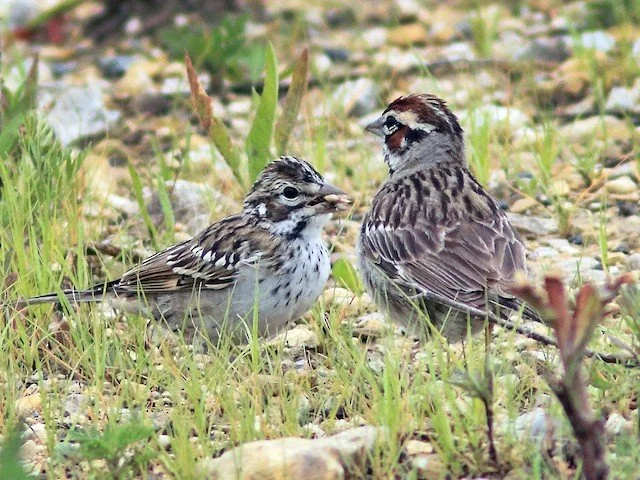
LARK SPARROW
Bird Code: LASP
Identify this bird by…
Large pale sparrow with thick bill.
Striking bold harlequin face pattern of rufous, black and white
Pale underparts with dark spot on the breast
Towhee-like white tail corners
Listen for…
Call: sharp, metallic tink call
Song: a melodius jumble of trills, repeated clear notes, buzzes, churrs – like a little wind-up toy
Resources:
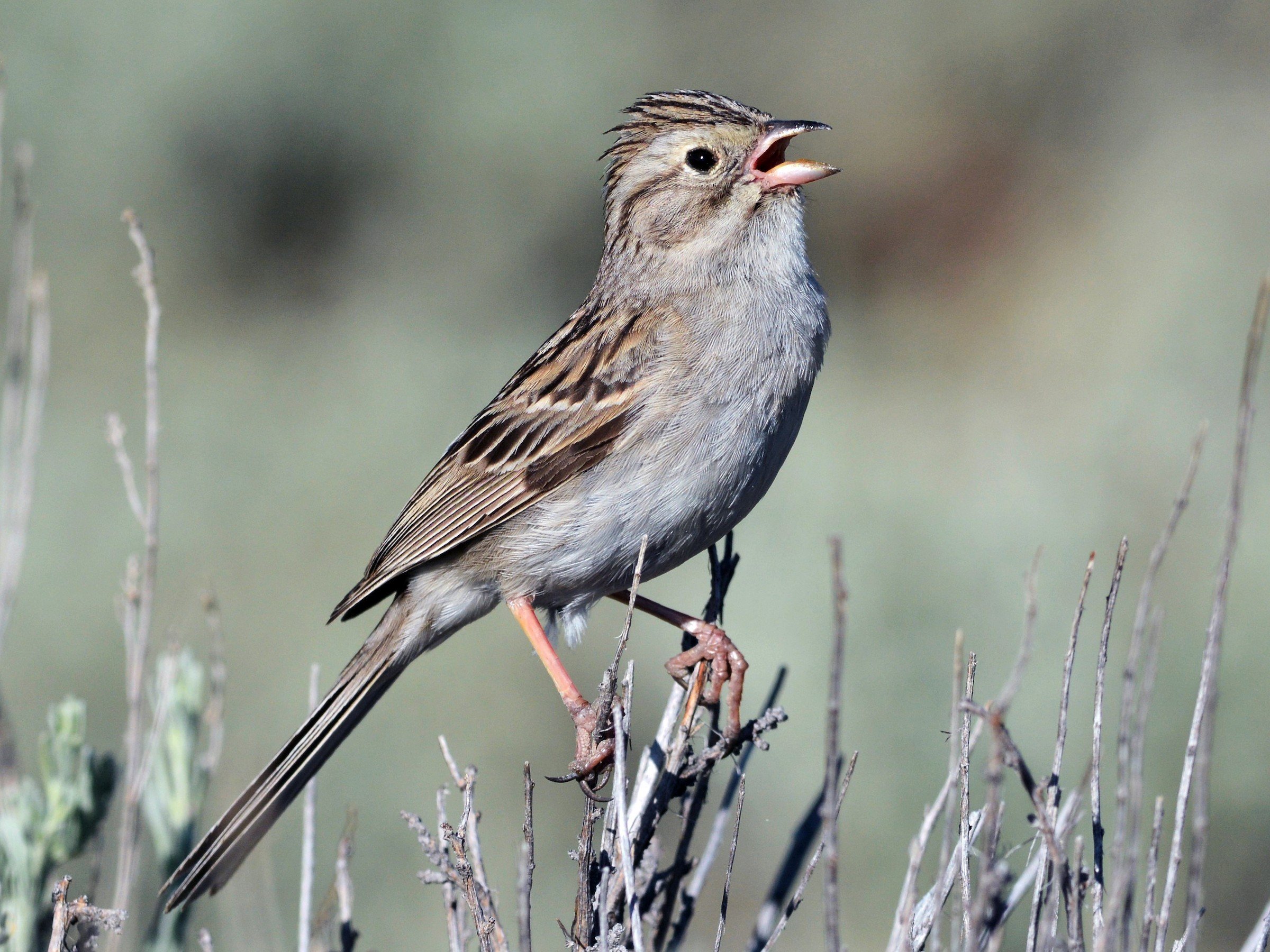
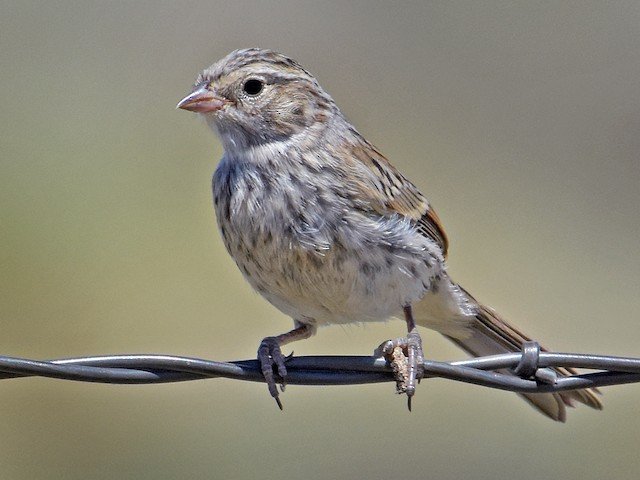
BREWER’S SPARROW
Bird Code: BRSP
Identify this bird by…
Dainty, slim sparrow with long tail and short, rounded wings.
Plain and drab gray-brown with a thin white complete eye-ring, indistinct face pattern, pale lores, and streaked nape.
Tell it apart by…
Non-breeding Chipping Sparrows can look similar, but CHSP have stronger wingbars and bolder face pattern with a darker eyeline that goes all the way through the eye
Listen for…
Call: soft, typical sparrow “seep” call
Song: very long and varied series of descending trills and buzzes. It sounds like a Chipping Sparrow trying to sing like a Canary
Resources:
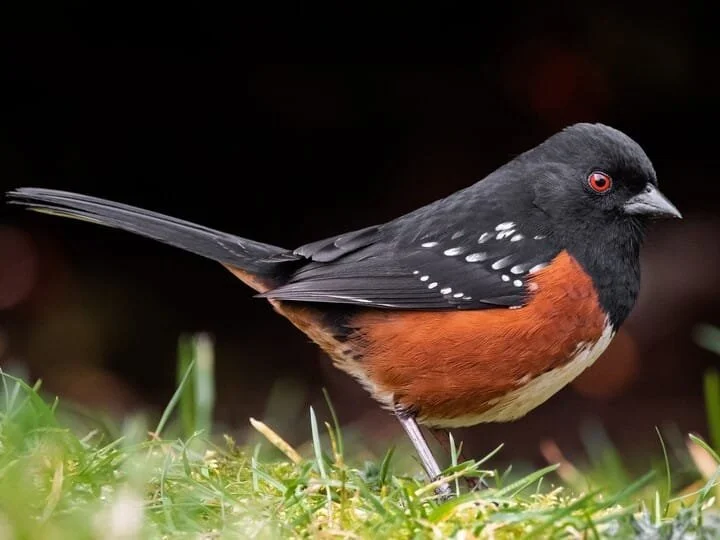
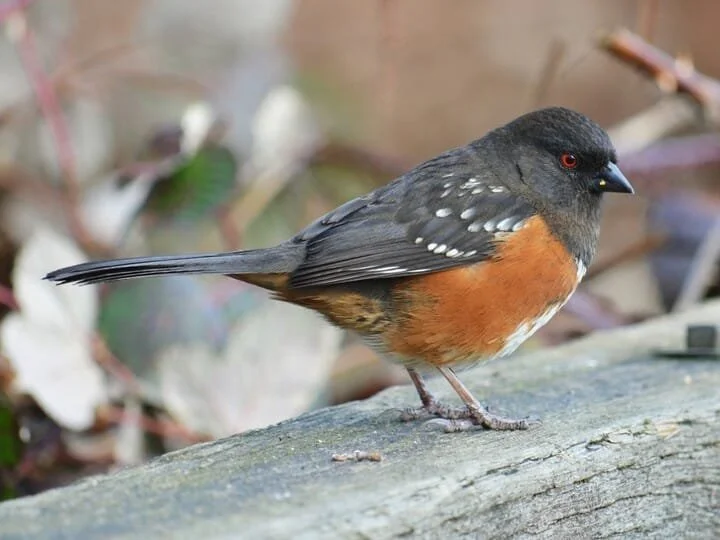
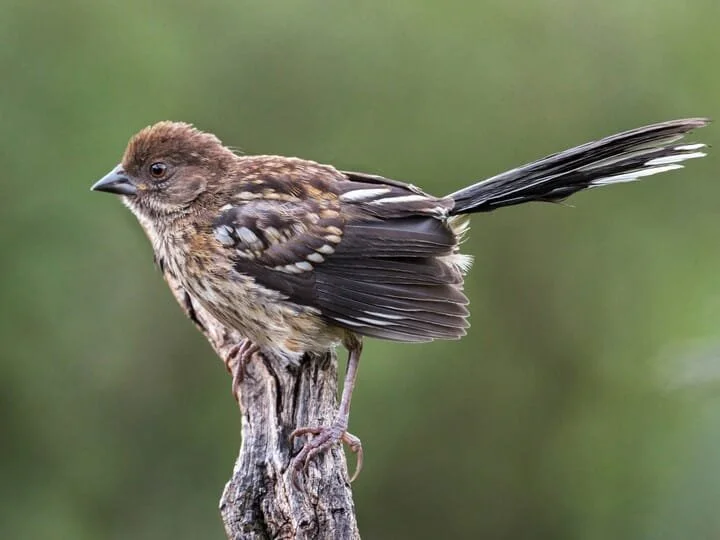
Spotted towhee
Bird Code: SPTO
Identify this bird by…
Large sparrow with thick bill and a long tail
Black above with white spots on wings and back, bright rufous sides, and white belly.
Note red eyes and white corners of tail in flight
Tell males and females apart by…
Females are brown on the head, throat, and underparts, with white spots on wings and back
Males are black on the head, throat, and underparts with white spots on wings and back
Listen for…
Song: 2 identical introductory notes followed by a buzzy, rapid trill that sounds like “chup-chup-zeeeeeee.”
Call: A cat-like, short, “mew” call
Resources:


bullock’s Oriole
Bird Code: BUOR
Identify this bird by…
Adult males have a large white wing patch and a mostly orange face with black eyeliner.
Females are duller overall, mostly gray on the belly, usually with the brightest orange on the face.
Immature males are similar to females, but usually slightly brighter and with a black throat and eyeliner.
Listen for…
Call: Harsh, chattering rattle to signal alarm. Also, give a sharp one-note call.
Song: 3 seconds long, composed of rich whistled notes interspersed with rattles, often introduced by gruff scratchy notes.
Resources:
Brewer’s Blackbird
Bird Code: BRBL
Identify this bird by…
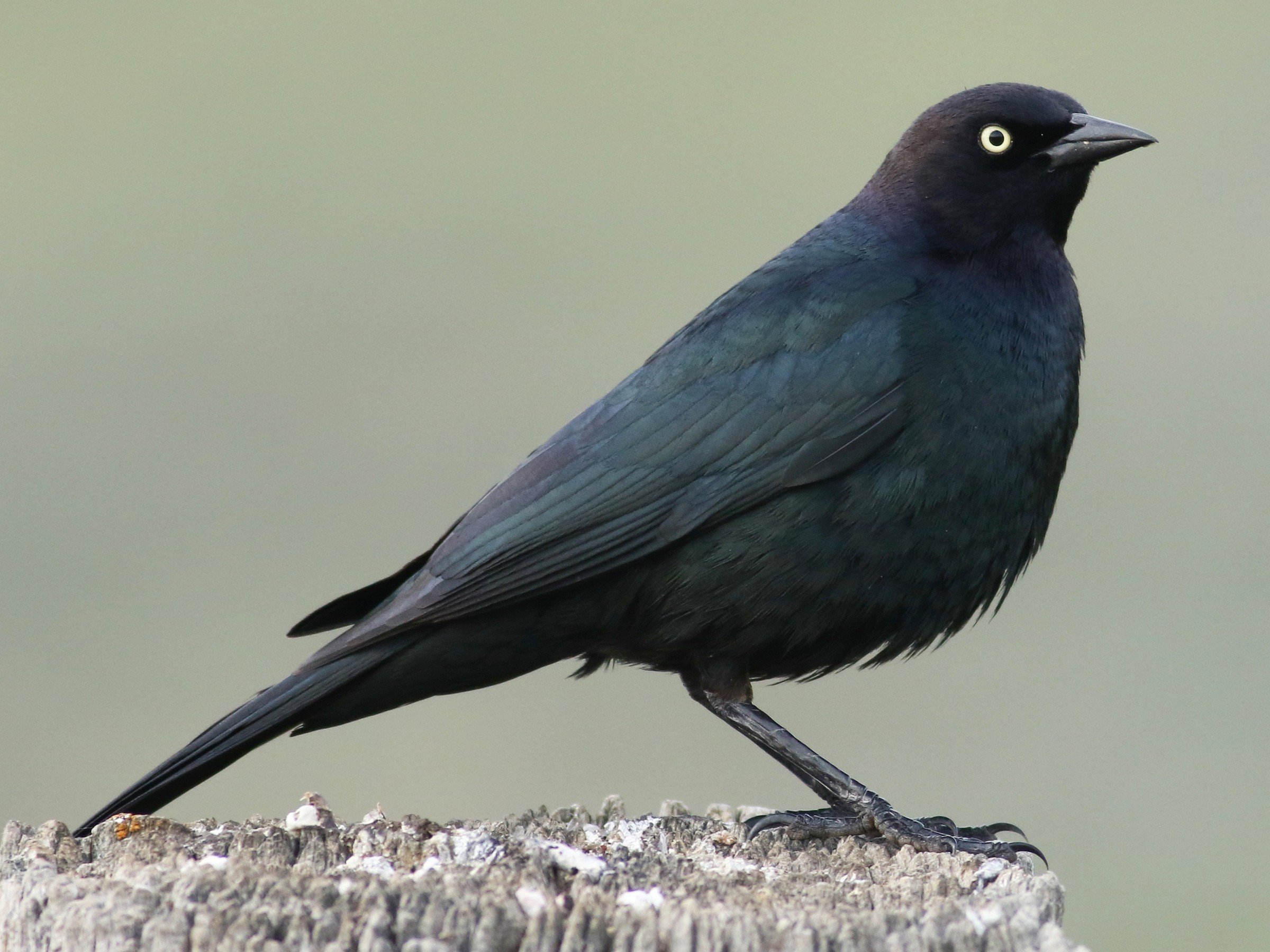
Breeding males are glossy black with a purplish head and a greenish sheen on the body.
Non-breeding males and pale eyebrows and staring yellow eyes.
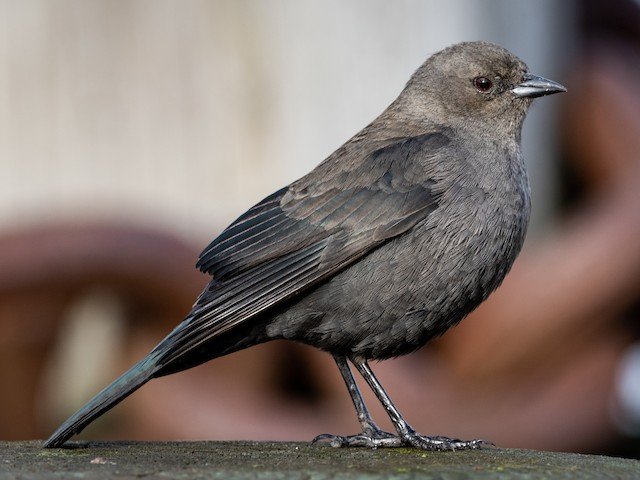
Females are plain dark brown and typically have dark eyes.
Females are similar to Brown-headed Cowbird, but with a longer, thinner bill and longer tail than the cowbird.
Listen for…
Call: A tchup or chuk, similar to the calls of other blackbirds.
Song: Rising squee that lasts about 0.8 seconds with a metallic sound.
Resources:
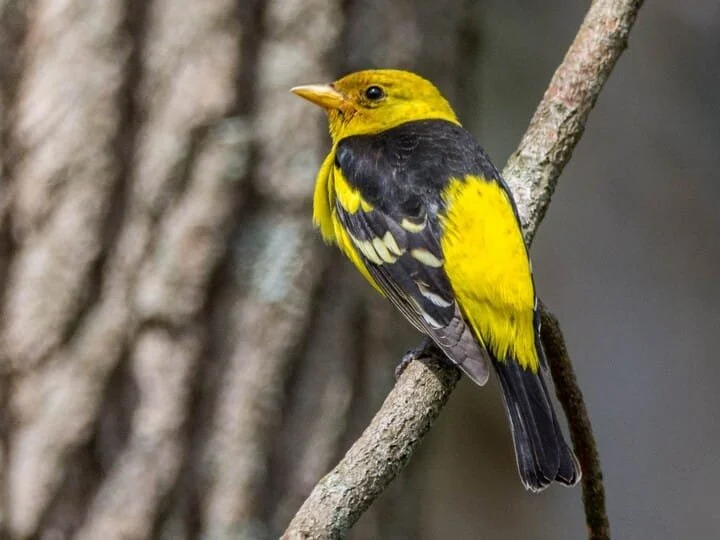
WESTERN TANAGER
Bird Code: WETA
Identify this bird by…
Stocky and heavier-bodied than other tanagers, with short-thick based bills and medium length tails
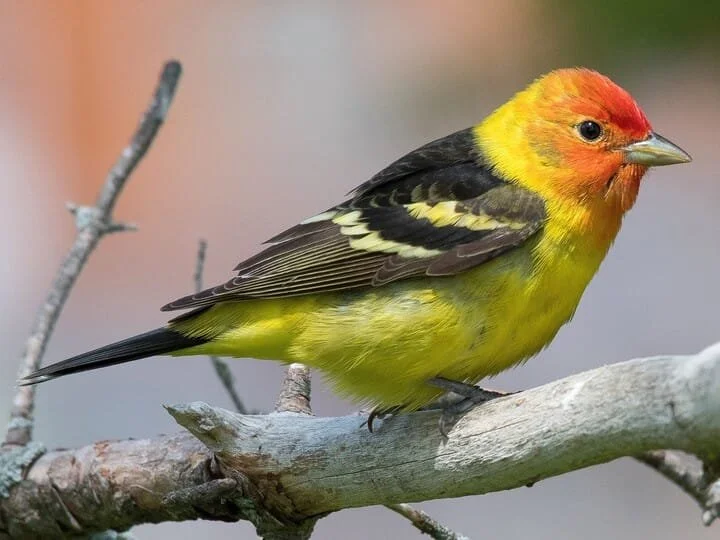
Males: Yellow with black wings and a variable flaming orange-red head. The wings have two bold wingbars; the upper one yellow and the lower white. The back and tail are black
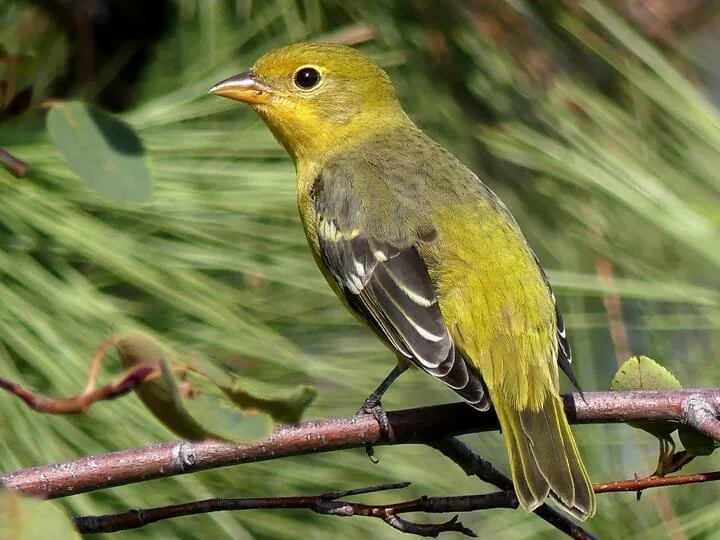
Females: Red restricted to the front of the face, with subdued yellow-green plumage on the body
Look for…
Forage slowly and methodically along branches and among leaves or needles of trees
Listen for…
Song: Similar to the American Robin’s song, but shorter and raspier. It lasts about 2.5 seconds and consists of a few short, burry up-and-down phrases
Call: 2-3 note chuckling or rattling call
Resources:


Lazuli Bunting
Bird Code: LAZB
Identify this bird by…
Small, stocky songbird with a cone-shaped beak
Breeding males are bright cerulean above with bold white wingbars, a white belly, and an orange breast
Females are plain, buffy brown with paler wingbars and a slightly brighter, orangey breast.
Listen for…
Song: Males sing a series of jumbling and squeaky notes, repeating 2-5 times for about 3 seconds.
Calls: A buzzy chip given by both males and females.
Resources:
Uncommon Birds in this Region
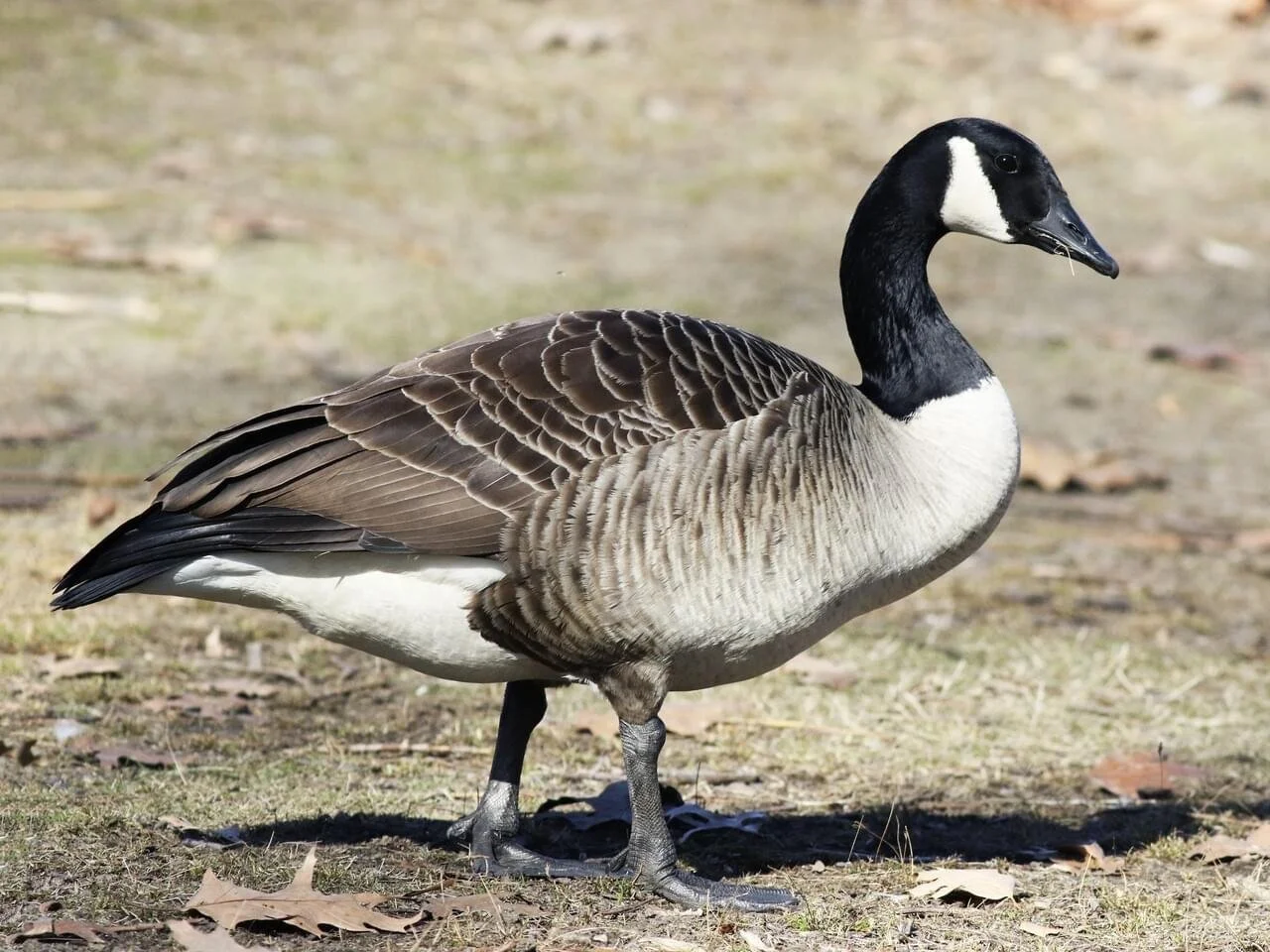
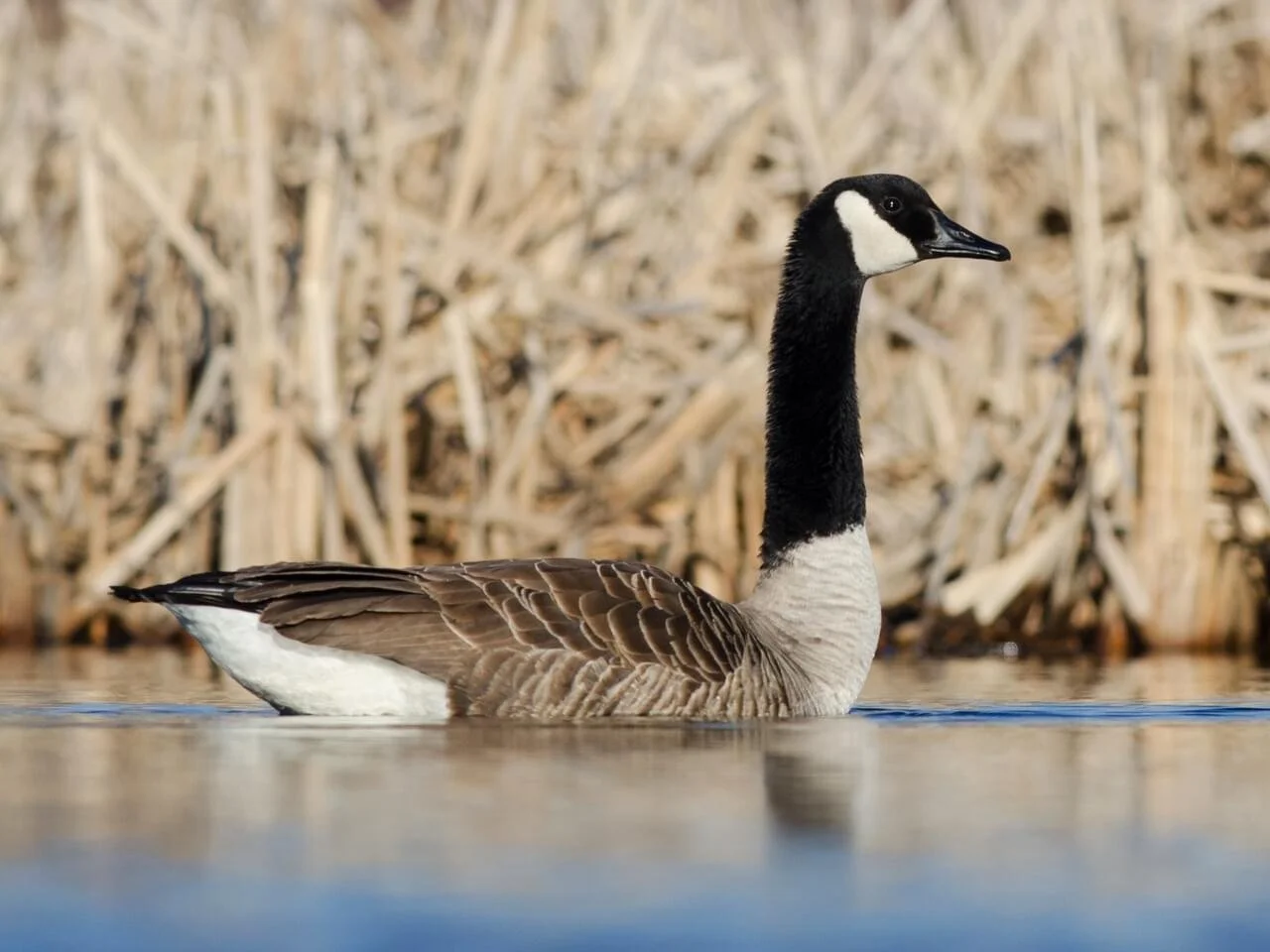
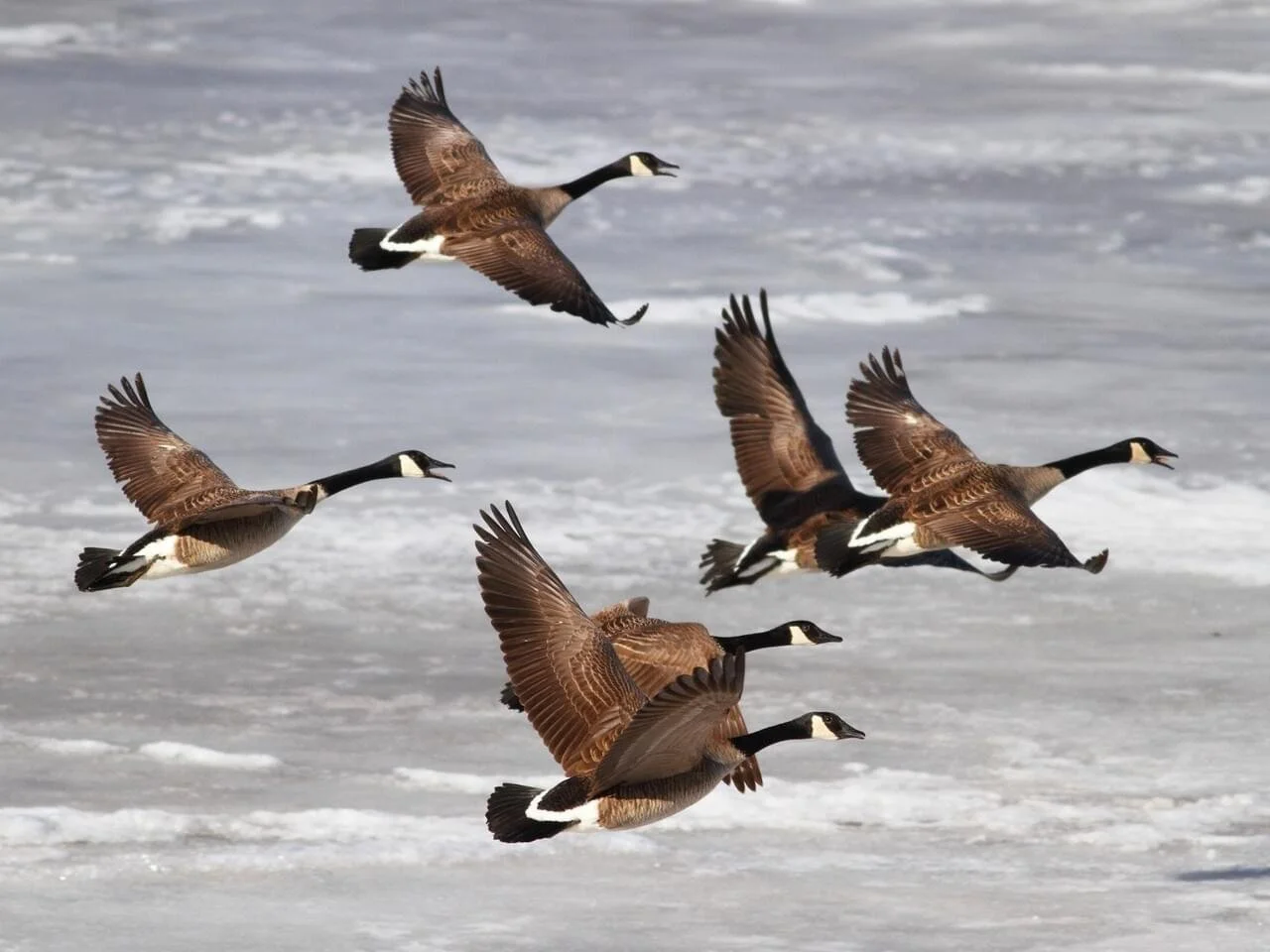
CANADA GOOSE
Bird Code: CANG
Identify this bird by
Big waterbirds with long neck, large body, wide flat bill and large webbed feet
Tell it apart by…
Black head with white cheeks and chinstrap
Black neck, tan breast, and brown back
In flight, you can see prominent white “U” on tail top
Look for…
Behavior - feed by dabbling in the water or grazing in fields and large lawns. They are often seen in flight moving in pairs or flocks; flocks often assume a V formation
Listen for…
Call: Various loud honks, barks, cackles, and hisses
Resources:
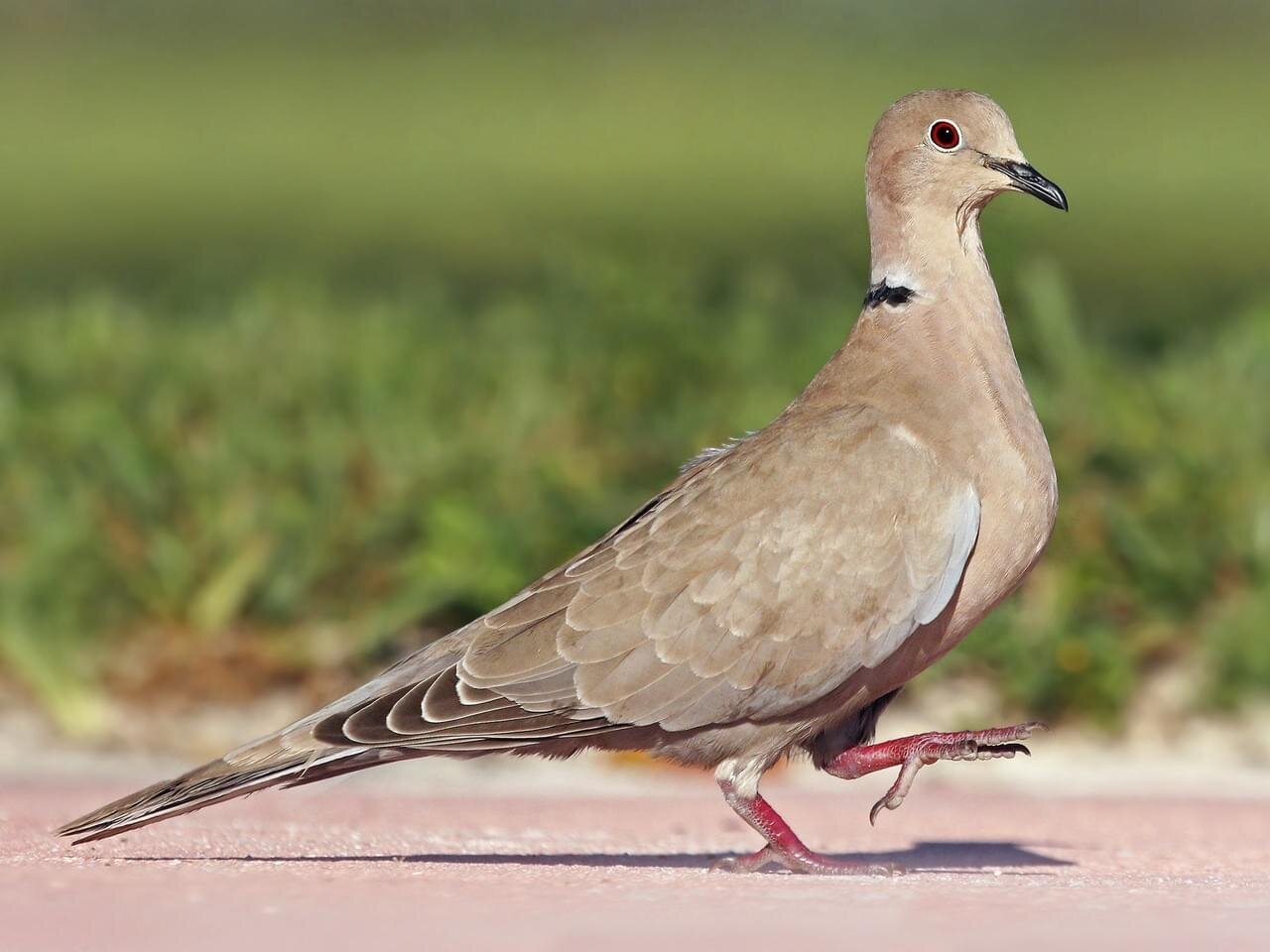
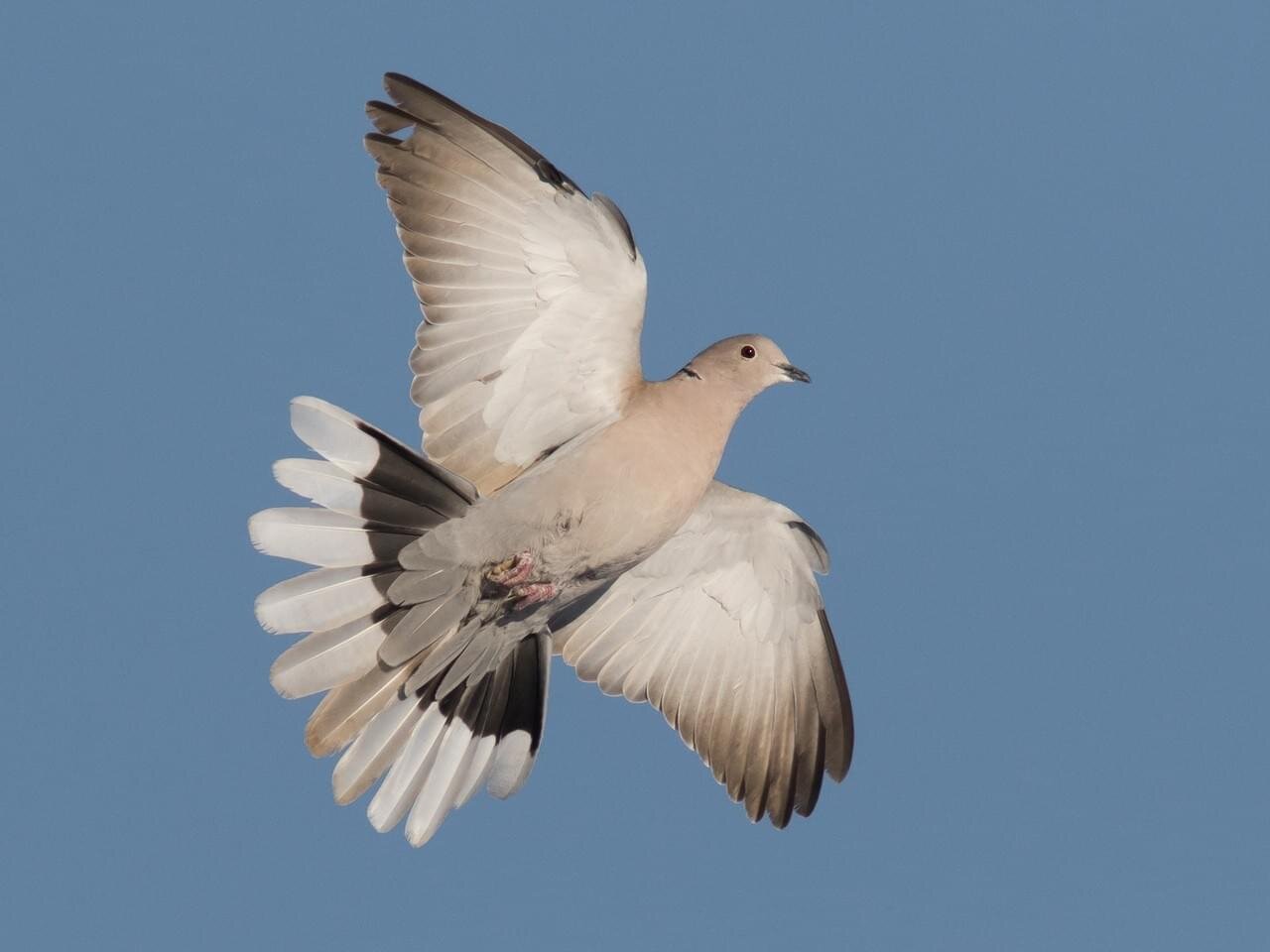
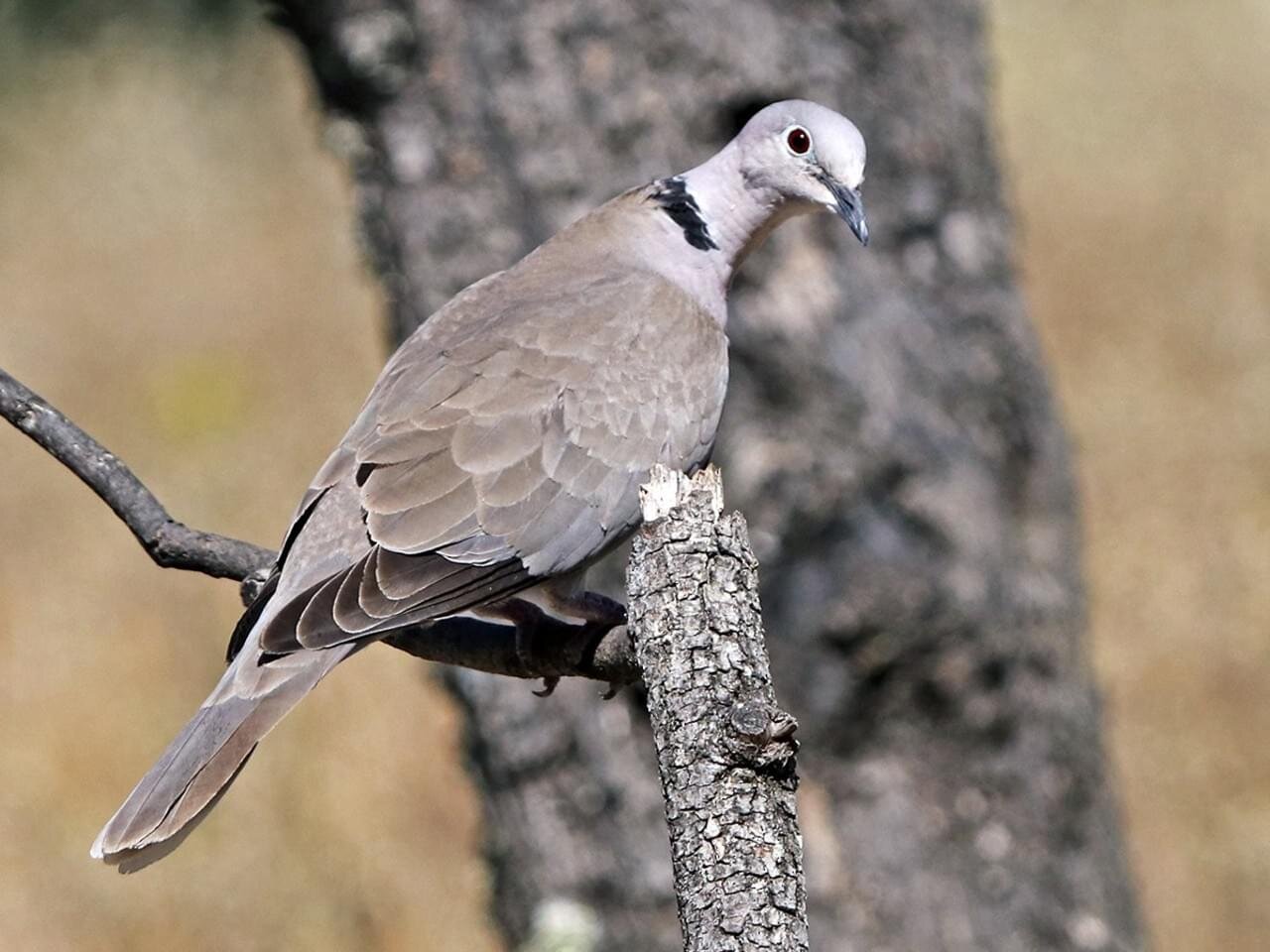
Eurasian collared-Dove
Bird Code: EUCD
Identify this bird by…
Large bird with square tail
The black “collar” around the back of its neck
Males and females look the same
Tell it apart by…
Larger and heavier than the Mourning Dove
Lacks spotting on side of body, instead this bird is overall a paler overall grey
Squared tail (rather than pointed/tapered)
Listen for…
Song: A rhythmic, repeated, three-syllable hooting: “coo-COO-coo!” With three syllables (instead of five) and an emphasized middle note, the song is rhythmically different from the mourning dove.
Call: a very harsh and nasal sound during flights.
Resources:


KILLDEER
Bird Code: KILL
Identify this bird by…
Slender bird with long wings and tail
Brown overall with white belly and 2 black breast bands; rusty tail visible in flight
Males and females look the same (not dimorphic)
Look for…
Behavior - Walking along the ground or running ahead a few steps, stopping to look around, and running on again. When disturbed they break into flight and circle overhead, calling repeatedly. Their flight is rapid, with stiff, intermittent wingbeats
Listen for…
Call: Calls are a high and thin tone, although they may do a variety of phrases- sometimes they even say their name: “kill-deer-kill-deer”
Resources:

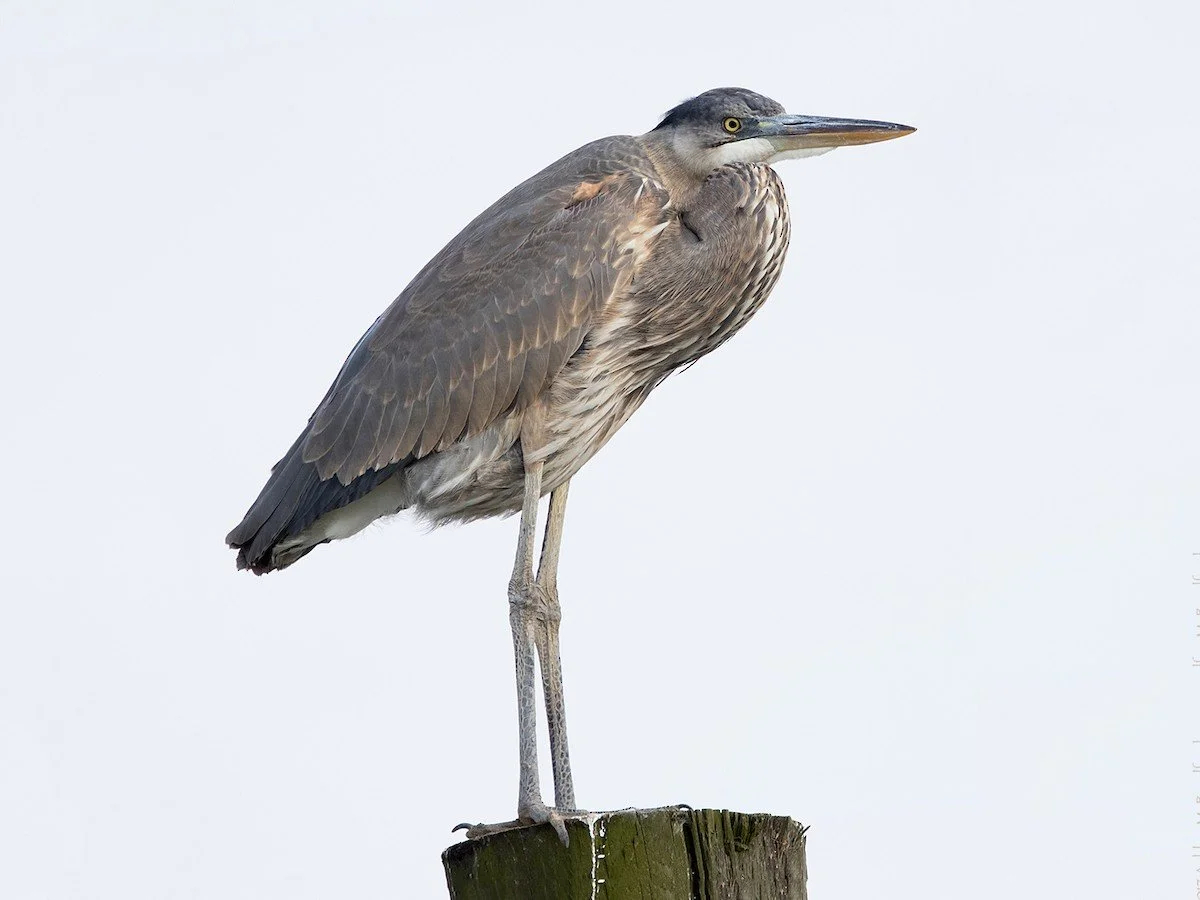
Great Blue Heron
Bird Code: GBHE
Identify this bird by…
Large wading bird with long legs and a long bill
Gray overall with a yellow-orange bill, short black plumes on the white head, and black and chestnut pattern on the shoulder.
Immatures are browner and streakier than adults and have a dark crown.
Listen for…
Calls: Squawking roh-roh-rohs in a “landing call” when arriving at the nest during breeding season. A disturbance can trigger a series of clucking go-go-gos, building to a rapid frawnk squawk that can last up to 20 seconds. If directly threatened, birds react with a screaming awk lasting just over 2 seconds. Chicks give a tik-tik-tik call within minutes of hatching.
Resources:
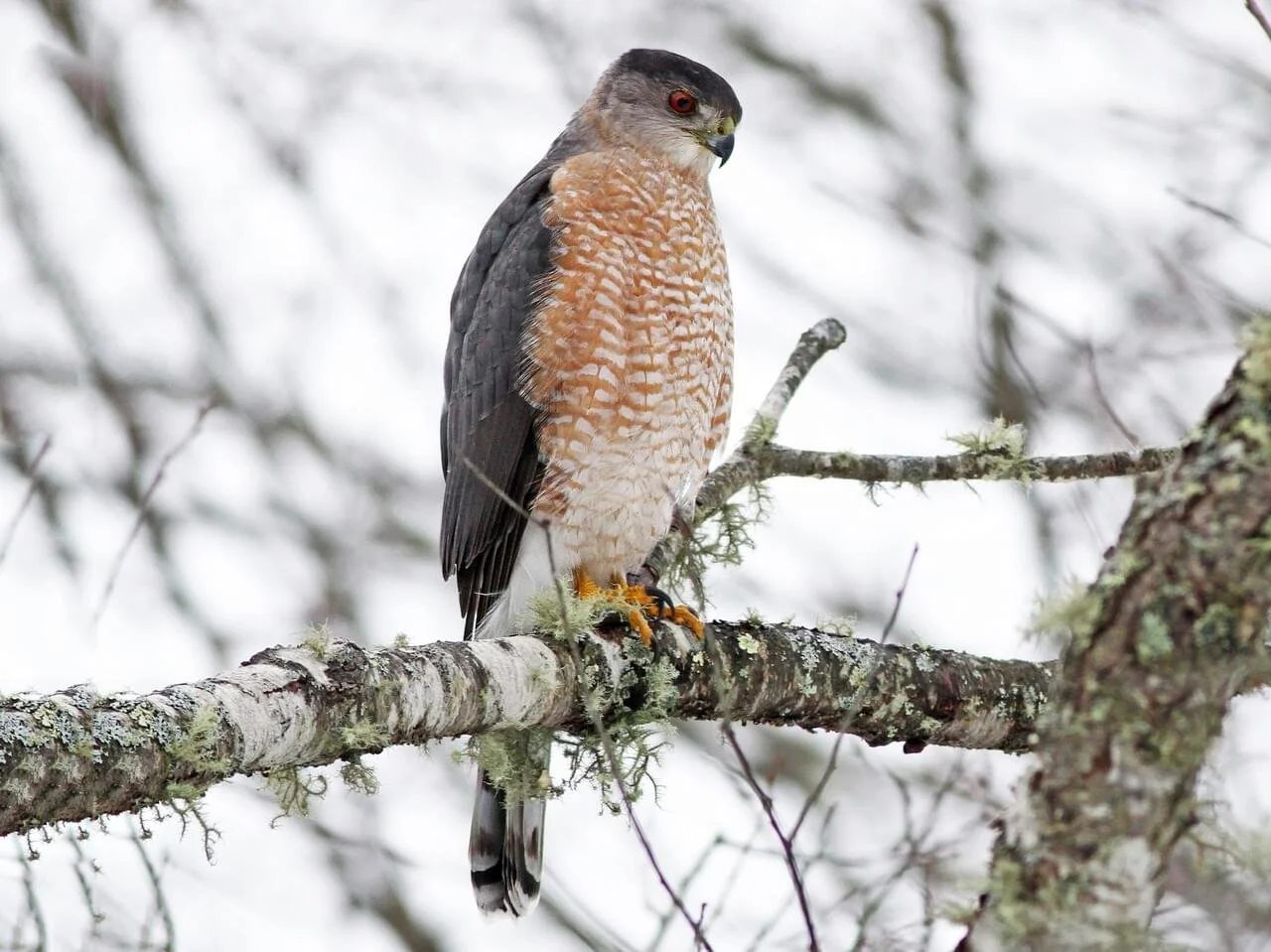
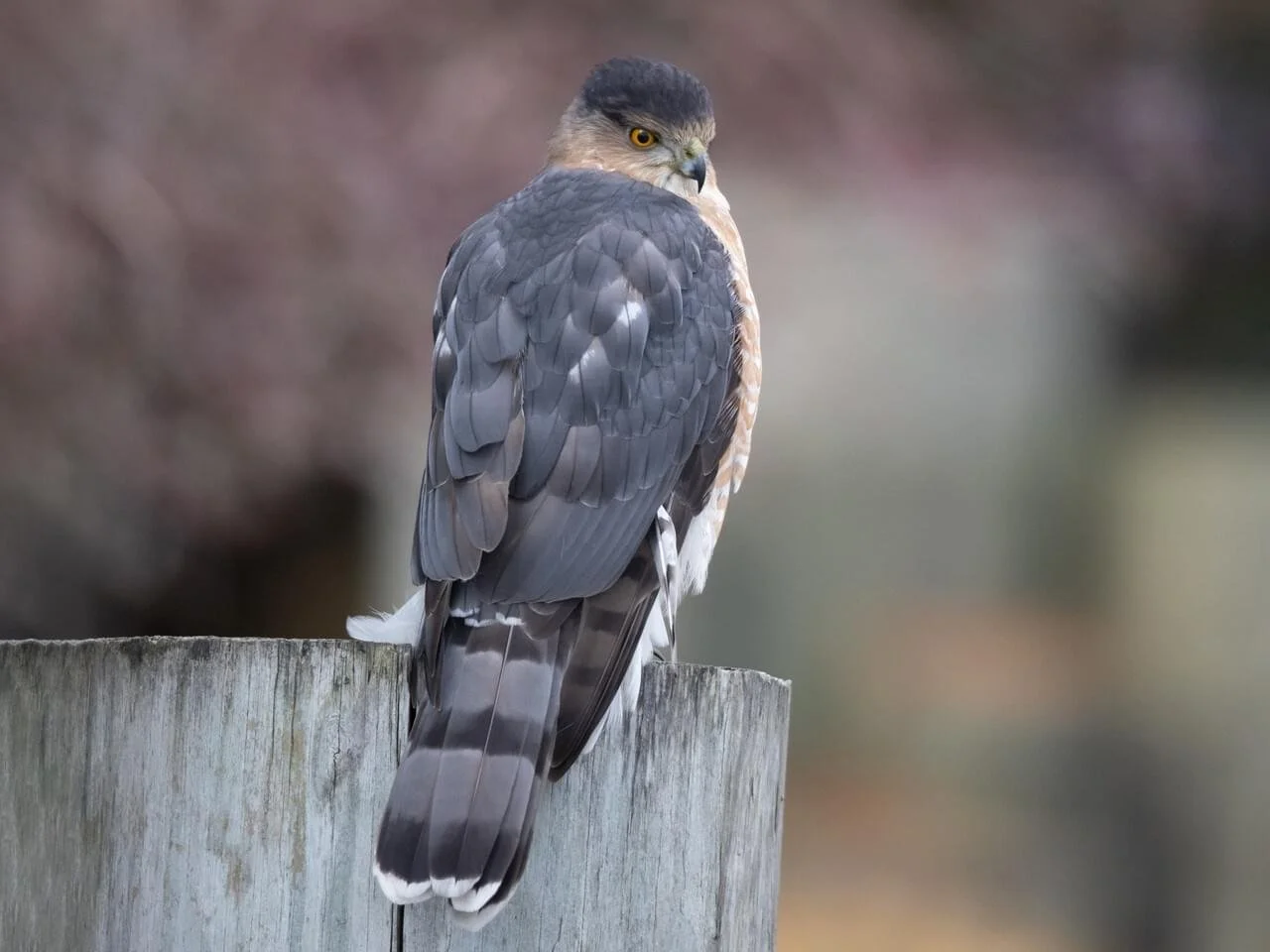
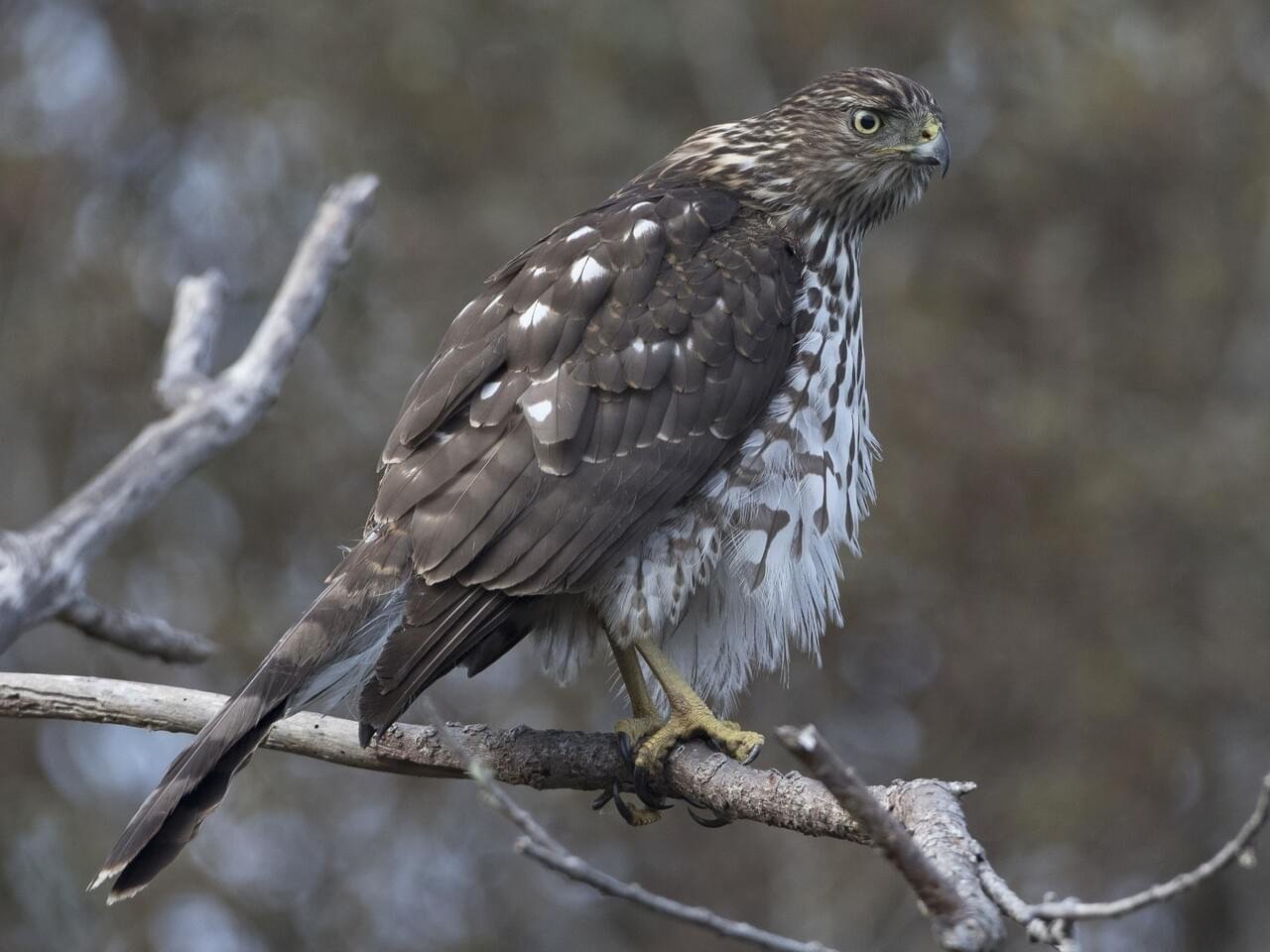
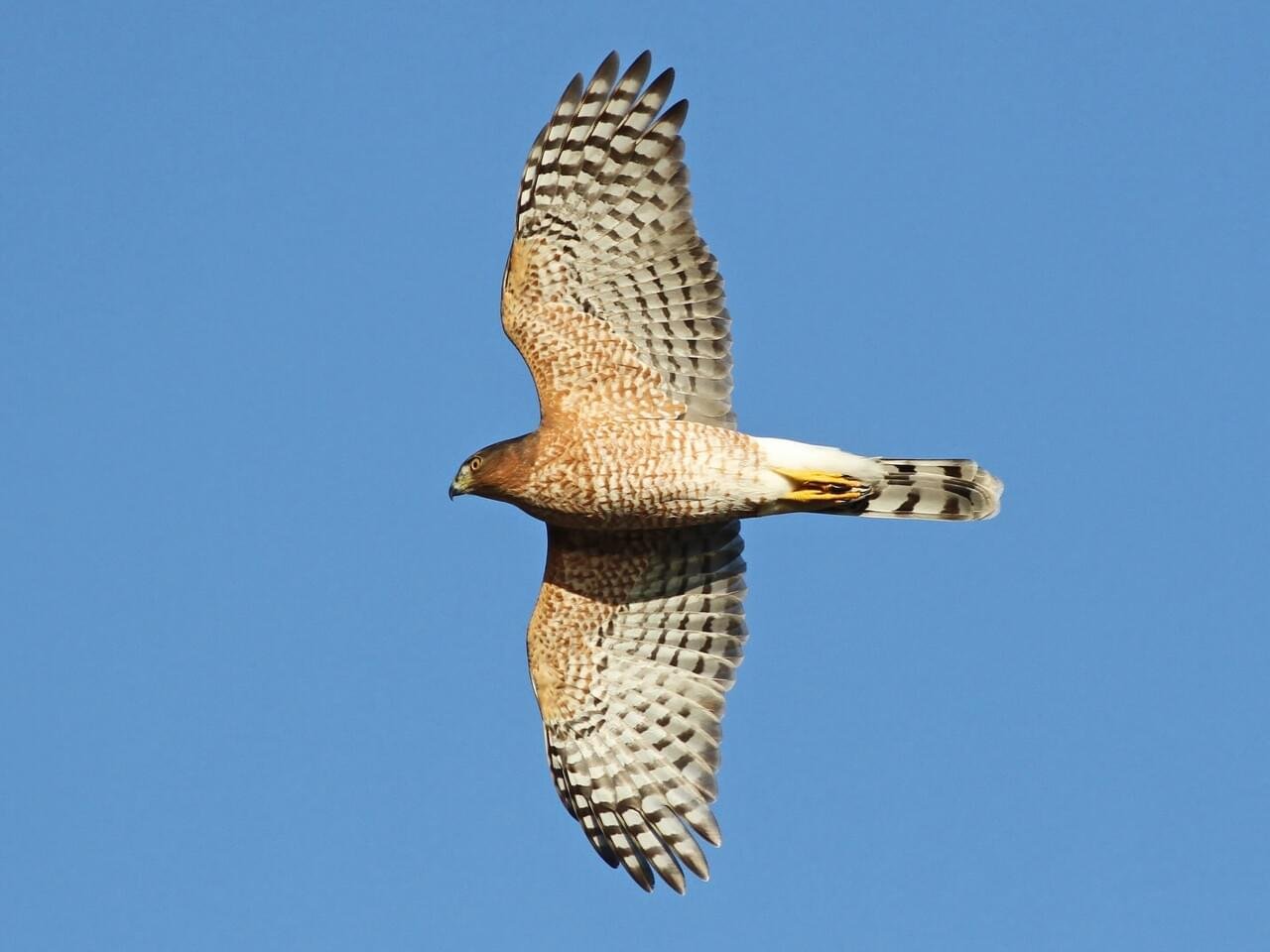
Cooper’s Hawk
Bird Code: COHA
Identify this bird by…
Accipiter with broad, rounded wings and a very long rounded tail, large head, broad shoulders
Adults are steely blue-gray above with warm reddish bars on the underparts and thick dark bands on the tail ending in white-edged tip
Juveniles/immatures are brown above and crisply streaked with brown on the upper breast,
Listen for…
Call: A loud, grating “cak-cak-cak” call that is 2-5 seconds long. To differentiate this call from the NOFL territorial call, note the difference in pitch and quality. COHAs have a much lower, scratchy sound, while NOFLs have higher pitched and more musical sound.
Resources:
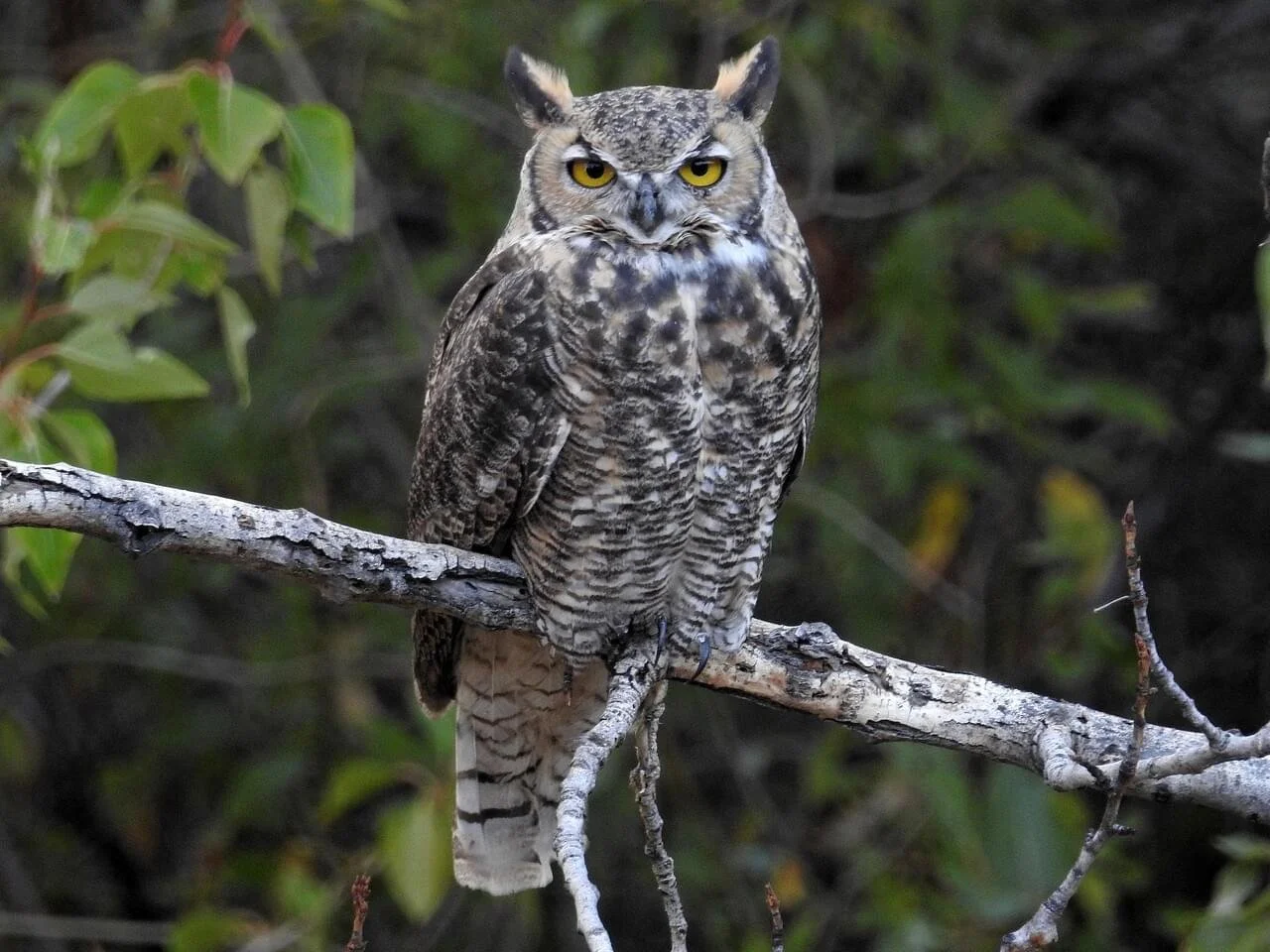
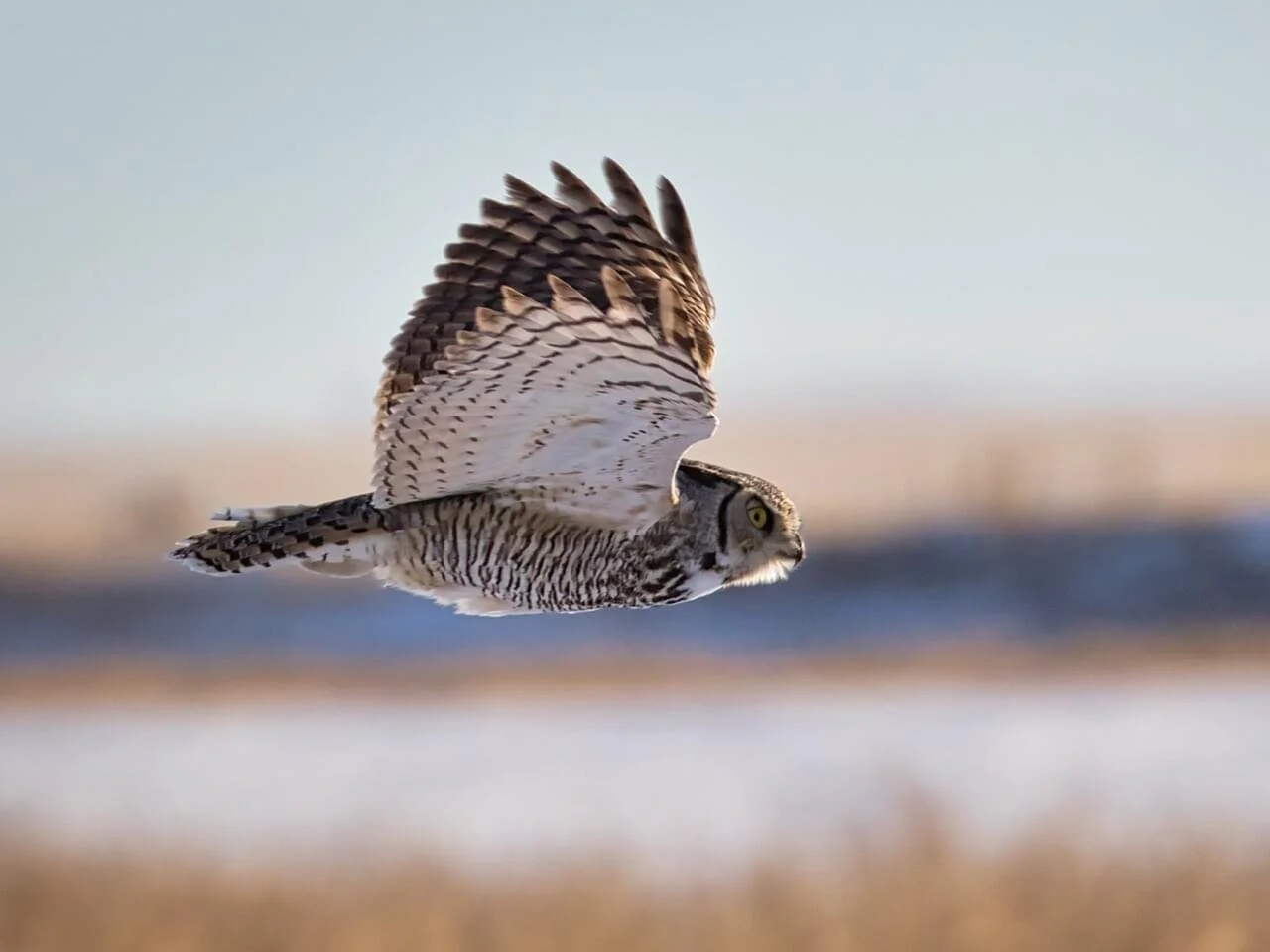
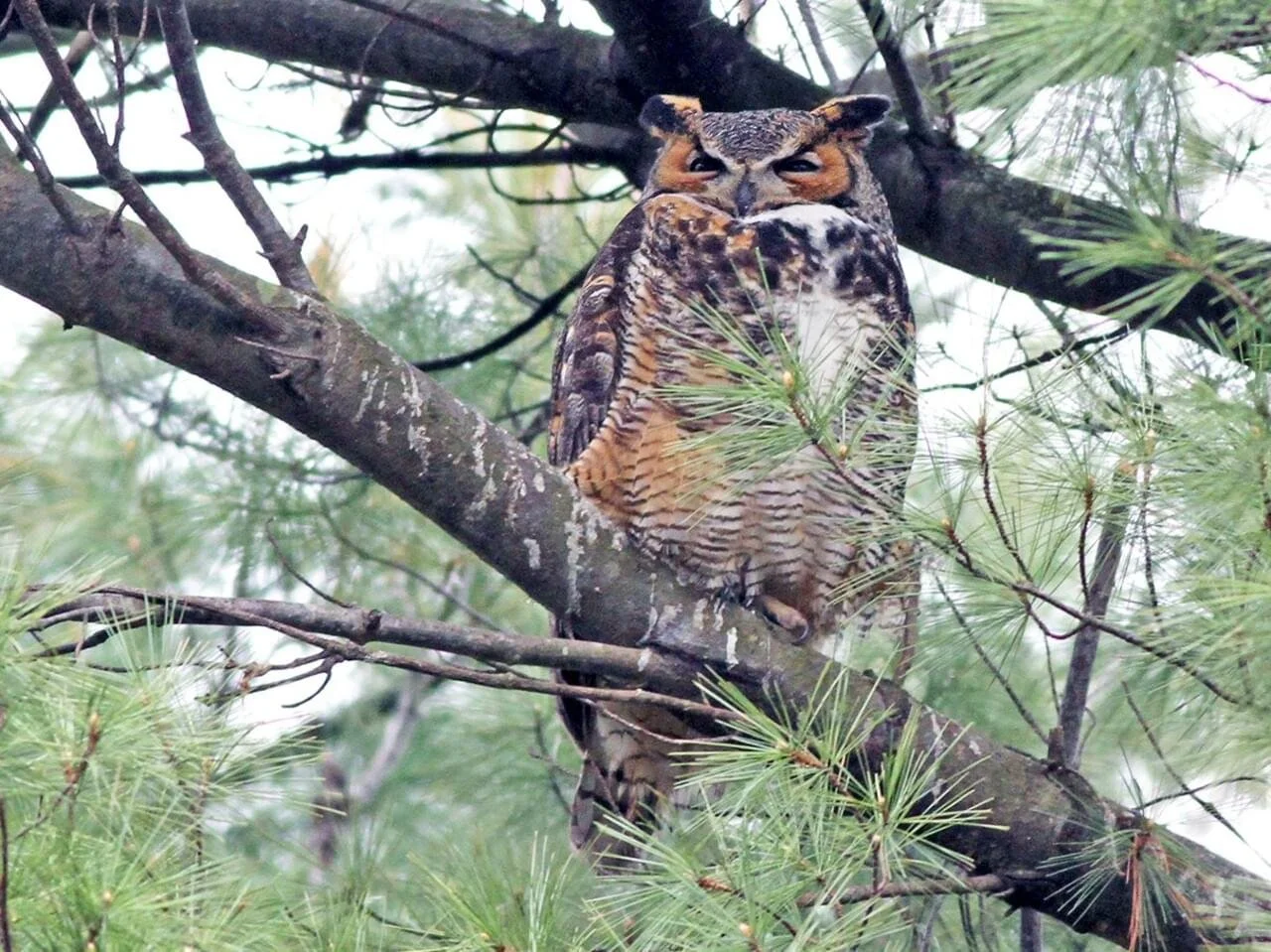
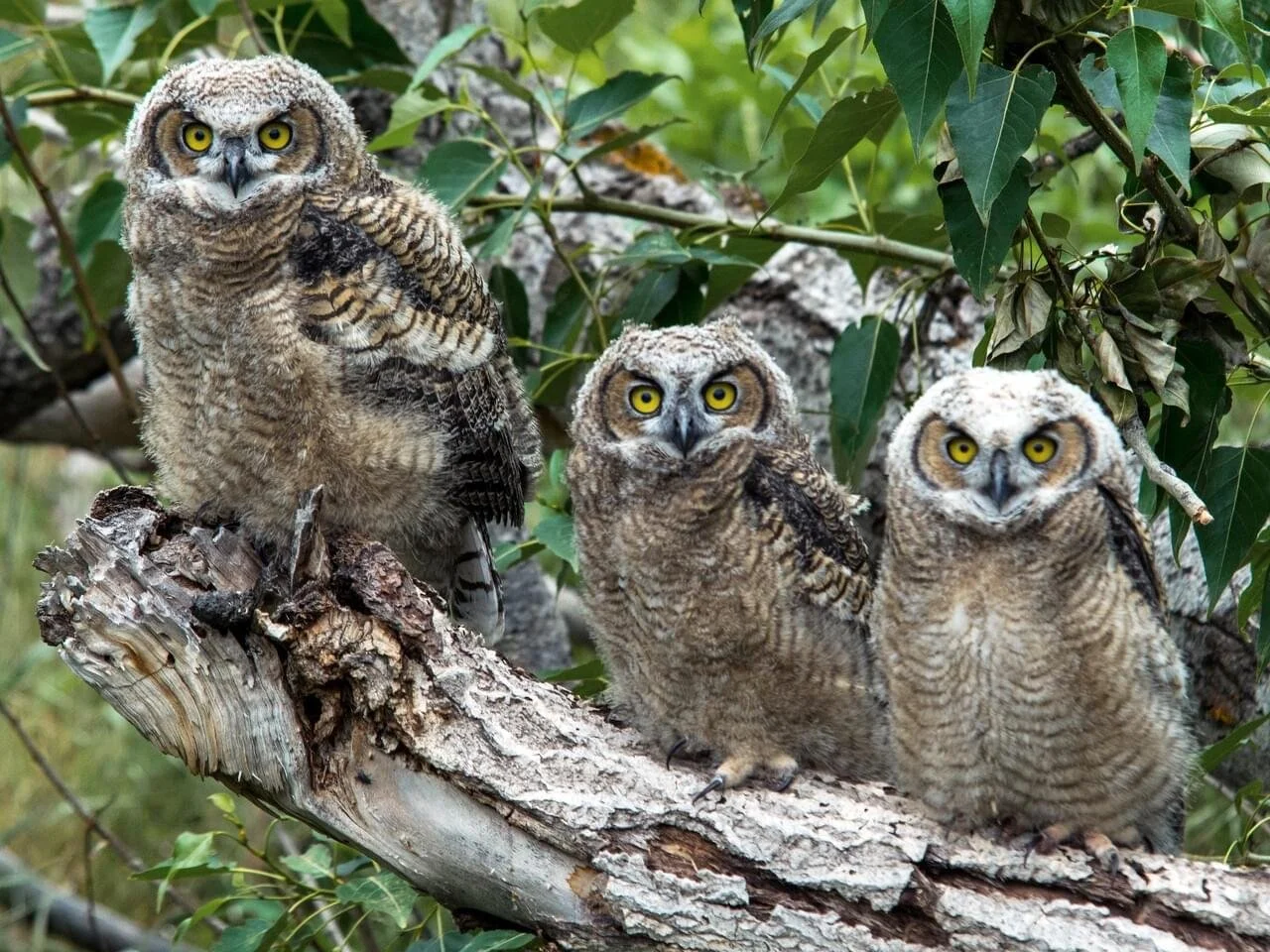
Great Horned Owl
Bird Code: GHOW
Identify this bird by…
Large owl with large ear tufts and large yellow eyes
Plumage is mottled with distinctive facial disk. Color varies from gray to cinnamon, with pale throat
Juveniles are fluffy with white down around head and facial disk prominent
Look For…
In flight, silent but looks hefty with broad wings
Listen for…
Song: Hooting “who-who-are-you, who, who”. Pairs often duet together, with females notably higher pitched
Call: A scream similar to Barn Owl but less emphatic
Resources:
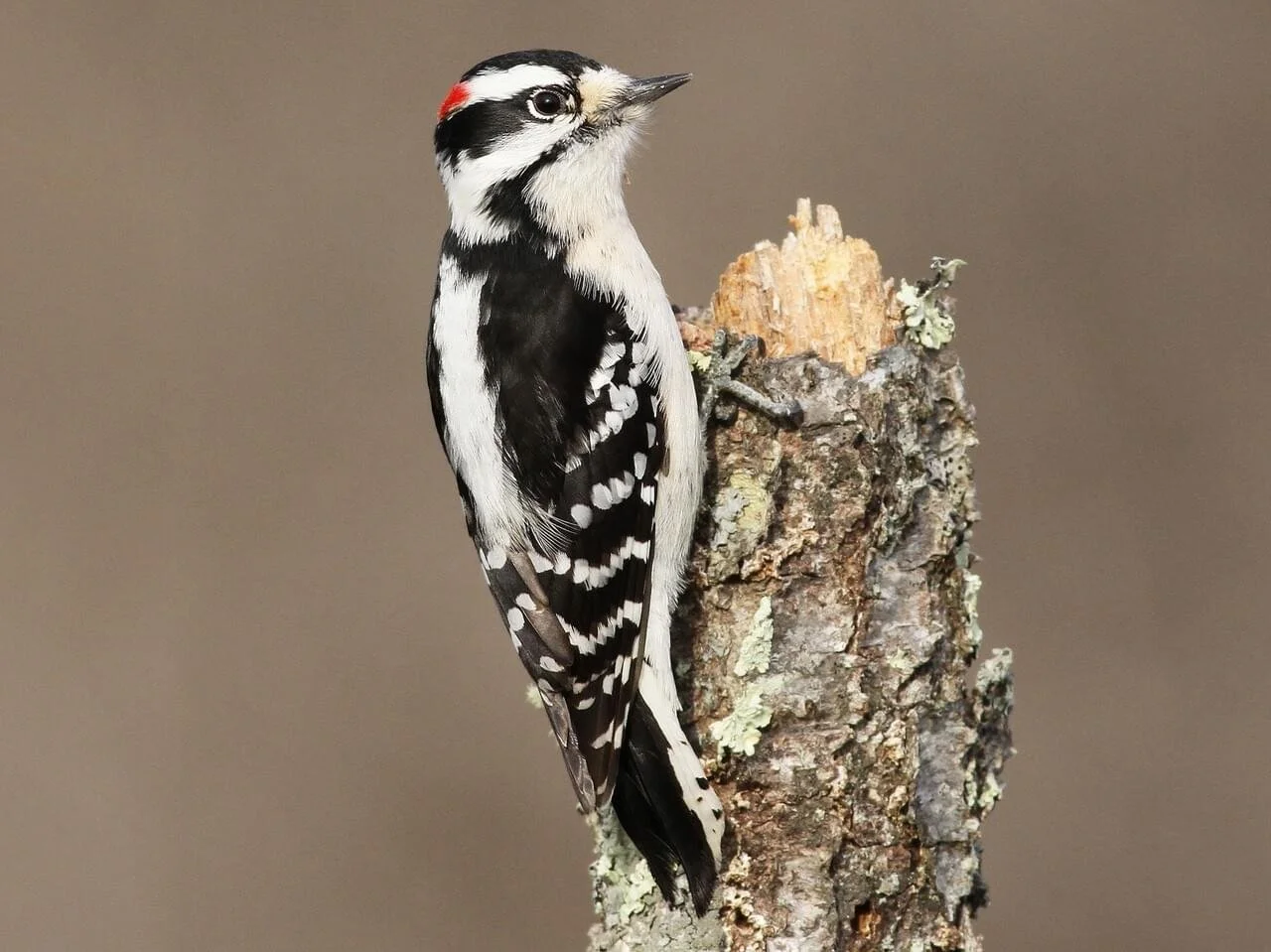
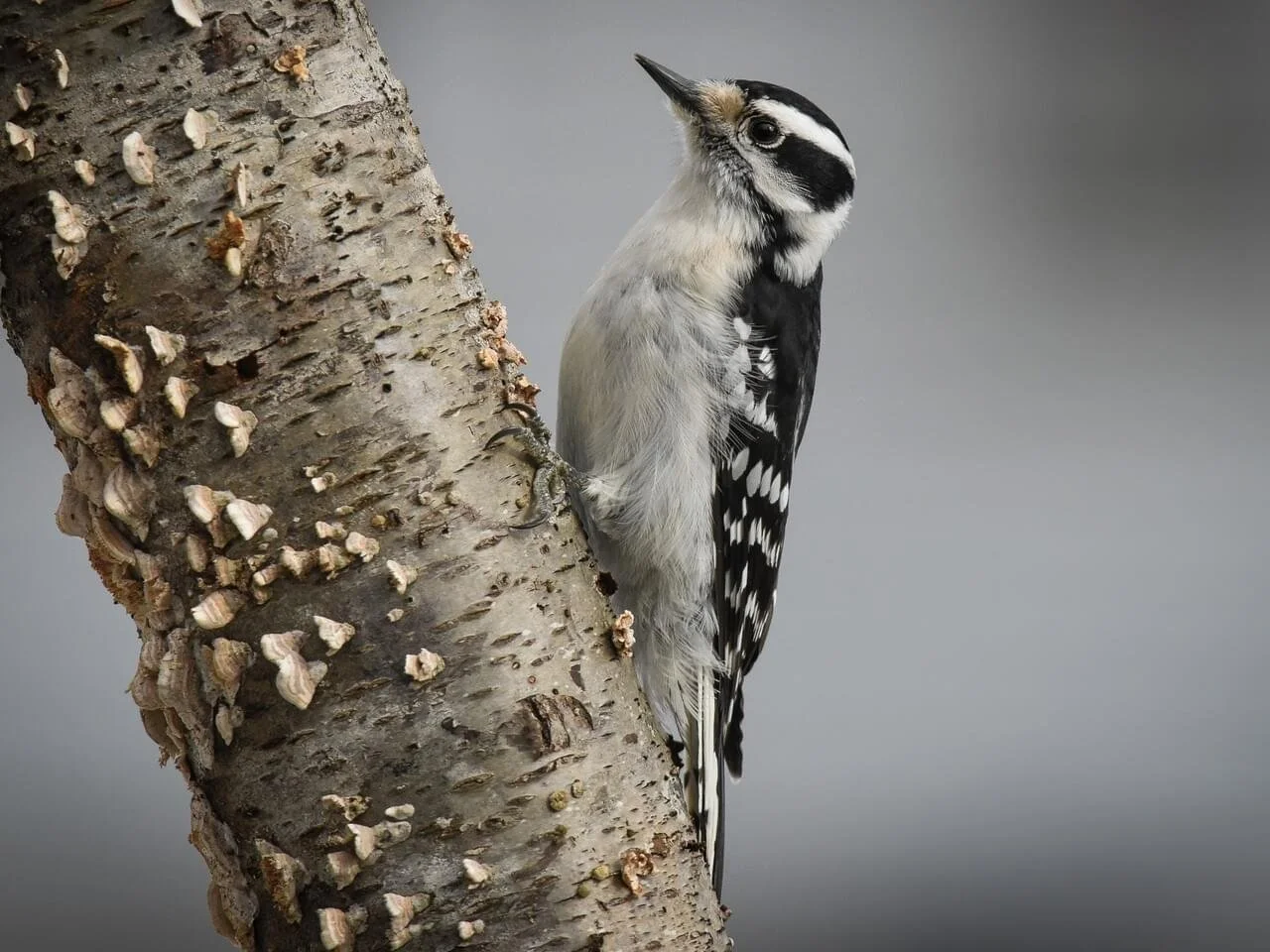
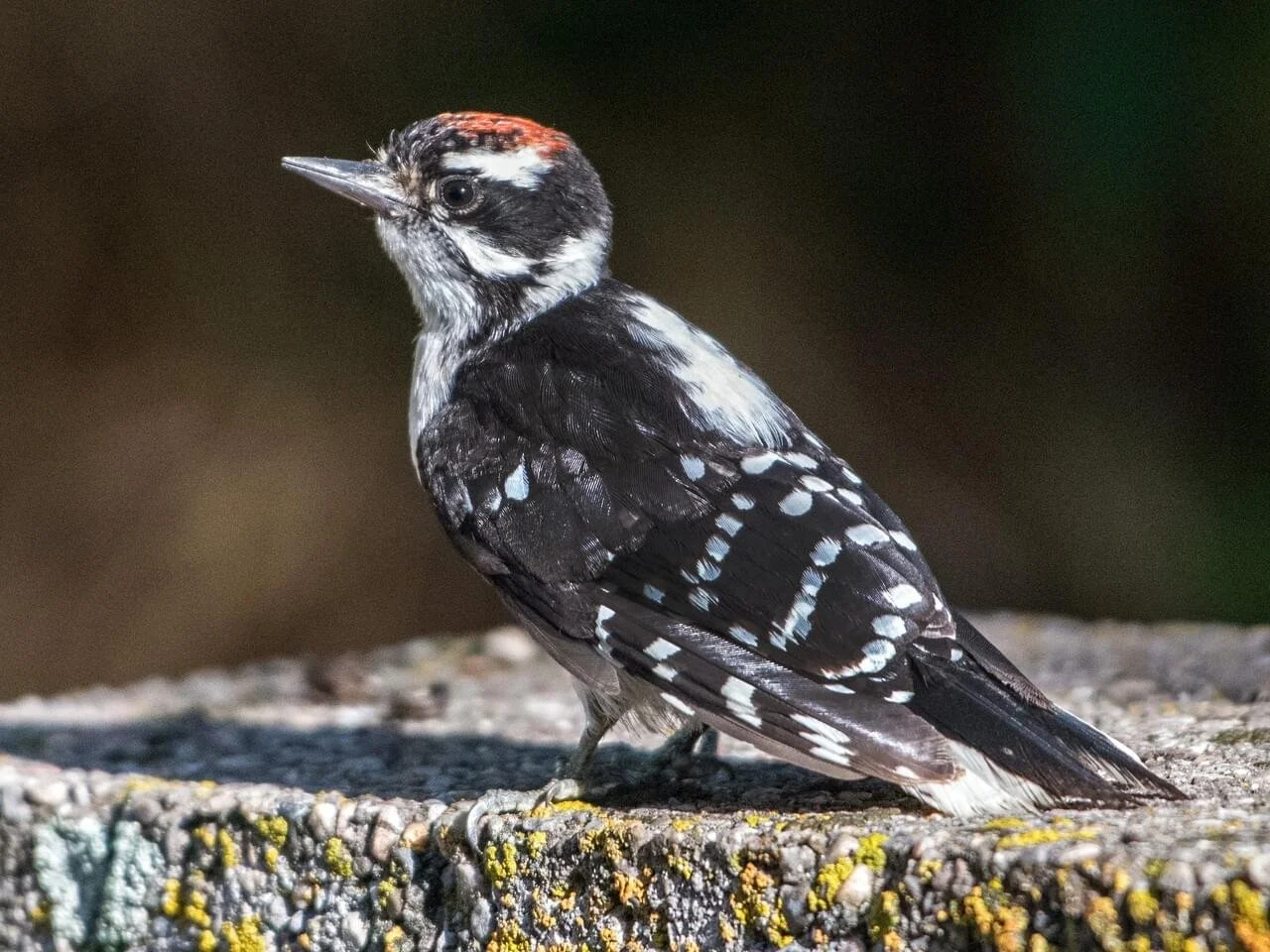
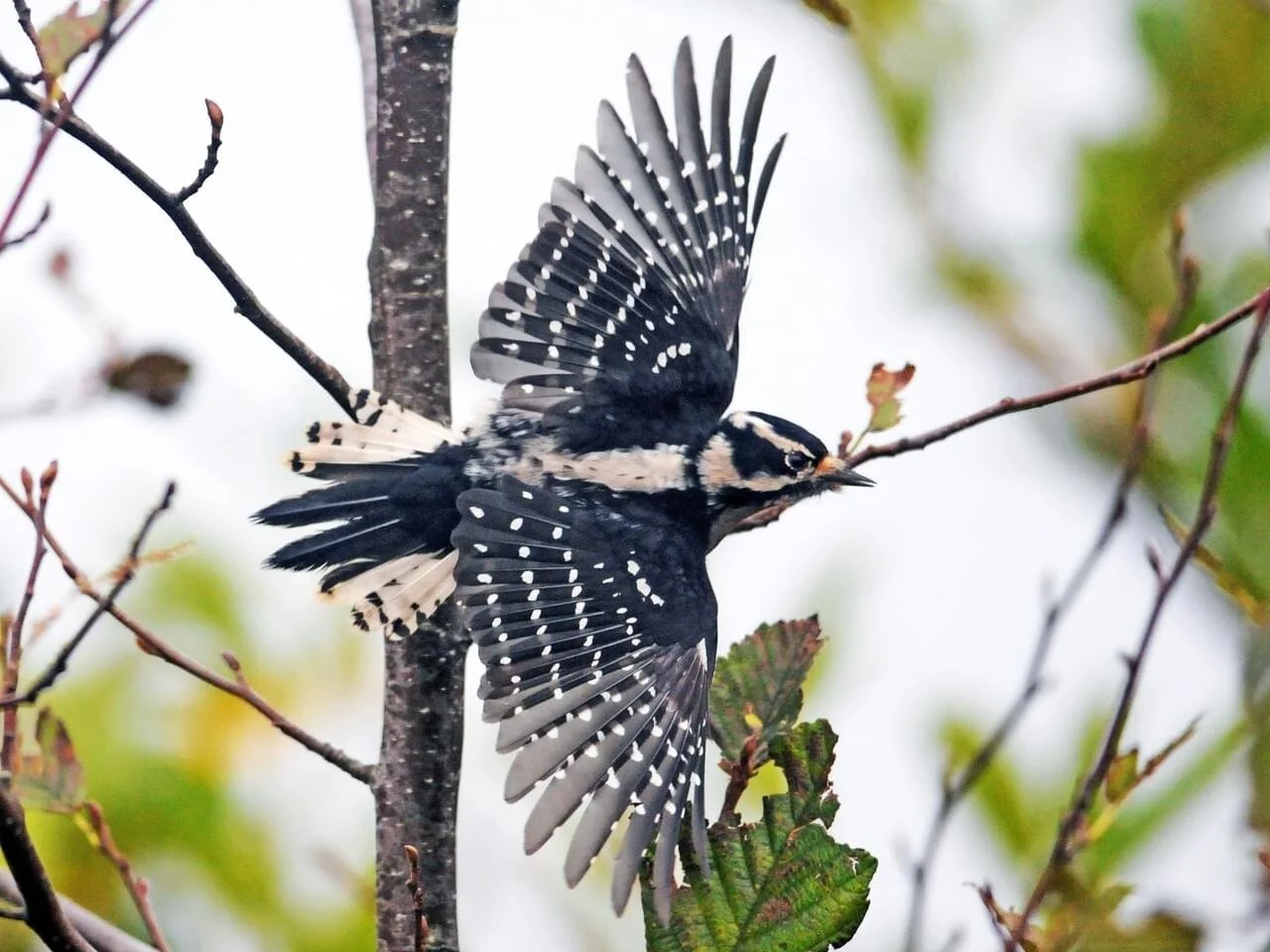
Downy woodpecker
Bird Code: DOWO
Identify this bird by…
Small woodpecker with a straight, chisel-like bill shorter than its head, with a straight-backed posture as they lean away from tree limbs
Males have a small red patch on the back of the head that females lack; juveniles red cap
Tell it apart by…
Shorter bill than Hairy Woodpecker
Outer tail feathers are white and have black spots
Listen for…
Call: A whinnying call that is a somewhat excited string of hoarse, high-pitched notes that descend in pitch toward the end; the call lasts about 2 seconds. Also a very sharp pik note, occasionally repeated several times.
Drum: A series of very rapid strikes given at a steady pace, almost slow enough to count. The birds also make a slow, deliberate and much quieter tapping.
Resources:
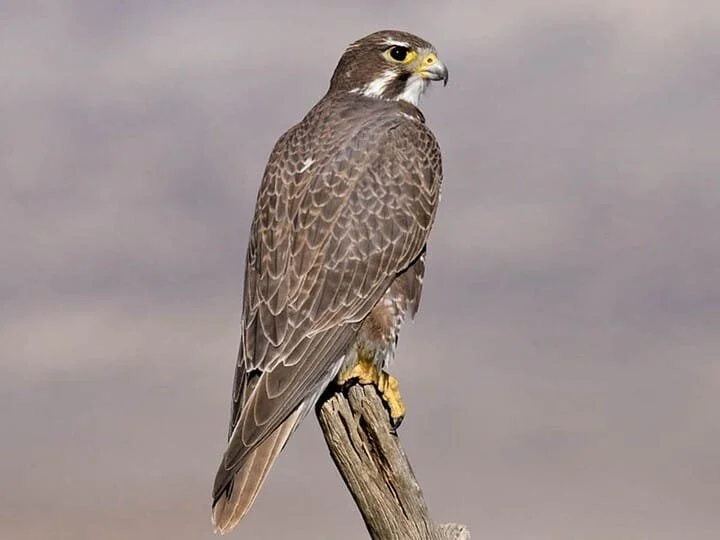
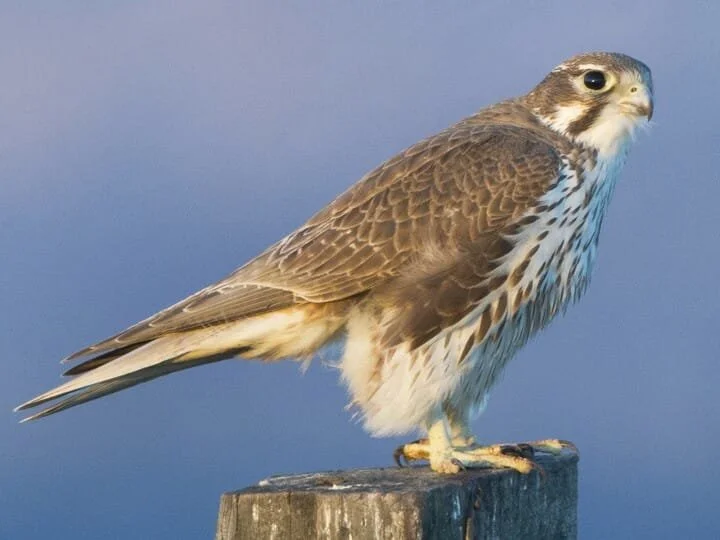
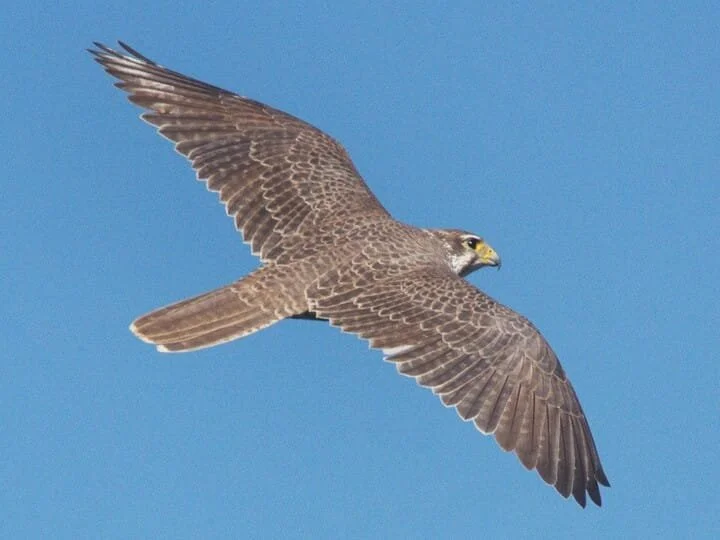
Prairie Falcon
Bird Code: PRFA
Identify this bird by…
Large, brown, and white falcon.
Pale brown above and white below, with dark streaks and a prominent mustache.
Dark armpits separate it from the Peregrine Falcon.
Listen for…
Calls: Prairie Falcons respond to a breeding territory intruder with a shrill, yelping, kik-kik-kik alarm call; the tone, frequency and duration of the call vary amongst individuals. When investigating nest sites together, both members of a pair give a characteristic eechup call.
Resources:
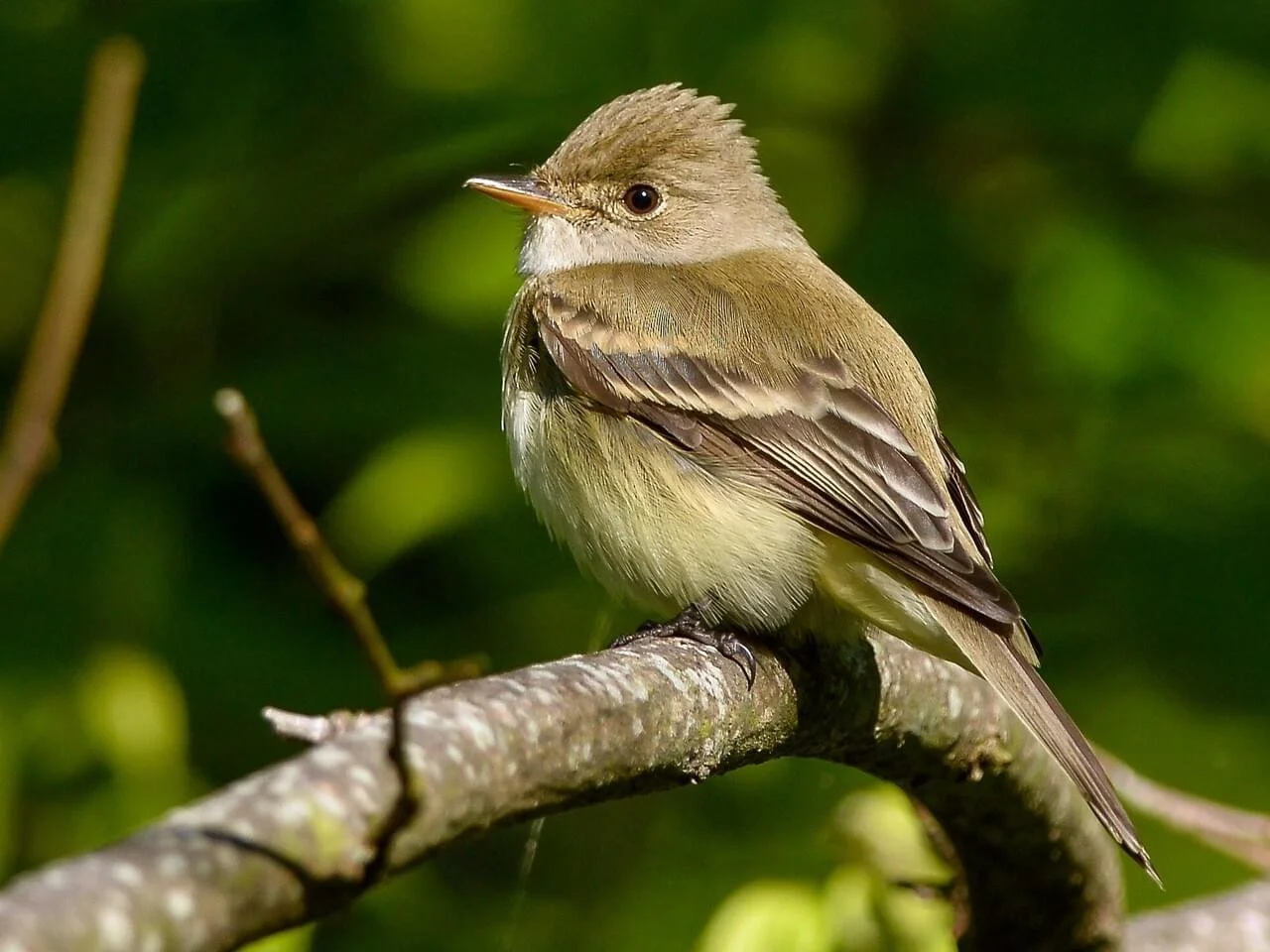
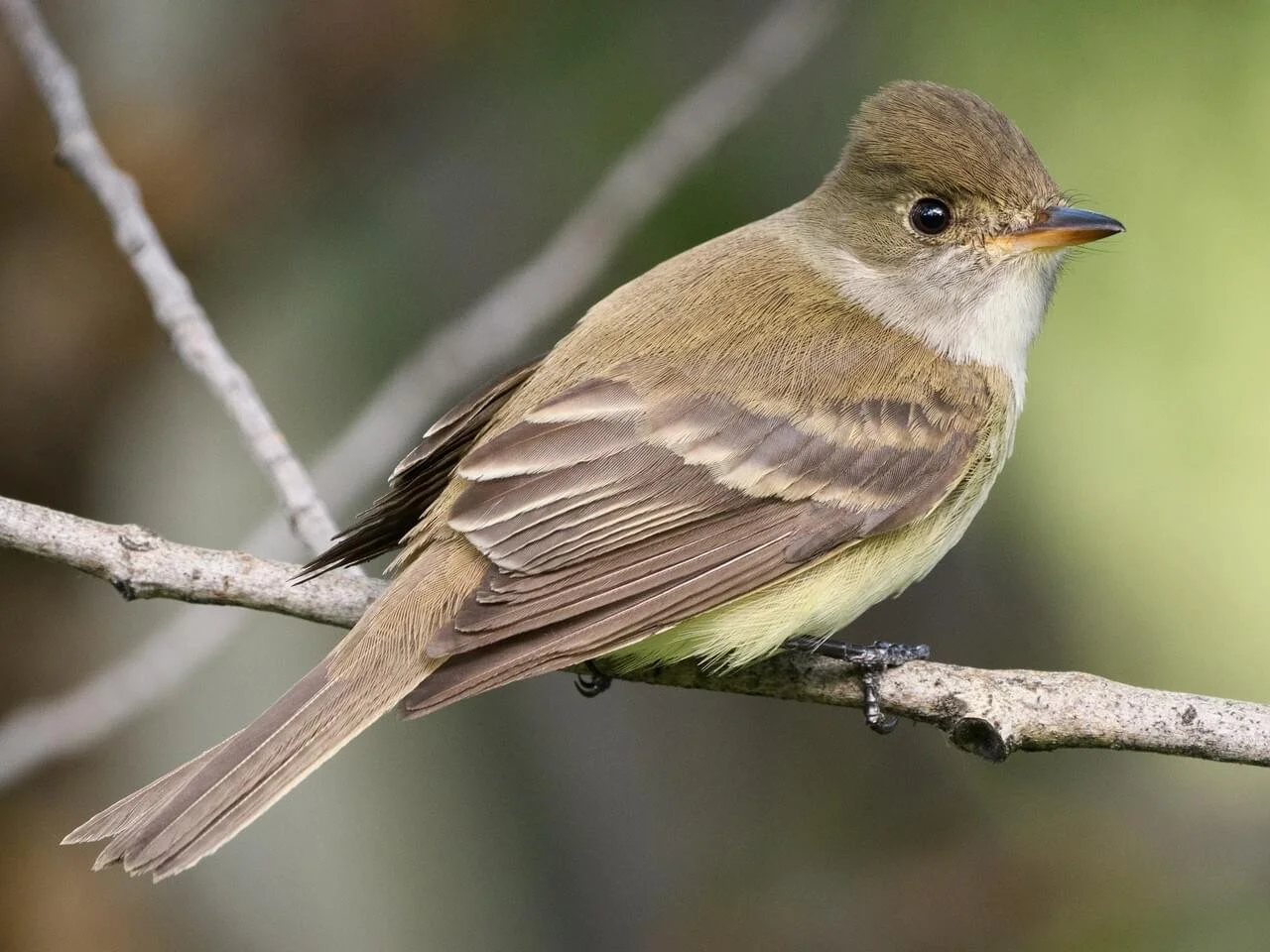
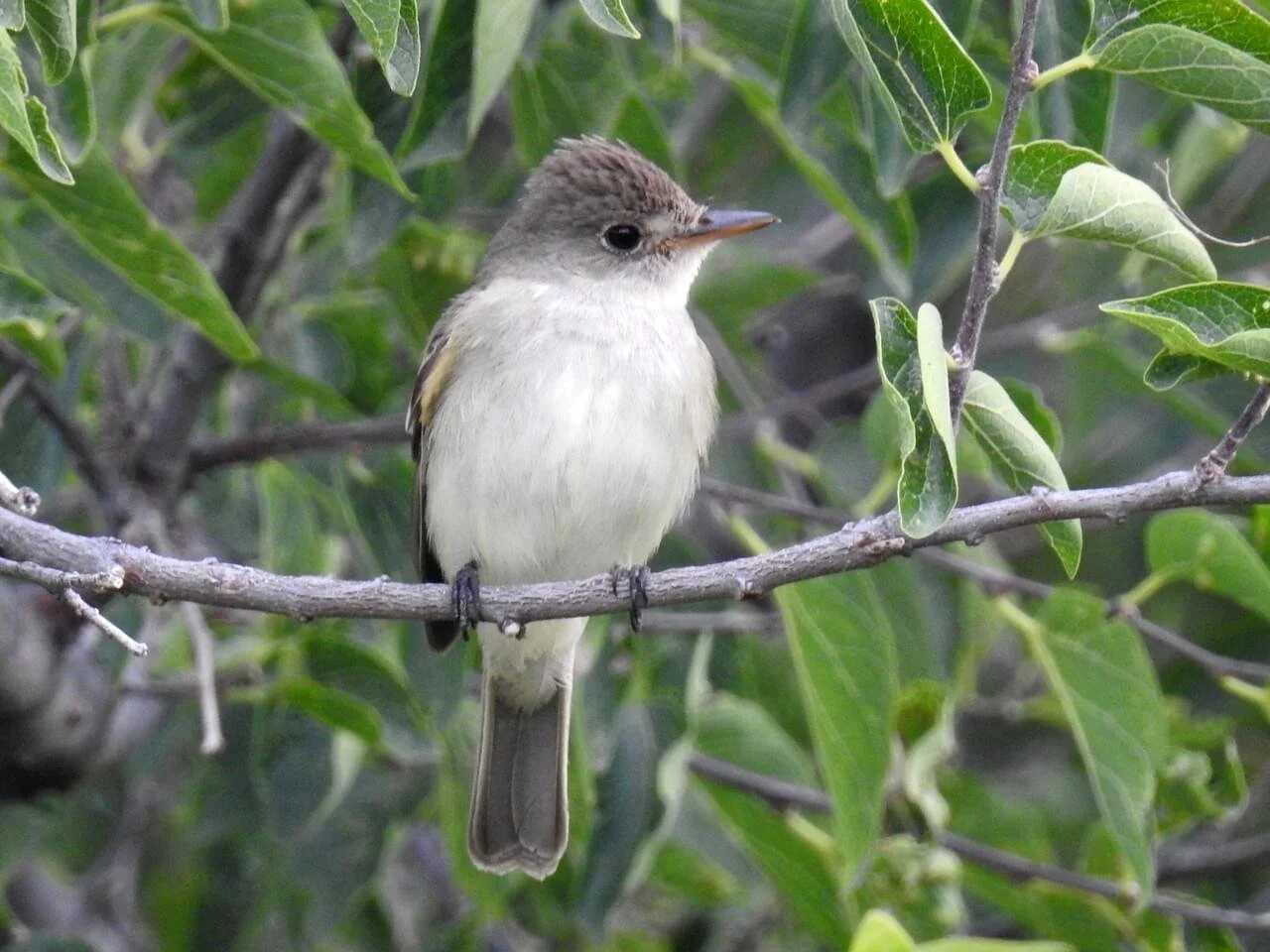
WILLOW FLYCATCHER
Bird Code: WIFL
Identify this bird by
Fairly long, thin tail and wings. The bill is broad
Like other flycatchers, they tend to perch upright
Males and females look alike
Tell it apart by…
Brownish olive overall with a slight yellow wash to the belly, with 2 whitish wingbars and a white throat that contrasts with the brownish olive breast
The white eyering seen on most flycatchers is very thin and nearly absent on Willow Flycatchers
Look for…
Behavior - Flit between willows and other shrubs in the understory while calling. They stick close to willows perching on the edge or up on top of the shrub. From these perches they fly out to catch insects or sing
Listen for…
Song: Songs are often the key to their identity and this one sings a hoarse fitz-bew from high perches in their territory
Call: A soft, dry whit
Resources:
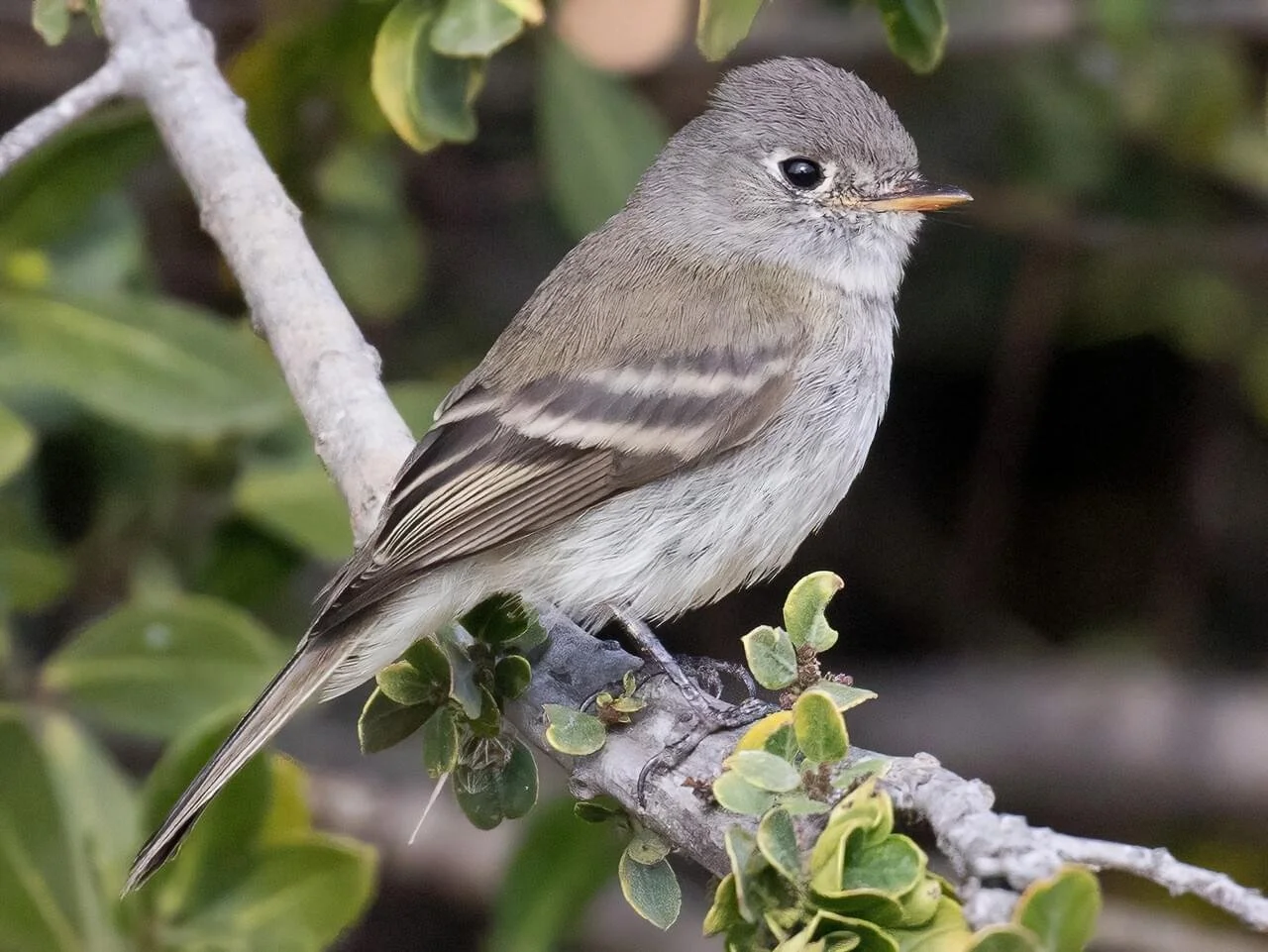
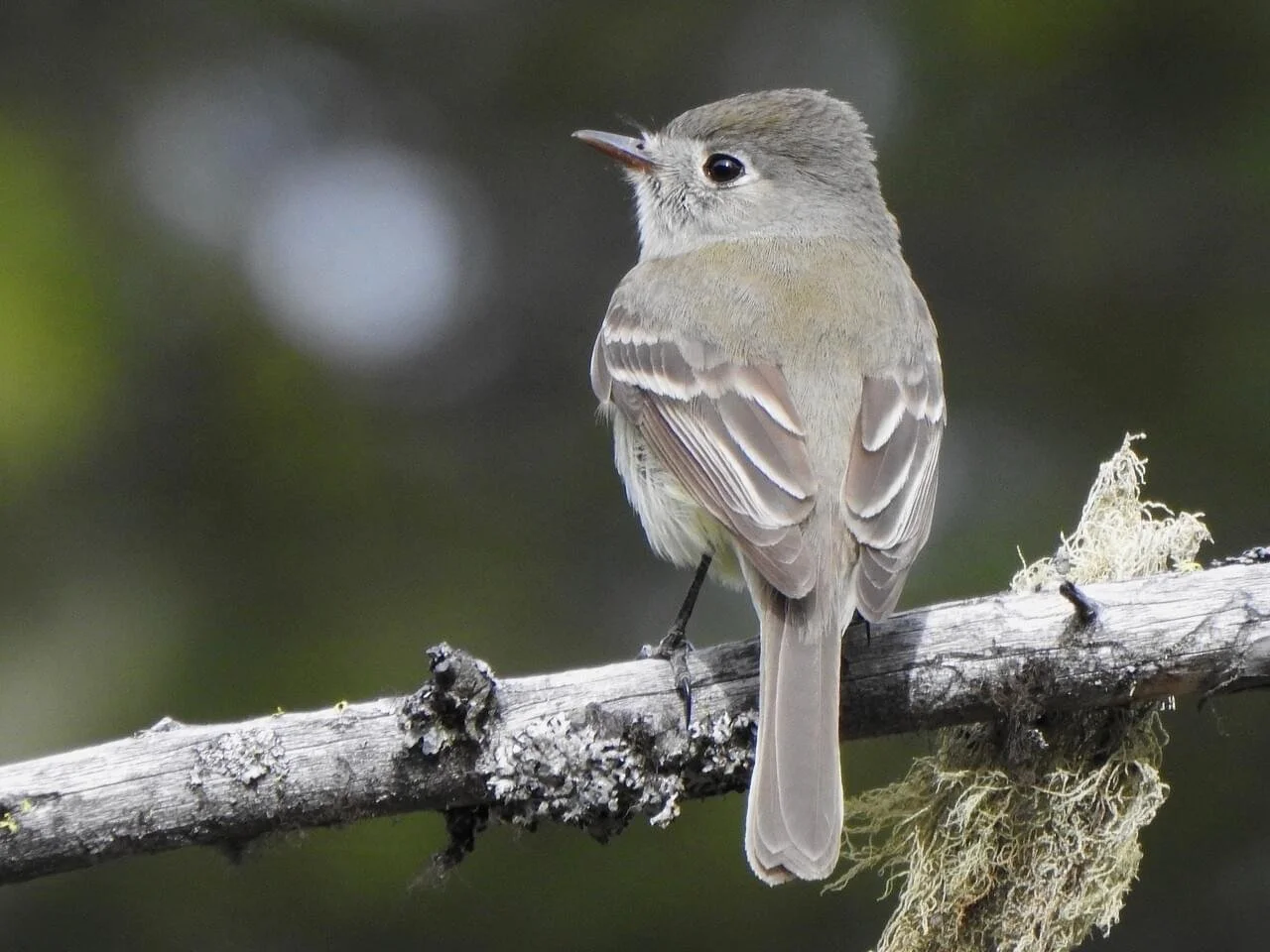
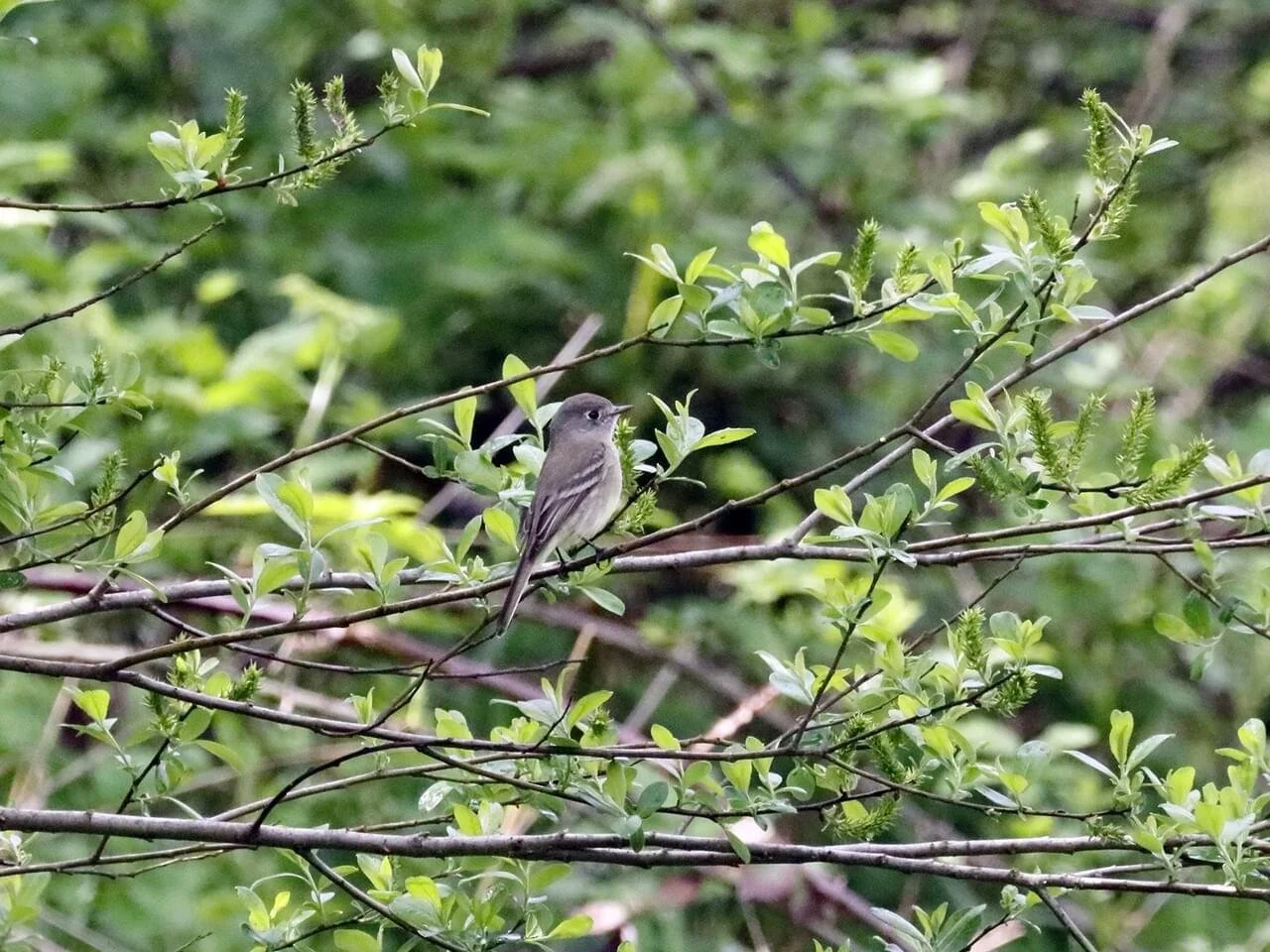
Dusky Flycatcher
Bird Code: DUFL
Identify this bird by…
Small, round-headed flycatcher with a long tail
Grayish olive above with pale wingbars, and thin white eyering that’s slightly wider behind eye
Males and females look alike
Tell it apart by…
The primary feathers are short compared to other flycatchers and are noticeable when perched
Look for…
Behavior - Sometimes pumps it’s tail during aggressive interactions
Listen for…
Song: A quick, three-parted song: a short, high quick “sibip”, a rough, nasal “quwerrrp”, ending in a clear, high, upward, “pree!
Call: A dry, soft but distinct whit
Resources:
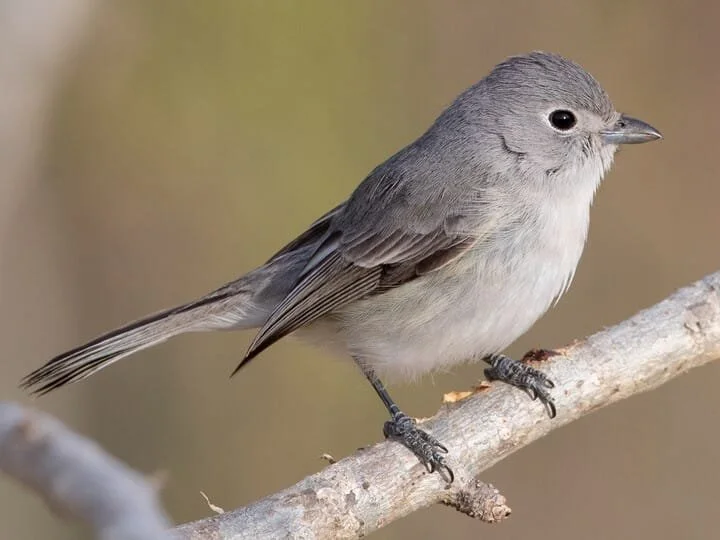
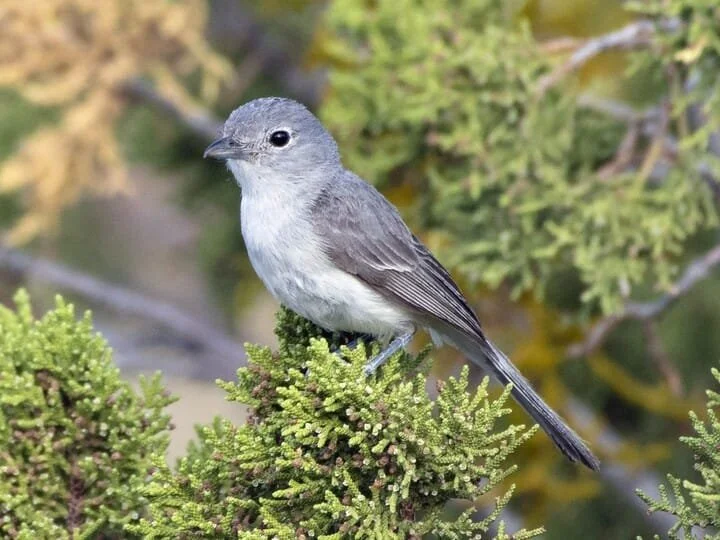
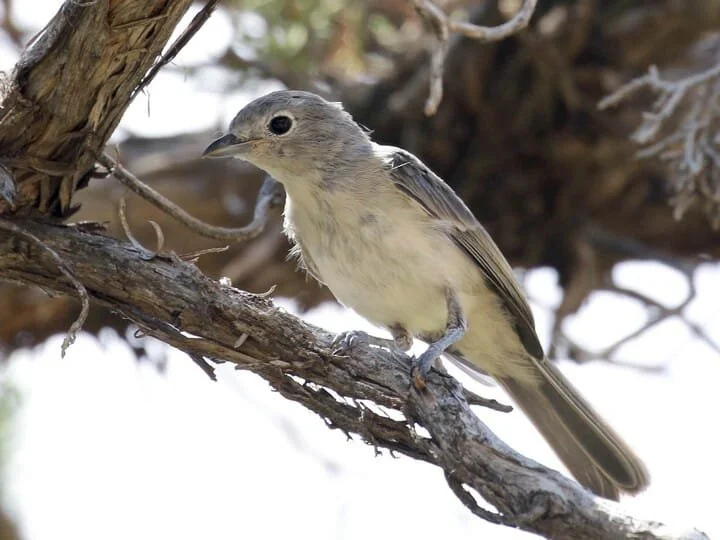
Gray Vireo
Bird Code: GRVI
Identify this bird by…
Small, stocky songbird with a long tail and a thick, slightly hooked beak
Plain gray overall with a paler belly, thin white eyering, and pale pale gray between eye and bill
White patches on the wings.
Look for…
Behavior - often flicks tail side to side, and is more active than other vireos
Habitat - found in arid habitats with lots of scrub
Listen for…
Song: Slow series of rising and falling whistles often described as “chee-wee” or “chee-woo”, slower and more pure-tone than other similar vireo songs
Calls: Typical vireo alarm calls, including rapid series of raspy notes and short, nasal calls
Resources:
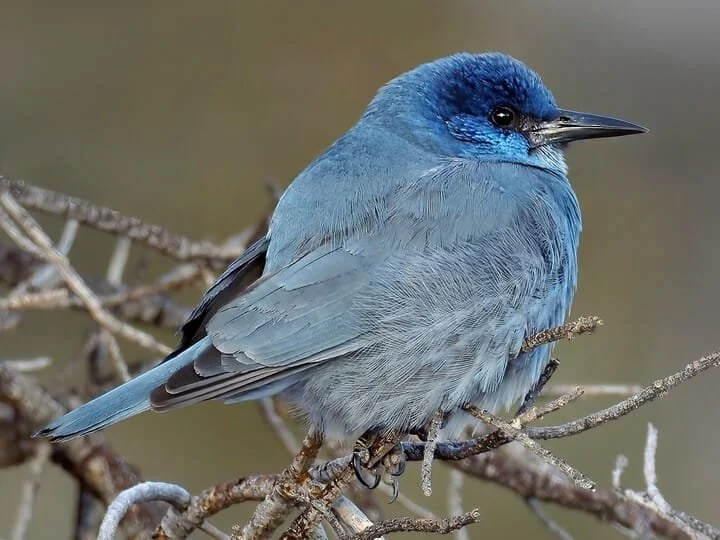
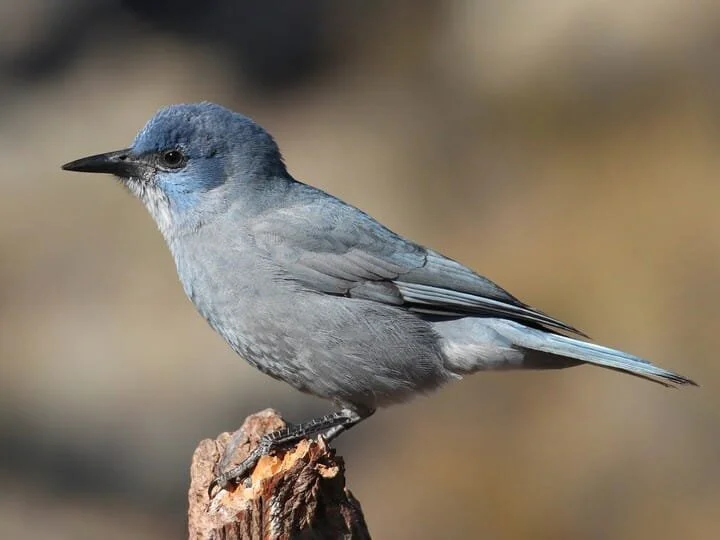
Pinyon Jay
Bird Code: PIJA
Identify this bird by…
Large stocky songbird with a shorter tail, long, sharply-pointed bill, and round head
Dusty-looking blue body and a brighter cerulean face.
Look for…
Can be dark depending on lighting
Behavior: usually in large flocks, vocalizing to each other and flying from tree to tree
Reliant on pinyons or other seed-bearing conifers
Listen for…
Calls: Nasal and crow-like kaws that sometimes have a quavering quality to them. They also give a louder staccato call when they sense danger.
Resources:
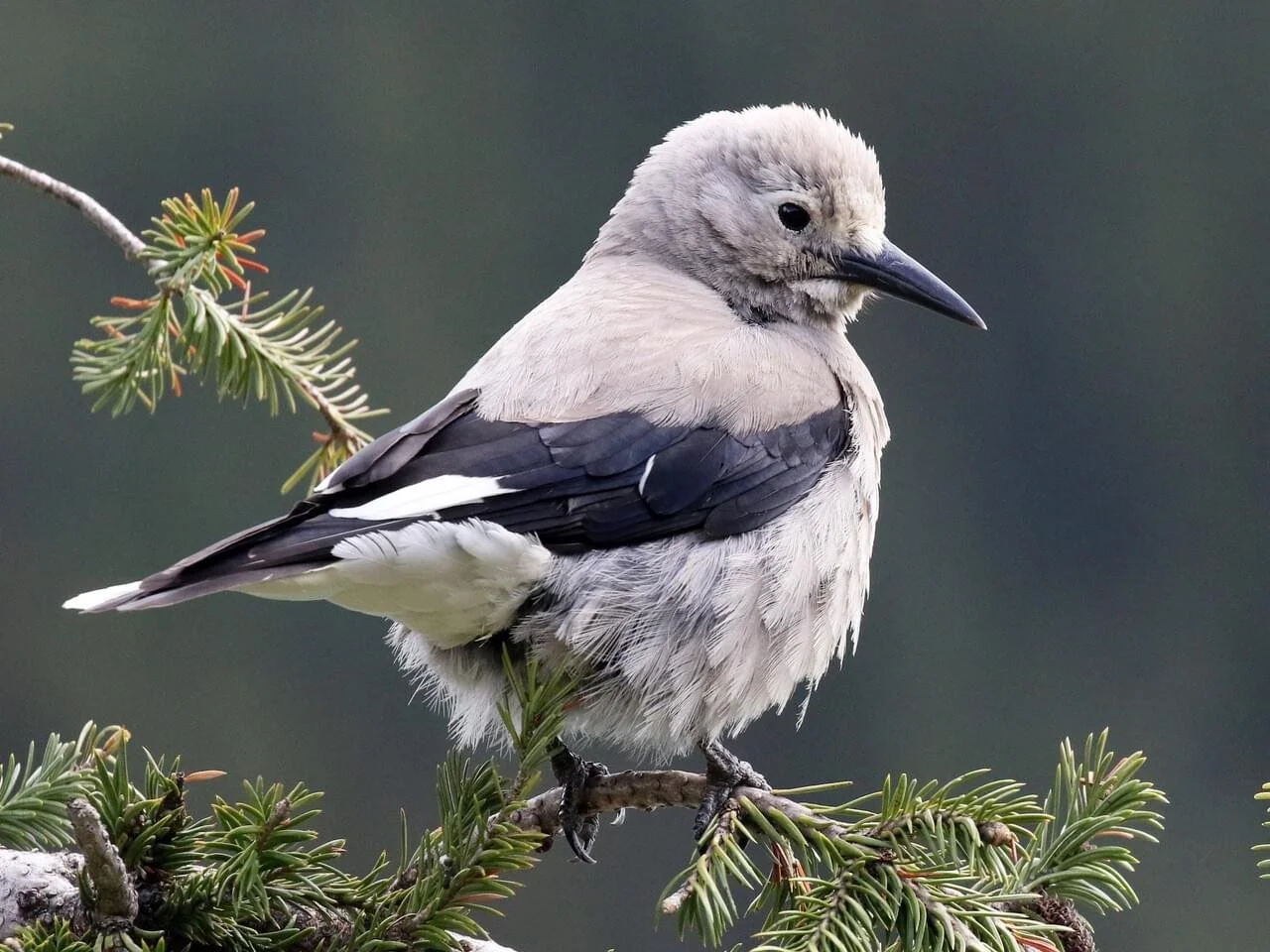
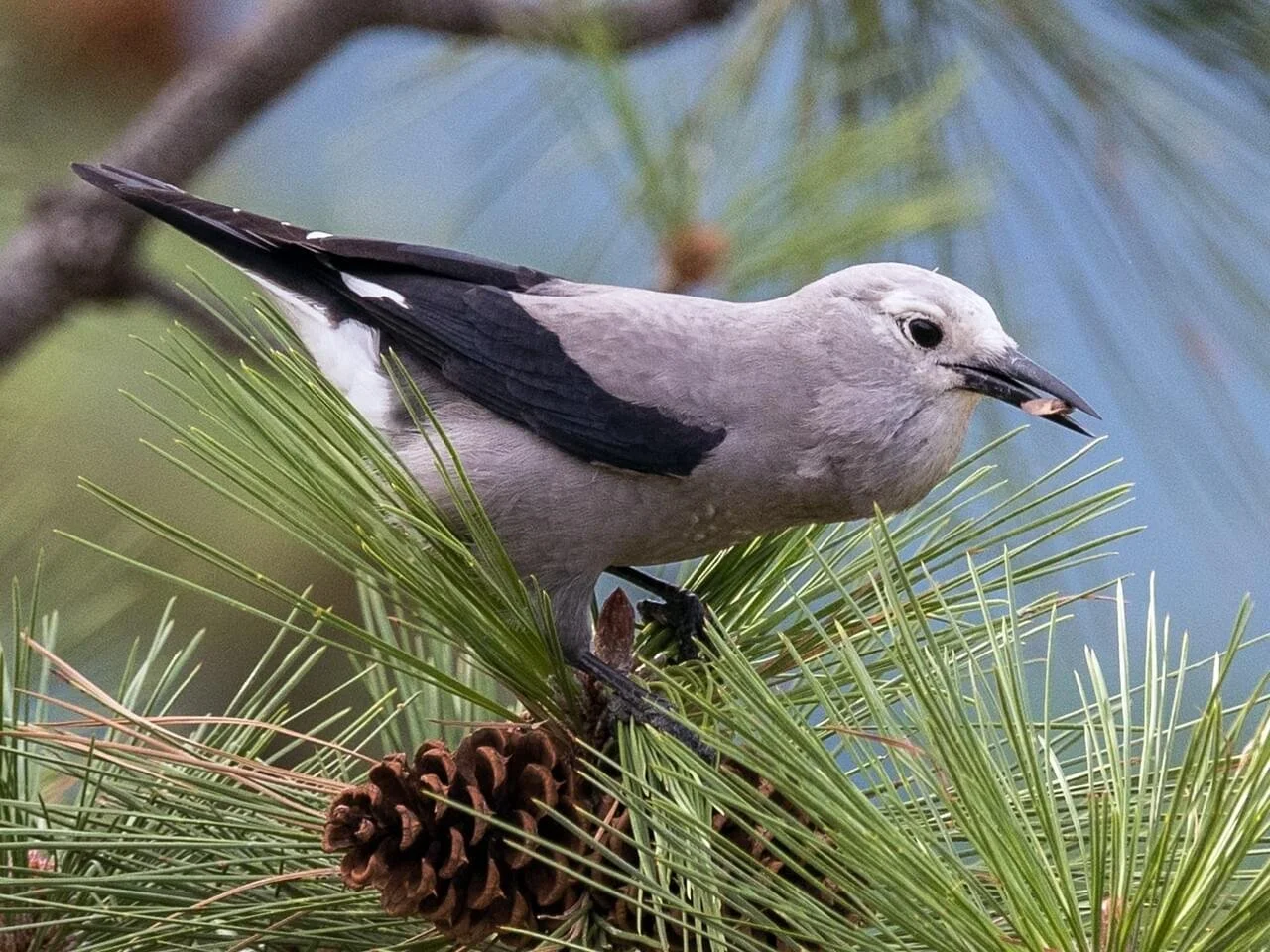
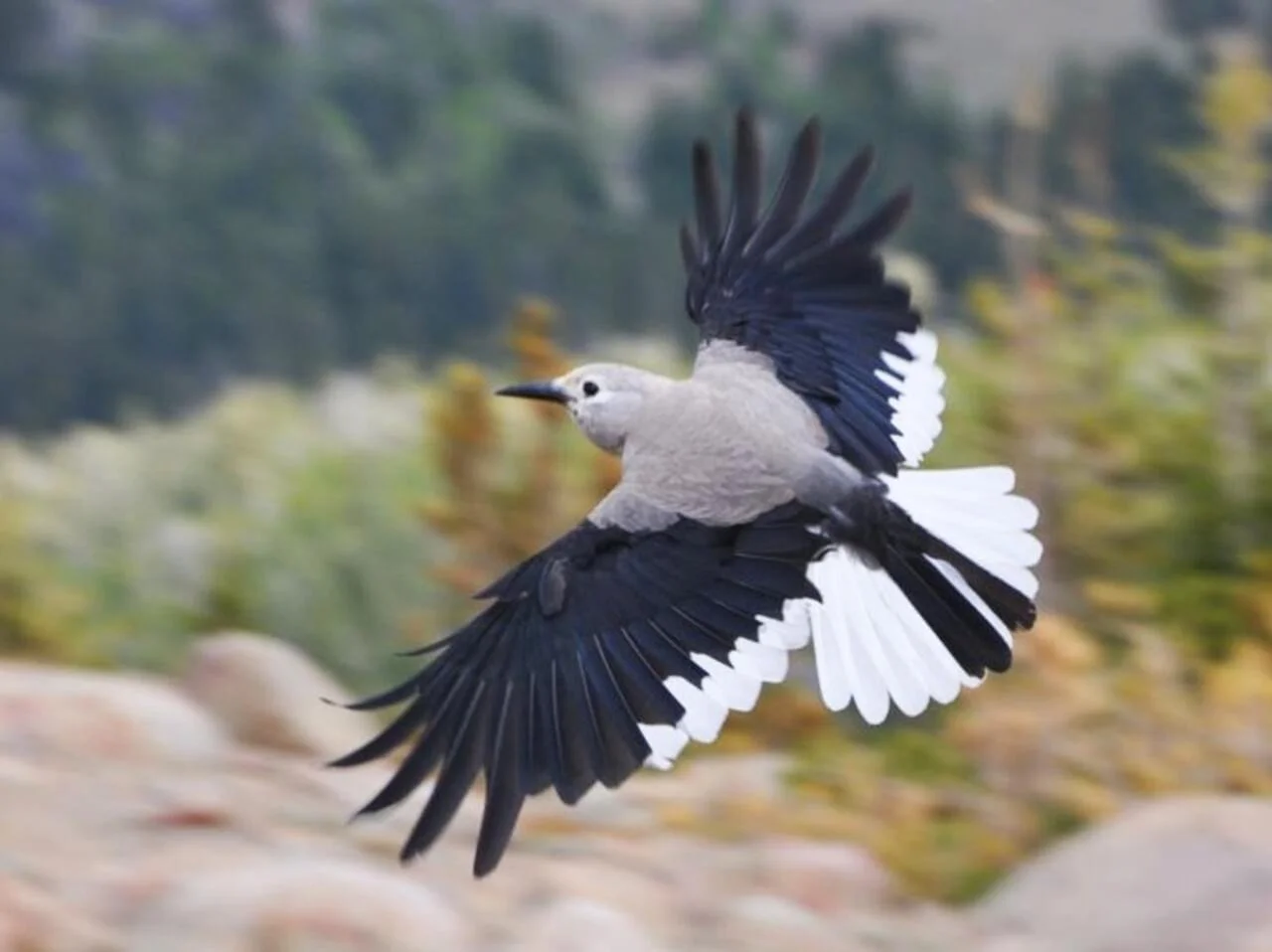
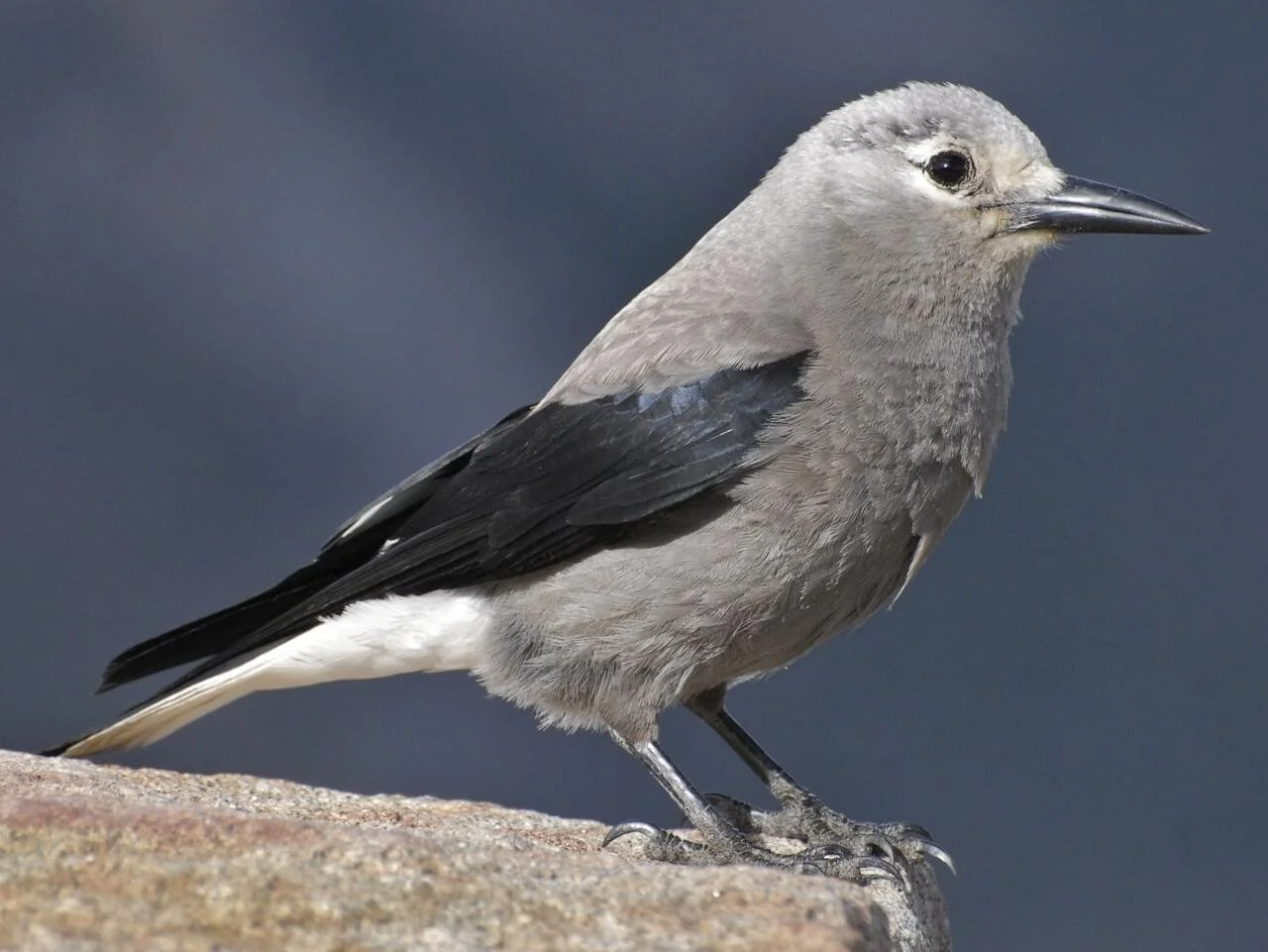
Clark’s Nutcracker
Bird Code: CLNU
Identify this bird by…
Large songbird with curved dagger-like bill, short tail, and a rounded head
Light gray overall with white undertail, outer tail feathers, and wing patch on black wings
Look for…
Habitat - lives in high-altitude evergreen forests
Behavior - Uses sharp bill to extract pine nuts and caches them around territory
Listen for…
Call: grating, metallic, rising “kraack” calls or frog-like croaks among other songs
Resources:
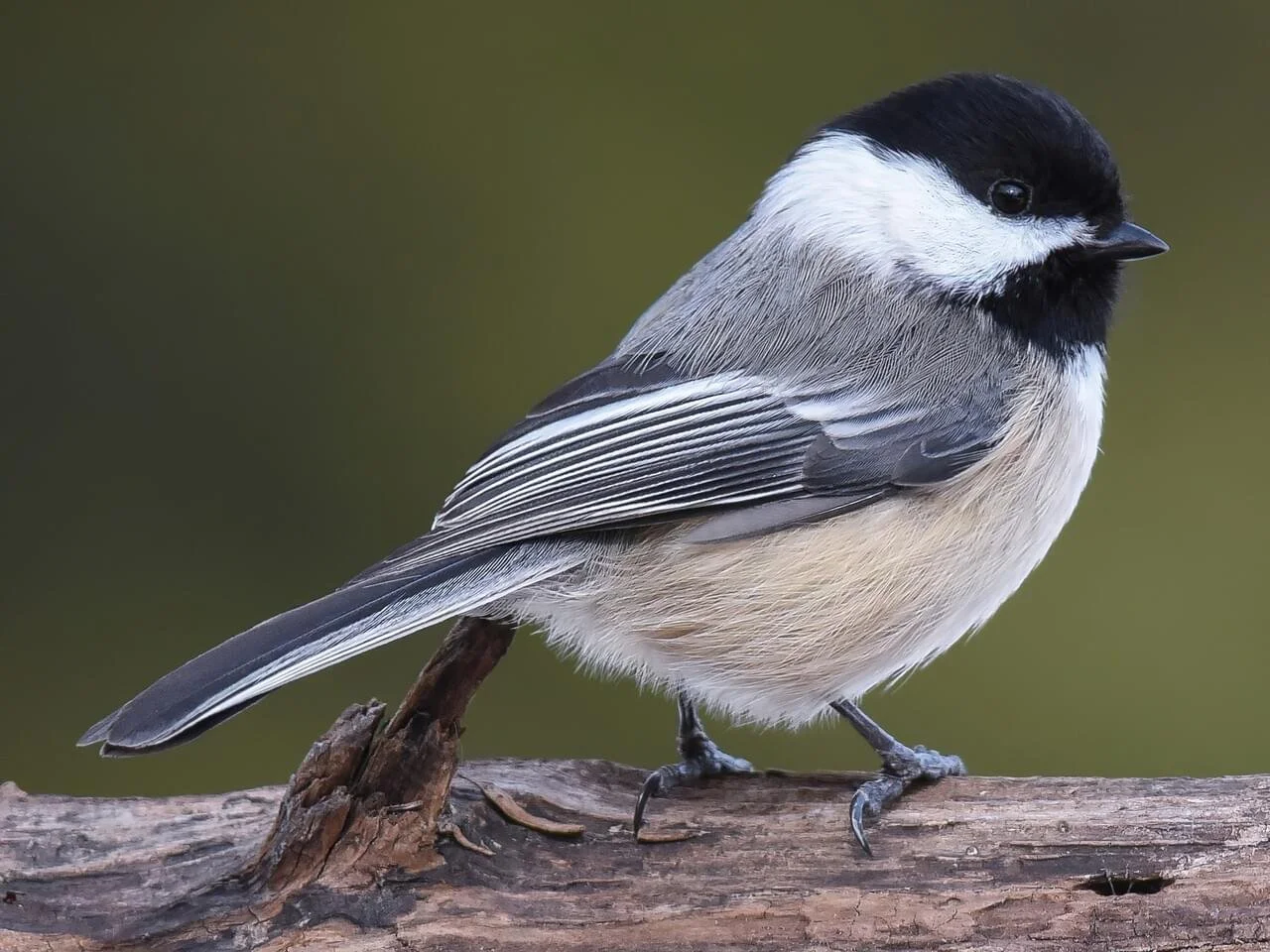
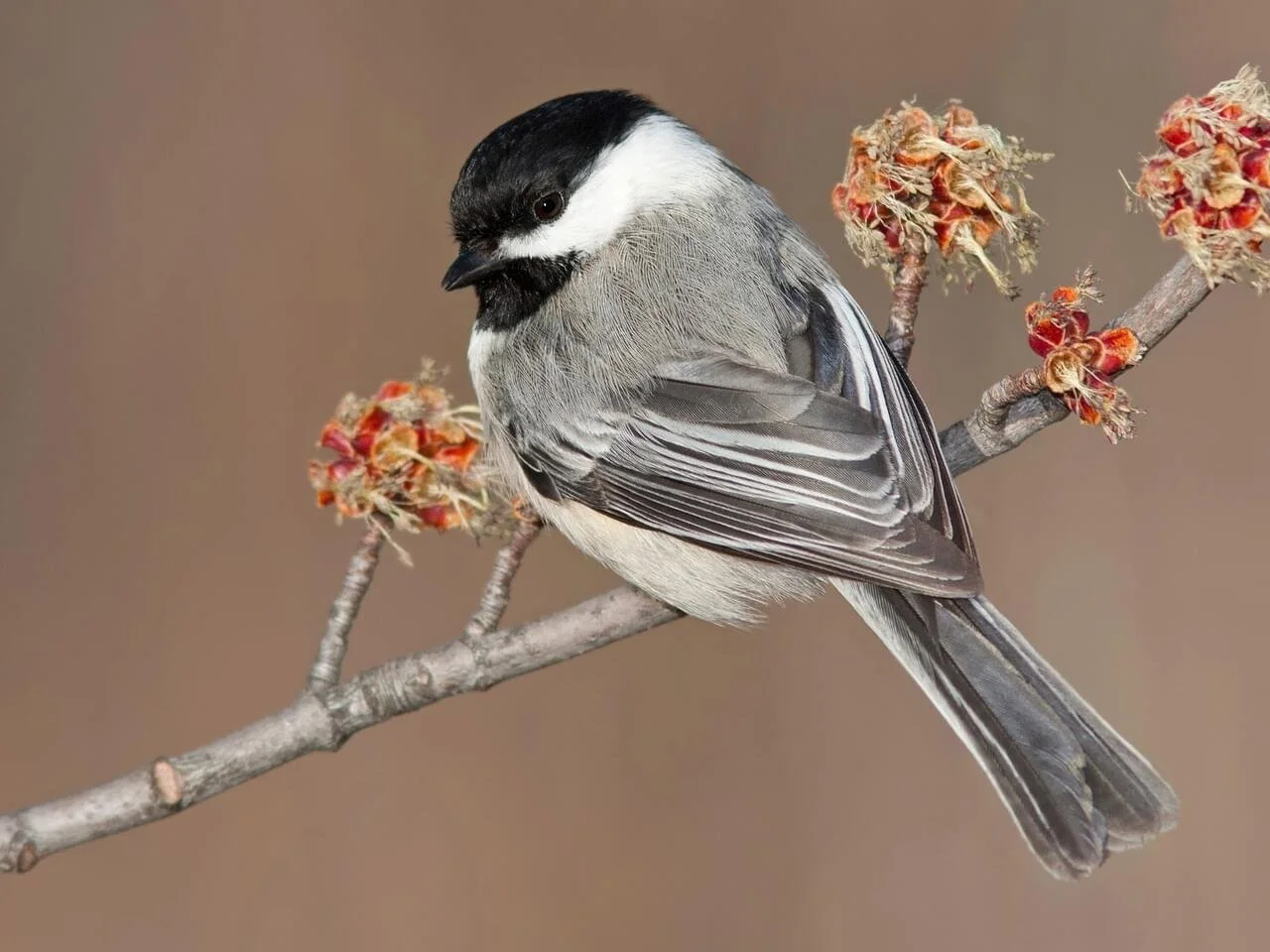
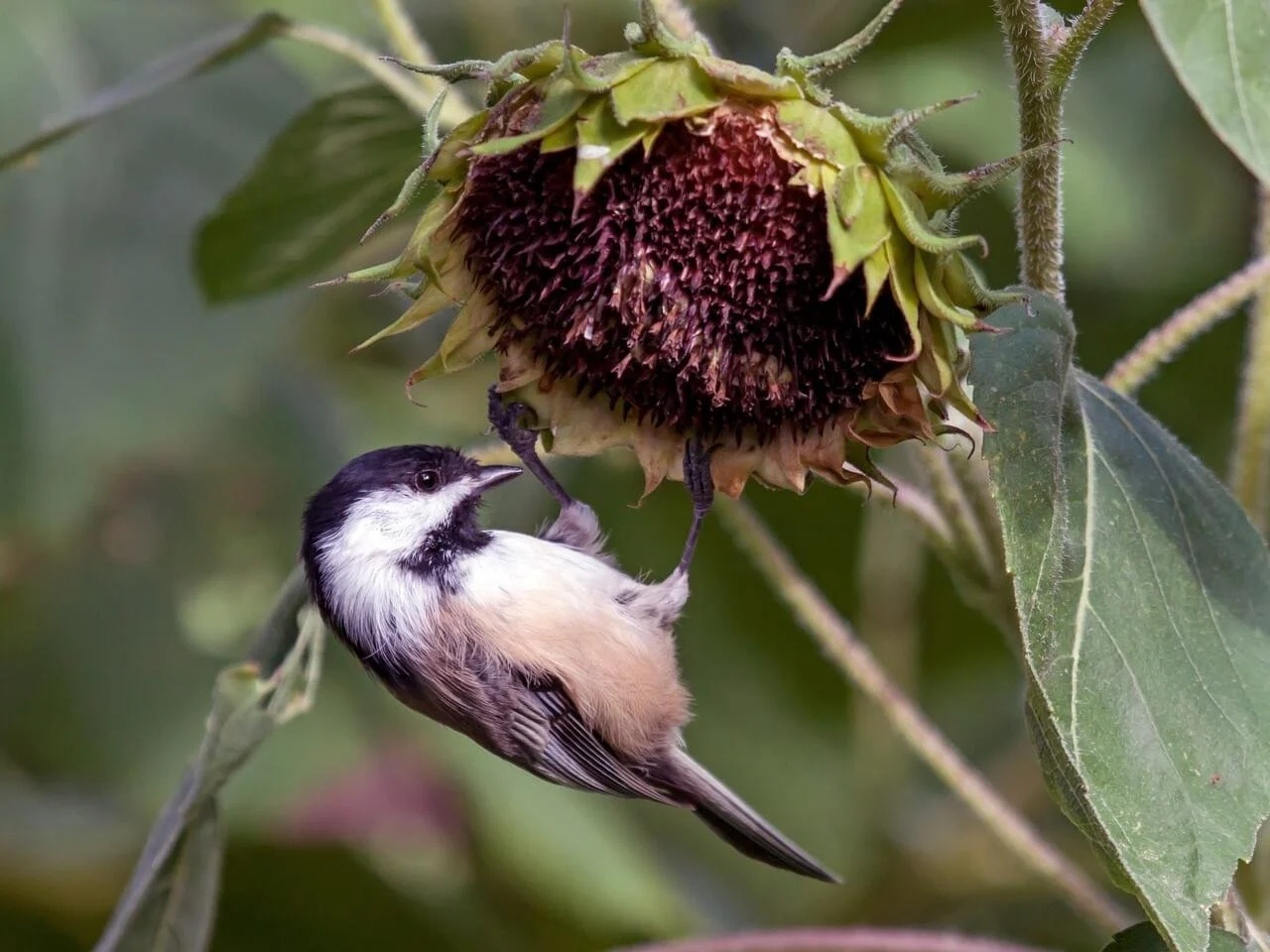
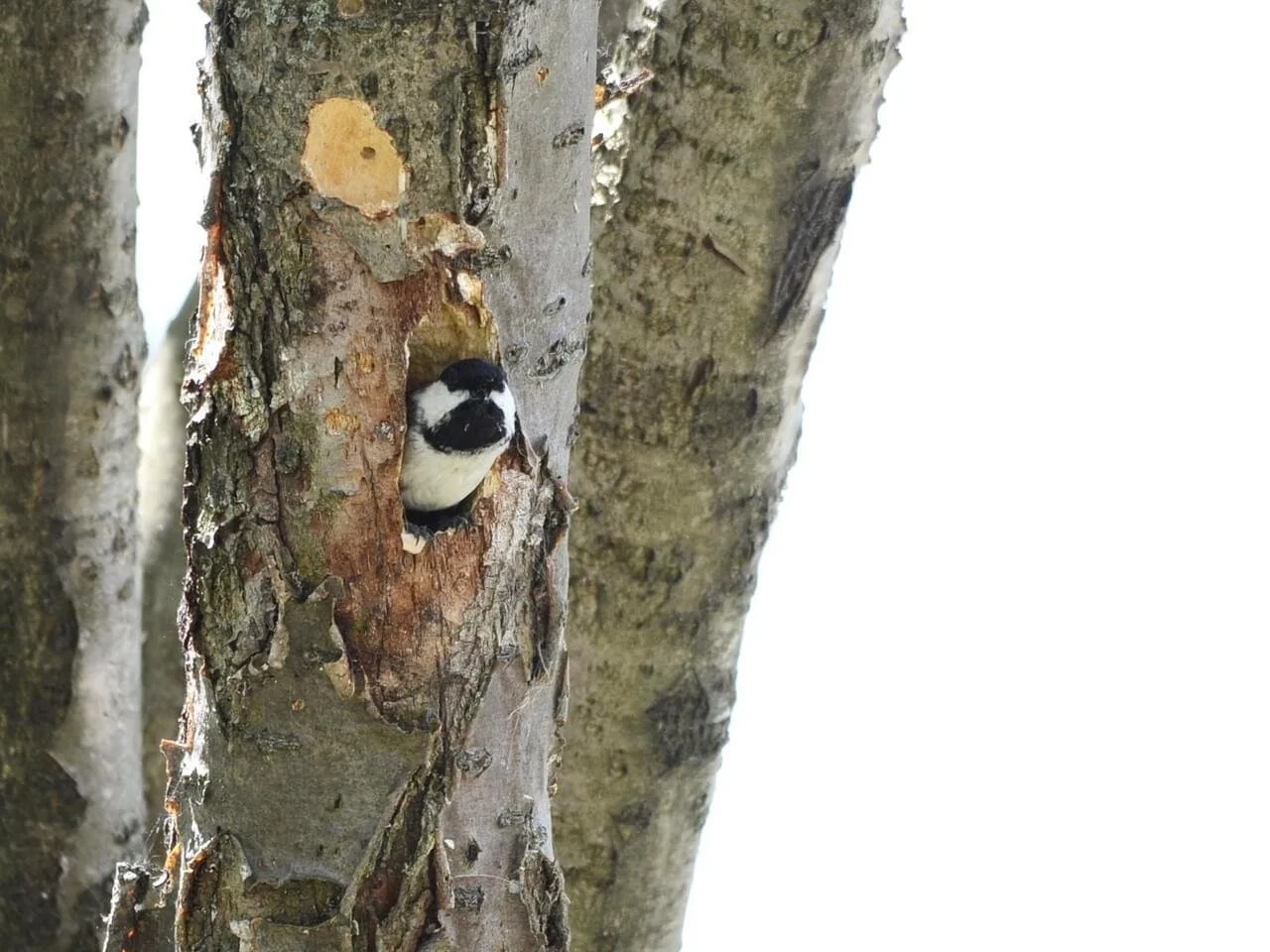
BLACK-CAPPED CHICKADEE
Bird Code: BCCH
Identify this bird by…
Small, round bird with tiny bill and long tail
Full black cap on head; black on chin; white in between; gray back; tan sides
Males and females look the same
Look For…
Behavior - very active and acrobatic (they even hang upside down!)
Tell it apart by…
Lack of “angry” eyebrow of the Mountain Chickadee
Sweeter, crisper song and more defined alarm call
Listen for…
Call: Chickadees say their name in a call, “Chick-a-dee-dee-deeeee.” It is believed this is an alarm call to warn of predators. Once you hear one chickadee make this call, you are bound to hear others!
Song: A high-pitched, sweet series of one to two notes that either sound like “hot dog” or “ham-burg-er.”
Resources:


Juniper titmouse
Bird Code: JUTI
Identify this bird by…
Small bird with a long tail and distinctive crest
Medium gray overall with no patterning
Look for…
Behavior: Acrobatic bird clinging to twigs and branches while foraging for insects and seeds
Habitat - found in arid pinyon pine and juniper woodlands. Nests in cavities
Listen for…
Song: A rapid and rolling series of 5 to 15 syllables that sounds like a video game.
Calls: A harsh and scratchy call is given in response to intruders.
Resources:
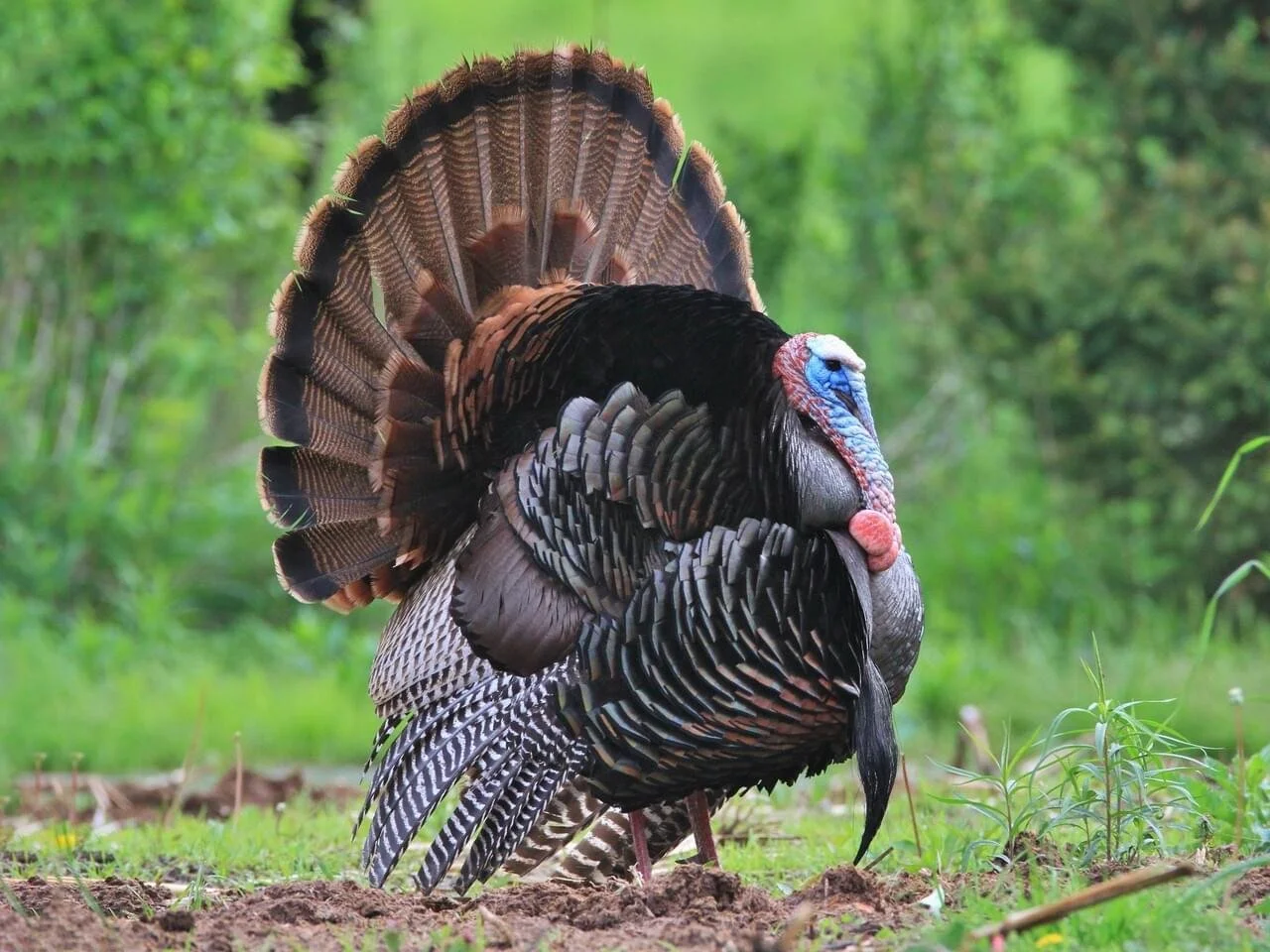
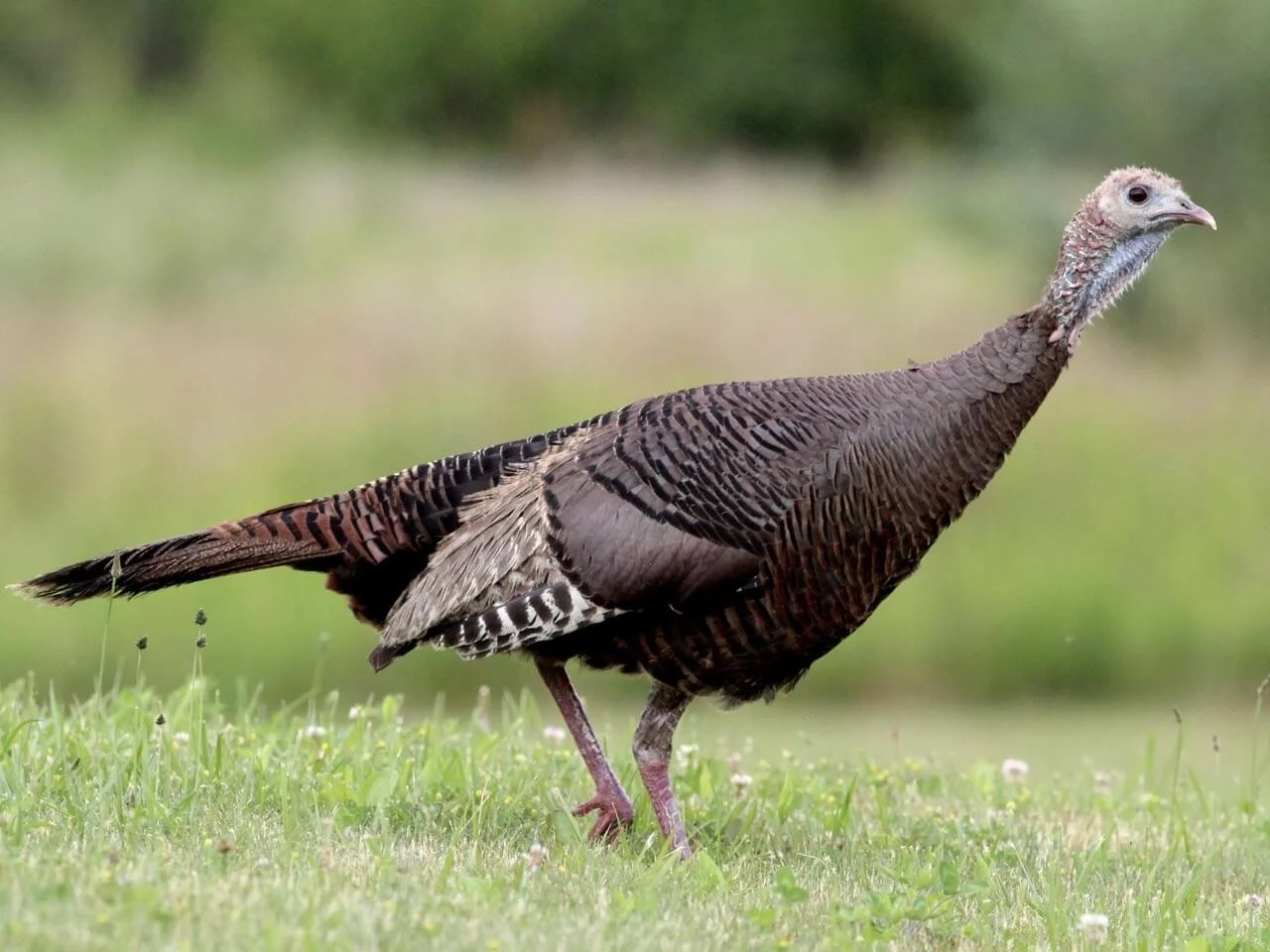
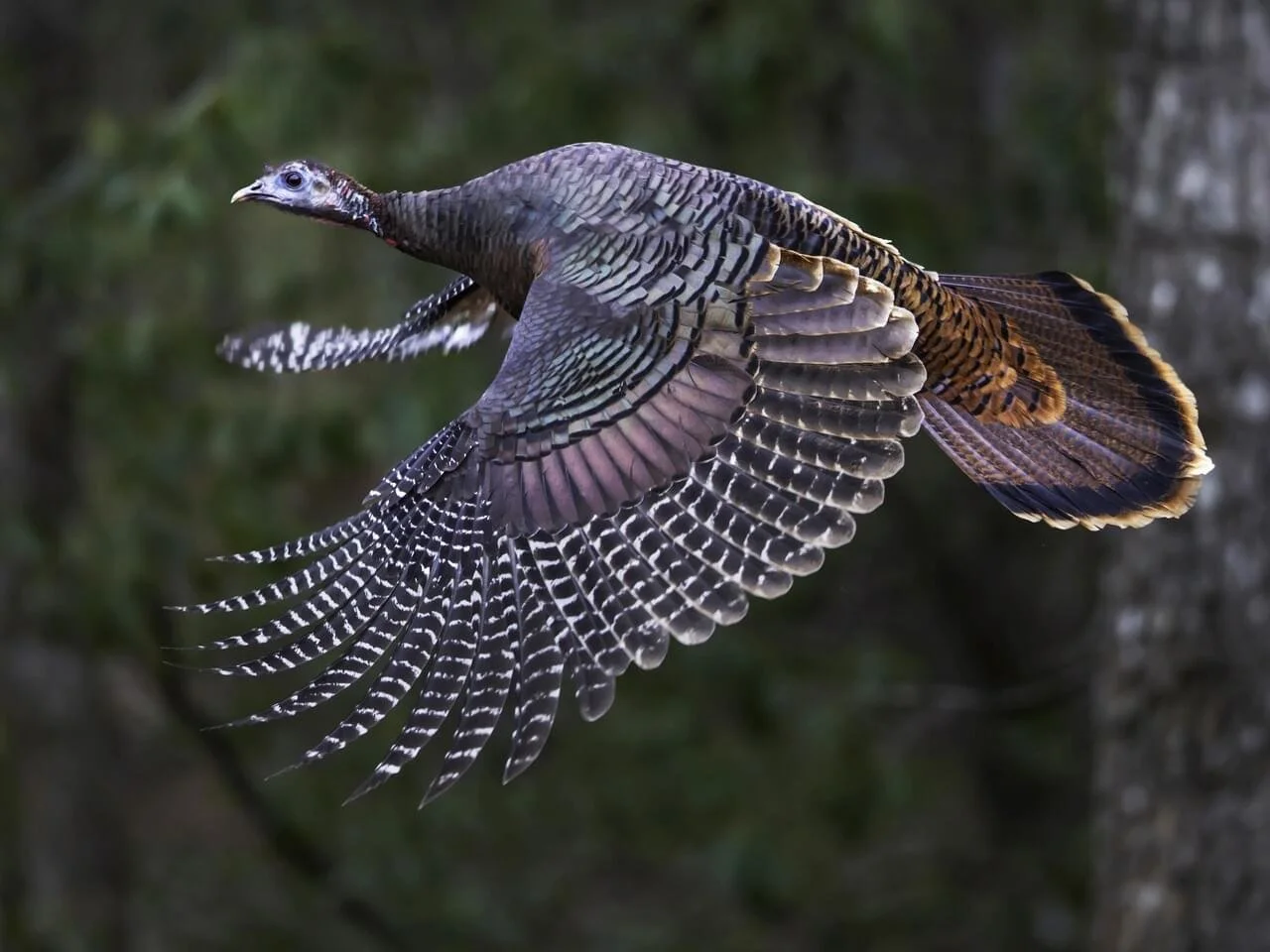
Wild Turkey
Bird Code: WITU
Identify this bird by
Very large game bird with long neck and legs. While displaying, birds can look almost spherical
Brown overall with dark barring, feathers can look iridescent in the right light. Head is naked
Tell it apart by…
Breeding males have blue and bright red skin
Females have light brown skin on neck and head
Look for…
Behavior - feed by scratching at leaf litter in large flocks of around 30 birds
Flies in fast burst with heavy, labored wing beats
Listen for…
Call: Distinctive throaty, jumbled gobble
Resources:
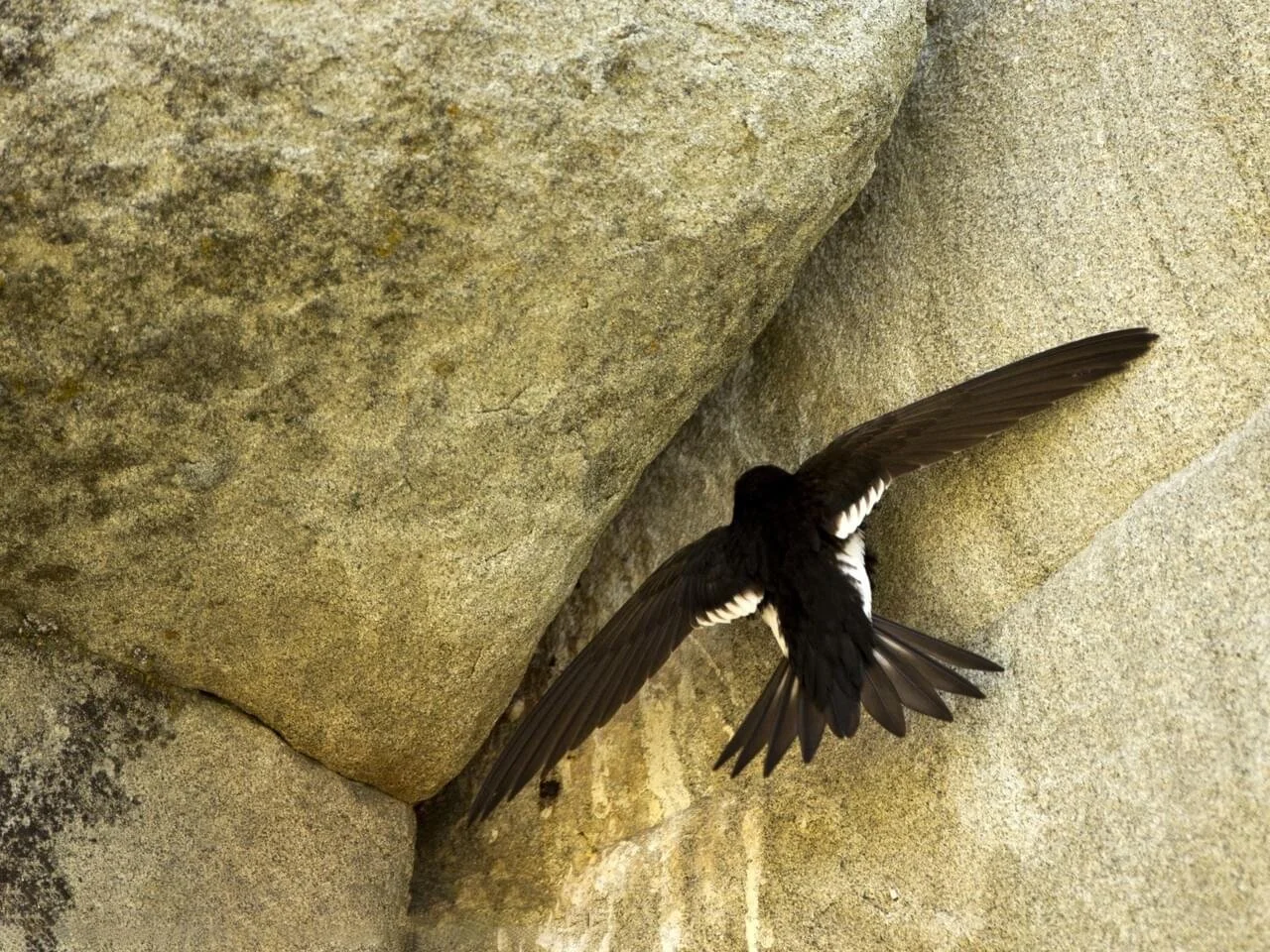
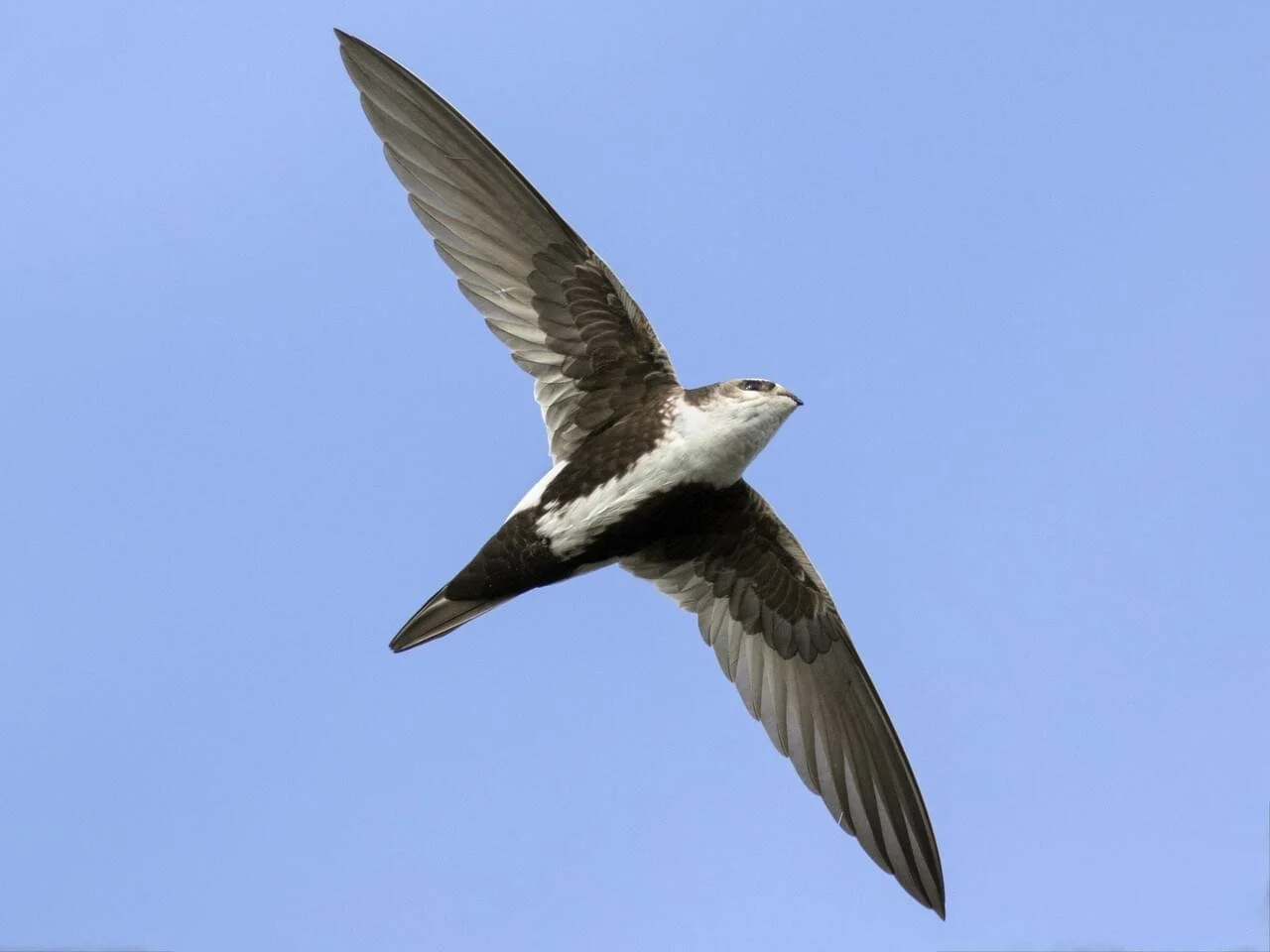
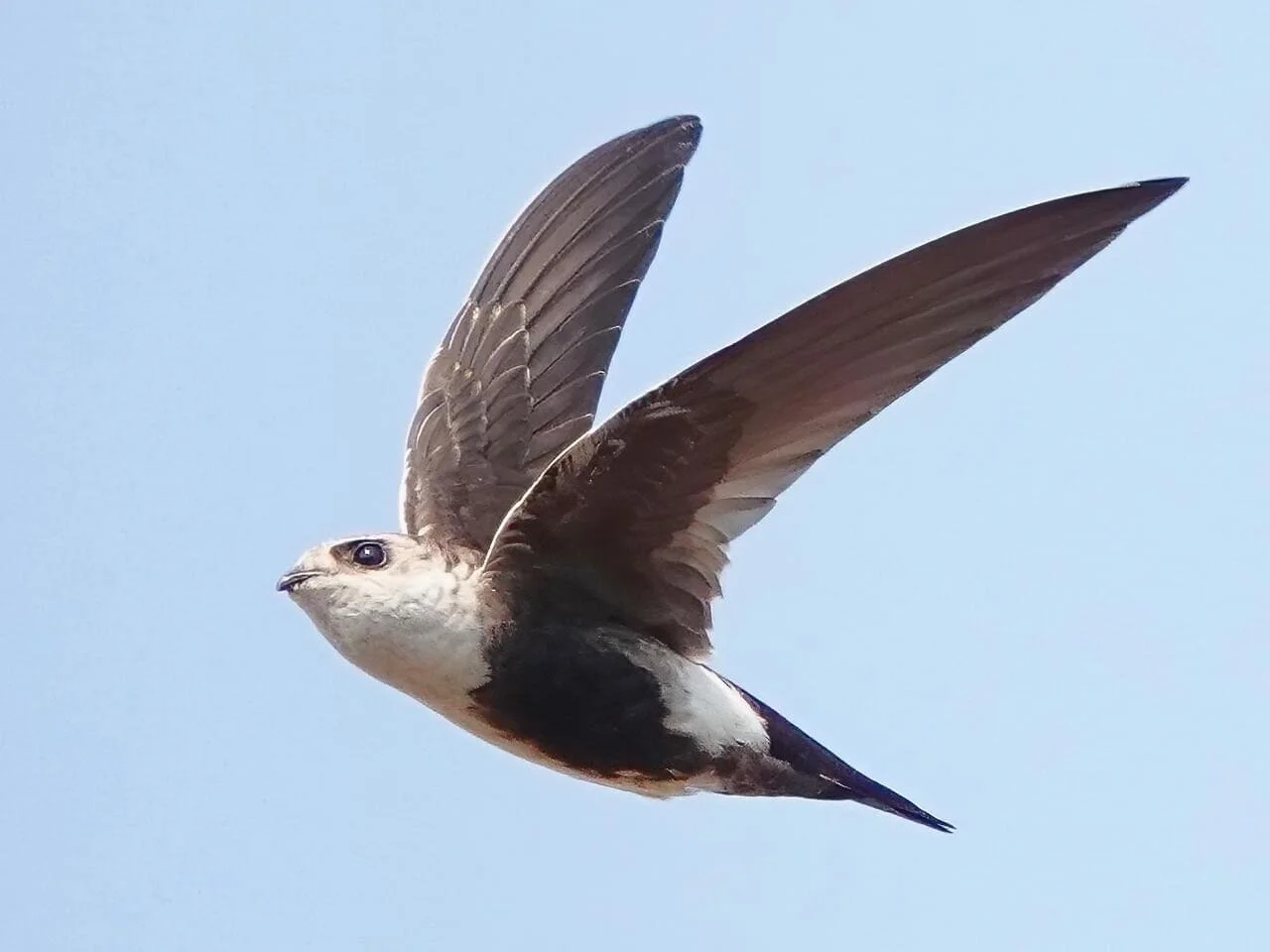
White-throated Swift
Bird Code: WTSW
Identify this bird by…
Large-bodied swift with long tail and curved wings
Dark brown overall with white throat, belly, and sides of rump
Males and females look the same
Look For…
In flight, swifts are agile and fast-moving with rapid wing beats, often pursuing insects
They nest on cliffs but otherwise are always in flight
Listen for…
Call: A harsh, rattling “scree” given in a series of single and double notes in flight
Resources:
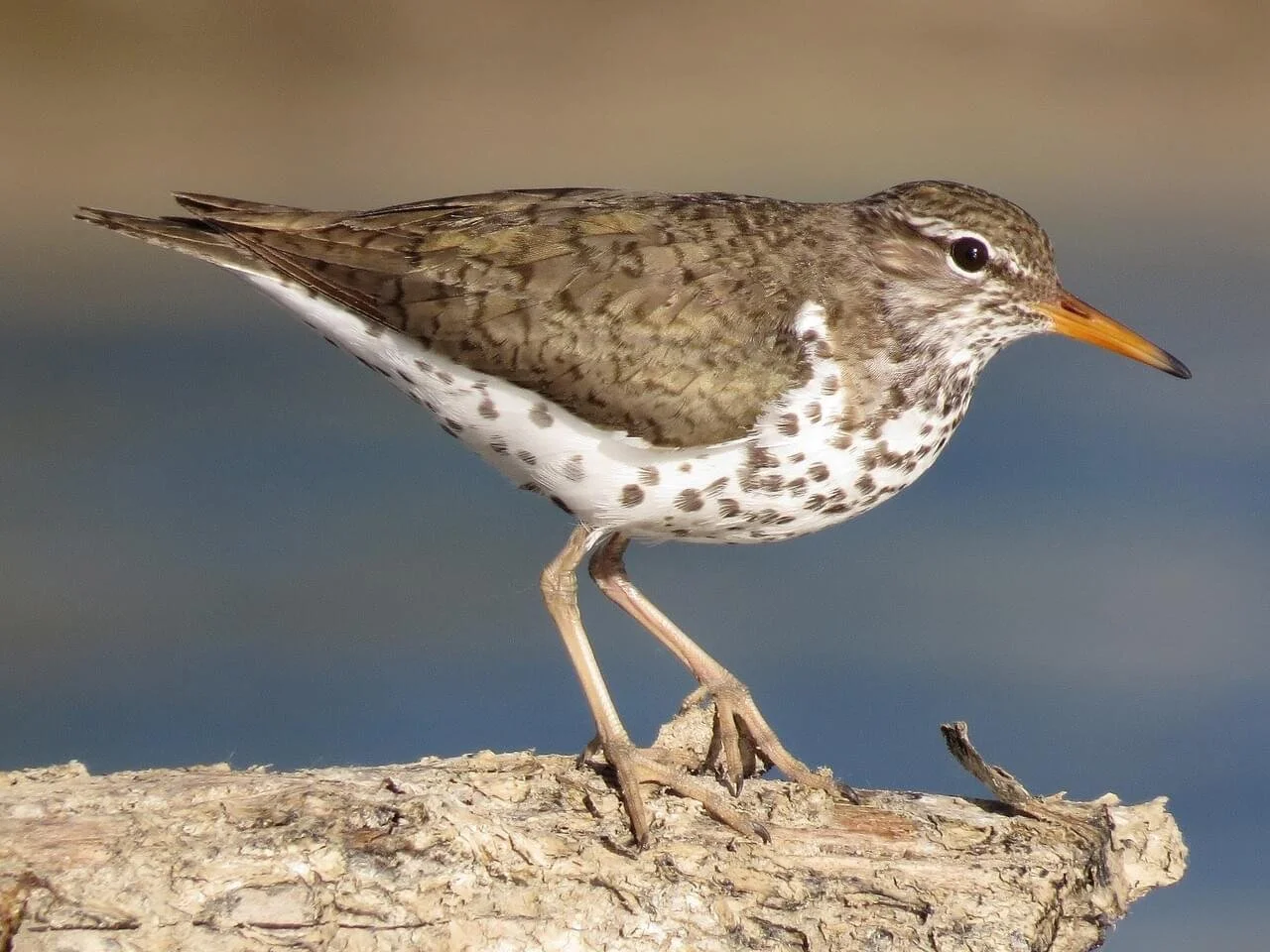
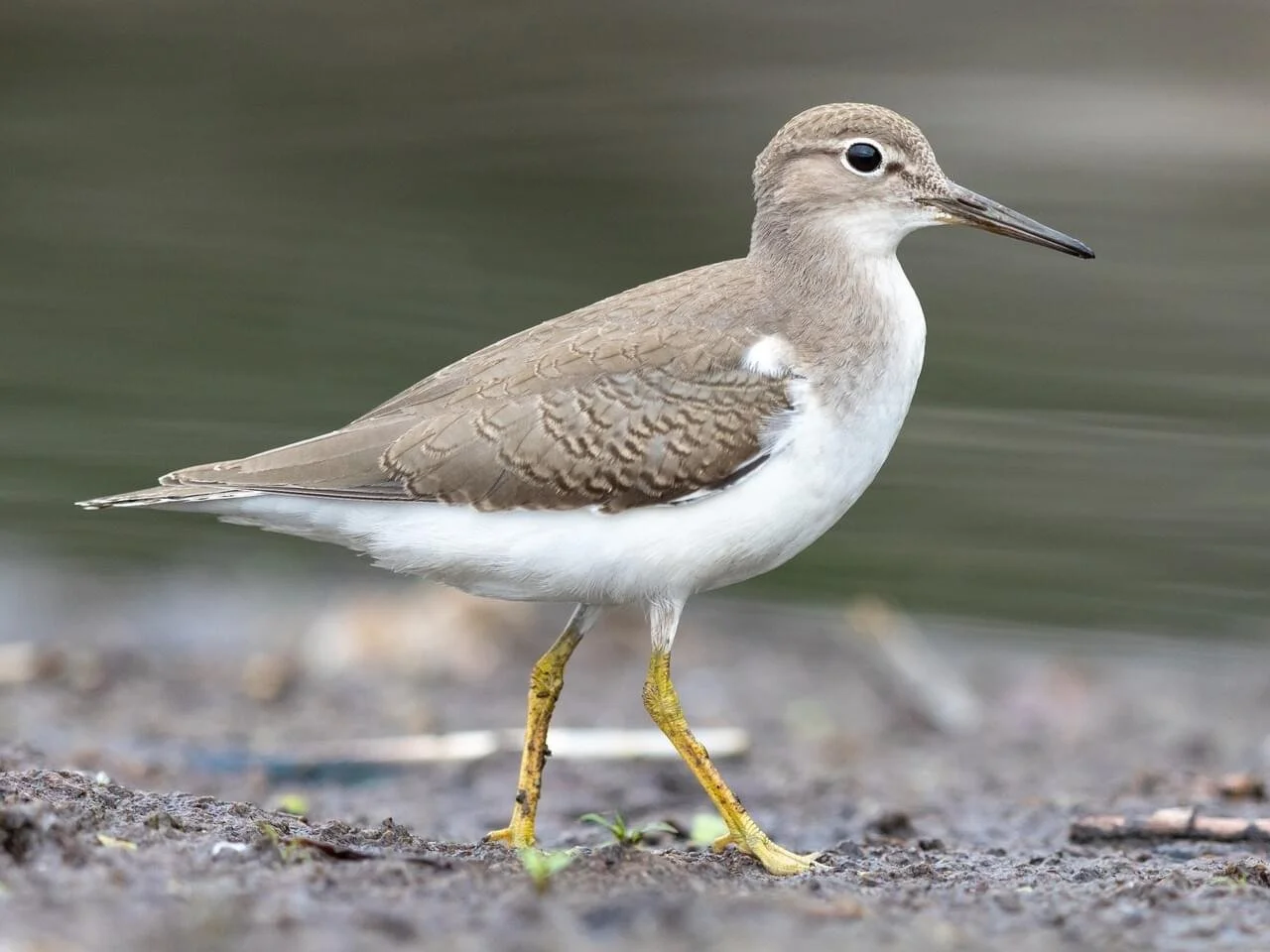
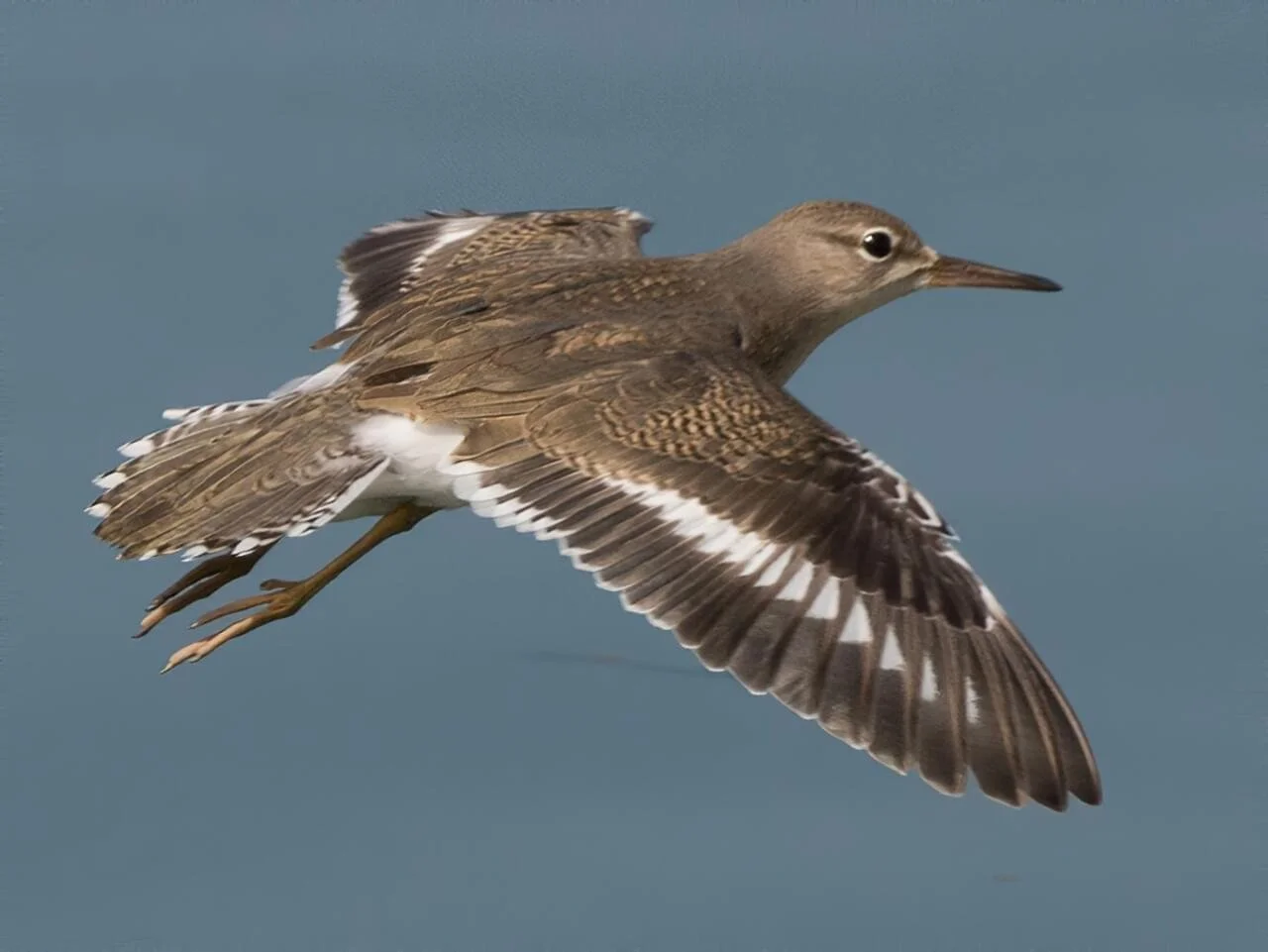
Spotted sandpiper
Bird Code: SPSA
Identify this bird by…
Medium-sized with a bill slightly shorter than head
Breeding plumage - Dark brown back, bold dark spots on their bright white breast and an orange bill.
Non-breeding - plain white breast without spotting, back is grayish brown, and the is pale yellow
Males and females look the same
Look for…
Behavior - Often solitary and walk with a distinctive teeter, bobbing their tails up and down constantly
In flight - quick, snappy wingbeats interspersed with glides, keeping their wings below horizontal. Look for thin white stripe along wings
Habitat - This species is one of the most widespread breeding shorebirds in the United States and is commonly seen near freshwater, even in otherwise arid or forested regions!
Listen for…
Call/Song: sing a rapid string of ~10repeated “weet” notes. They’ll also give a few “weet” notes if alarmed
Resources:


NORTHERN HARRIER
Bird Code: NOHA
Identify this bird by…
A slender long-winged and long-tailed hawk
Note distinctive white rump patch and owl-like face
Adult males are pale gray with white underwings contrasting with black wingtips
Females and juveniles are brown with banded flight and tail feathers. Adult females are streakier below
Look For…
Behavior - often seen flying in a slow and teetering manner over grasslands and marshes while hunting
Listen for…
Call: A fast series of kek notes are given by both males and females during courtship displays, also a high sseew, given mainly be female and young.
Resources:
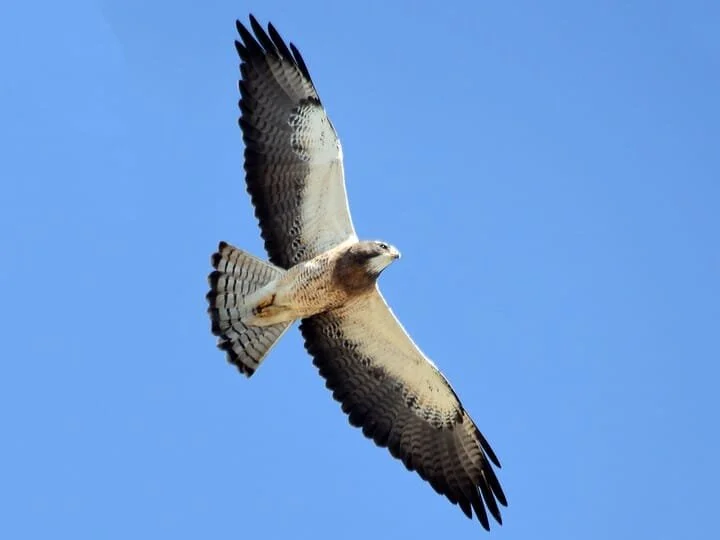
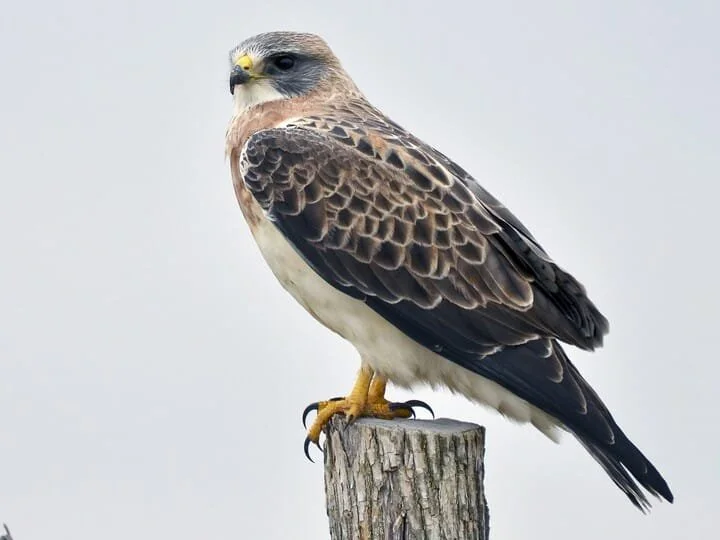
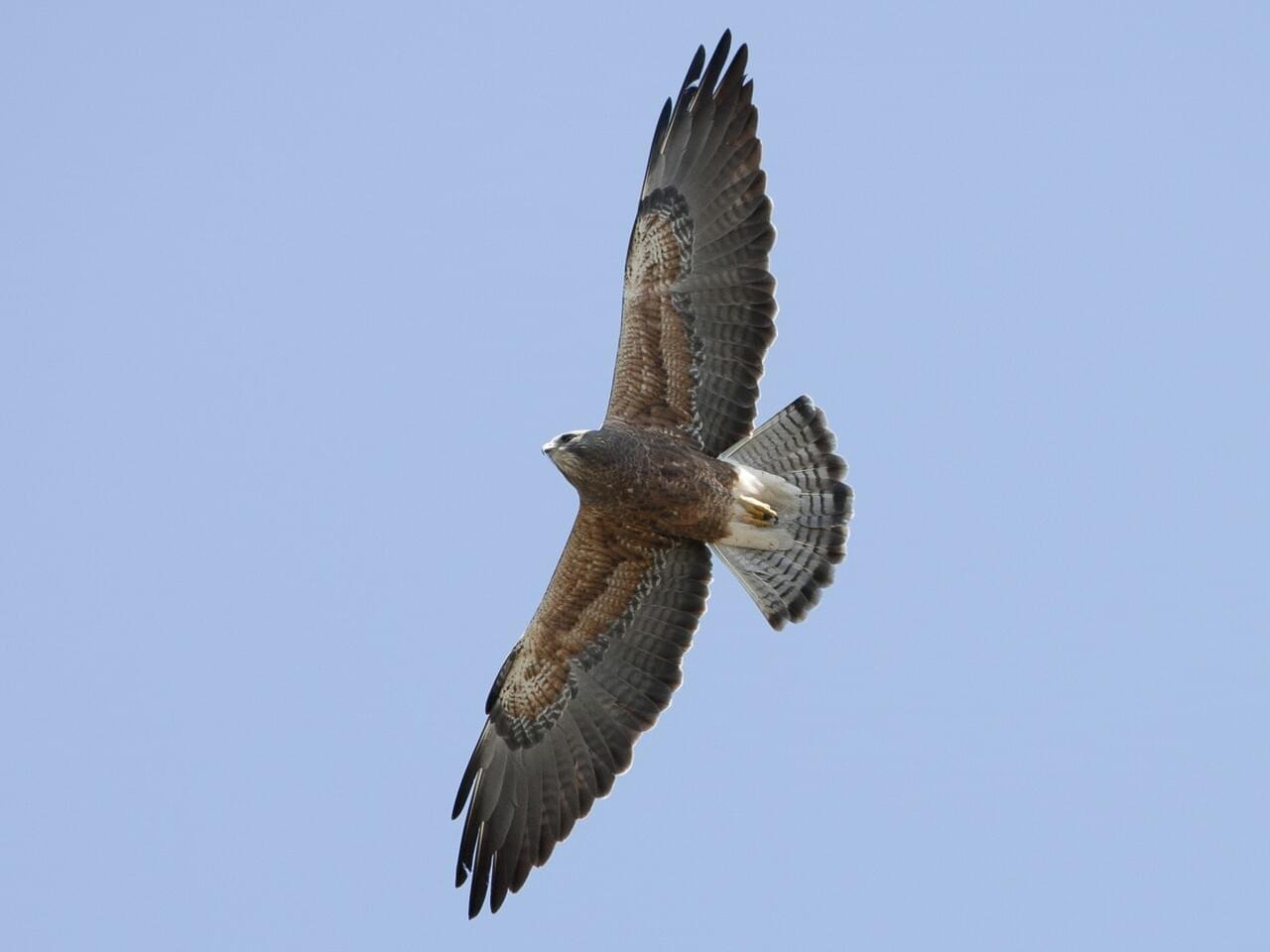
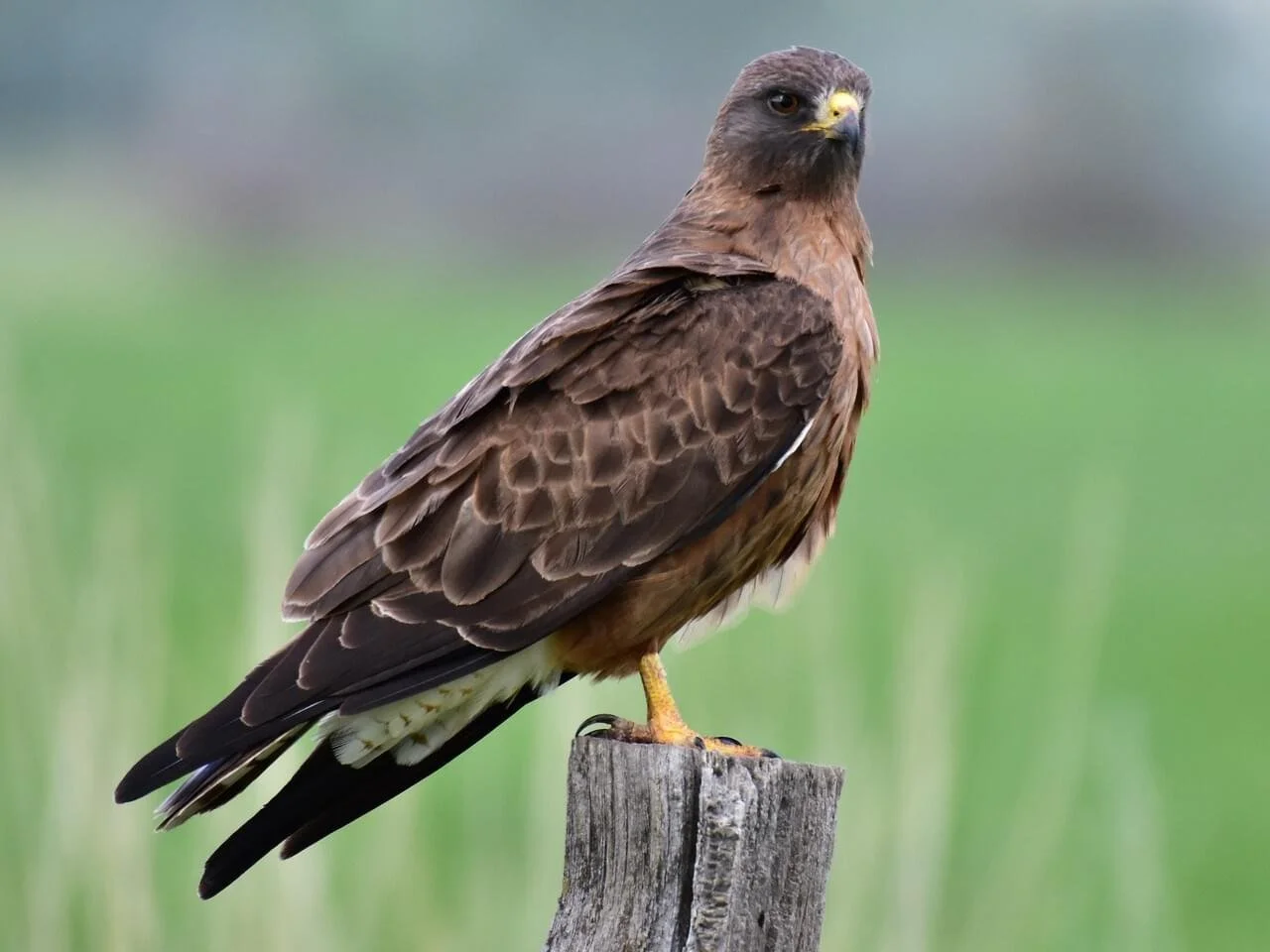
Swainson’s Hawk
Bird Code: SWHA
Identify this bird by…
A slender buteo hawk with long, pointed wings
When perched, note the brown head and upper breast, often with a lighter chin
In flight, note the characteristic dark flight and striped tail with darker edge and white vent
Like other buteos, has light and dark morphs
Tell apart by…
Light morphs: chestnut chest, white bib, belly and underwings variable but light
Dark morphs: brownish to blackish overall with same flight feathers, tail, and white undertail coverts
Listen for…
Call: a scream similar to a Red-tailed Hawk, but higher and weaker
Resources:
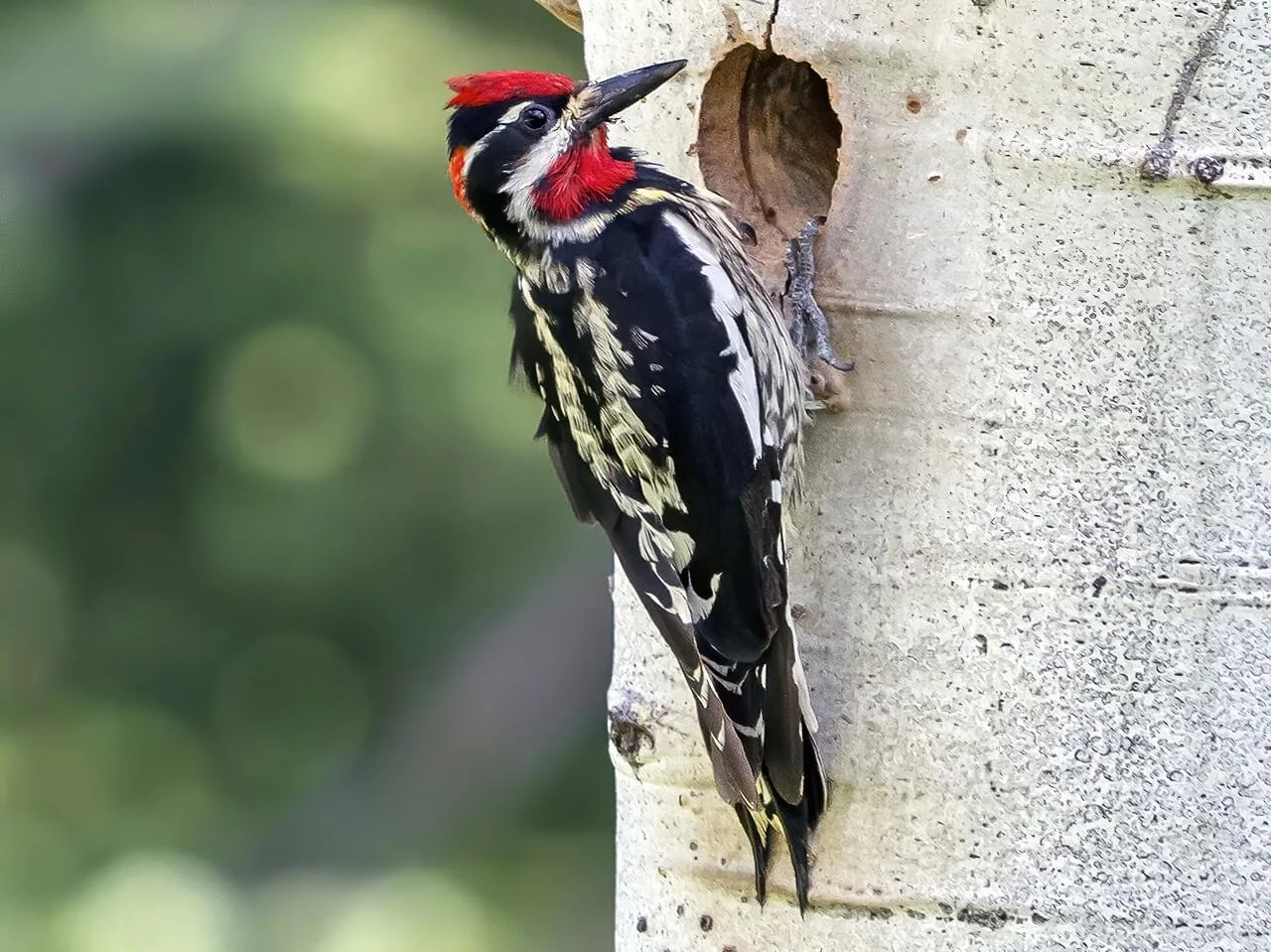
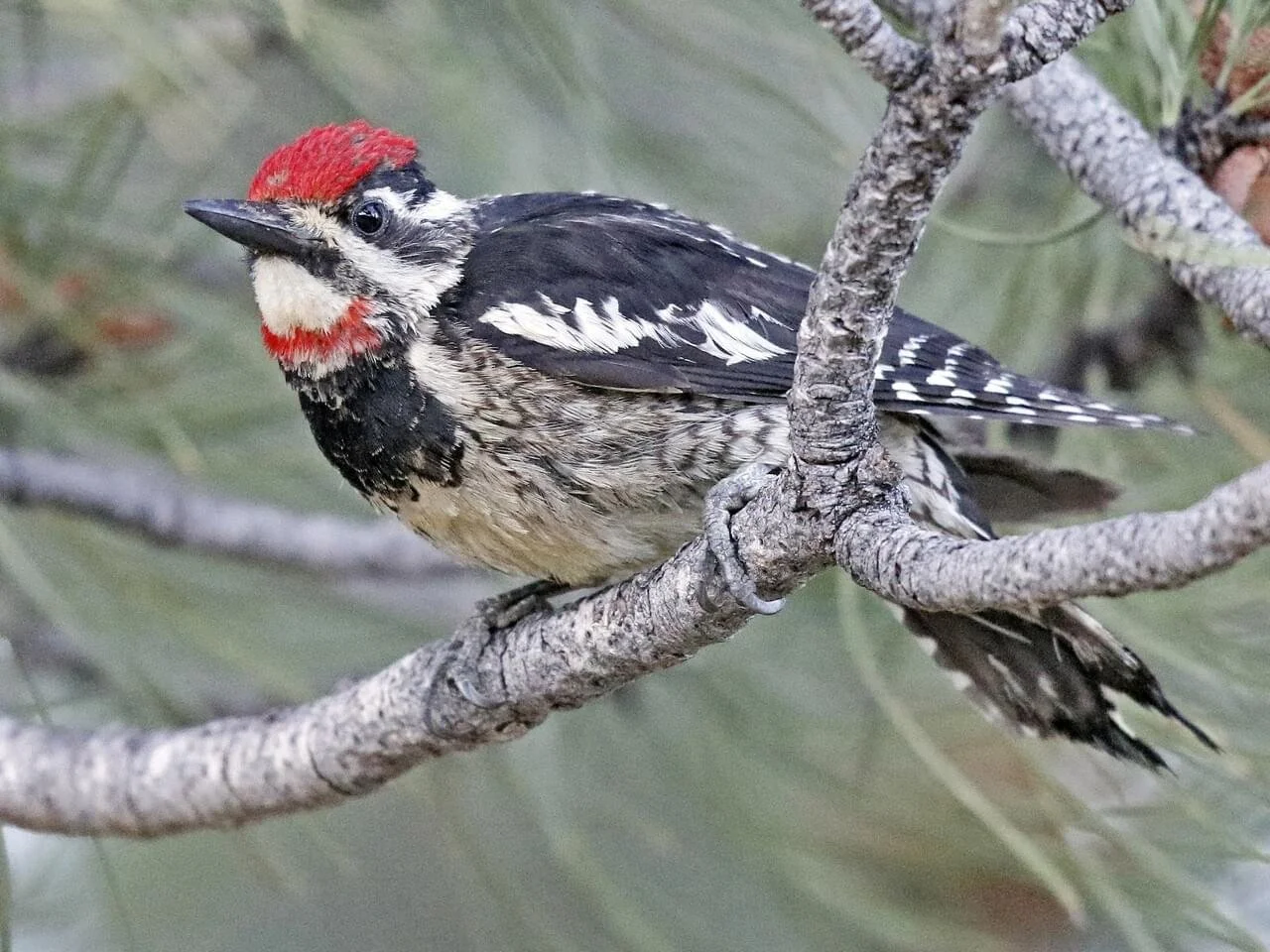
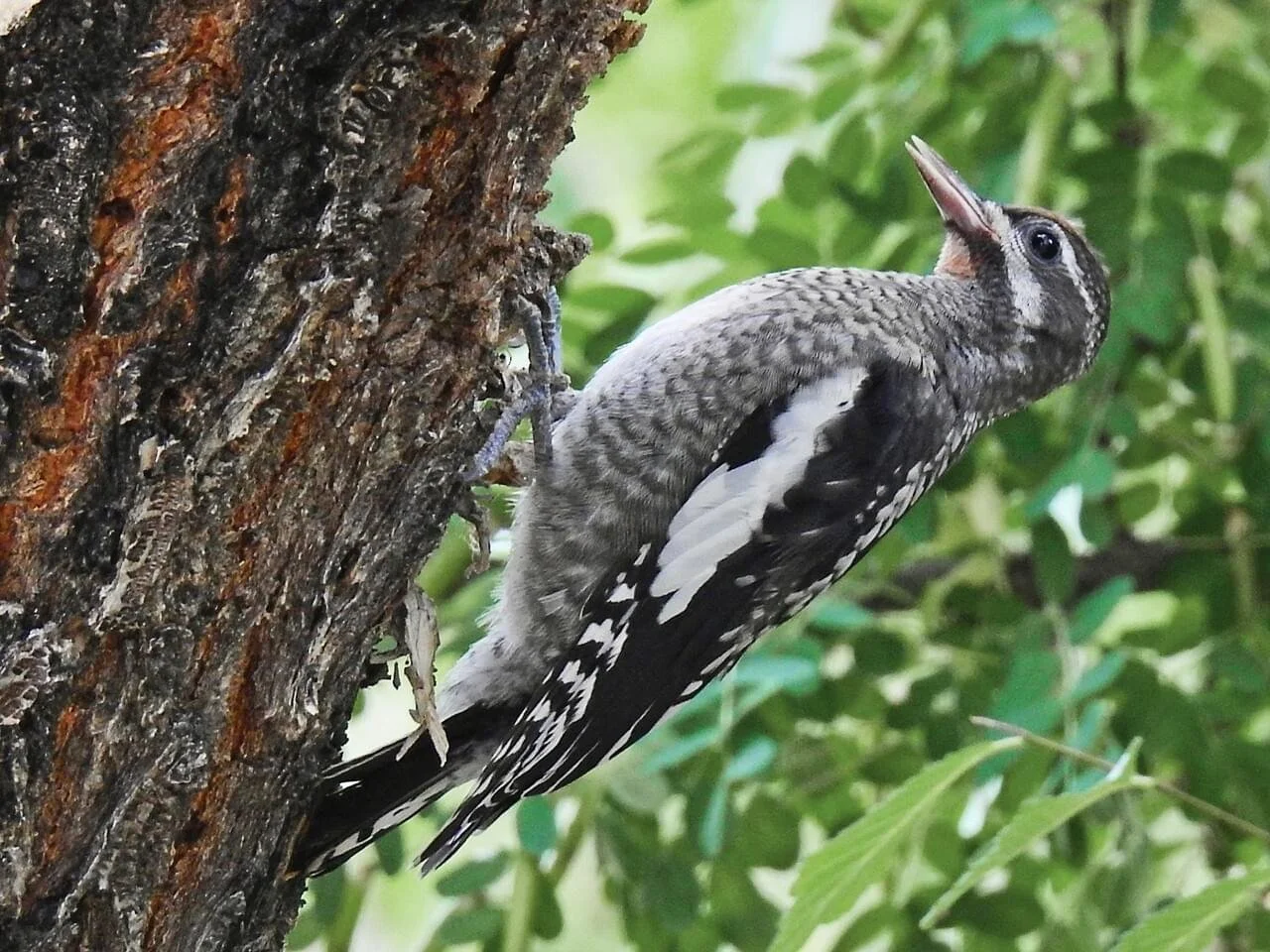
Red-naped Sapsucker
Bird Code: RNSA
Identify this bird by…
Small black, white, and red woodpecker
Black back and wings with white stripes down wings and down edge of folded wing
Head distinctive with red on nape, crown, and throat with black stripe from eye to back bordered white
Tell males and females apart by…
Males - Red crown and throat bordered black
Females - Throat mainly white with red border
Juvenile - Brown-washed with no red
Listen for…
Call: A harsh, whining, descending “whaaa” given to warn mate of danger, or sometimes a chitter in flight
Drum: Soft strikes given at an irregular pace, seeming to slow down as time goes on
Resources:
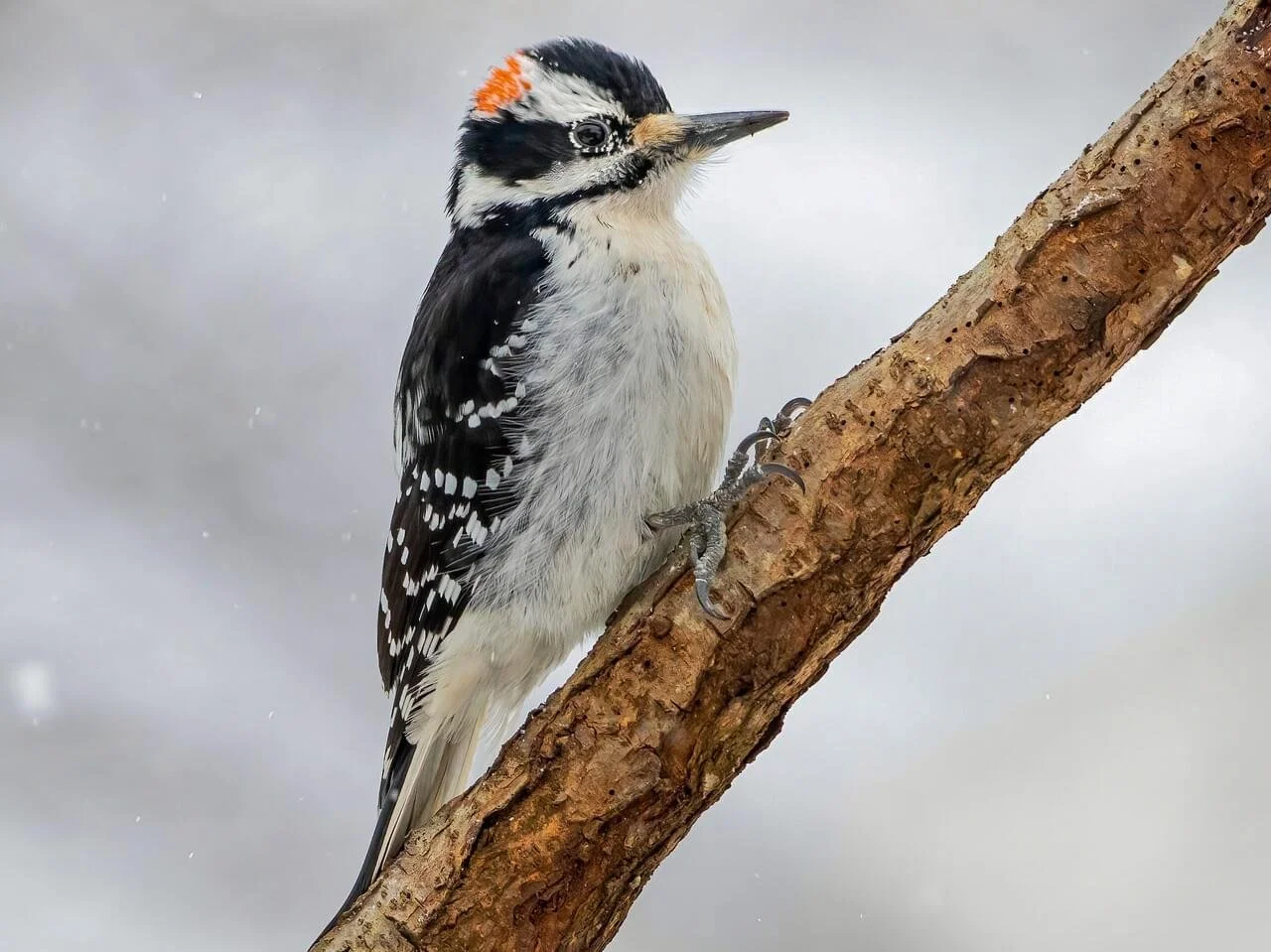
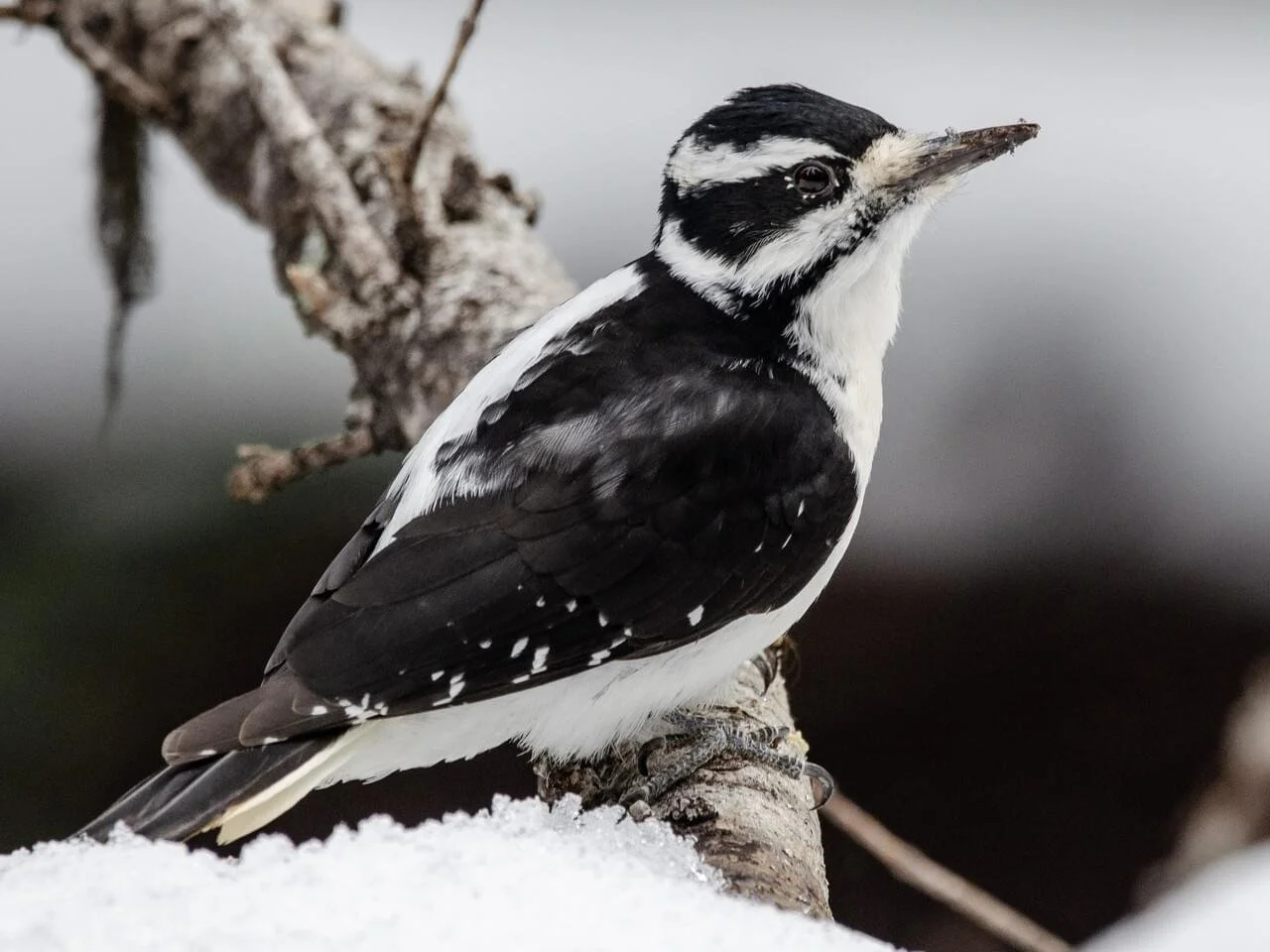
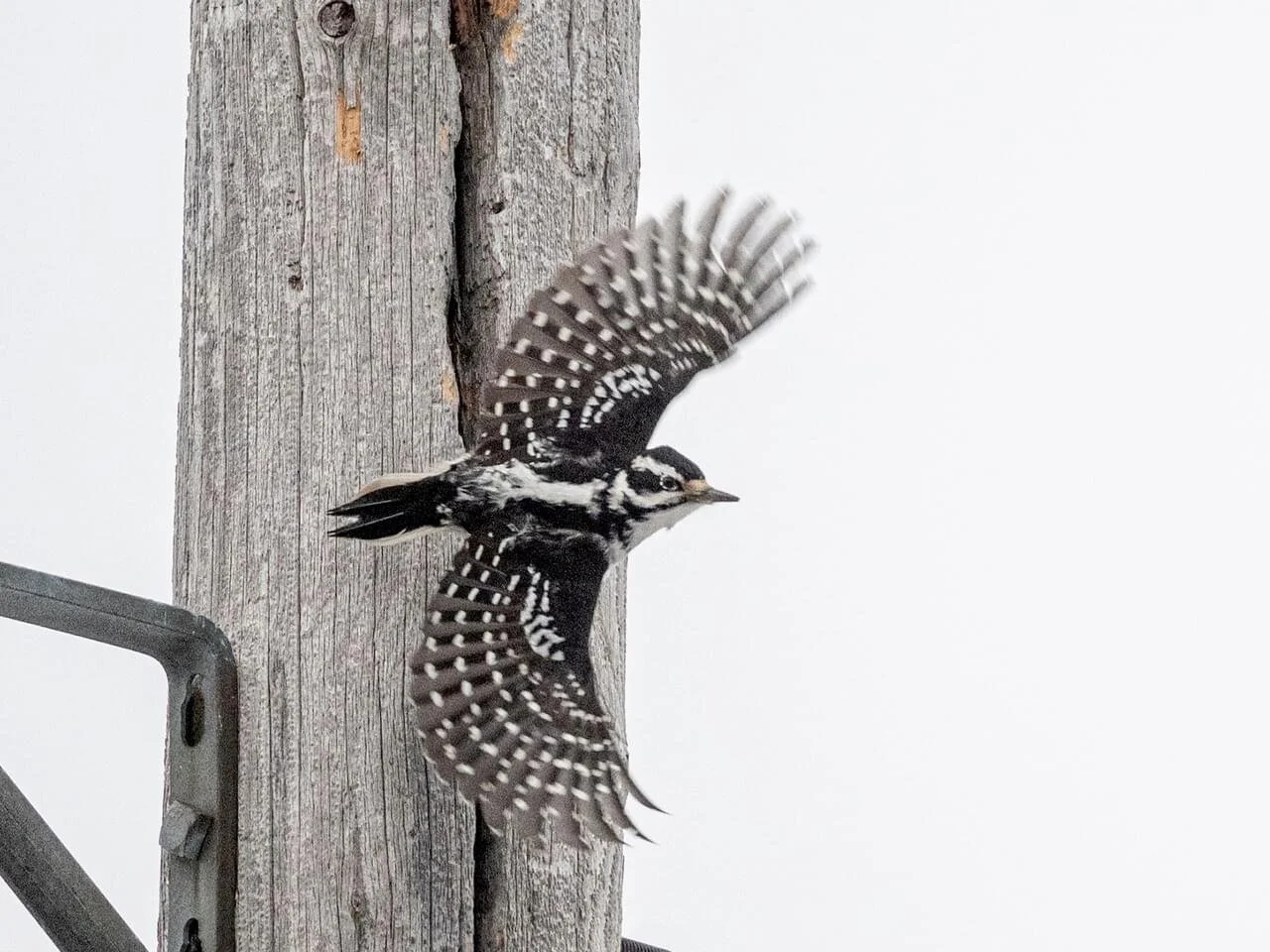
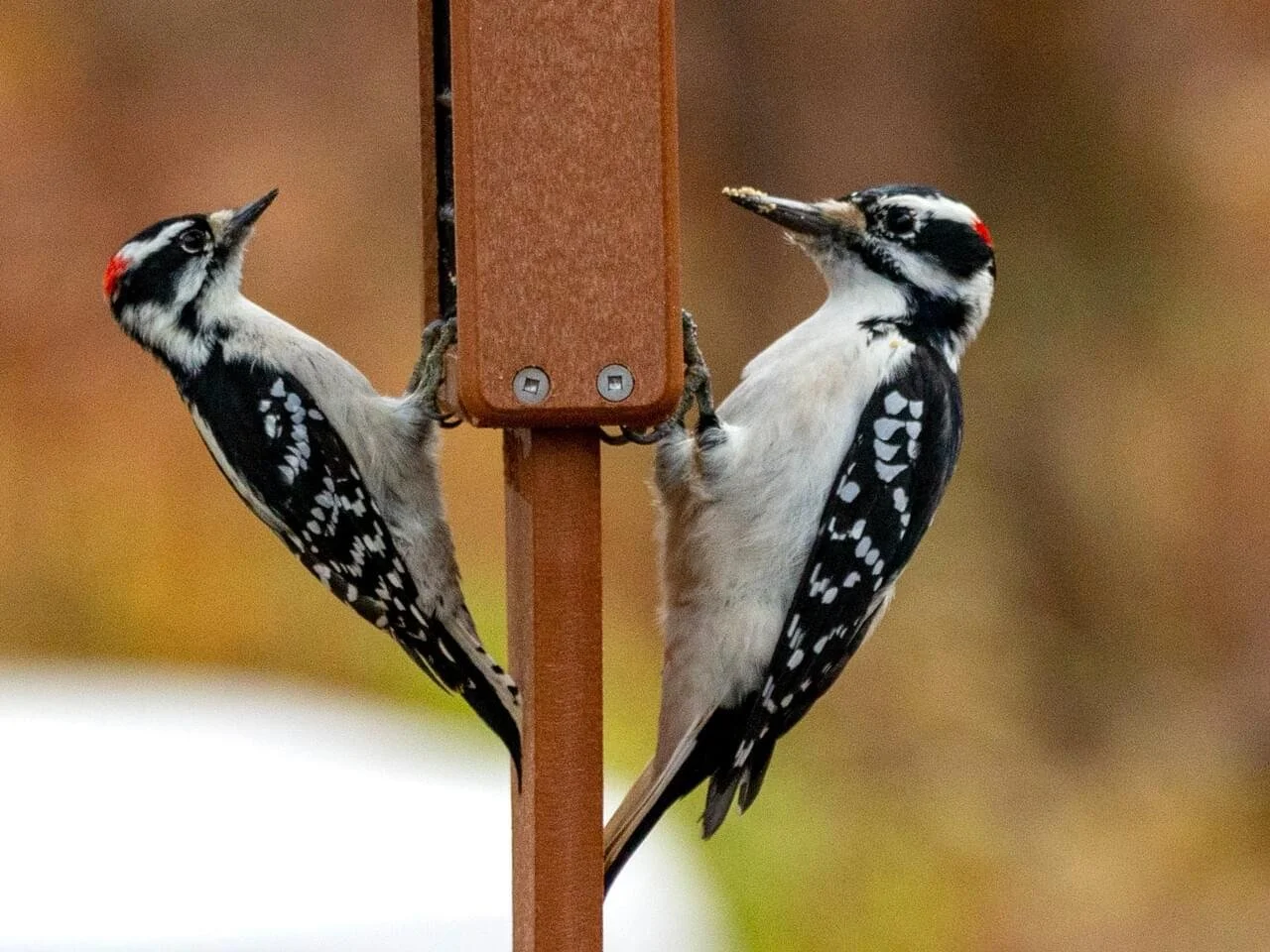
Hairy Woodpecker
Bird Code: HAWO
Identify this bird by…
Large woodpecker with a long, chisel-like bill same length as head, and stiff, long tail feathers to prop against tree trunks
Males have a small red patch on the back of the head that females lack; juveniles red cap
Tell it apart by…
Longer bill than Downy Woodpecker
Outer tail feathers are black and do not have spots
Listen for…
Call: A short, sharp peek note very similar to Downy Woodpeckers, but slightly lower pitched and often sounding more emphatic. Hairy Woodpeckers also make a rattle or whinny. This call is also similar to the Downy Woodpecker but does not descend in pitch at the end.
Drum: A loud, rapid, evenly paced series about 1 second long and consisting of about 26 beats (uncountable)
Resources:
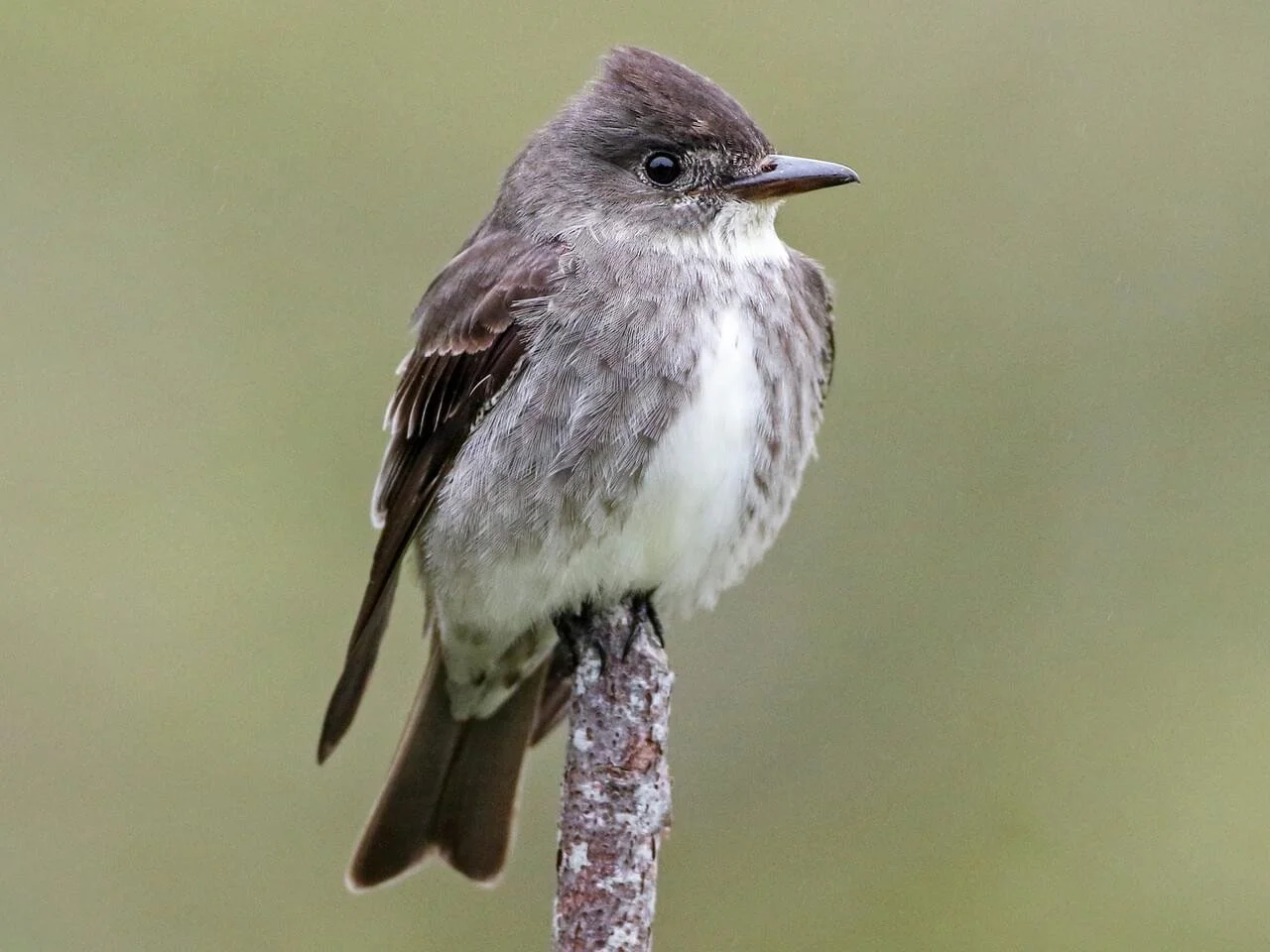
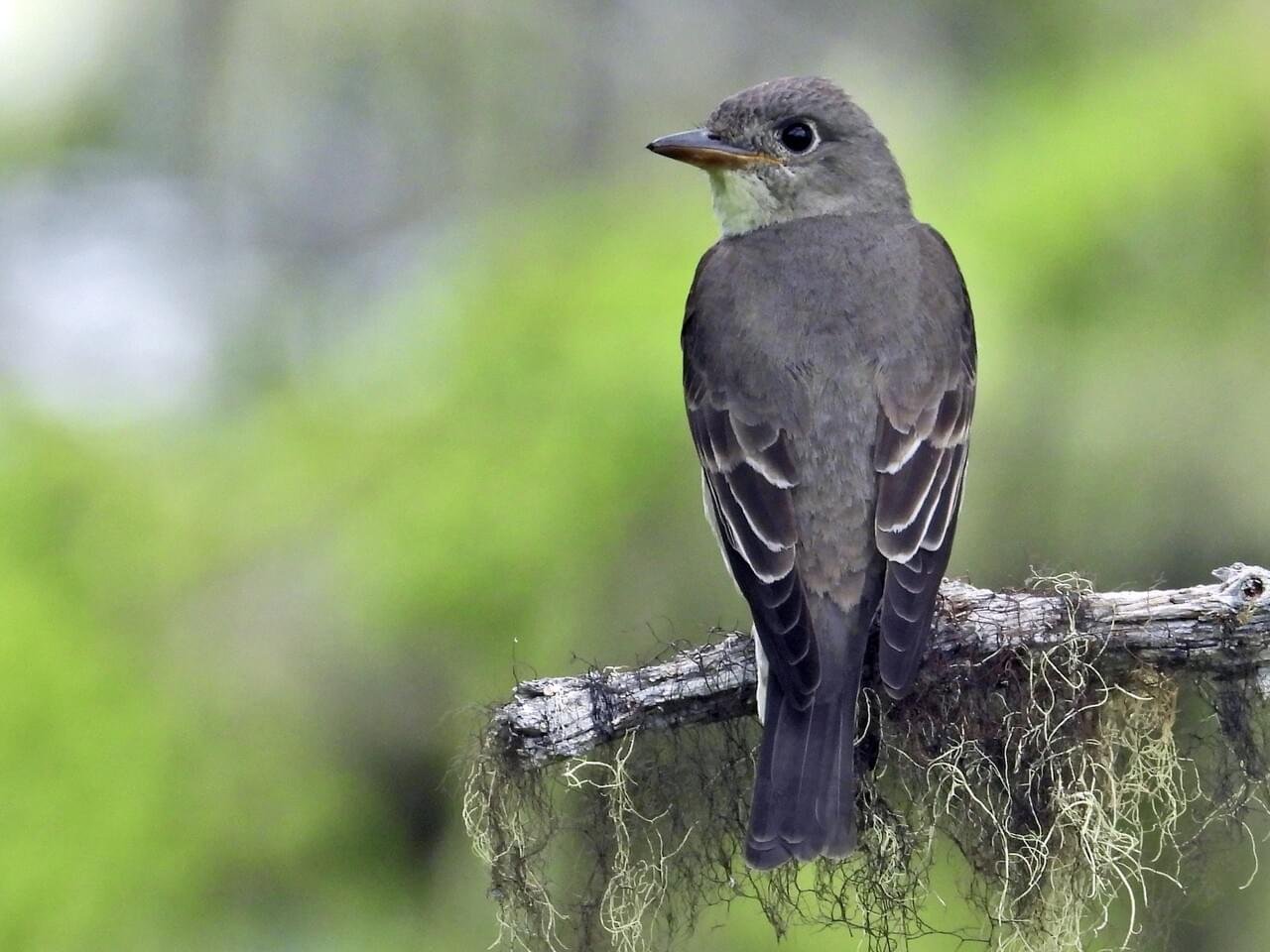
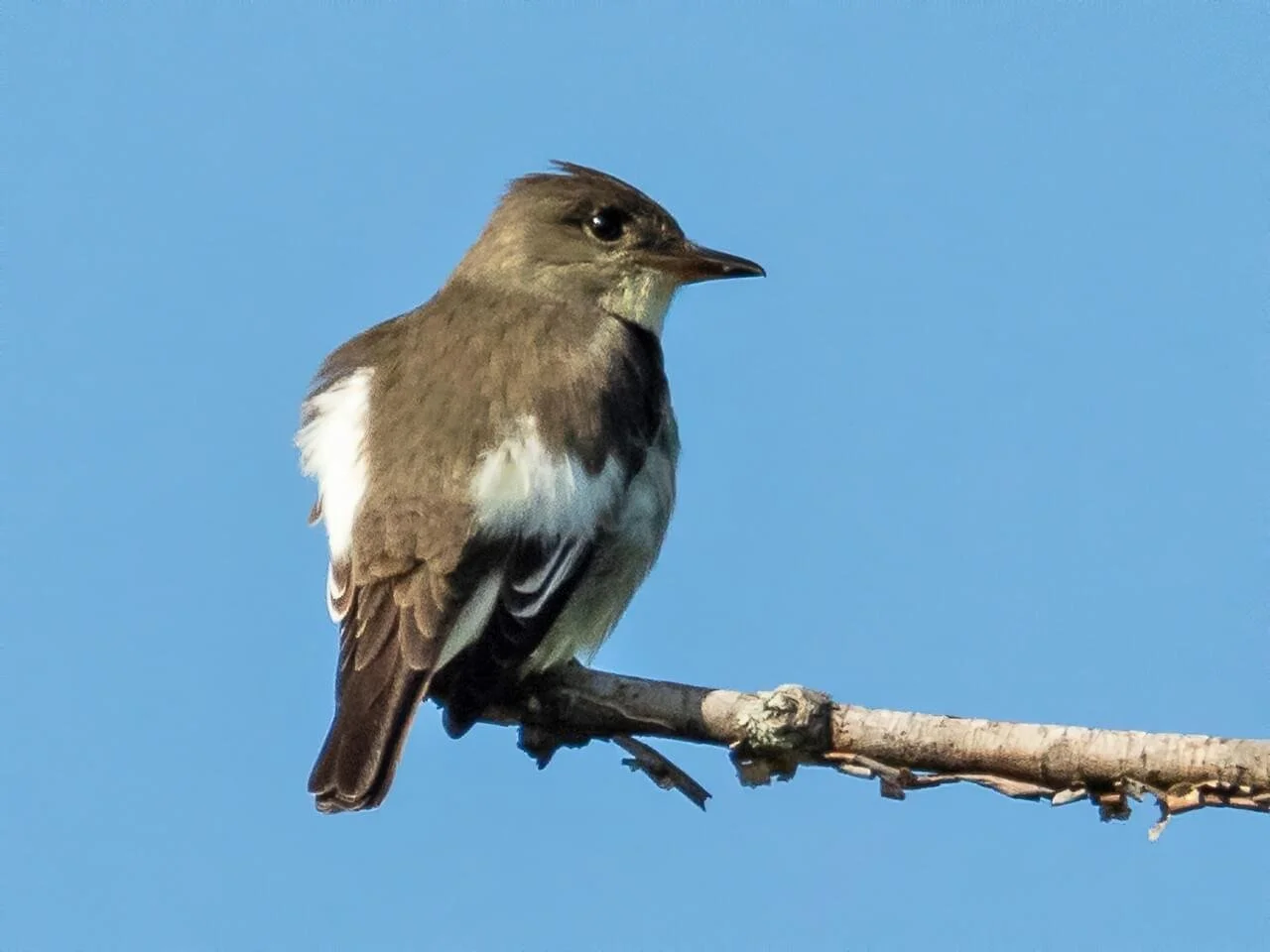
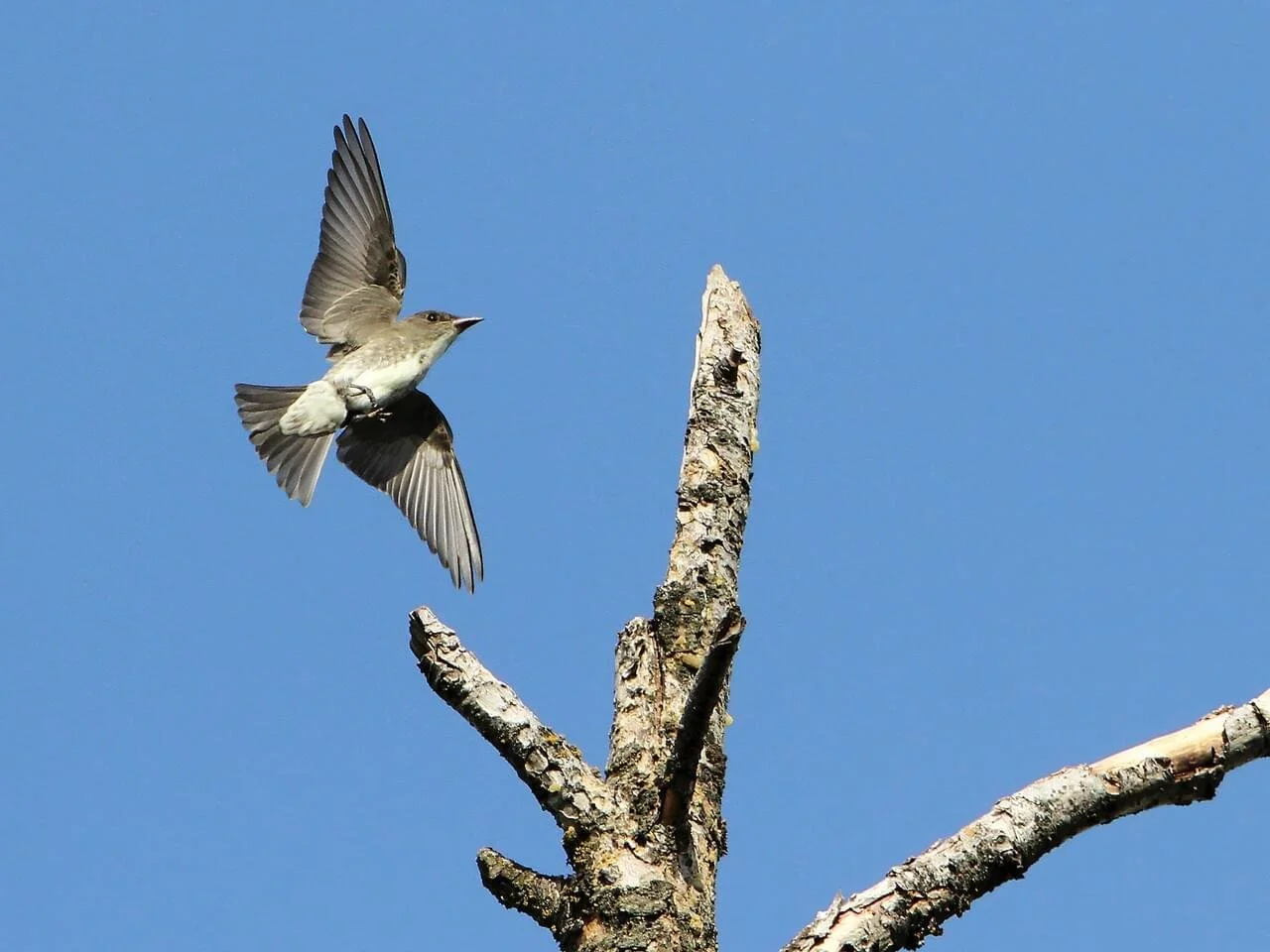
Olive-sided Flycatcher
Bird Code: OSFL
Identify this bird by…
Large, upright-postured flycatcher with head feathers giving crown a peaked look
Dark gray overall paler flanks over white belly giving a “vested” look. Large dark bill with orange base
Look for…
White rump feathers sometimes puff out and visible from the sides - distinctive from other pewees
Frequently perches upright on top of dead branches
Listen for…
Song: An intro note followed by an upslur and a downslur - often described as “quick three beers”
Call: A sharp pip given 2-4 times in succession
Resources:


Gray Flycatcher
Bird Code: GRFL
Identify this bird by…
Slim flycatcher with long, thin bill and short wings
Plumage is drag gray with pale gray wingbars, and thin white eyering, and yellow base of bill
Males and females look alike
Tell it apart by…
The primary feathers are short and bill long compared to other flycatchers, and overall drab
Look for…
Found in dry scrub and forest habitats like sagebrush scrub and pinyon-juniper
Unique habit of wagging its tail downward
Listen for…
Song: Hoarse “chivik” phrase and higher, clearer “pseeoo.”
Call: A dry, soft but distinct “whit” like a dusky
Resources:
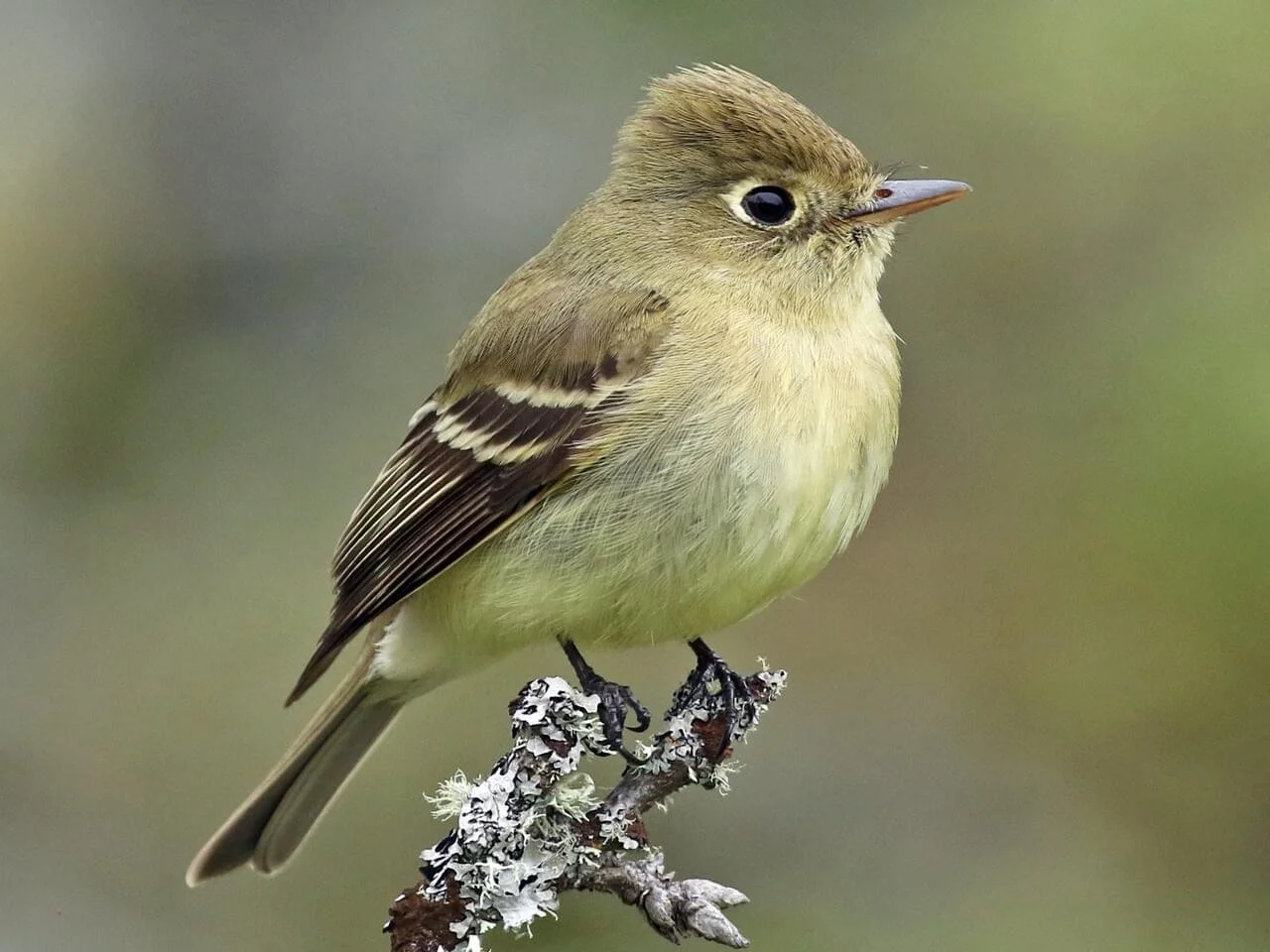
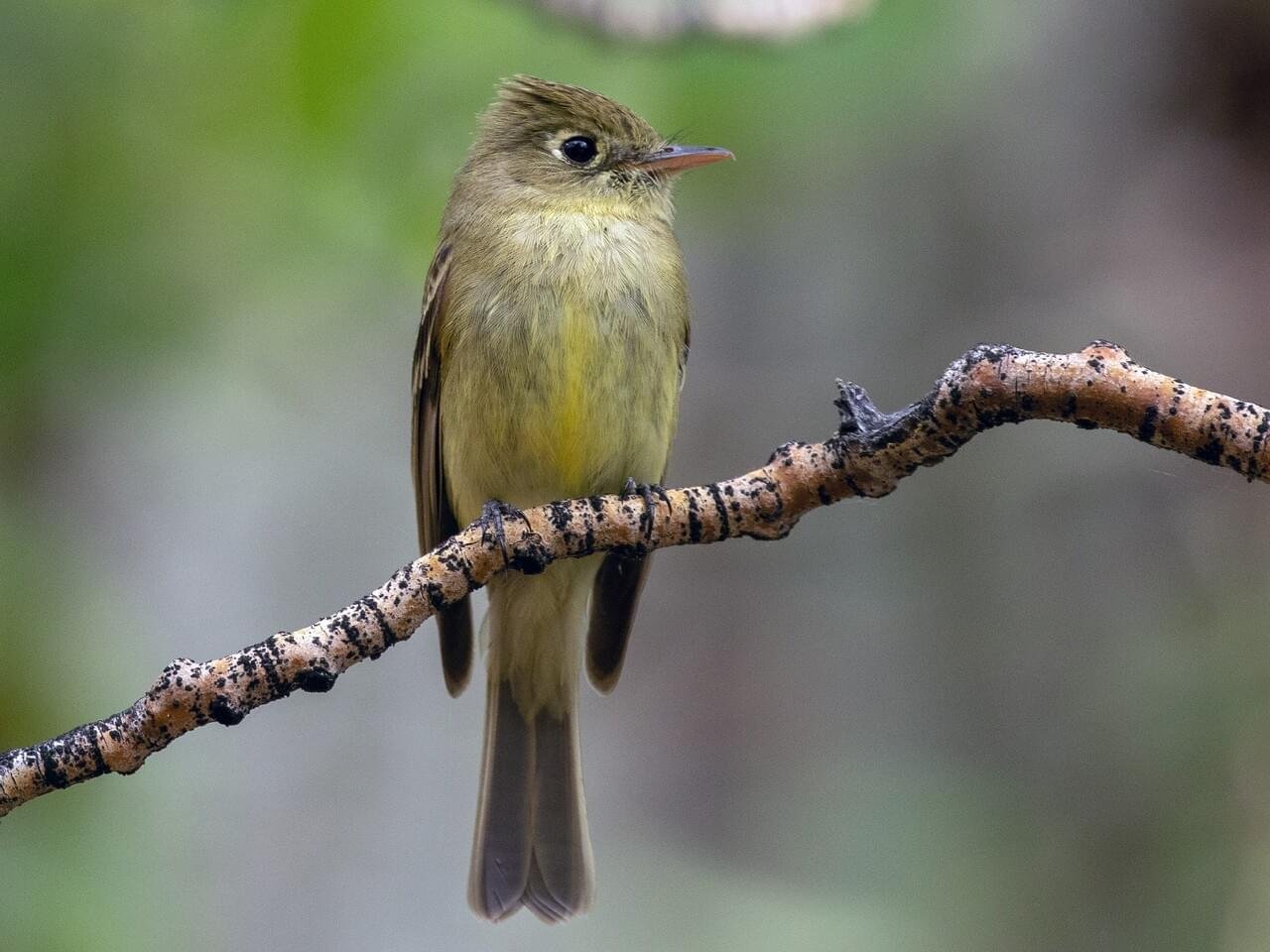
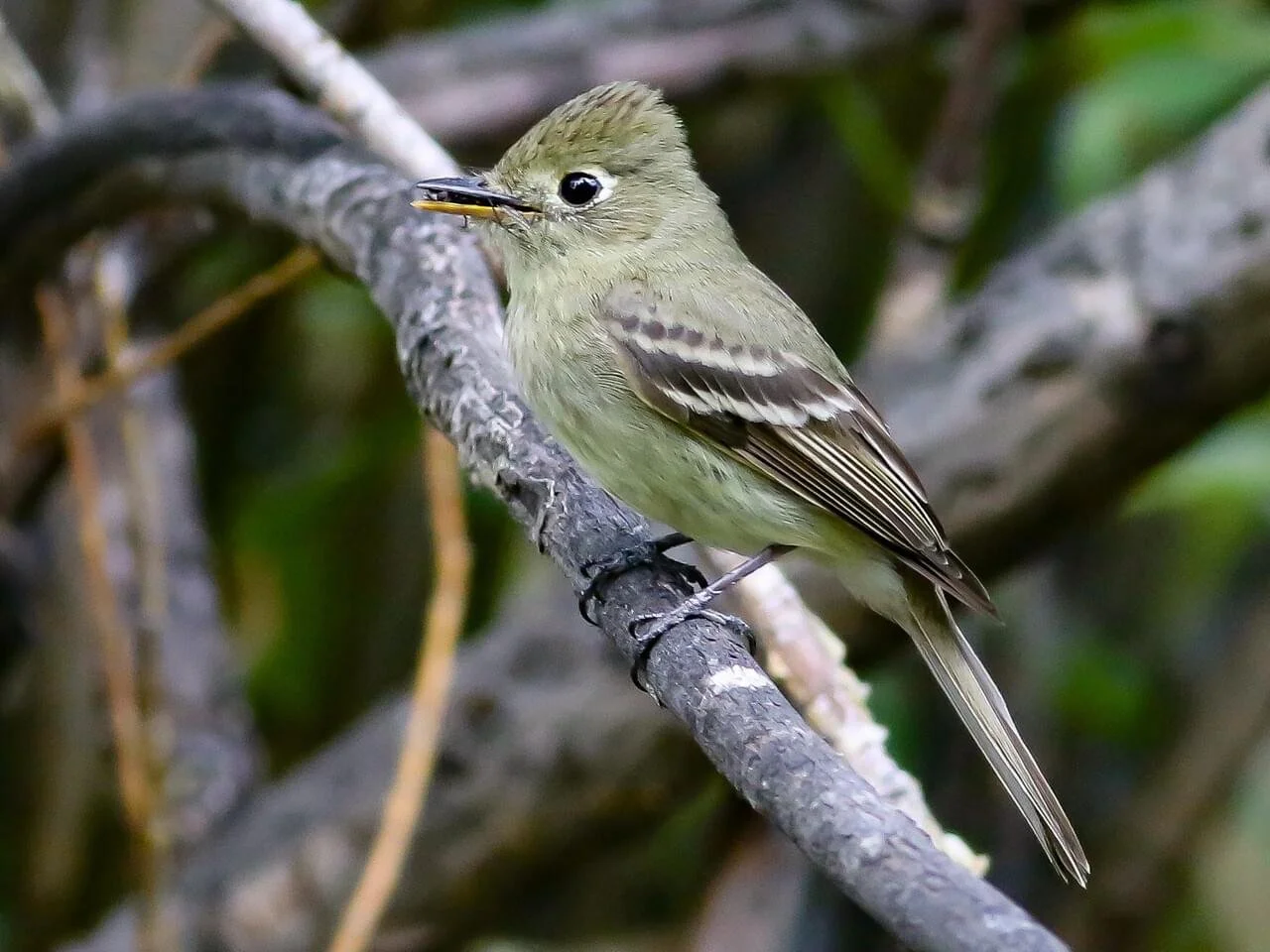
Western (cordilleran) Flycatcher
Bird Code: WEFL (COFL)
Identify this bird by…
Small flycatcher with peaked crown and teardrop shaped eyering
Olive above and yellowish bellow, with 2 whitish /yellow wingbars
Males and females look alike
Tell it apart by…
The teardrop shaped eyering is the best way to differentiate from other flycatchers, along with song
Look for…
Habitat - Breeds in dry evergreen and mixed forests in interior western North America, mainly along the Rocky mountains
A note on subspecies…
Birds in the Colorado Plateau are part of the Cordilleran subspecies. This used to be a separate species from the Pacific-slope Flycatcher, but they have now been merged
Listen for…
Song: A thin, high-pitched, squeaky song (thinner than the other Empidonax flycatchers). Three parts: reet–trrrrip-seet
Call: a sharp “seet!"
Resources:

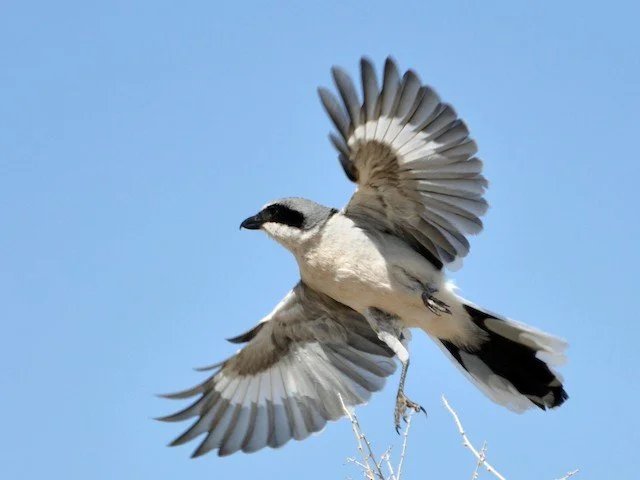
Loggerhead shrike
Bird Code: LOSH
Identify this bird by…
Chunky, large-headed bird with thick, hooked beak and long tail
Gray overall with white belly and black mask over the eyes and white patches on the wings.
Juveniles show faint barring on underside
Look for…
Behavior - often perches on wires and twigs to scan for prey that they impale on thorns
Listen for…
Song: Quiet songs composed of a rhythmic series of short trills, rasps, and buzzes mixed with clear, often descending notes.
Calls: Variety of muttered trills, stutters, and scolds.
Resources:
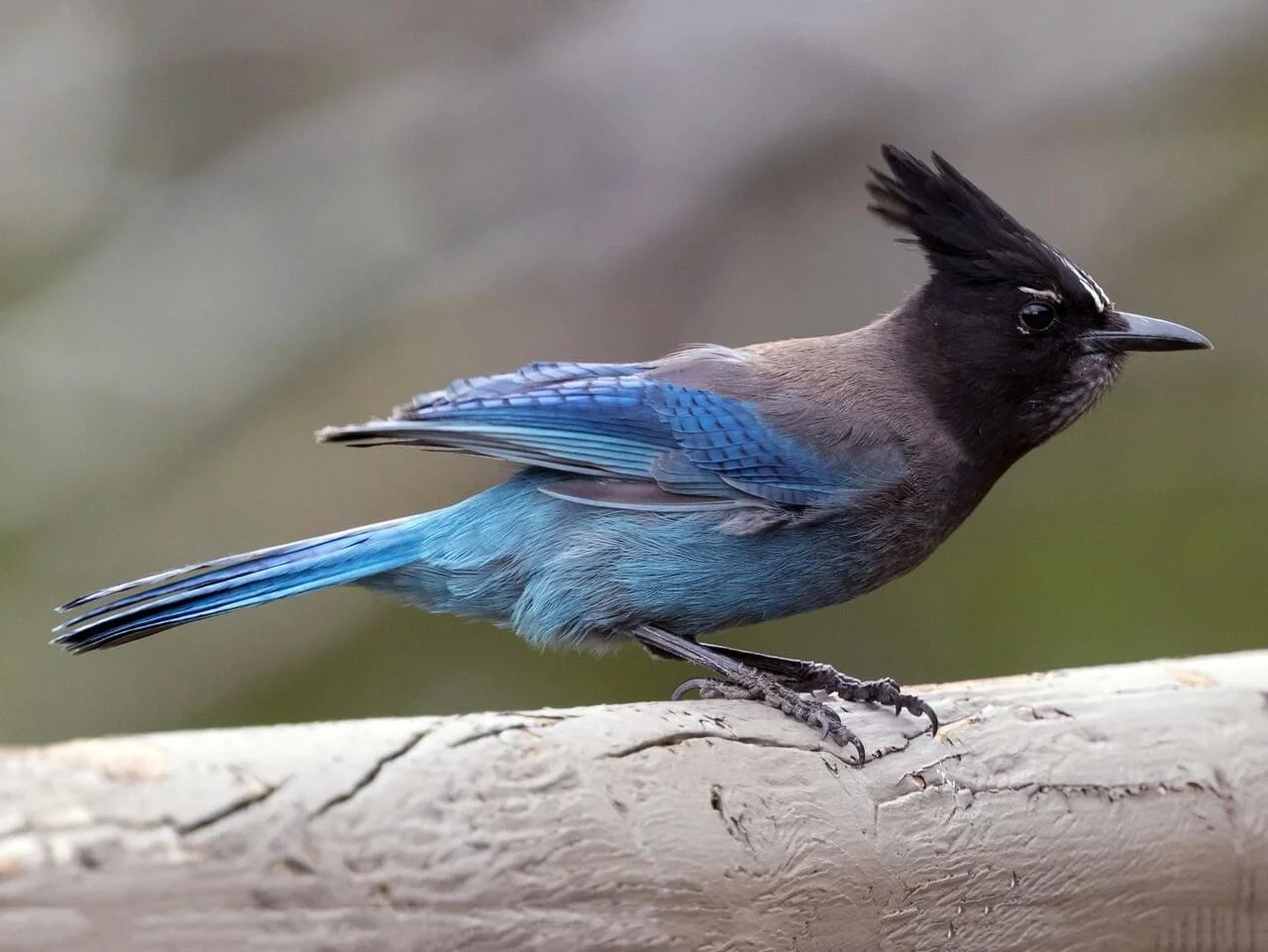
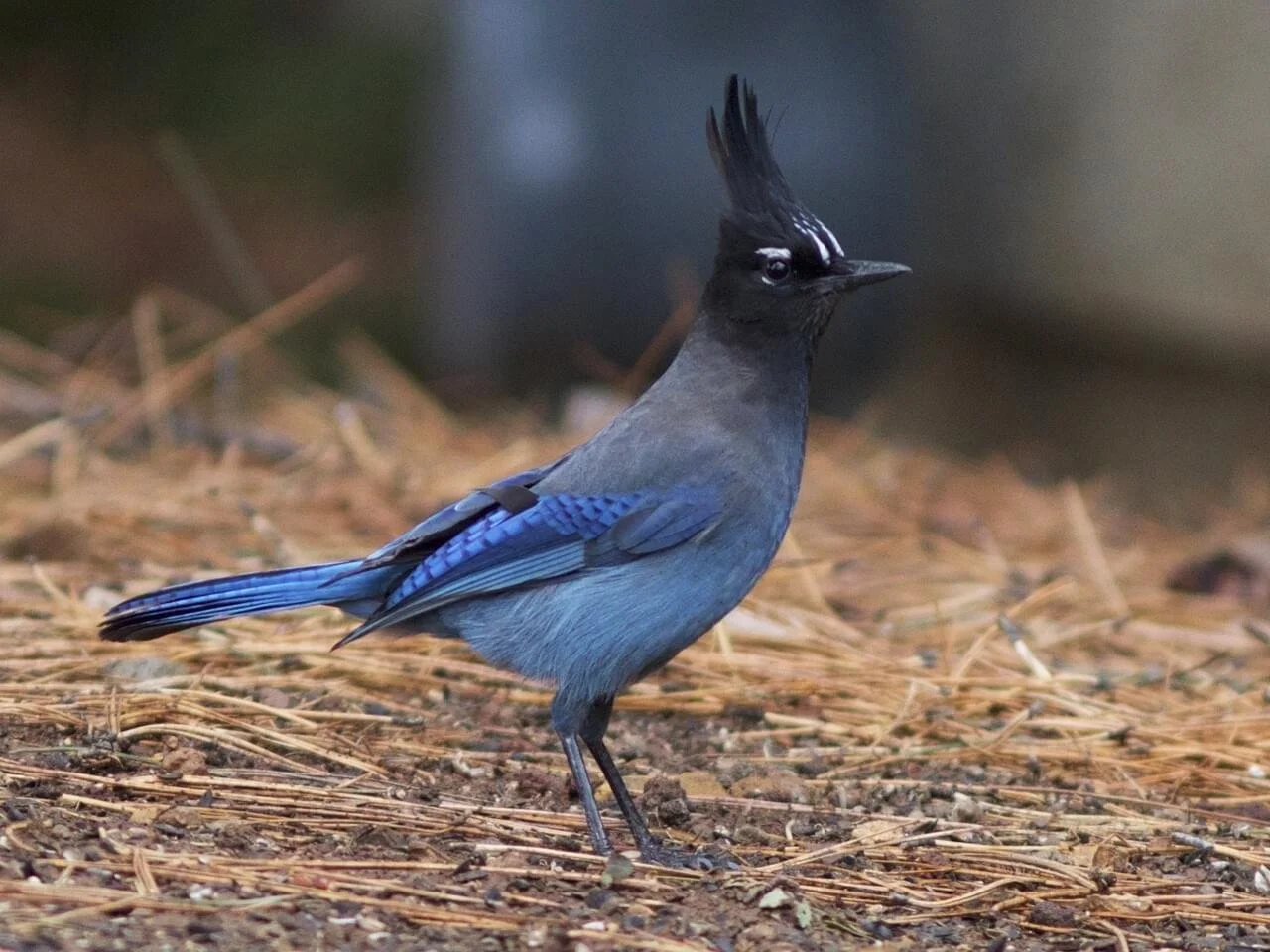
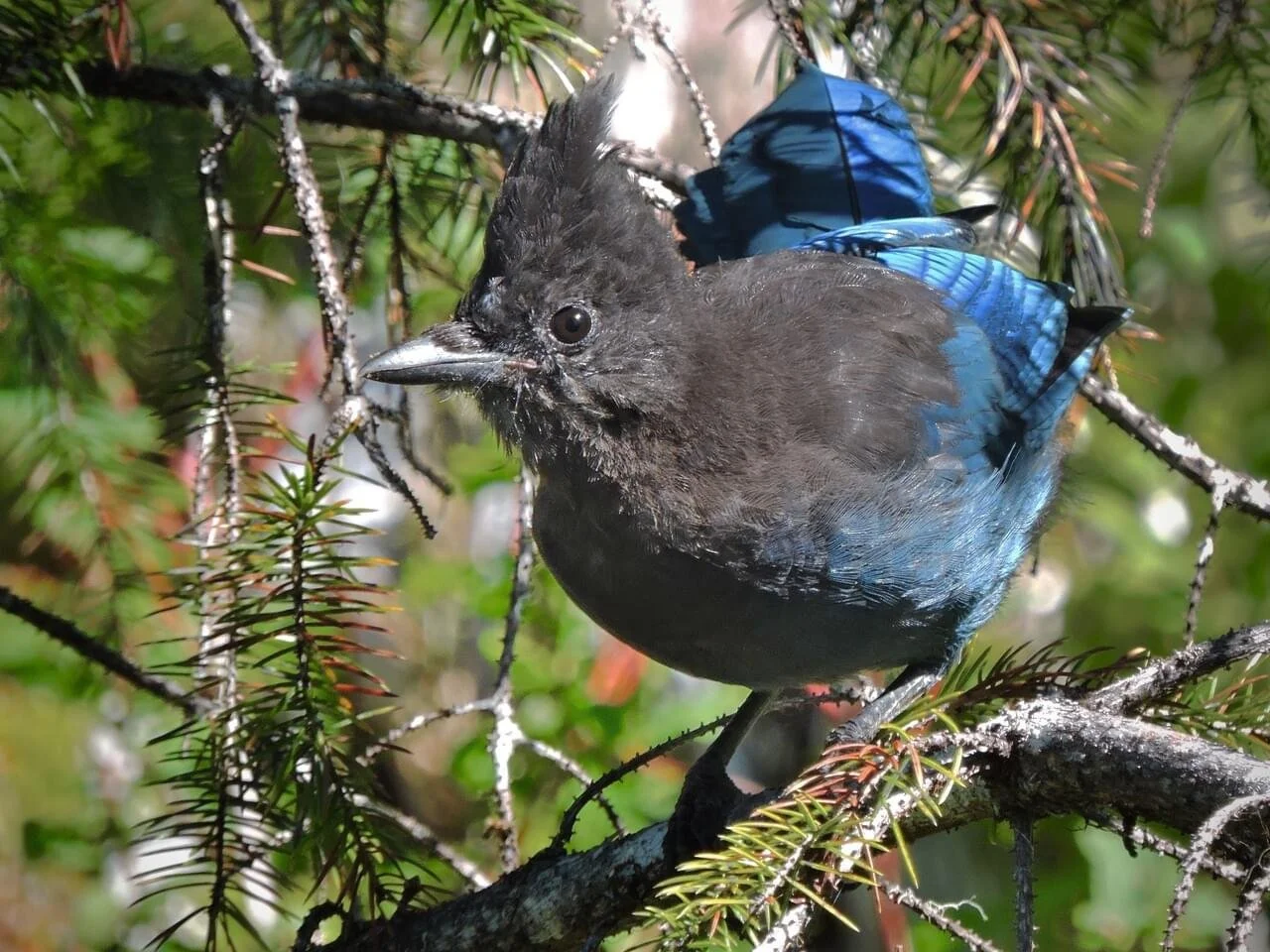
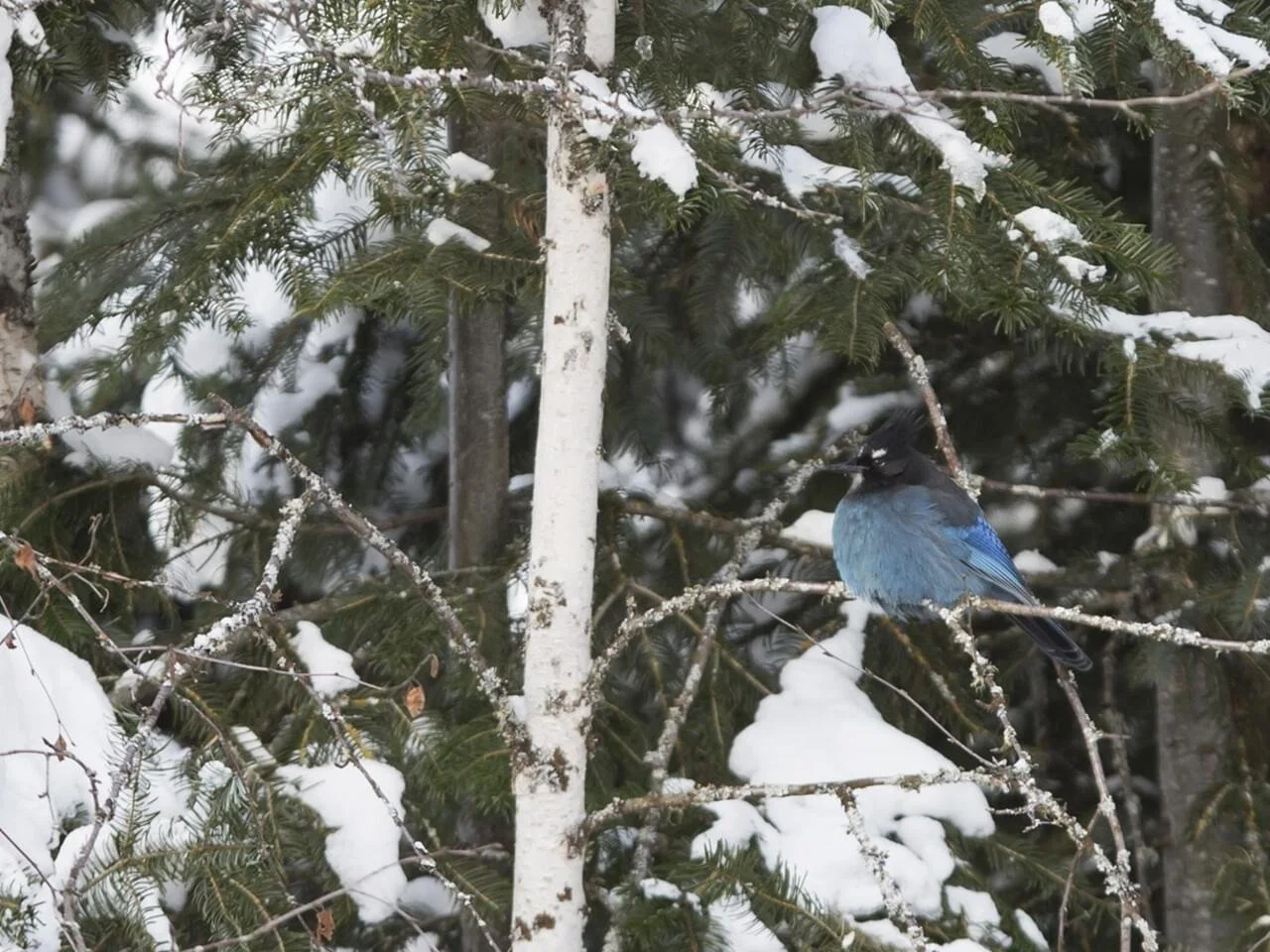
Steller’s Jay
Bird Code: STJA
Identify this bird by…
Large conspicuous songbird with a long tail, long bill, and long, upright, distinctive crest
Cerulean body and black-barred wings and tail, and a black head and chest with white markings
Juveniles have charcoal face and chest
Look for…
Behavior: Conspicuous and vocal, usually in pairs, often foraging hopping on ground or perched
Found in evergreen and mixed-evergreen forests
Listen for…
Calls: A loud “ruh-ruh-ruh-ruh-ruh” machine-gun like call, or a harsh, nasal, grating descending call. Talented mimic, and often mimics raptor calls, particularly RTHA
Resources:
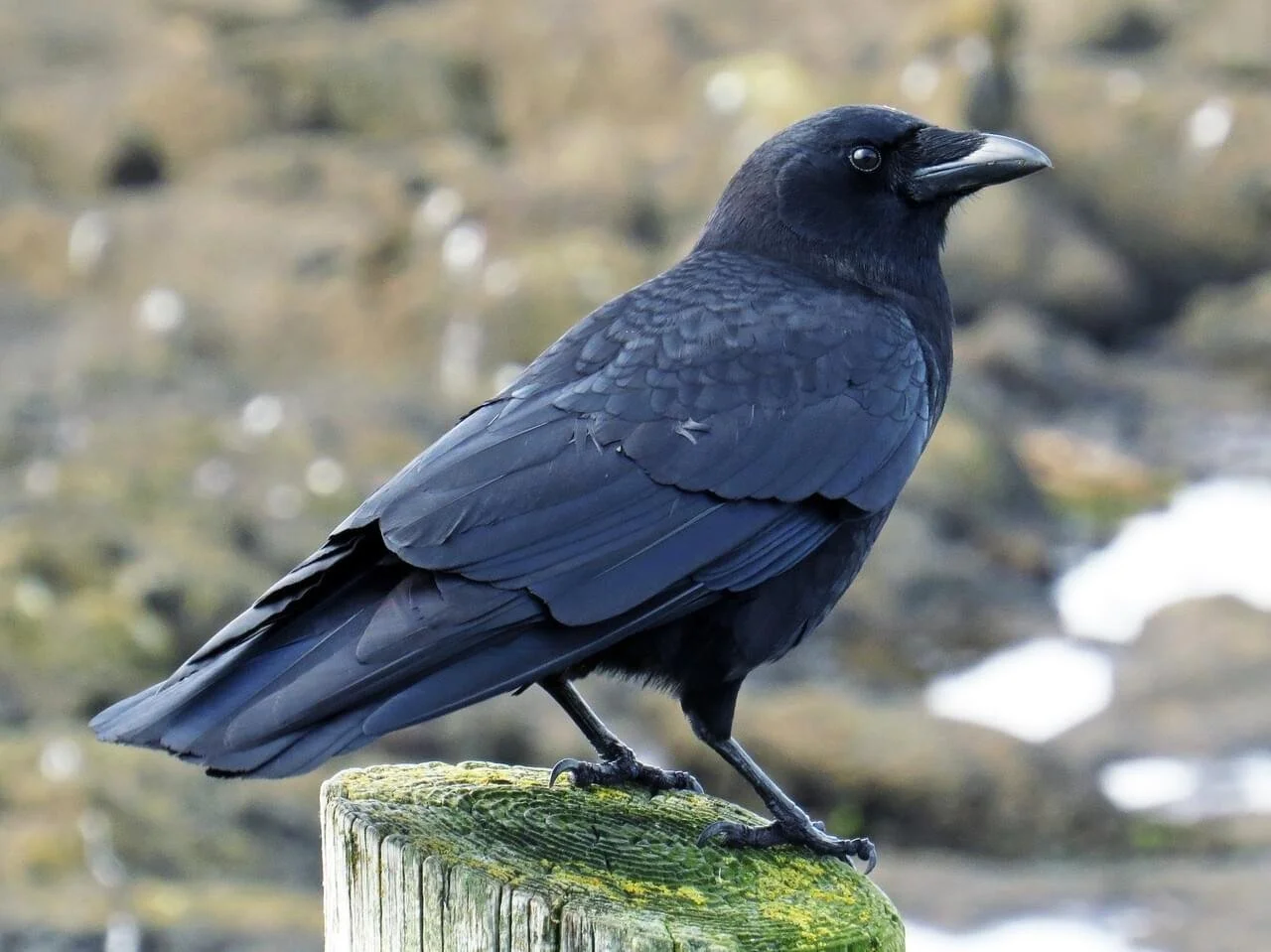
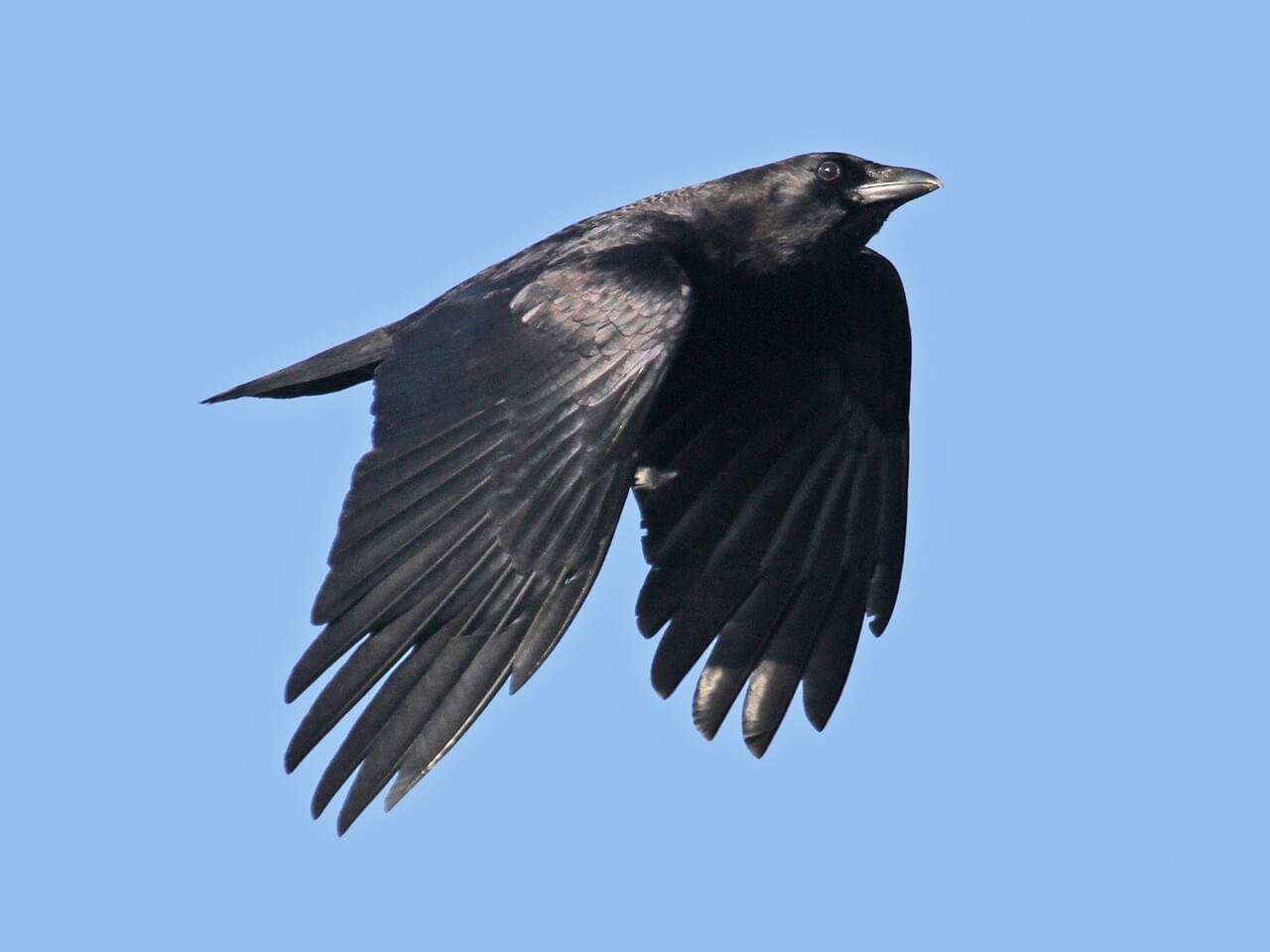
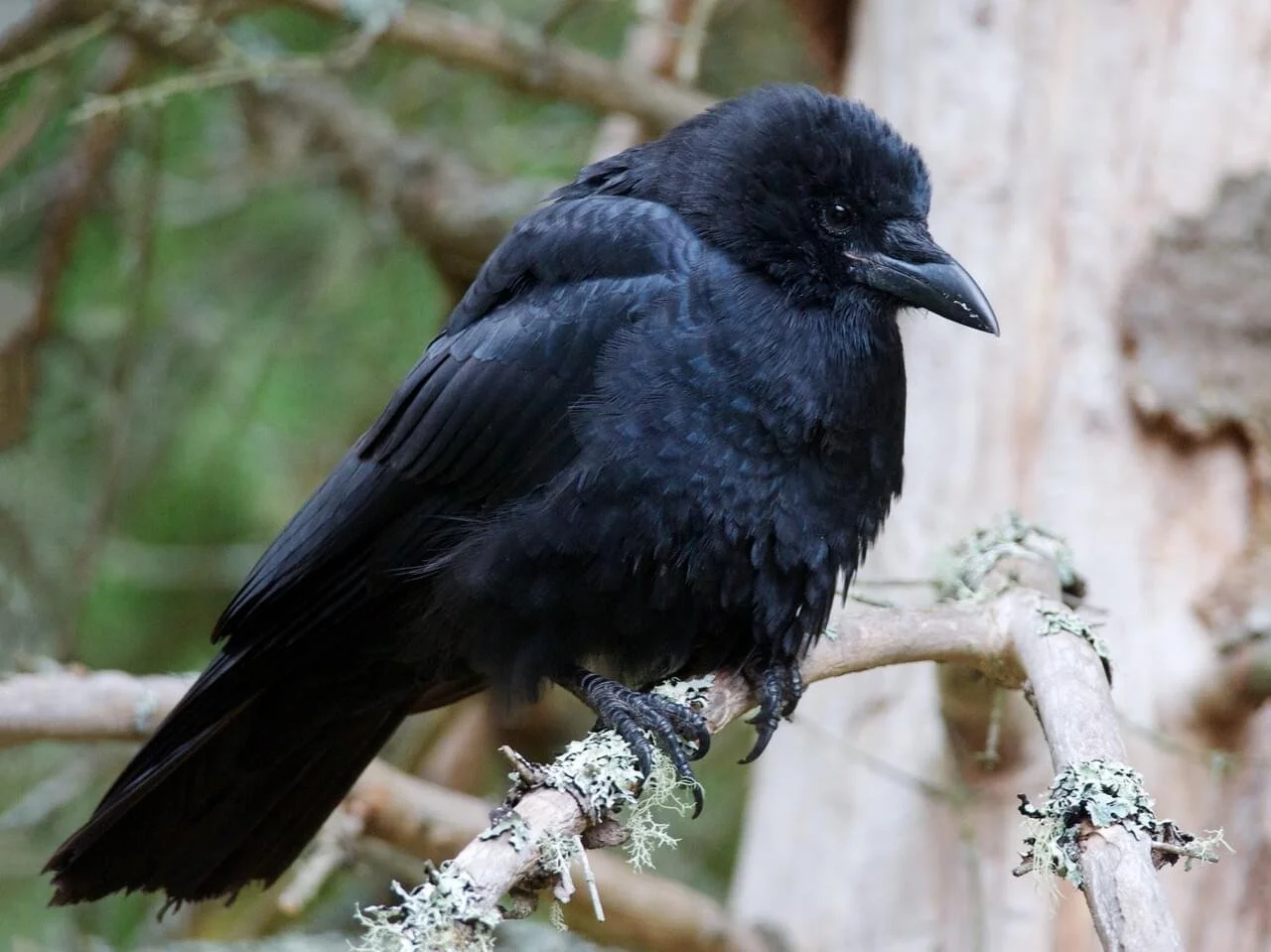
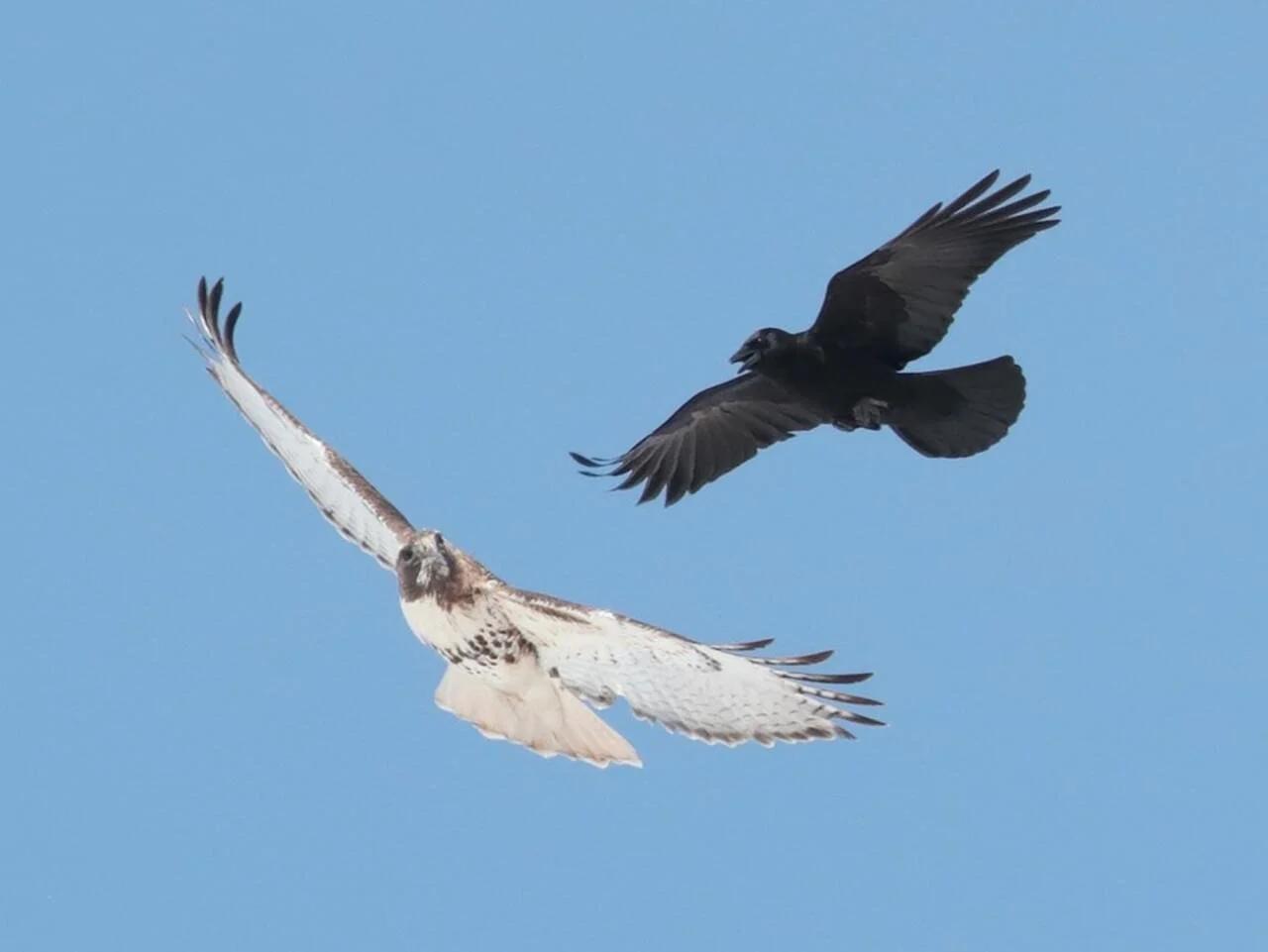
AMERICAN CROW
Bird Code: AMCR
Identify this bird by…
Large all-black bird with shorter tail
Flies with steady rowing wing beats
Tell it apart by…
Has a fairly short squared tail, rather than the wedge-shaped tail of the Common Raven
Has a smaller bill than the Common Raven
Listen for…
Call: a full-voiced caw, which can be differentiated from raven’s deep and rattling “crough”, and also a hollow rattle and other vocalizations
Resources:
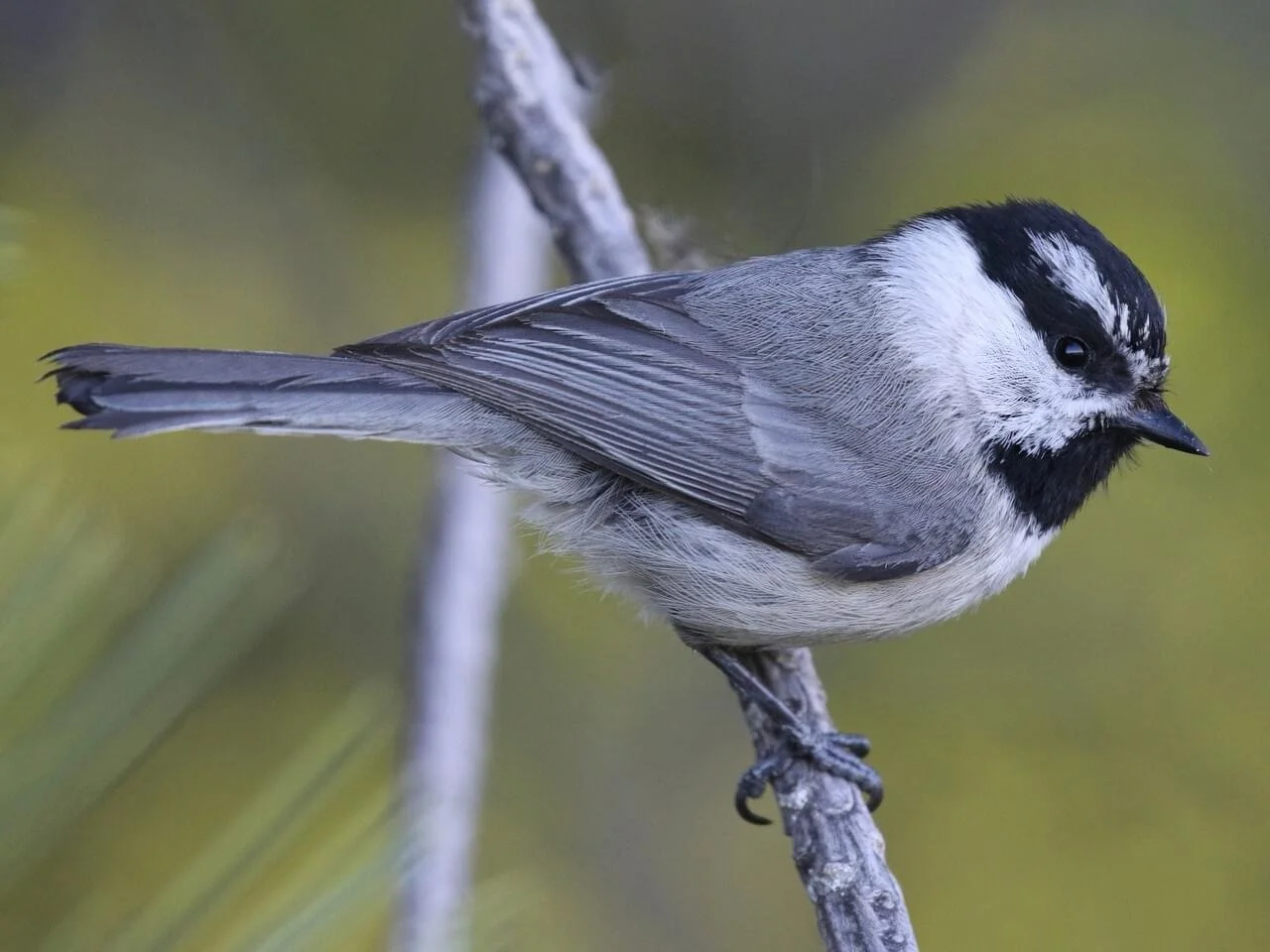
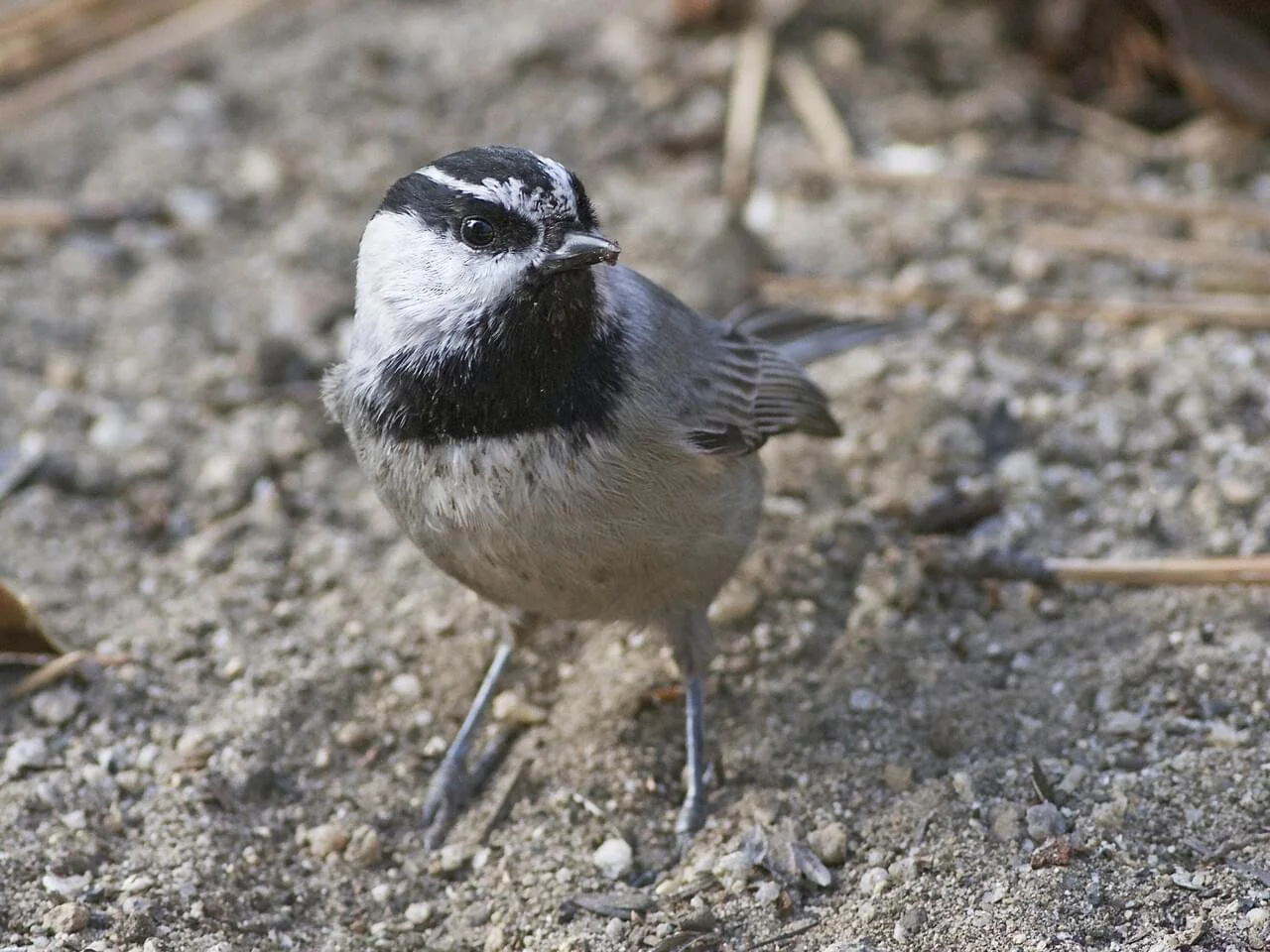
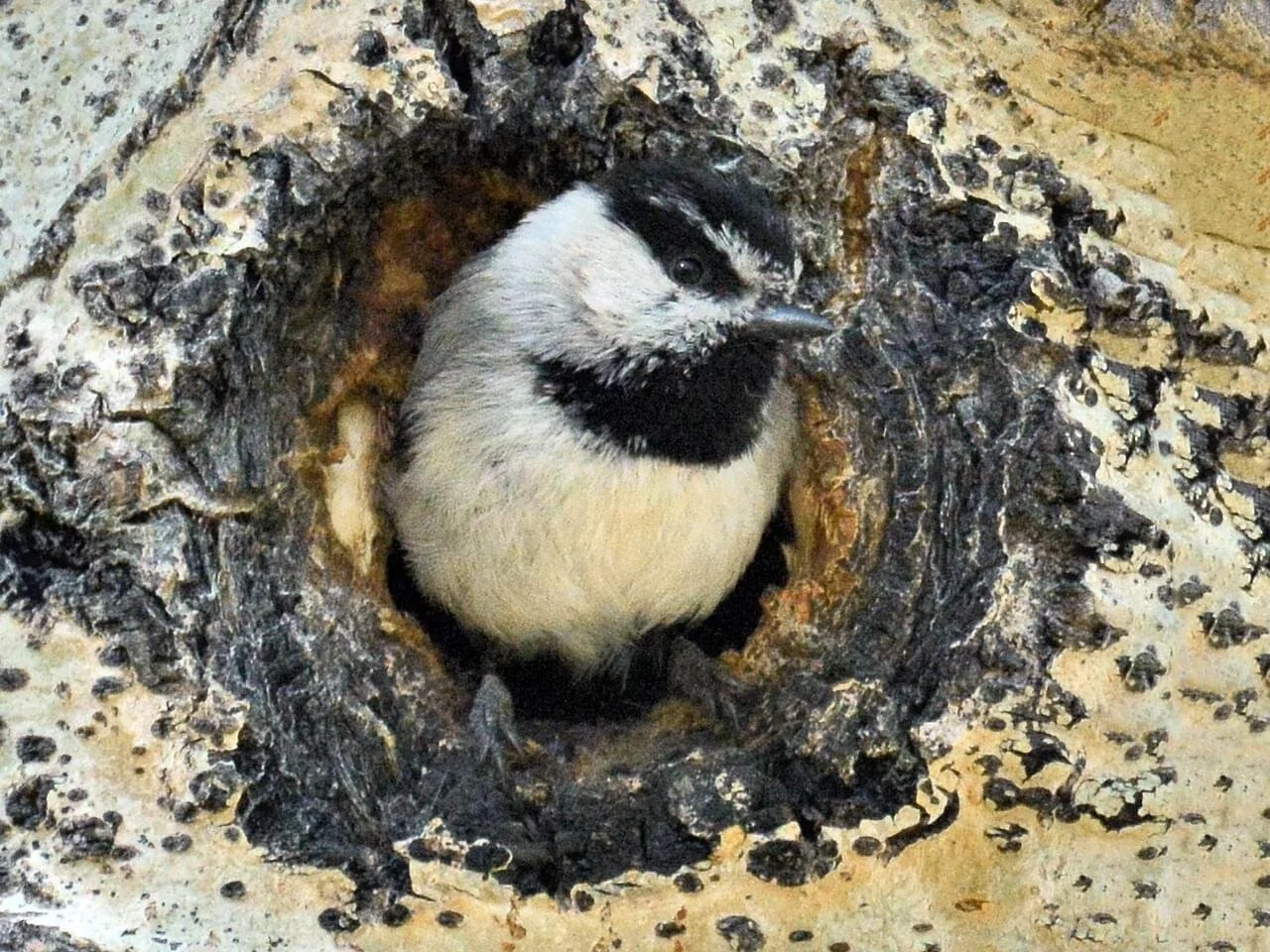
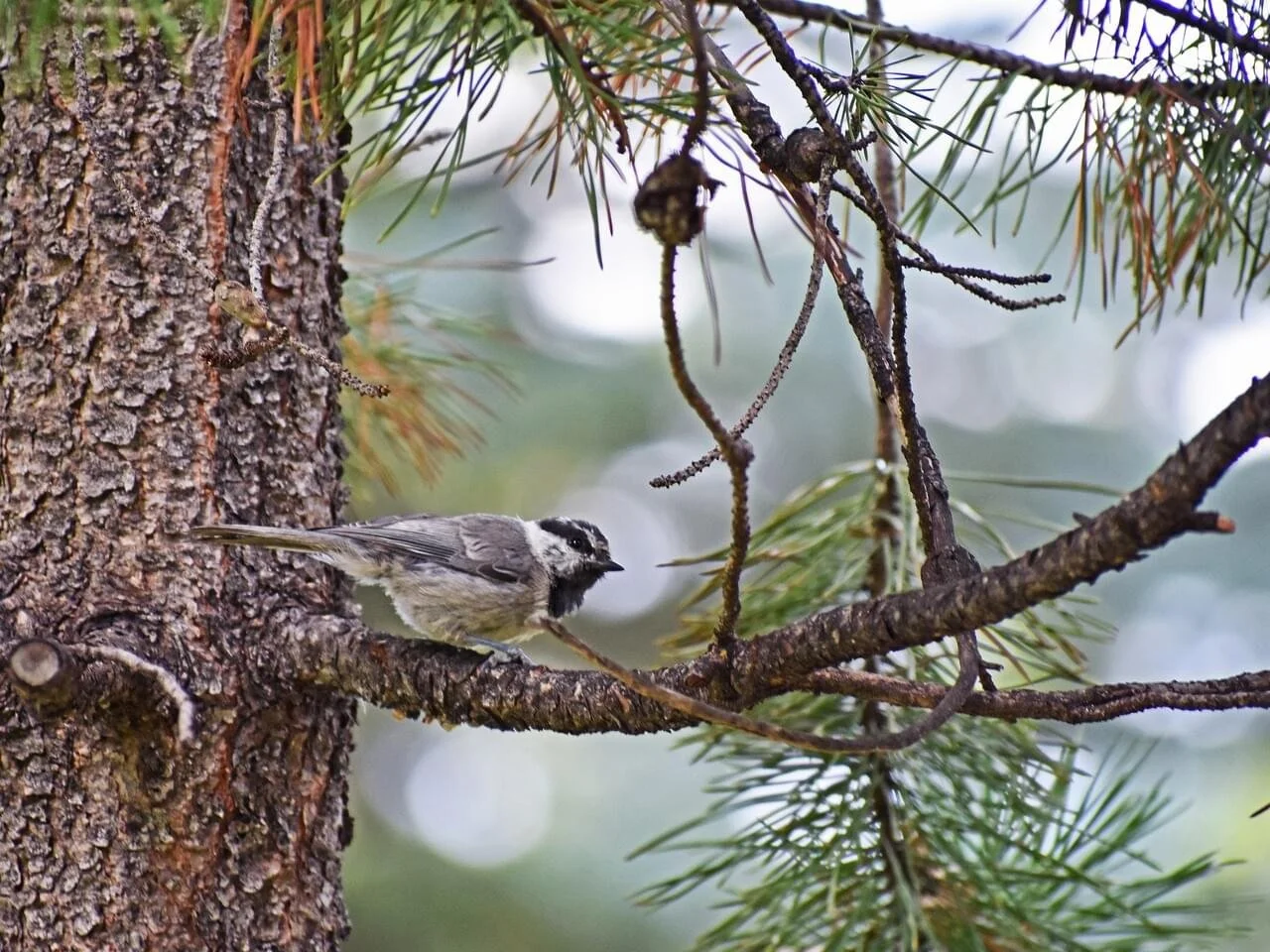
MOuntain chickadee
Bird Code: MOCH
Identify this bird by…
Small round bird with a tiny bill and long tail
Black cap, white “angry eyebrows”, white cheek, black chin, gray back, light gray sides
Males and females look the same
Look For…
Behavior - very active and acrobatic (they even hang upside down!)
Tell it apart by…
“Angry eyebrows”
Raspier song and call; sounds like a BCCH with a cold; calls usually more front-heavy (fewer “dee”’s)
Listen for…
Call: Similar to that of the Black-capped Chickadee, but more gargled. They also make a half-swallowed call when facing off with other males.
Song: Two note call similar to the “hot dog” song of Black-capped Chickadee. Some also call this a “fee-bee” call. They may sometimes only do the “fee.”
Resources:


Horned Lark
Bird Code: HOLA
Identify this bird by…
Squat bird with short legs and a low-profile body.
Adults are mostly sandy-brown with a white belly, sometimes with blurry streaks on the sides, a bold head pattern, especially a black mask and chest band. Throat color varies from yellow to white.
Namesake horns on the head are sometimes visible
Juveniles can be confusing; they are messy-looking, grayish-brown with bold white spots and scallops on the upperparts. Note the bill shape to help separate from sparrows or longspurs.
Listen for…
Song: Jumbled song of chirps that generally ascends
Call: High-pitched calls when flying over.
Resources:
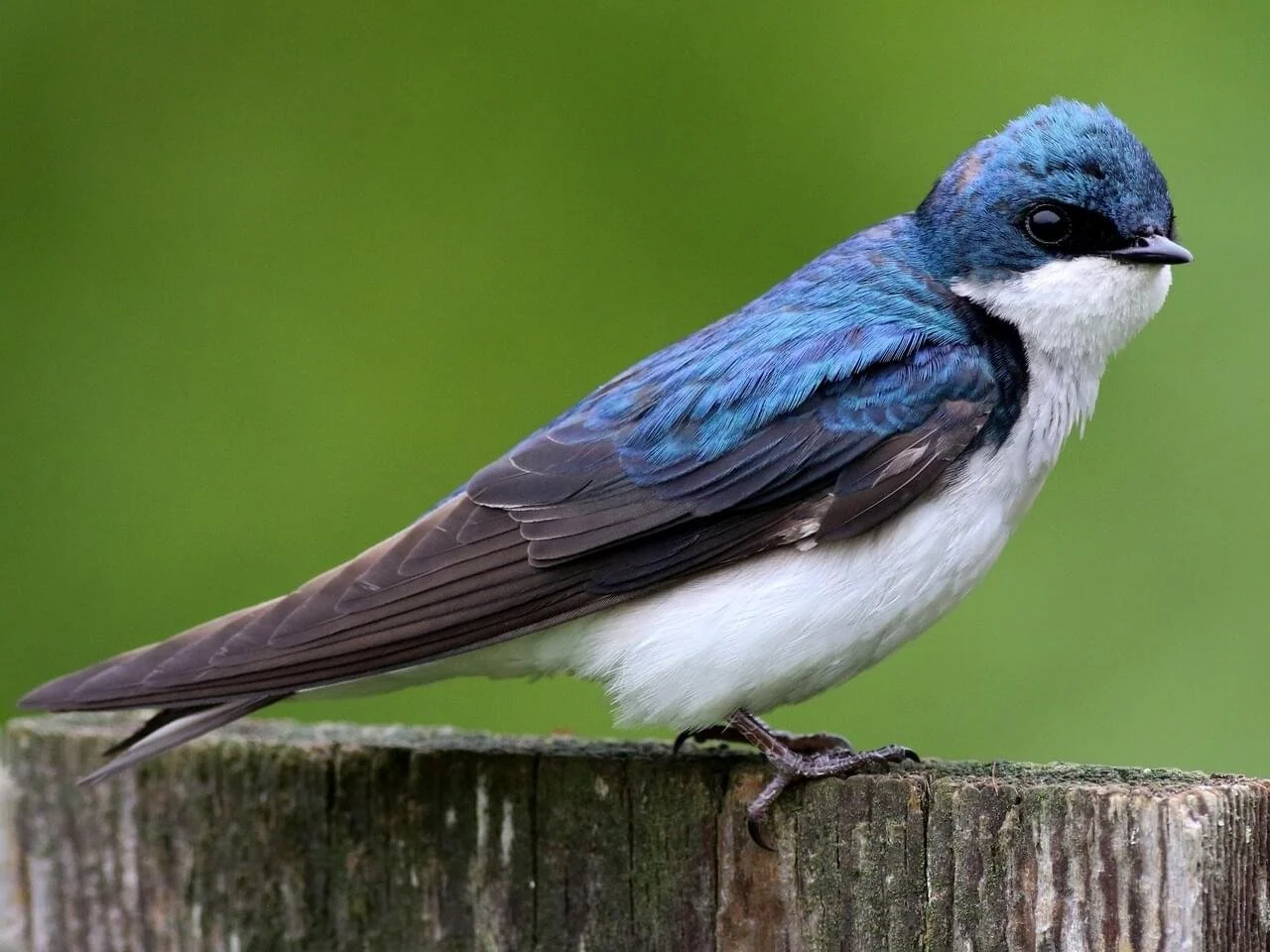
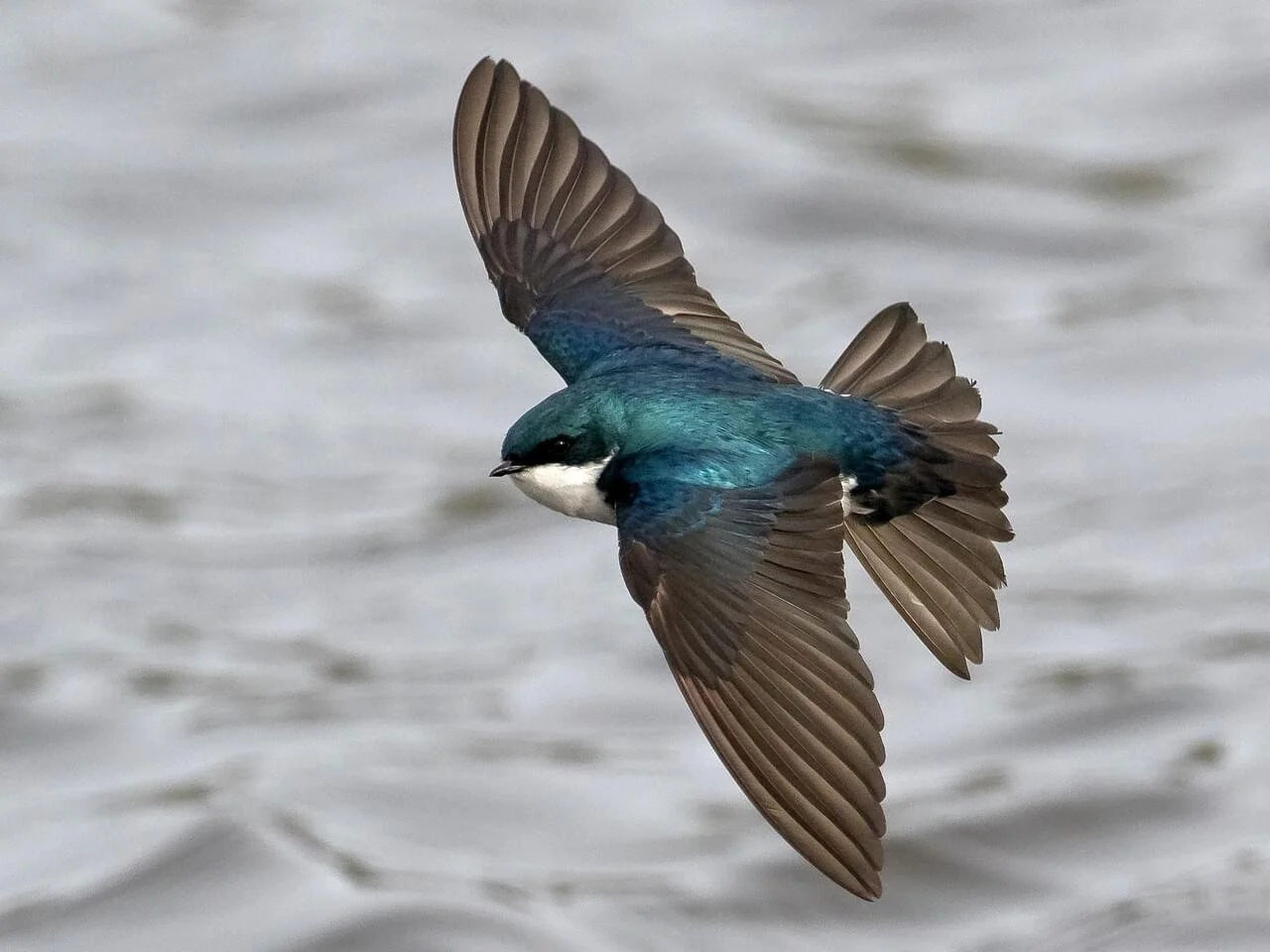
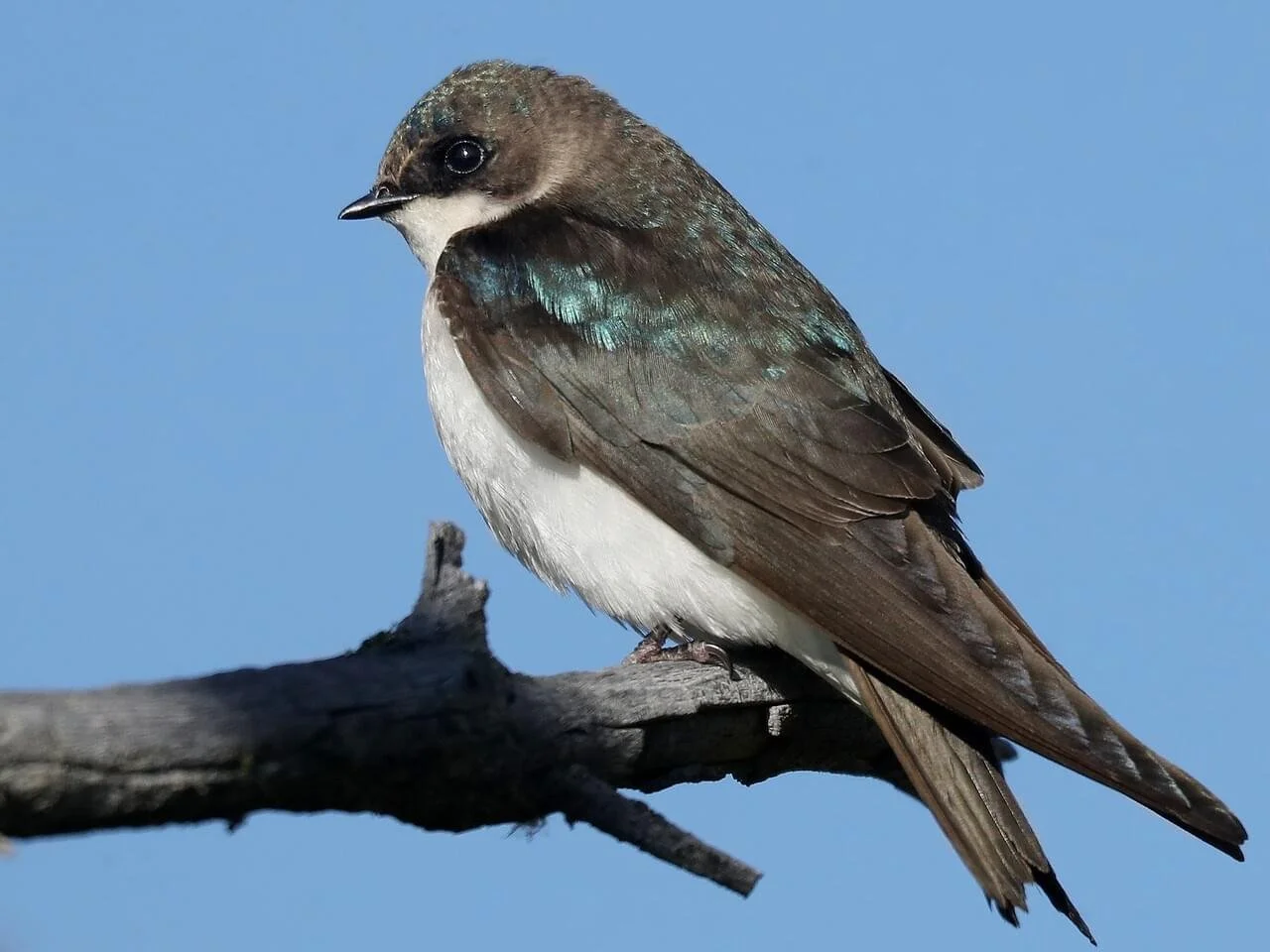
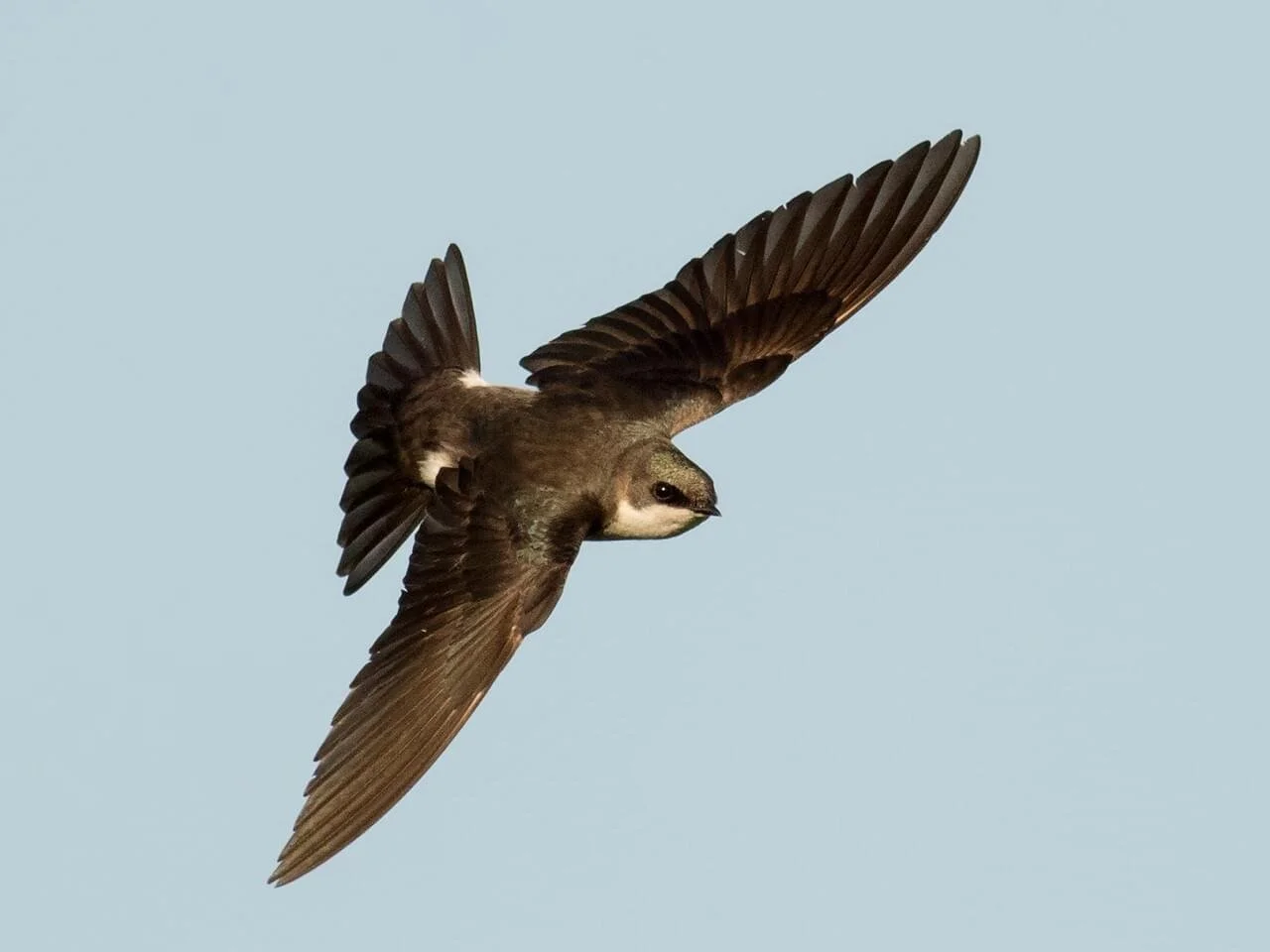
Tree Swallow
Bird Code: TRES
Identify this bird by…
Small, streamlined songbird with long, curved wings, a tiny bill and small head, and a square tail
Iridescent blue-green above, pure white below, and blackish flight feathers.
Juveniles have brown feathers instead of blue
Look for …
Blue depends on lighting, can look tuxedo
Pure white throat and belly that does not extend up past eye or flanks
Listen for…
Song: high-pitched, liquid songs that combine high chirps, whines, and gurgles
Resources:
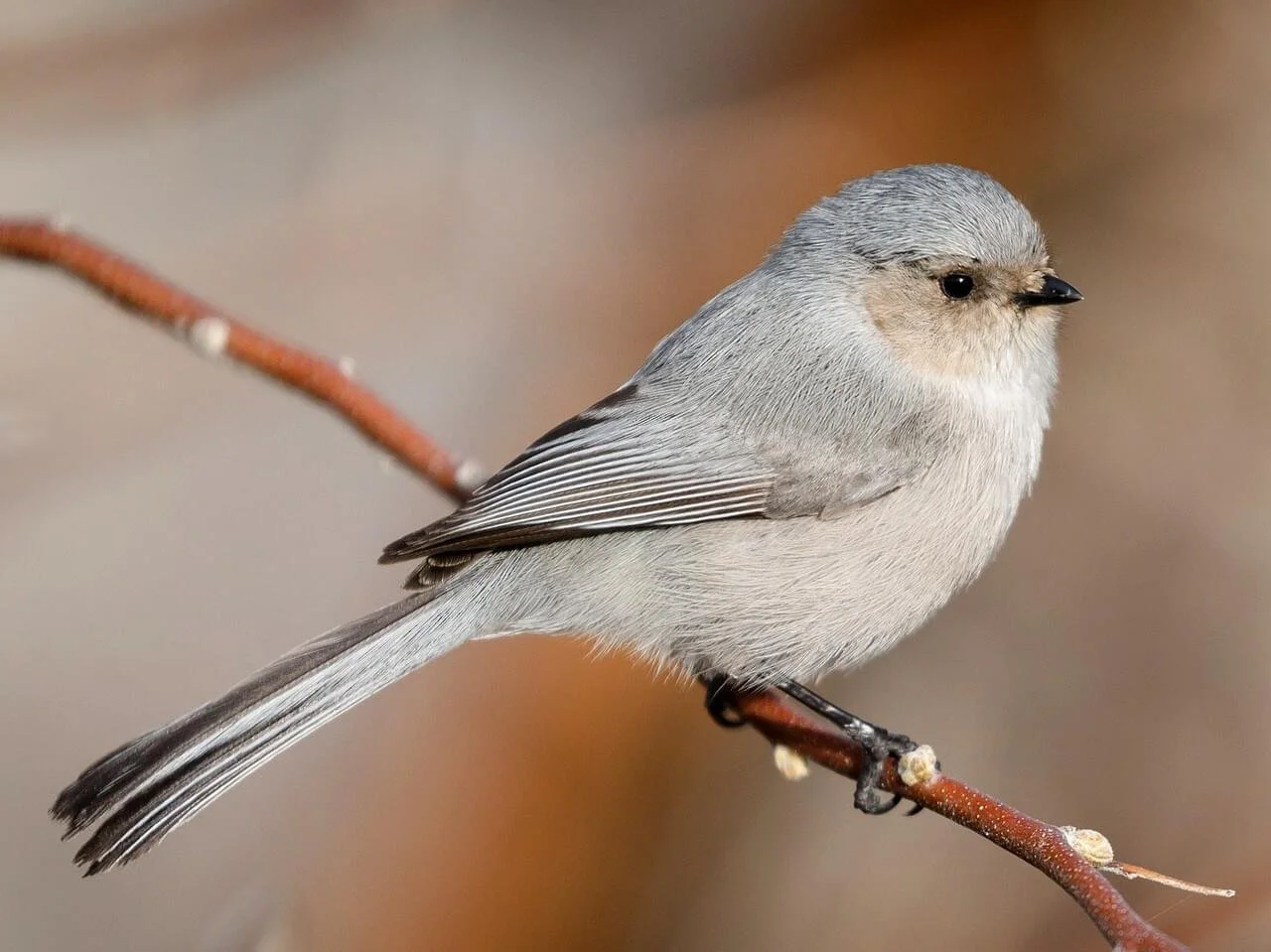
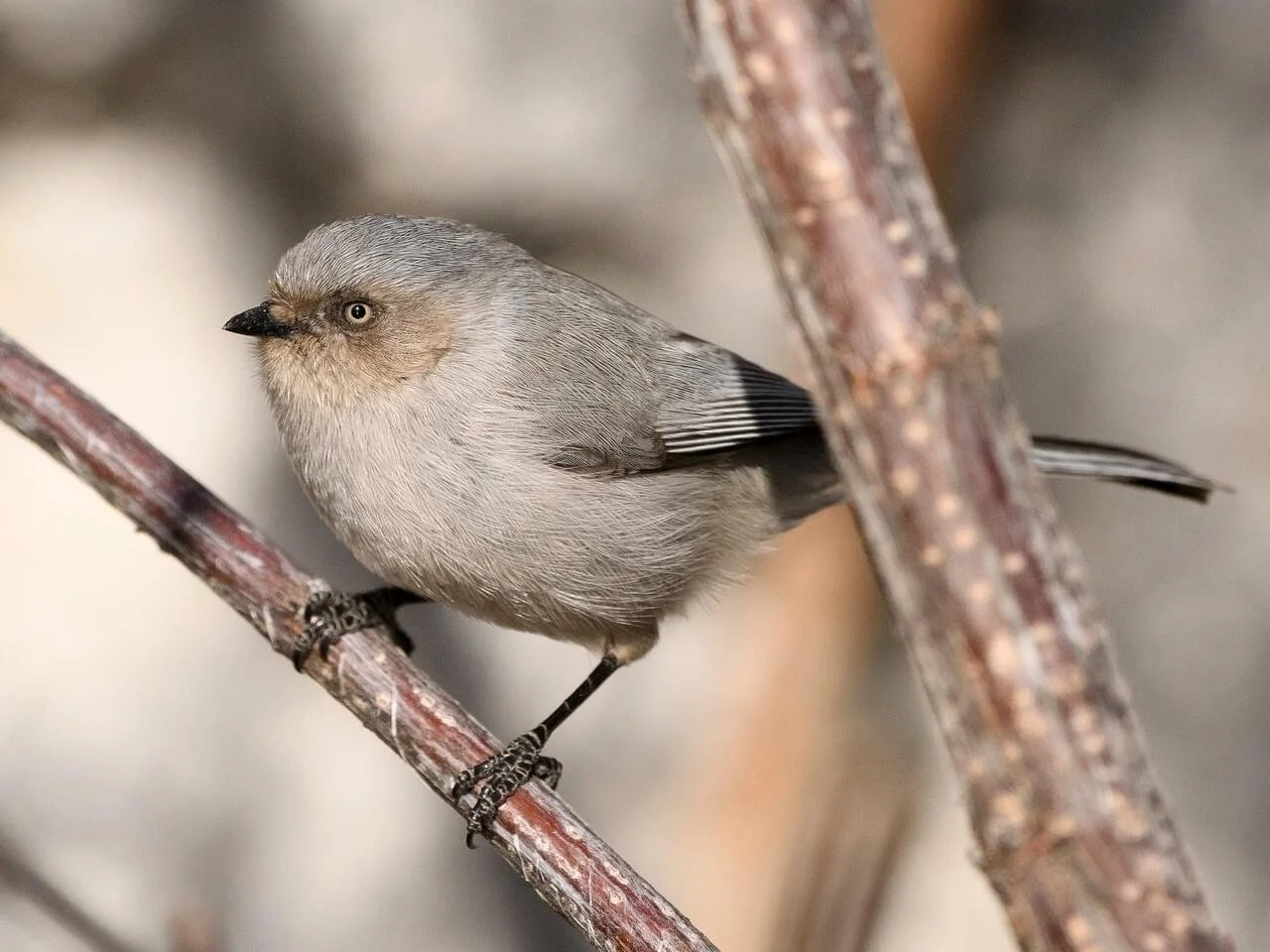
Bushtit
Bird Code: BUSH
Identify this bird by…
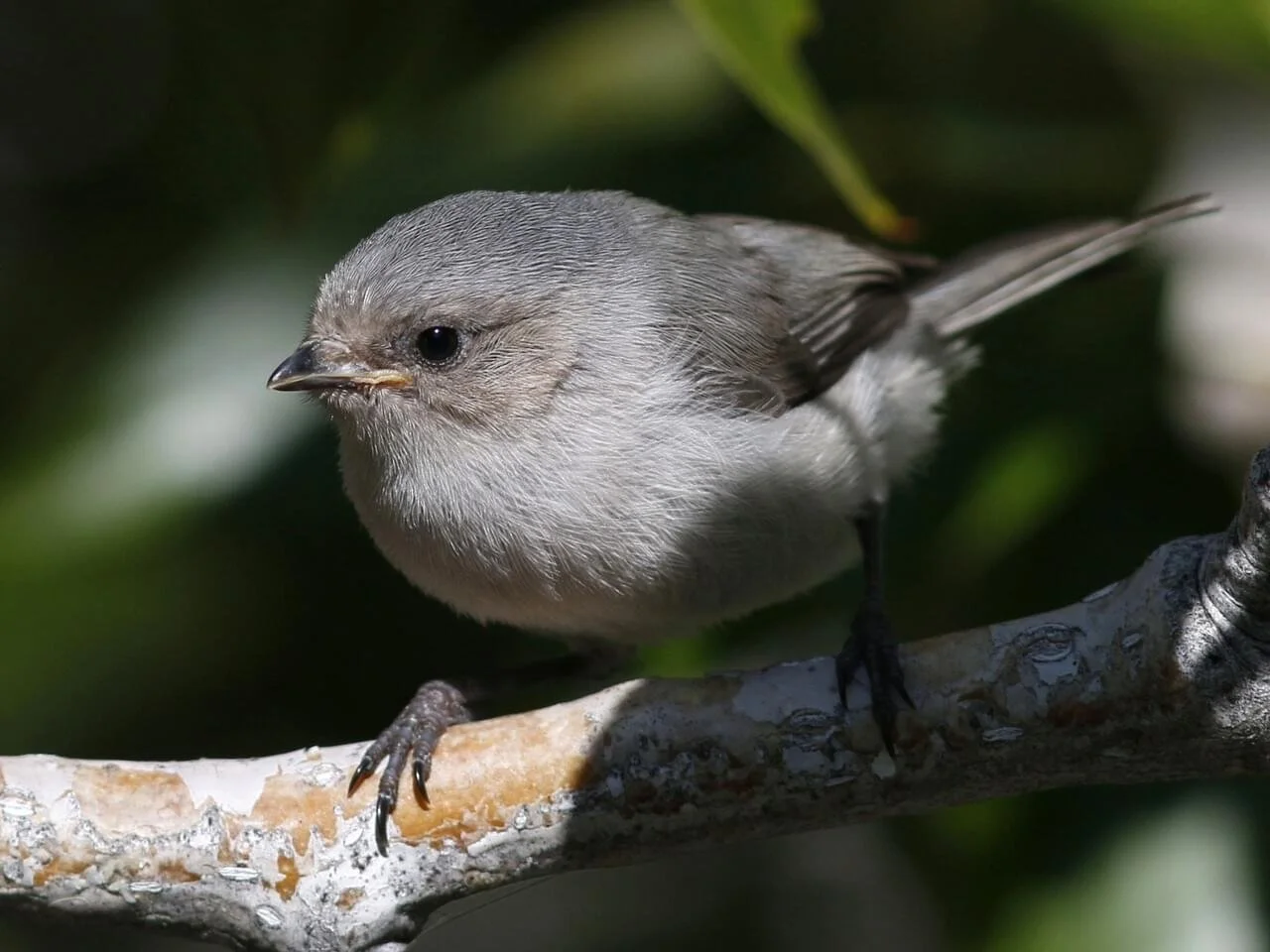
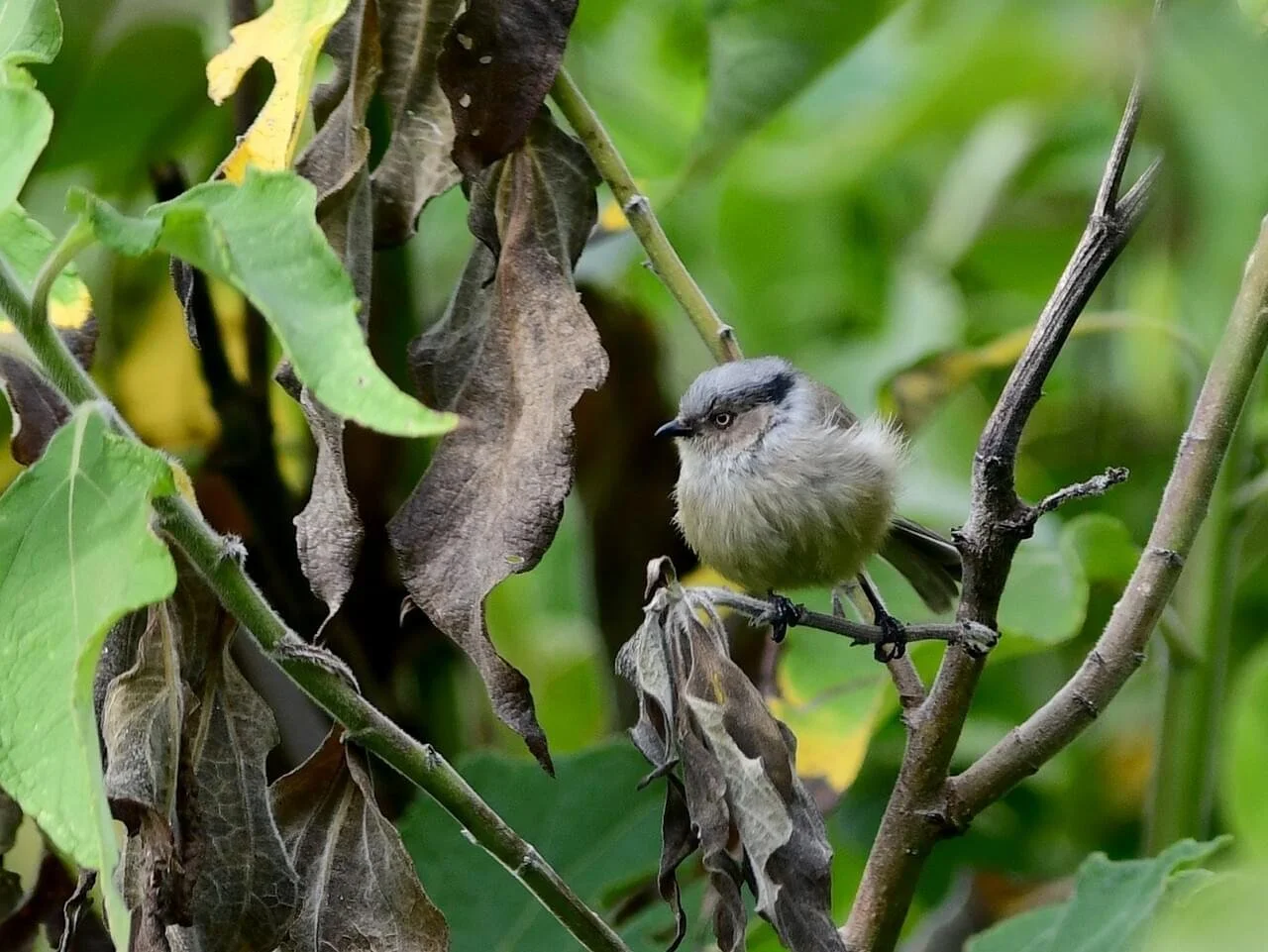
Tiny, plump bird with large, round head, long tail, and tiny beak
Pale gray with darker gray crown and brown cheeks
Males have black eyes, females yellow
Look for …
Large flocks travel together
Nervously flit from tree to tree in constant motion
Listen for…
Calls: A harsh and scratchy call is given in response to intruders.
Resources:
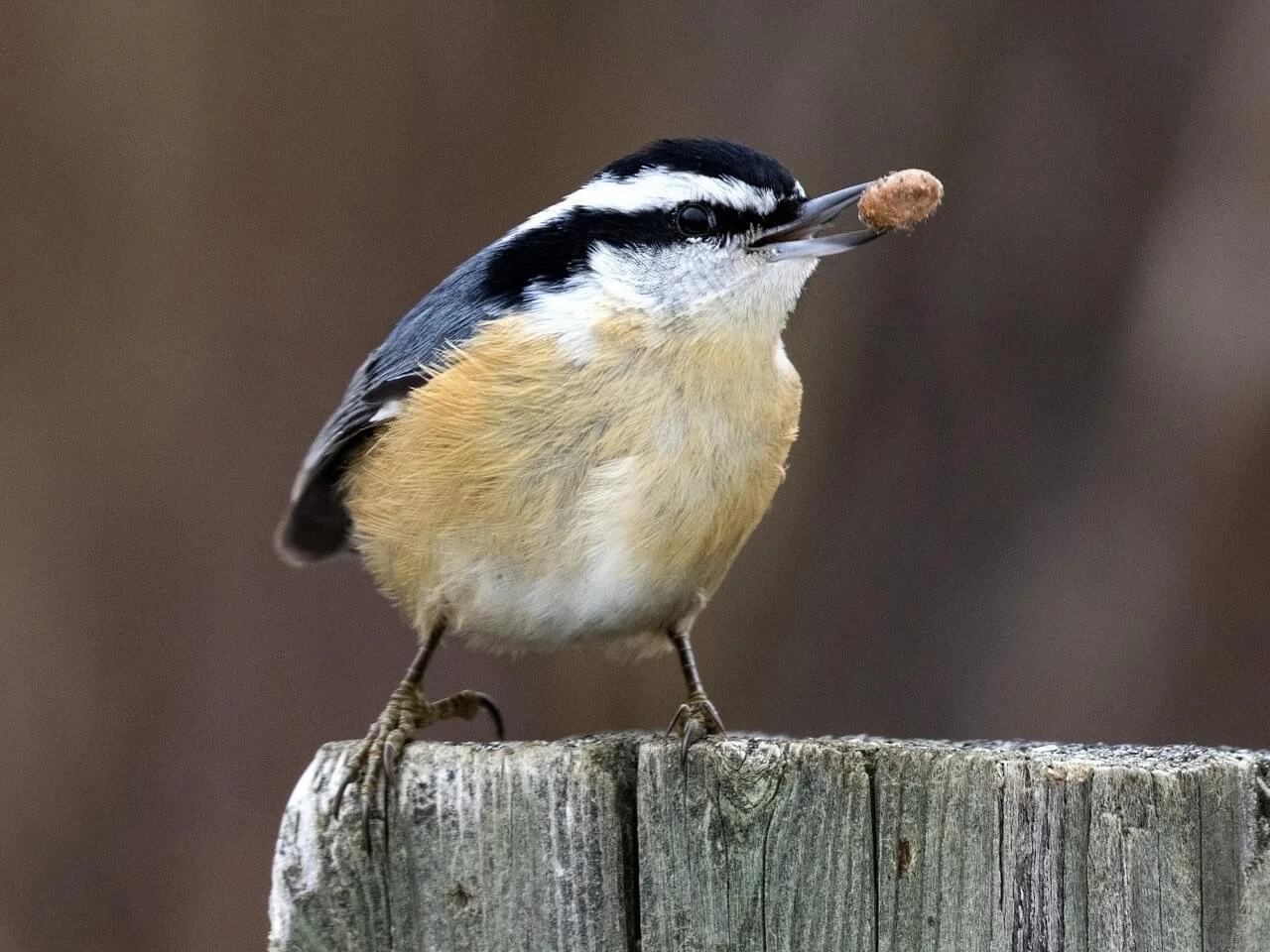
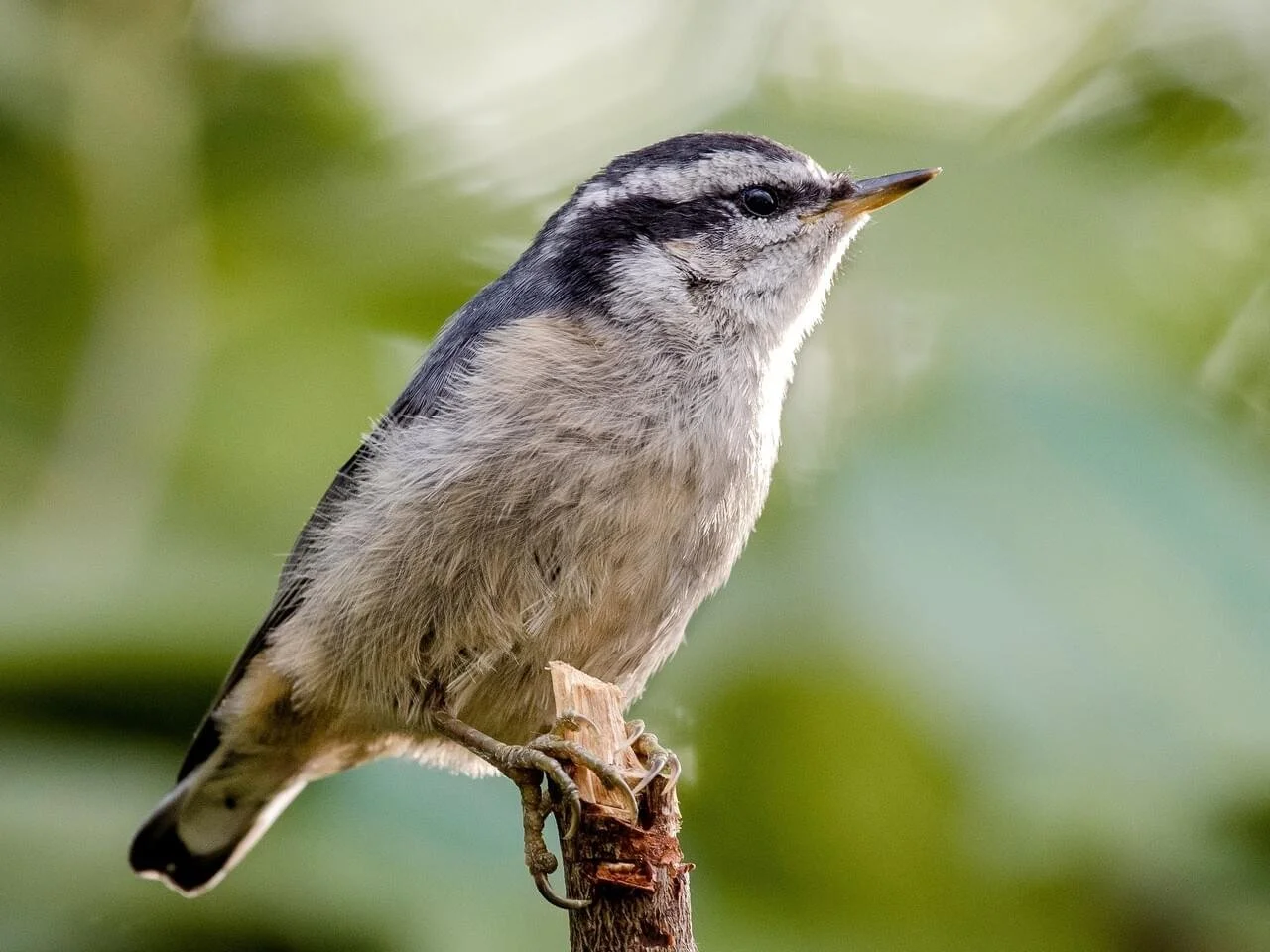
Red-breasted nuthatch
Bird Code: RBNU
Identify this bird by…
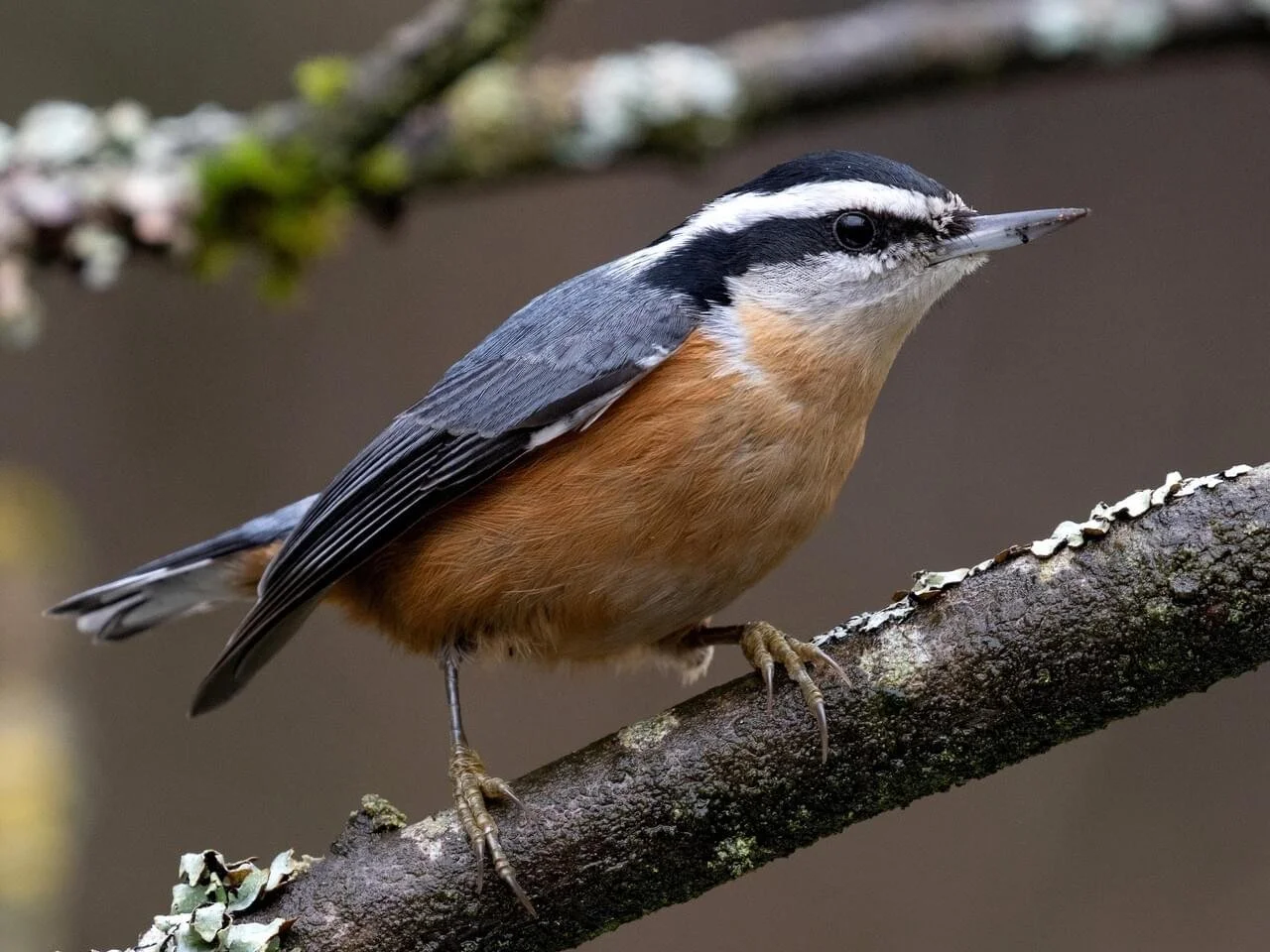
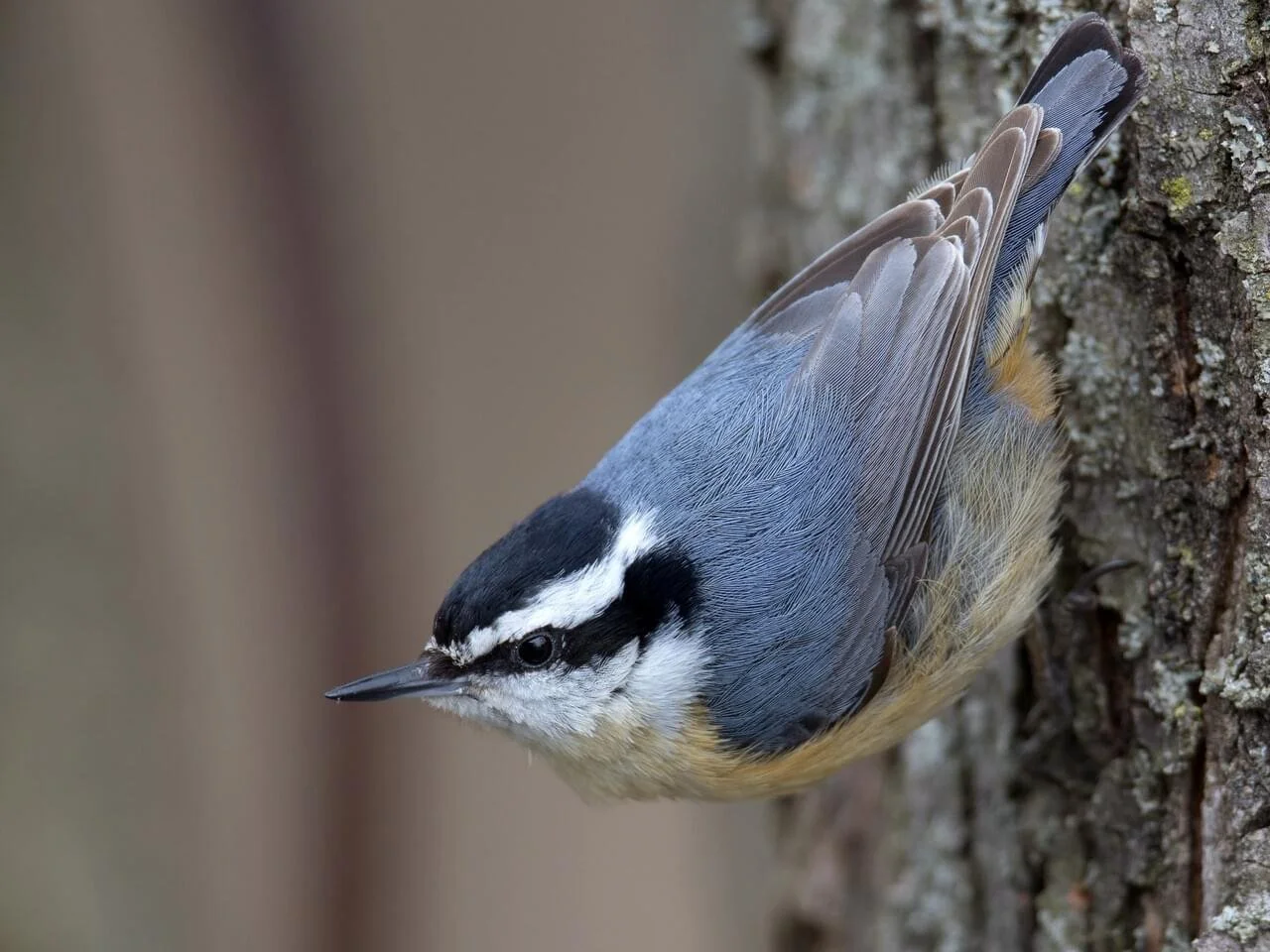
Compact bird with almost no neck and a short tail
Face sharply marked with a black crown, white eyebrow, black eyeline, and white throat
Blue-gray on back and rusty brown on belly
Females generally paler coloring than males
Tell it apart by…
White-breasted Nuthatches are larger and they lack the black eyeline and rusty brown belly
Look for…
Behavior - move quickly in any direction over trunks and branches probing for food. Flight is short and bouncy
Listen for…
Song: High-pitched, nasal call sounds like a toy tin horn
Resources:
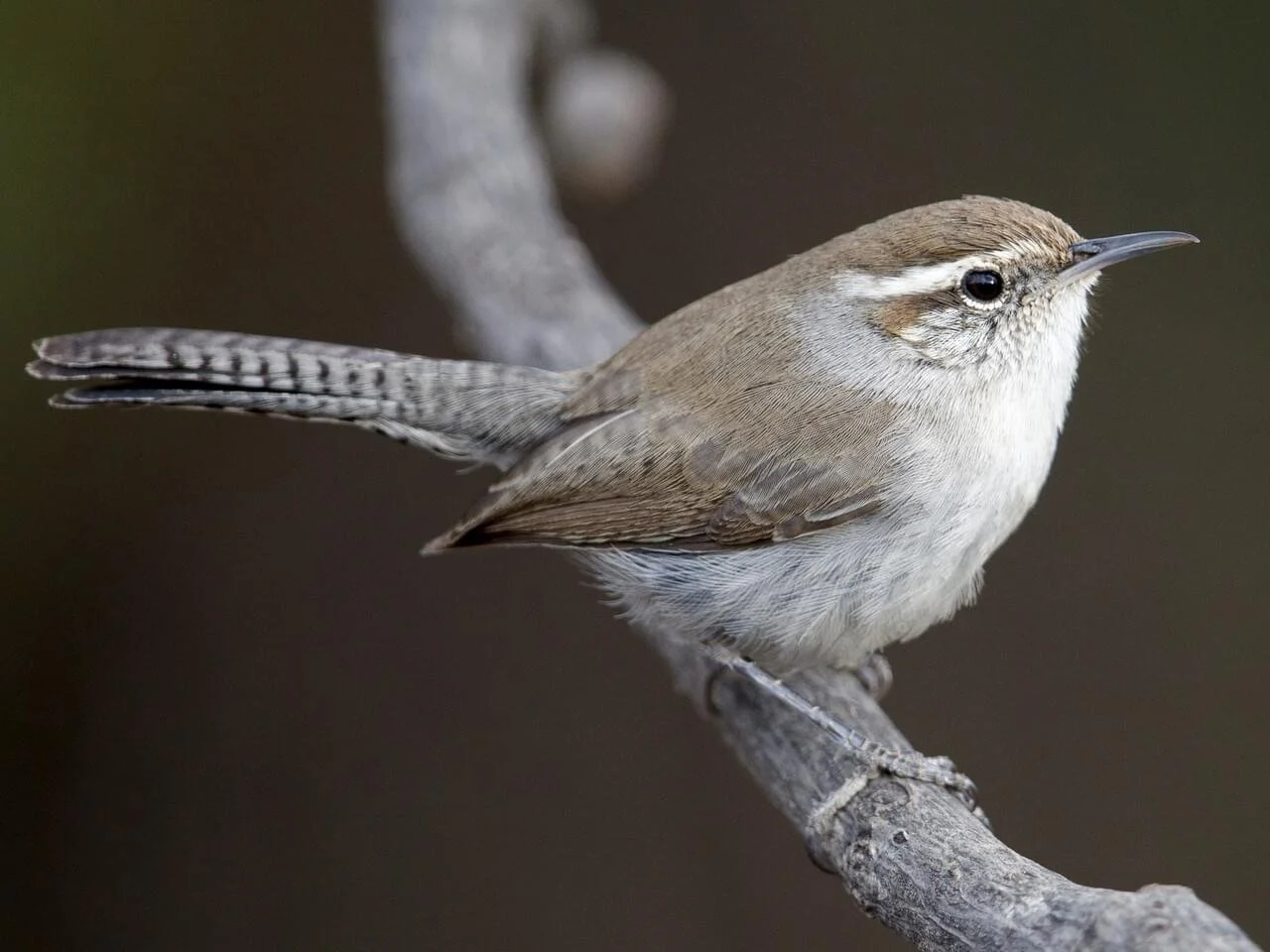
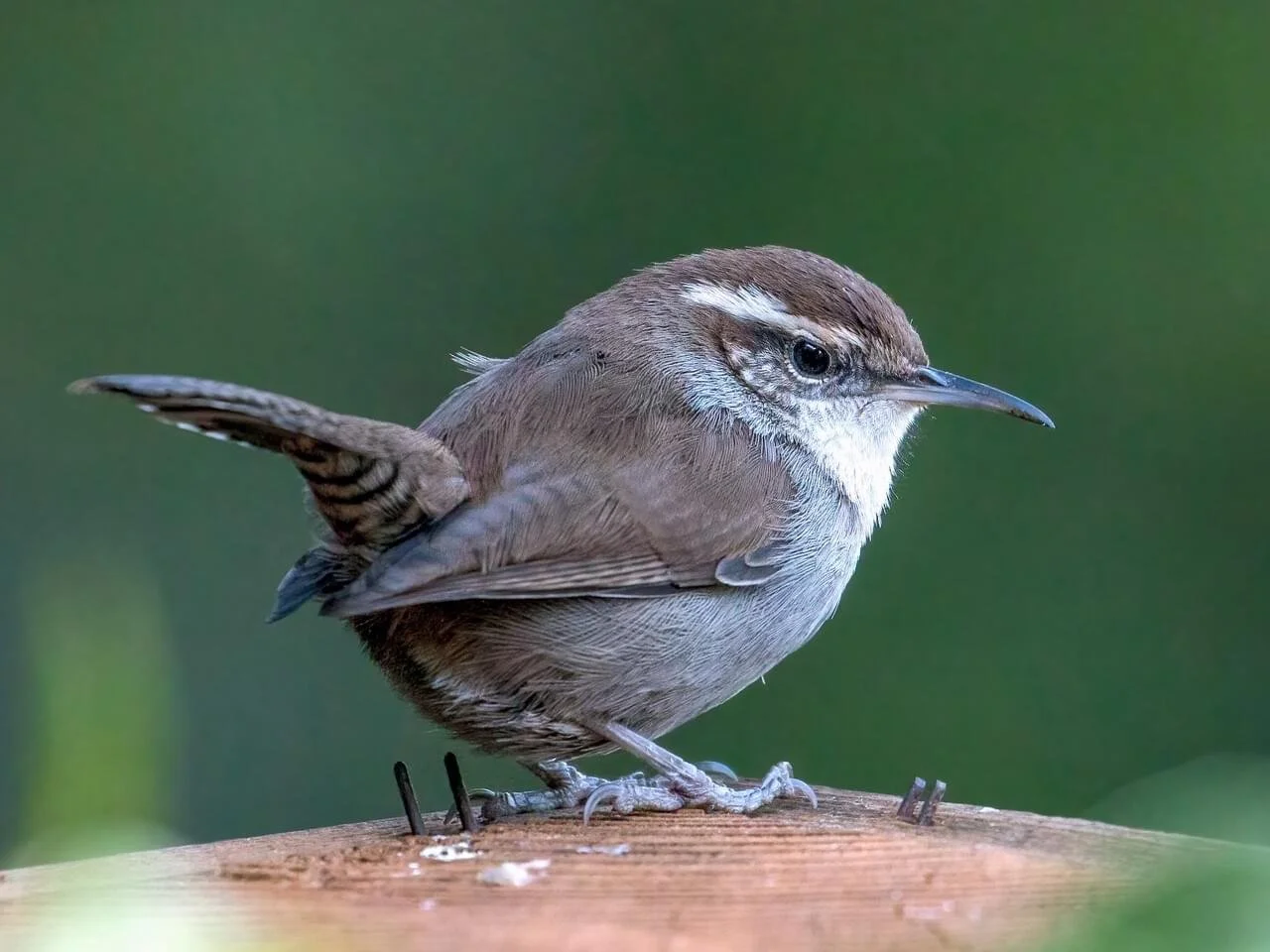
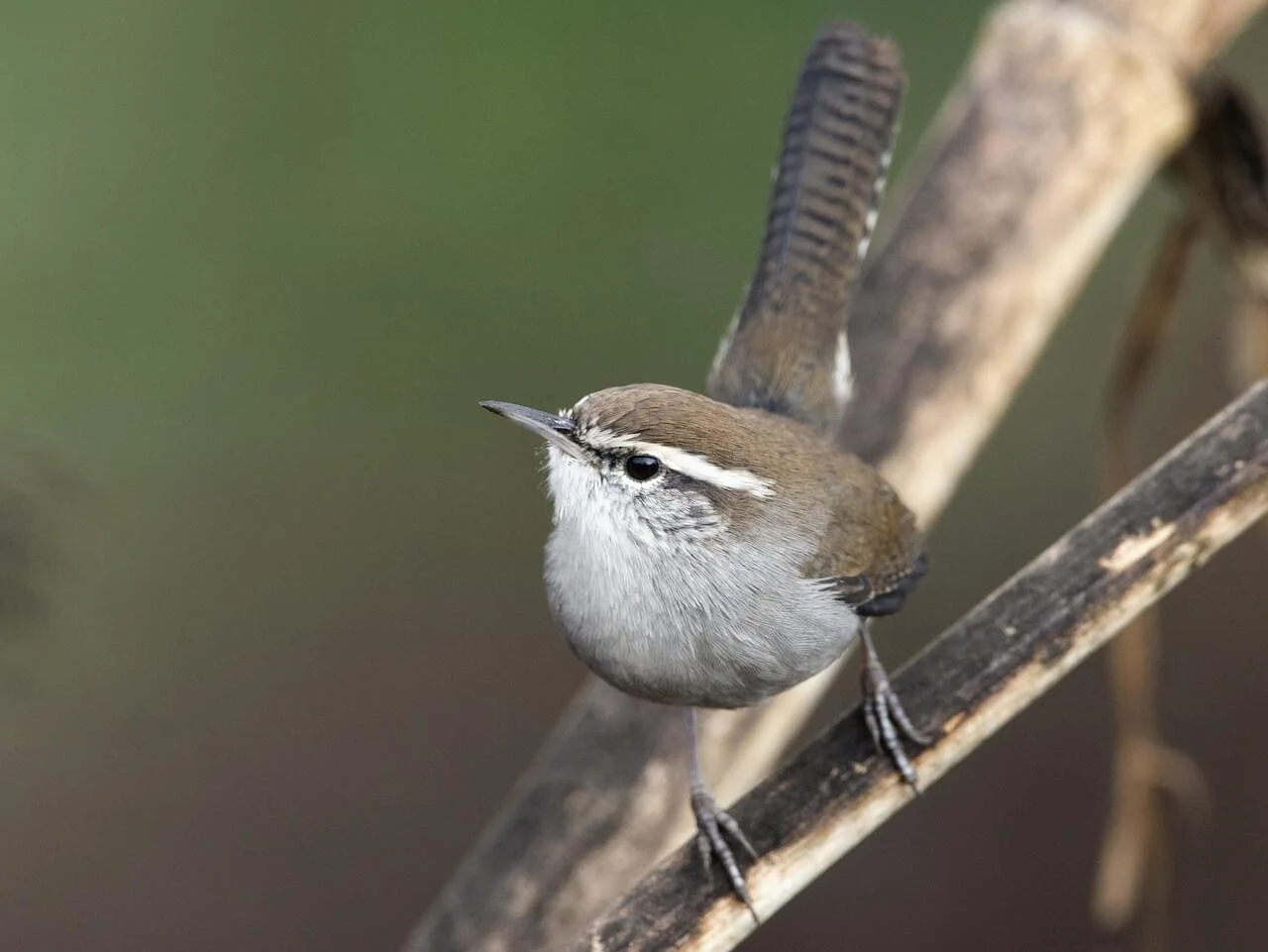
Bewick’s Wren
Bird Code: BEWR
Identify this bird by…
Medium wren with long tail often held cocked up and long, curved bill
Dull brown with white belly, white eyebrow, and striped tail
Look for…
Behavior: Boistrous and curious
Habitat: Occurs in brushy areas and shrubs/thickets in open country, occasionally in woodlands
Listen for…
Song: Very similar to Song Sparrow, with two intro notes, a buzzy trill, and a high final note. Can be buzzier
Calls: Quick, raspy notes given in response to intruders.
Resources:
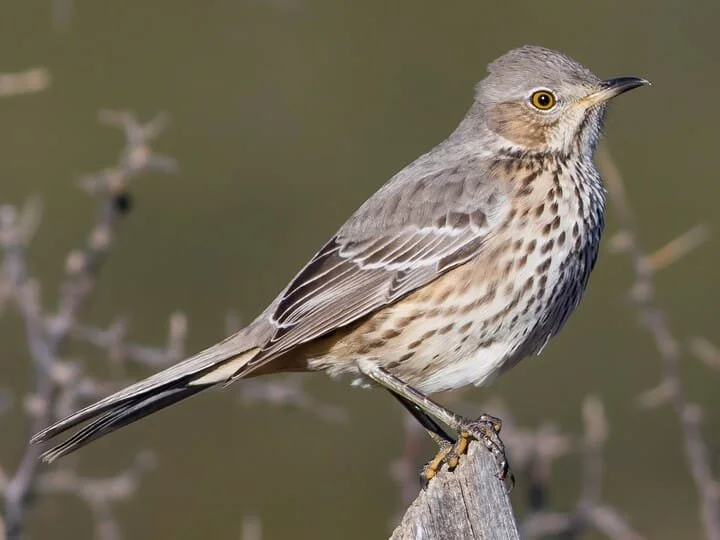
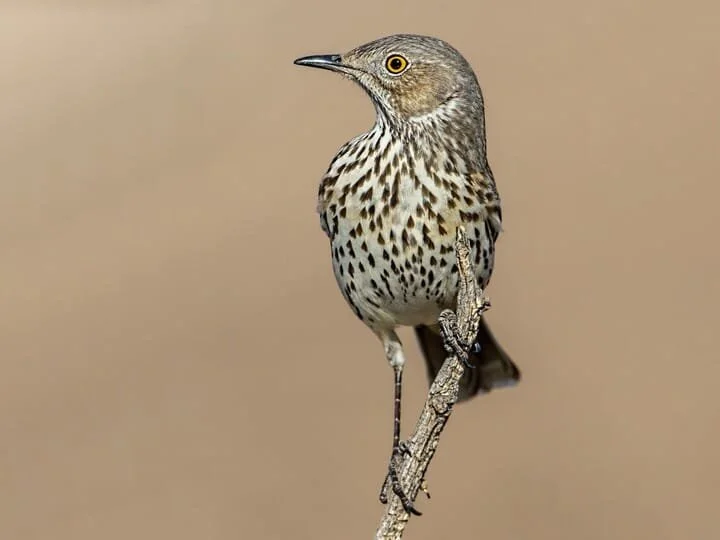
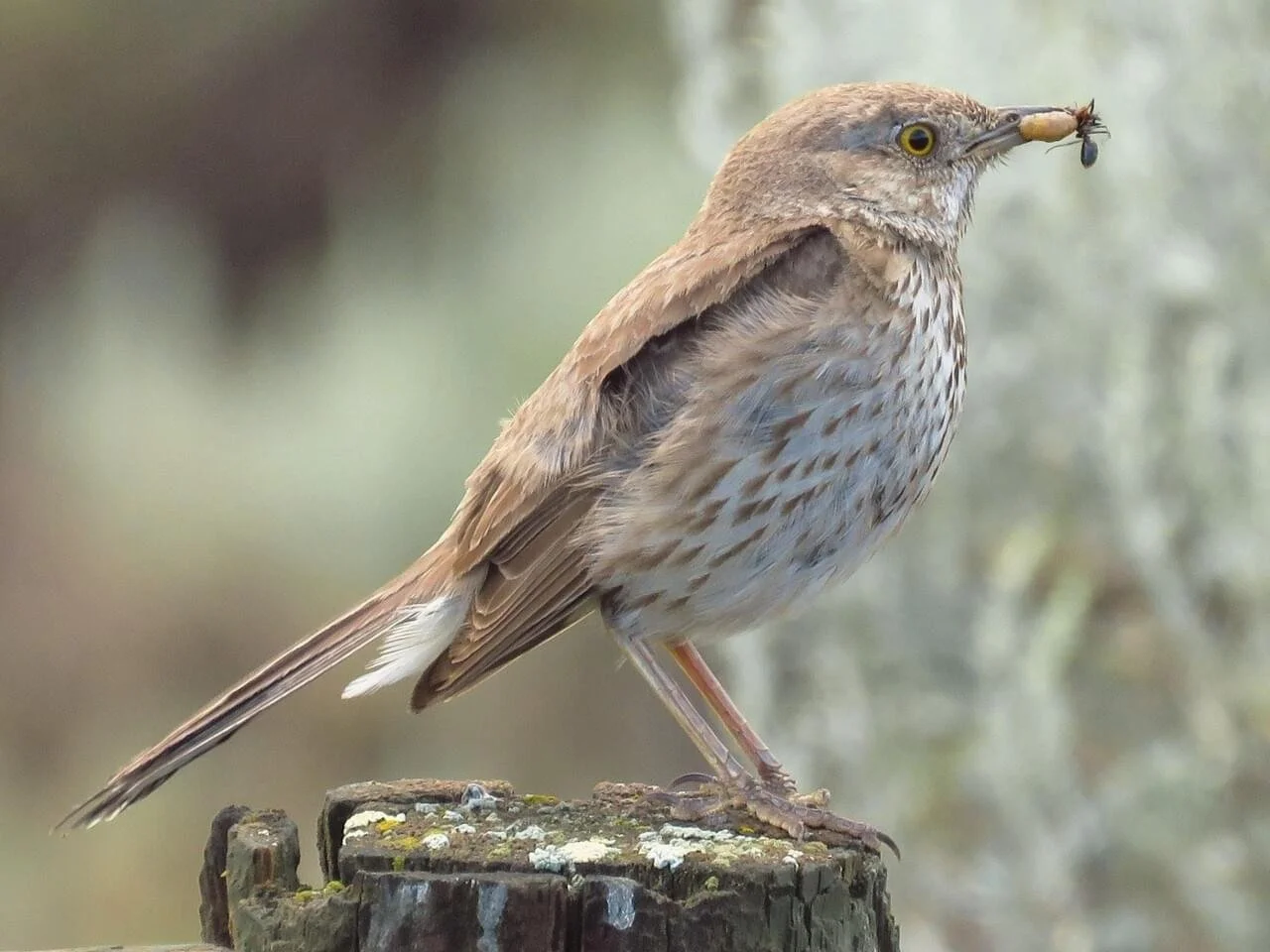
Sage thrasher
Bird Code: SATH
Identify this bird by…
Smallest thrasher; medium-sized thrush-like songbird with long tail and thin, slightly curved bill
Grayish brown with buffy wash on sides, thin white wingbars, and crisp black streaking on underparts. White eyering and white wingbars
In flight, you can see white corners on the tail
Look for…
Behavior: often runs along ground, standing erect with wings slightly drooped
Habitat: found in areas with dense sagebrush, bare ground, and limited bunchgrass
Listen for…
Songs: Long, complex, melodic, varied songs. Primarily an endless, rambling series of phrases, often introduced by soft clucking notes, sometimes interspersed with mimicry and repetition, but less frequently than NOMO
Call: Variety of calls, including low, hoarse cluck (similar to RWBL), and a descending, clear, two-noted whistle
Resources:
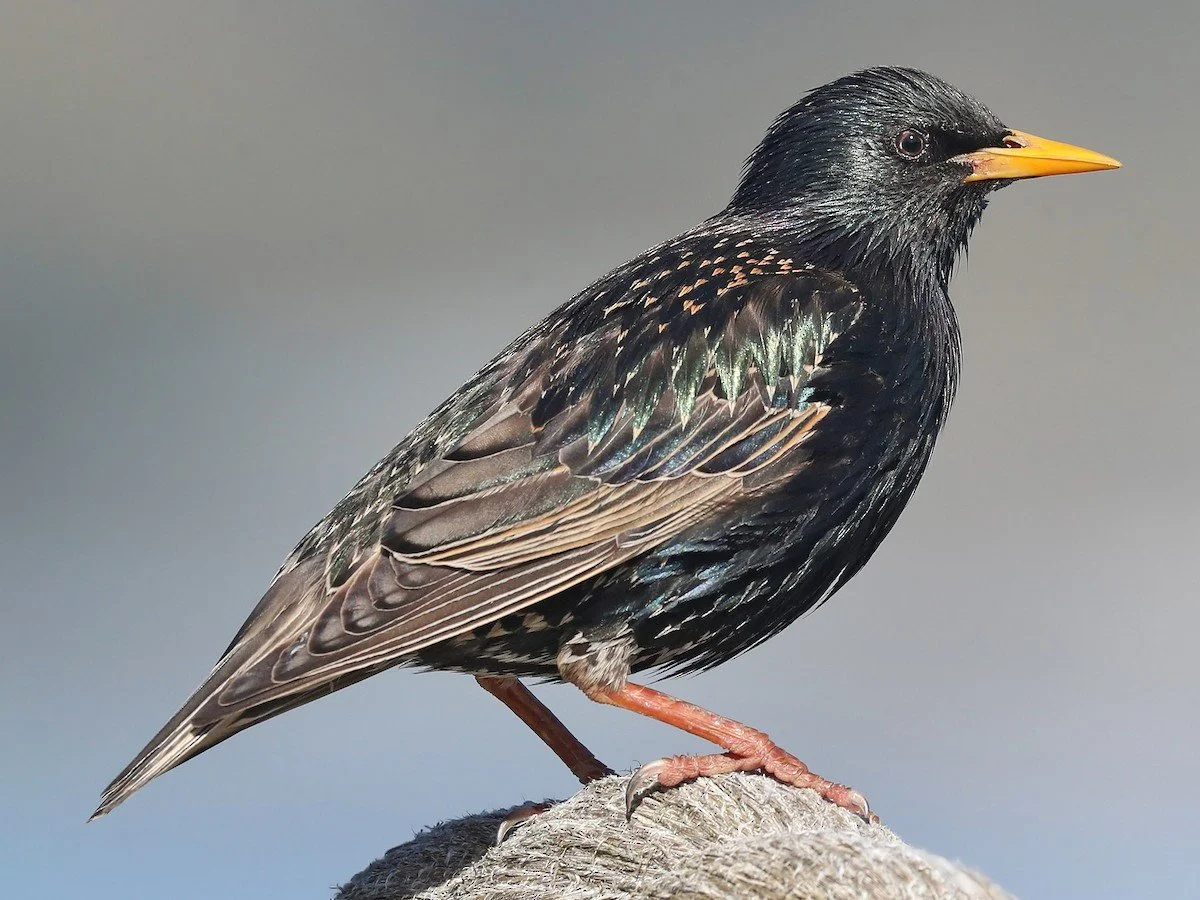

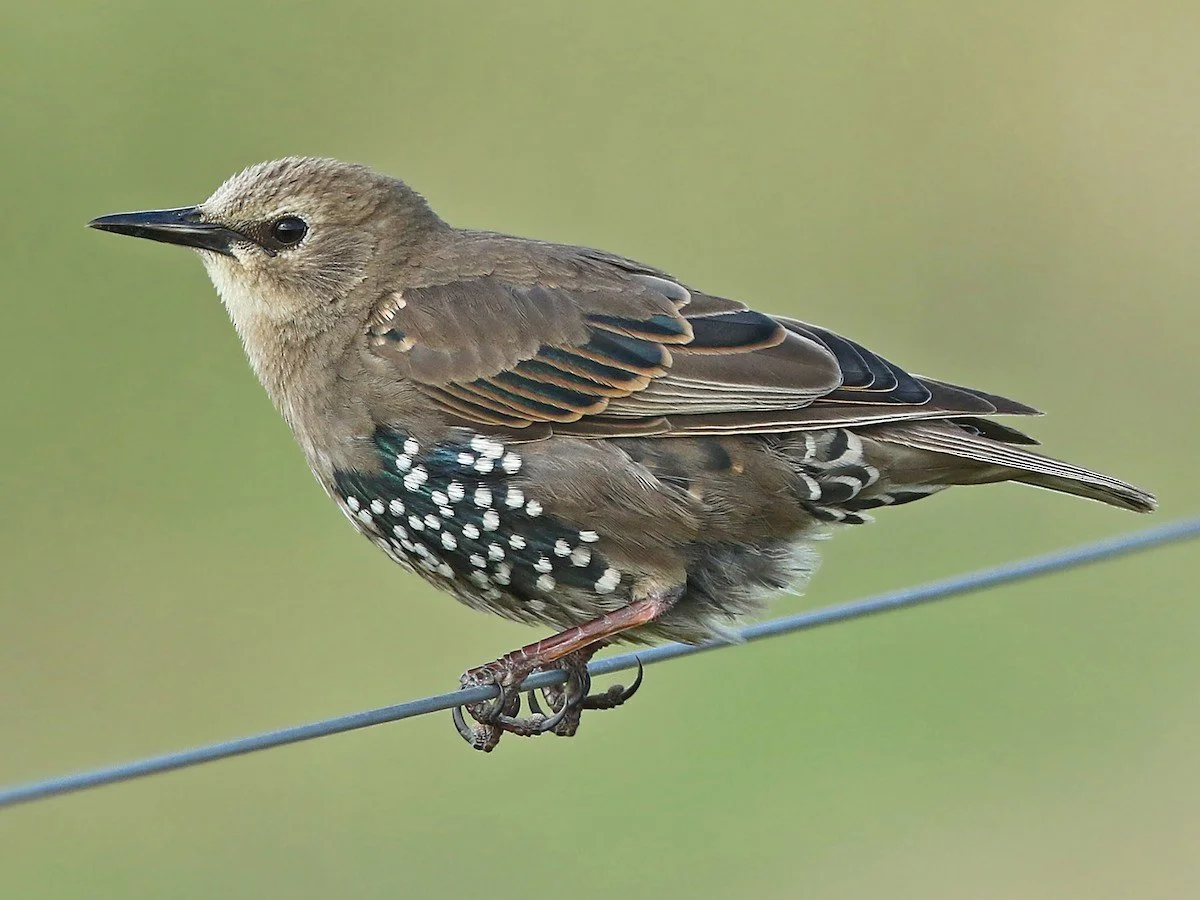
European Starling
Bird Code: EUST
Identify this bird by…
Stocky overall with short tail and triangular wings.
Breeding season plumage features a purple and green iridescence, along with a yellow bill.
Non-breeding season plumage shows extensive white and buffy spots over the entire dark body.
Juveniles are plain grayish-brown.
Look for…
Behavior: forms very large flocks that coordinate their flights to form murmurations
Listen for…
Song: A variety of warbling, whistles, chattering, harsh trills and rattles, and imitations of meadowlarks, jays, and hawks.
Resources:
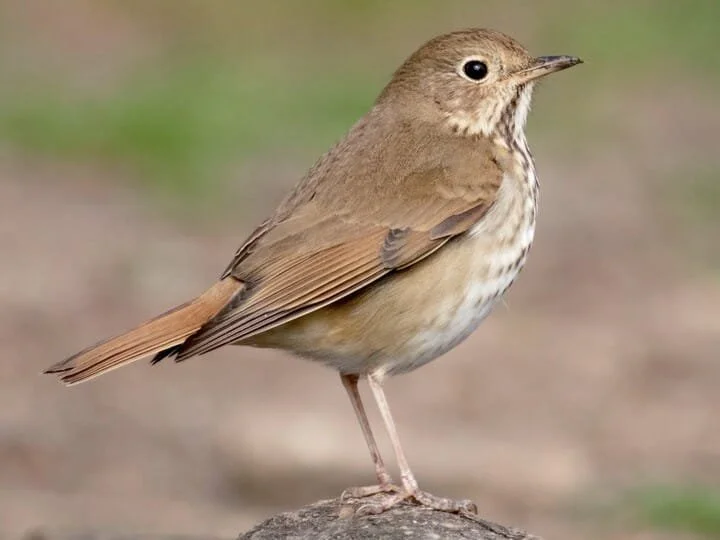
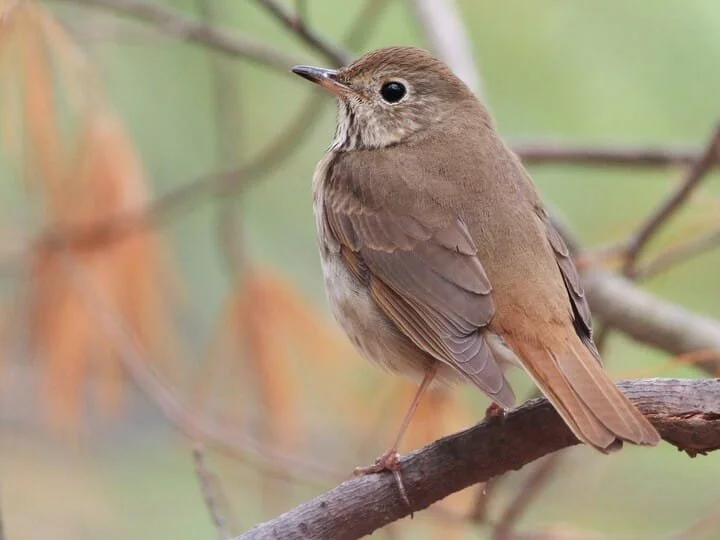
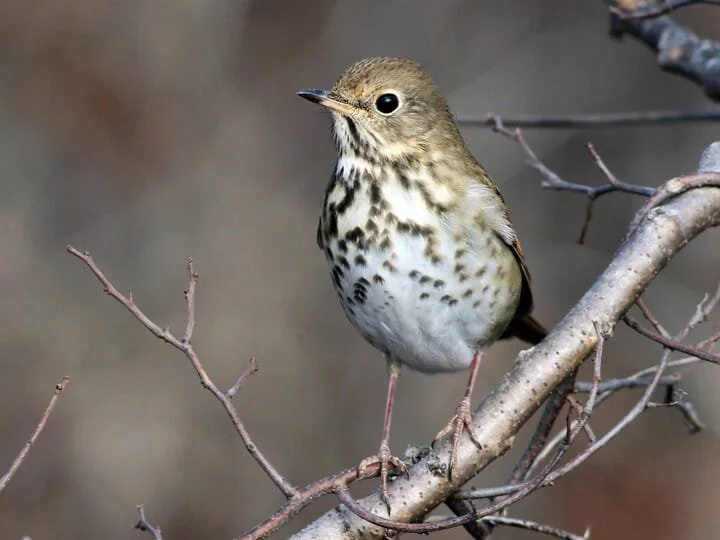
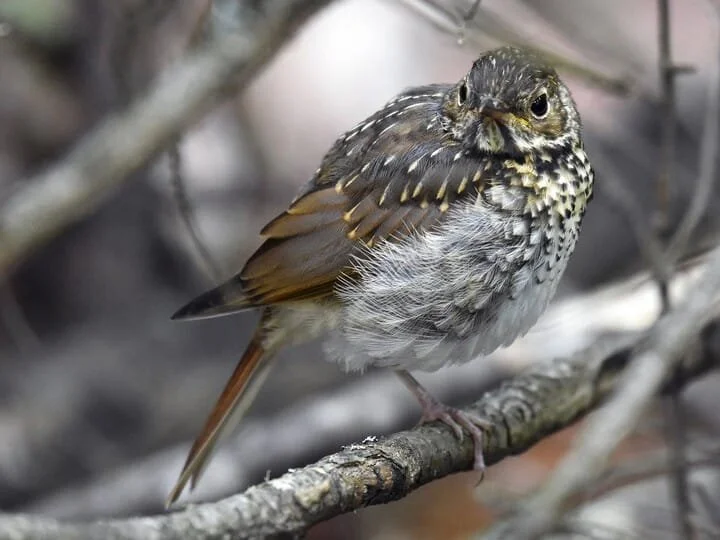
Hermit thrush
Bird Code: HETH
Identify this bird by…
Medium sized, full bodied thrush with round head
Brown on back with a distinctly reddish tail. Underparts pale with smudged spots on breast
Males and females look alike
Tell it apart by…
Similar to Swainson’s Thrush, but note thin white eyering, and, tail is redder than its brown back
Look for…
Behavior - they hop and scrape in leaf litter while foraging, and perch low to the ground
Habitat - found in understory of deciduous and coniferous forests, especially near edges/openings
Listen for…
Song: A serene cascade of clear, flute-like notes with clear intro note that alternately ascend and descend, starting at different pitches
Call: A deeper chuck, often doubled and a whiny, upslurred wee
Resources:
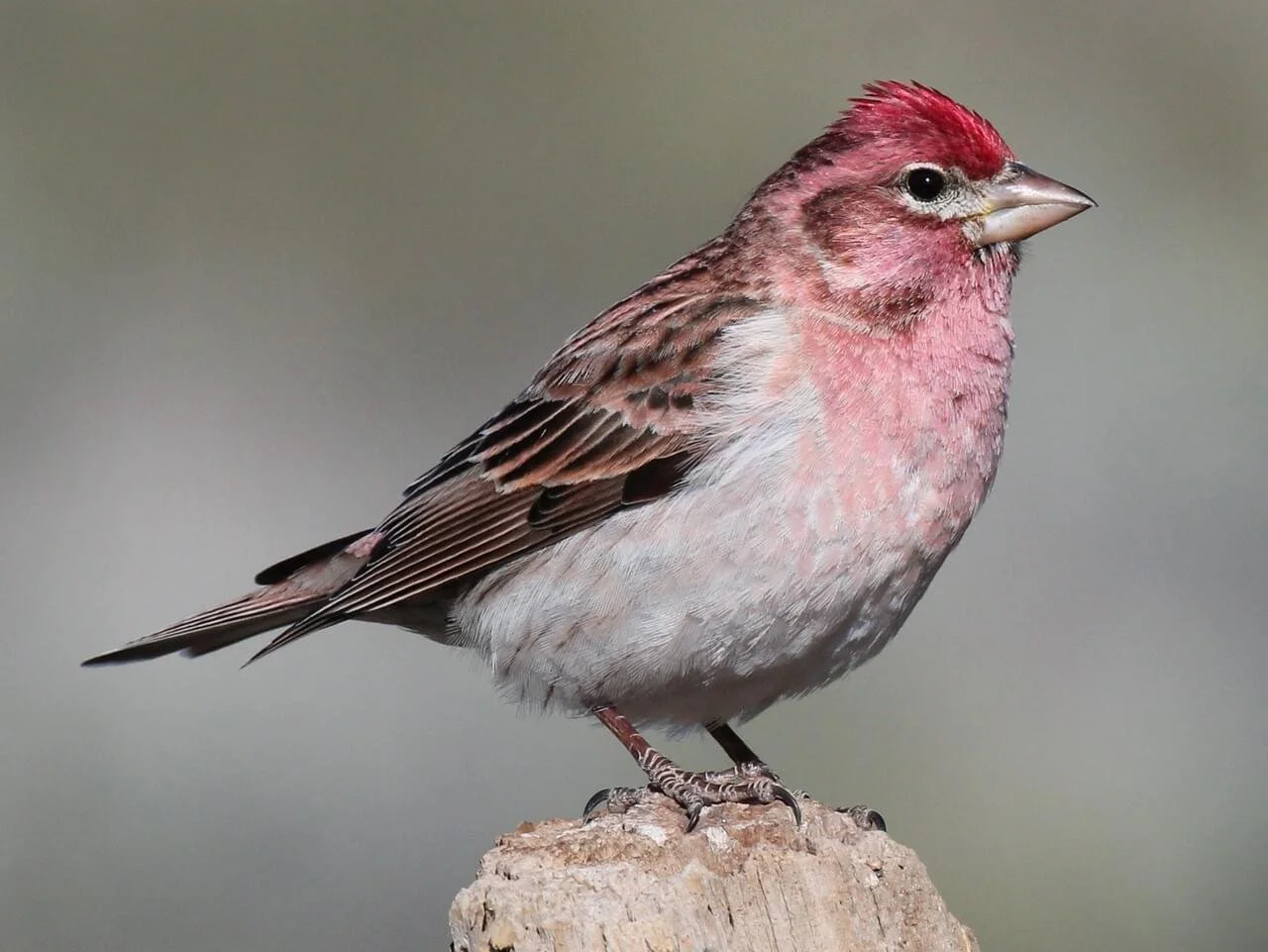
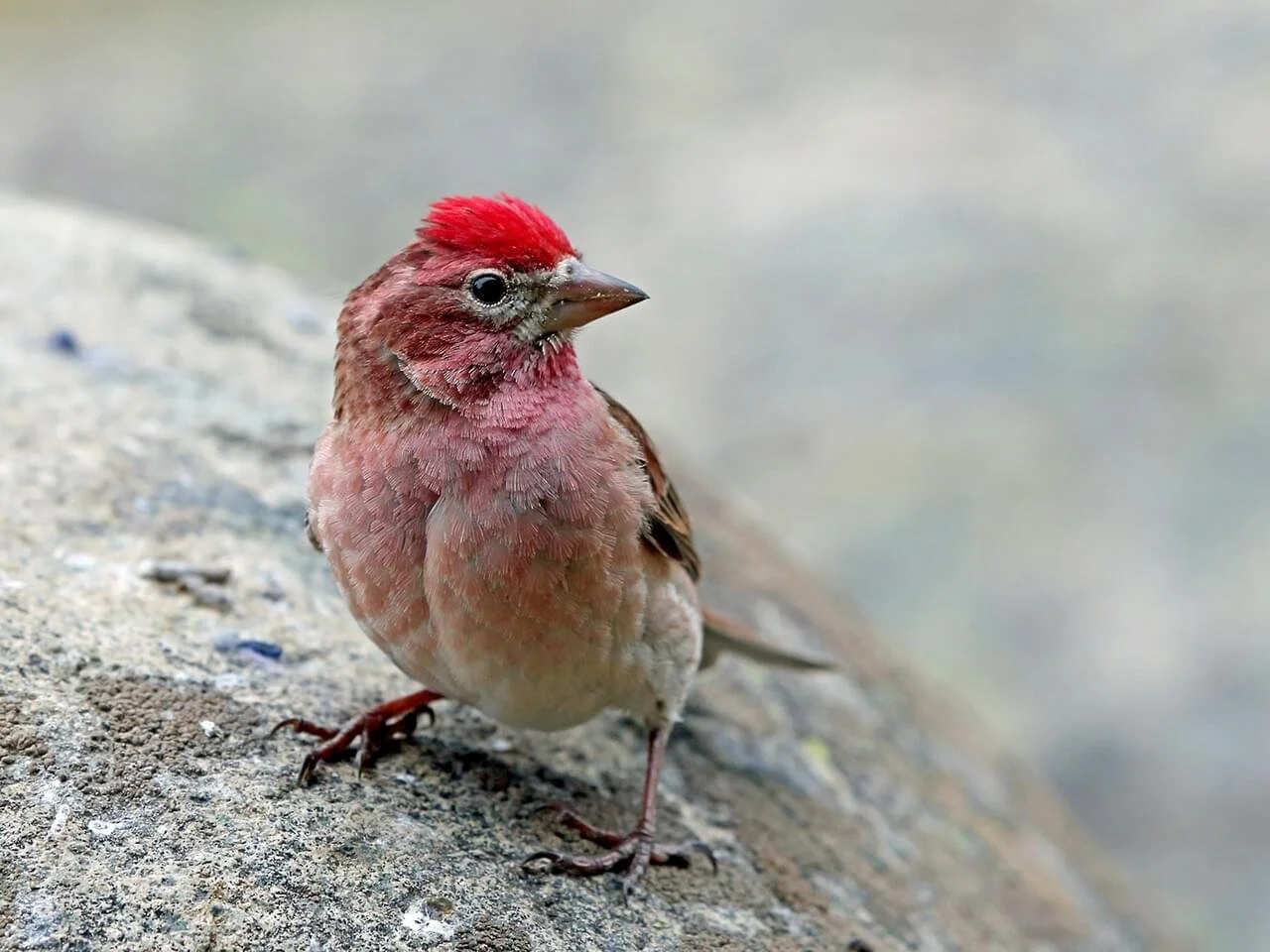
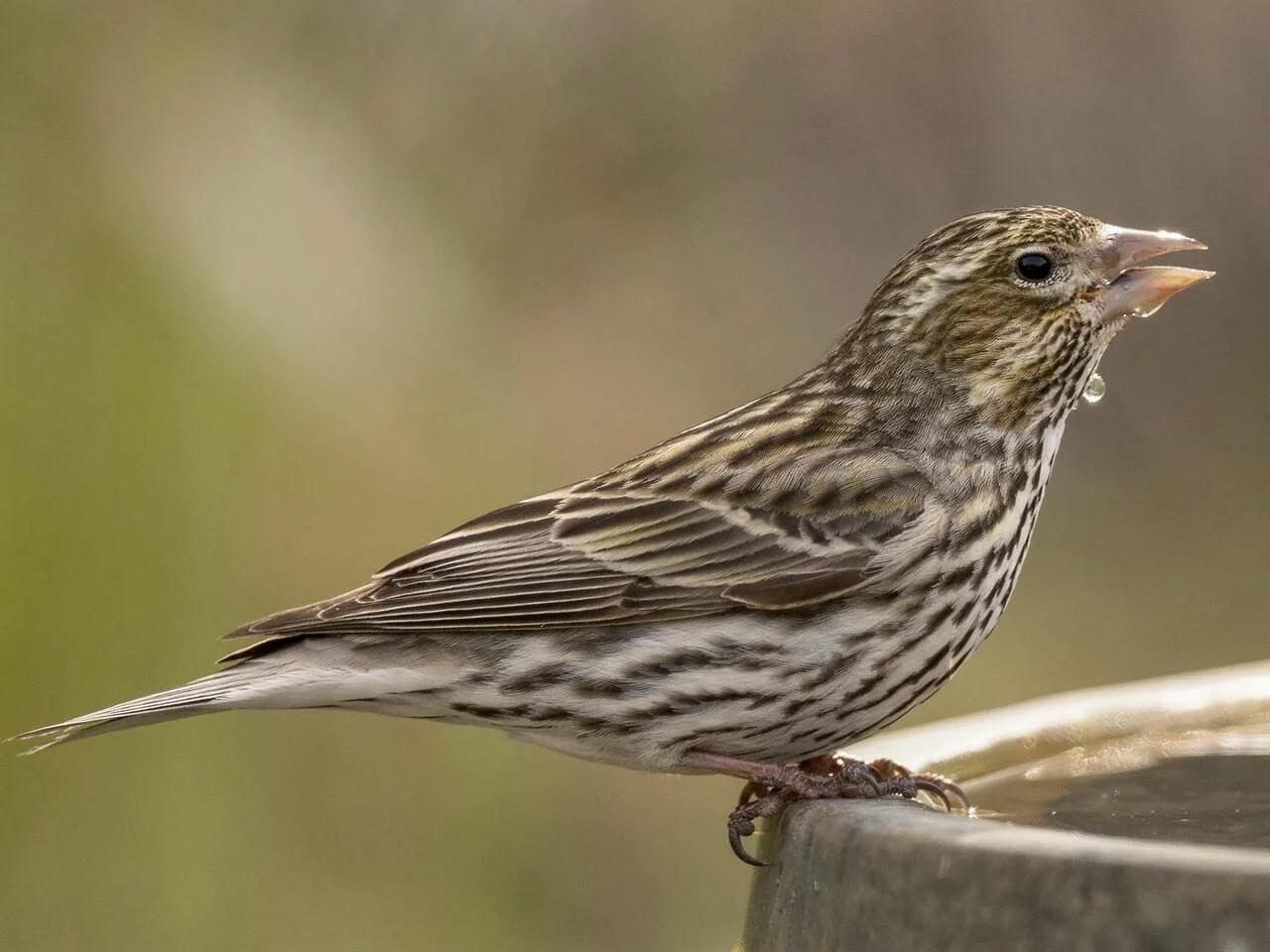
Cassin’s FINCH
Bird Code: CAFI
Identify this bird by…
Small, chunky finch with conical bill and notched tail
Adult males have a peaked red crest and pink, unstriped chest that can extend into back and wings
Females and immature birds are brown with crisp streaking on underparts and heavier on back and some indistinct marks on face
Look for…
Habitat: Unlike similar HOFI, found in high-elevation conifer and aspen forests
Listen for…
Song: A long, jumbled warbling song of a fast series of short syllables that sometimes includes imitations of other birds
Call: Distinctive, liquid calls of 2-3 syllables
Resources:
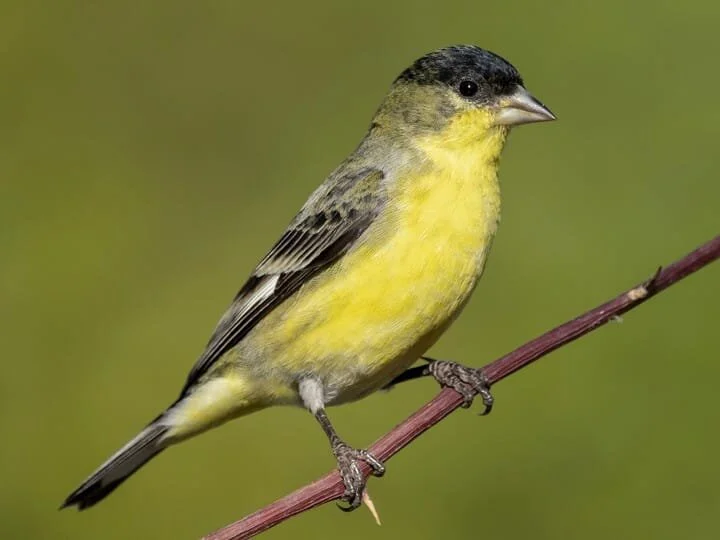
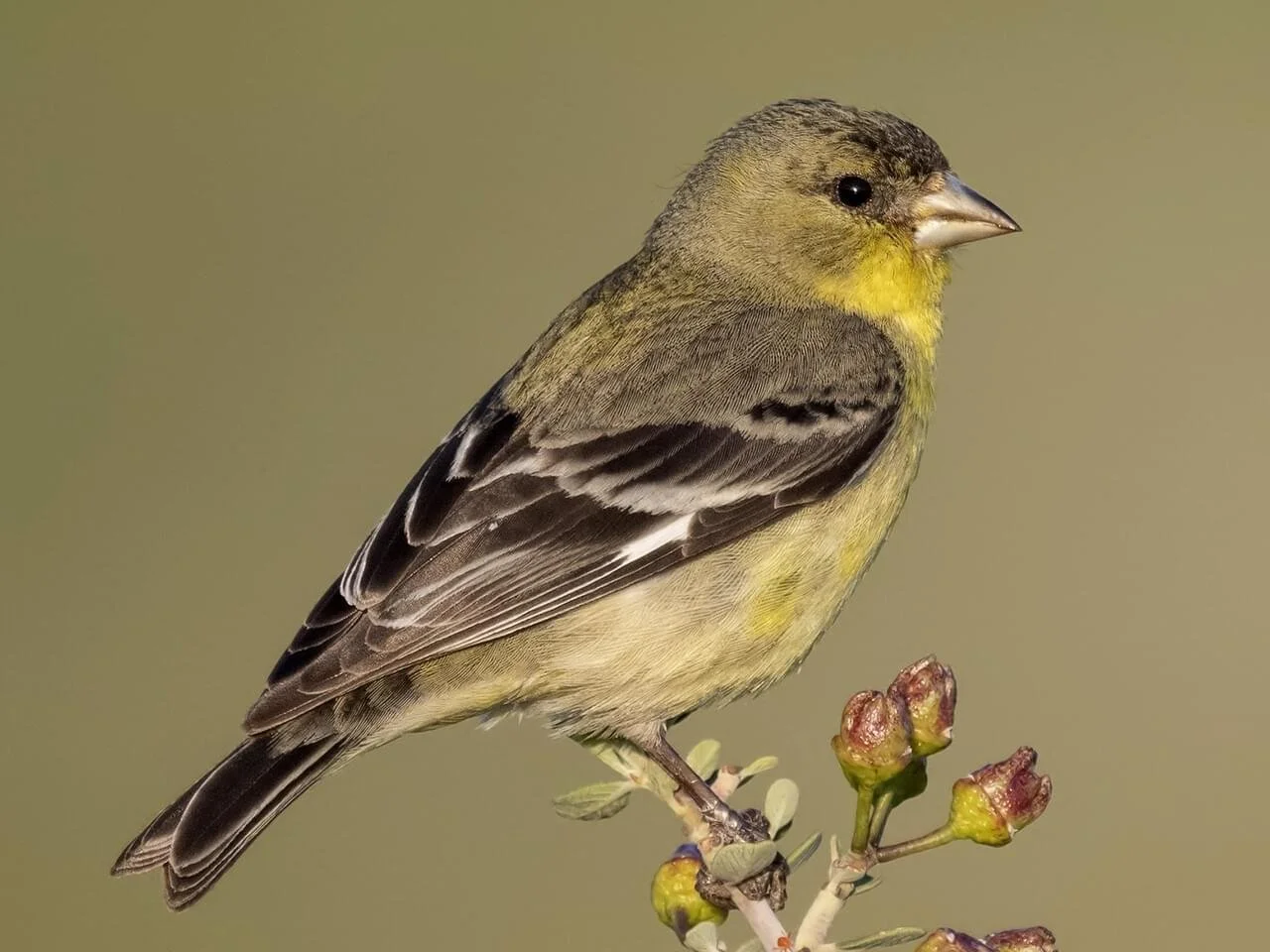
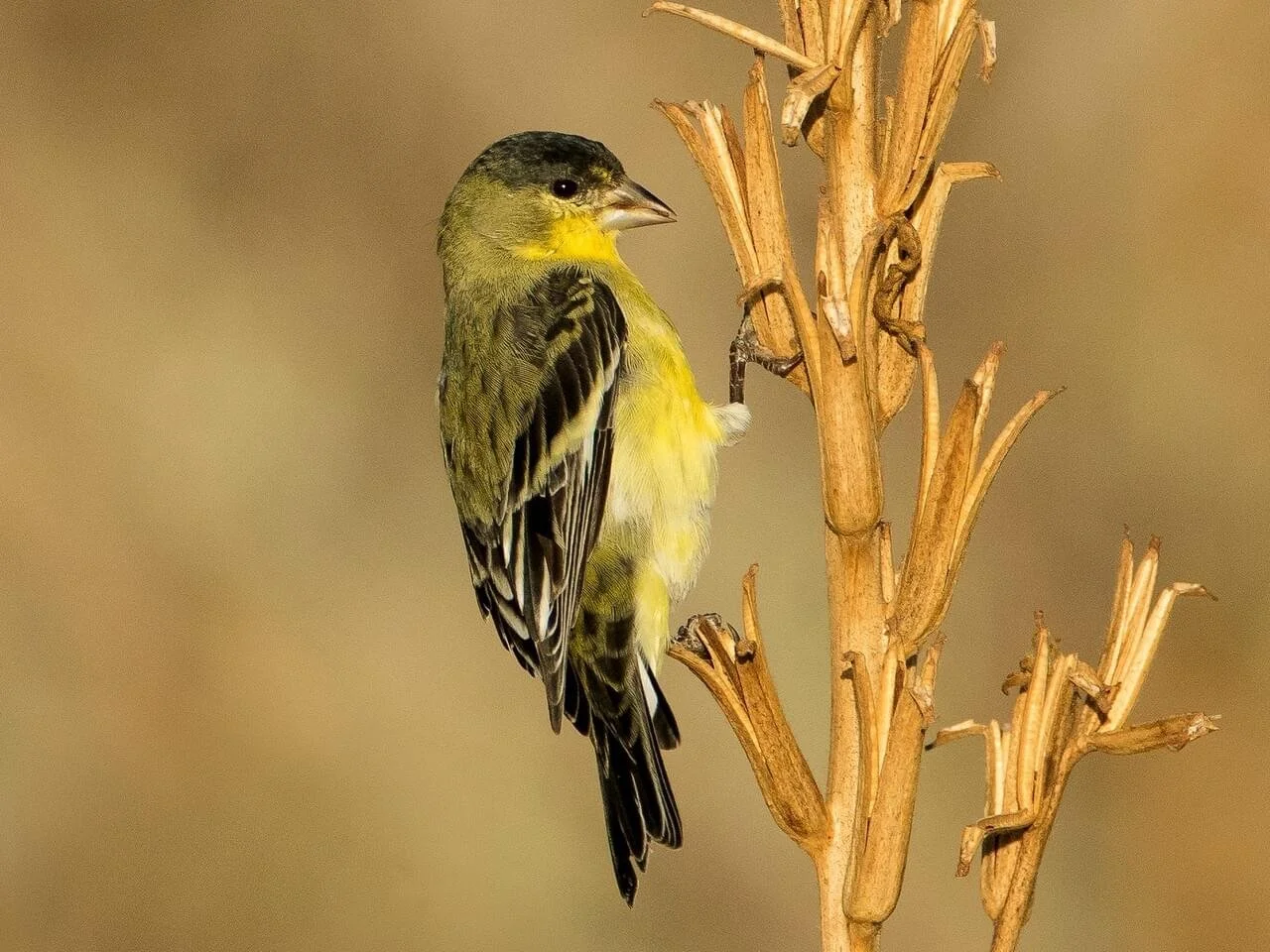
Lesser Goldfinch
Bird Code: LEGO
Identify this bird by…
Tiny bird with a cone-like bill and short, notched tail
Olive-green back with yellowish cap, black wings with yellowish wingbars and white wing patch
Males are brighter with black cap
Tell it apart by…
Black cap covers entire head, not only forehead
Black or greenish back, yellow undertail
Listen for…
Call: Males give a wheezy and descending “tee-yer” call to females during courtship. They also give a couple of chit notes in flight.
Song: A jumble of clear notes mixed in with wheezes, trills, and stutters, lasting up to 10 seconds. Lacks the “potato chip” note, and is notably more mournful
Resources:
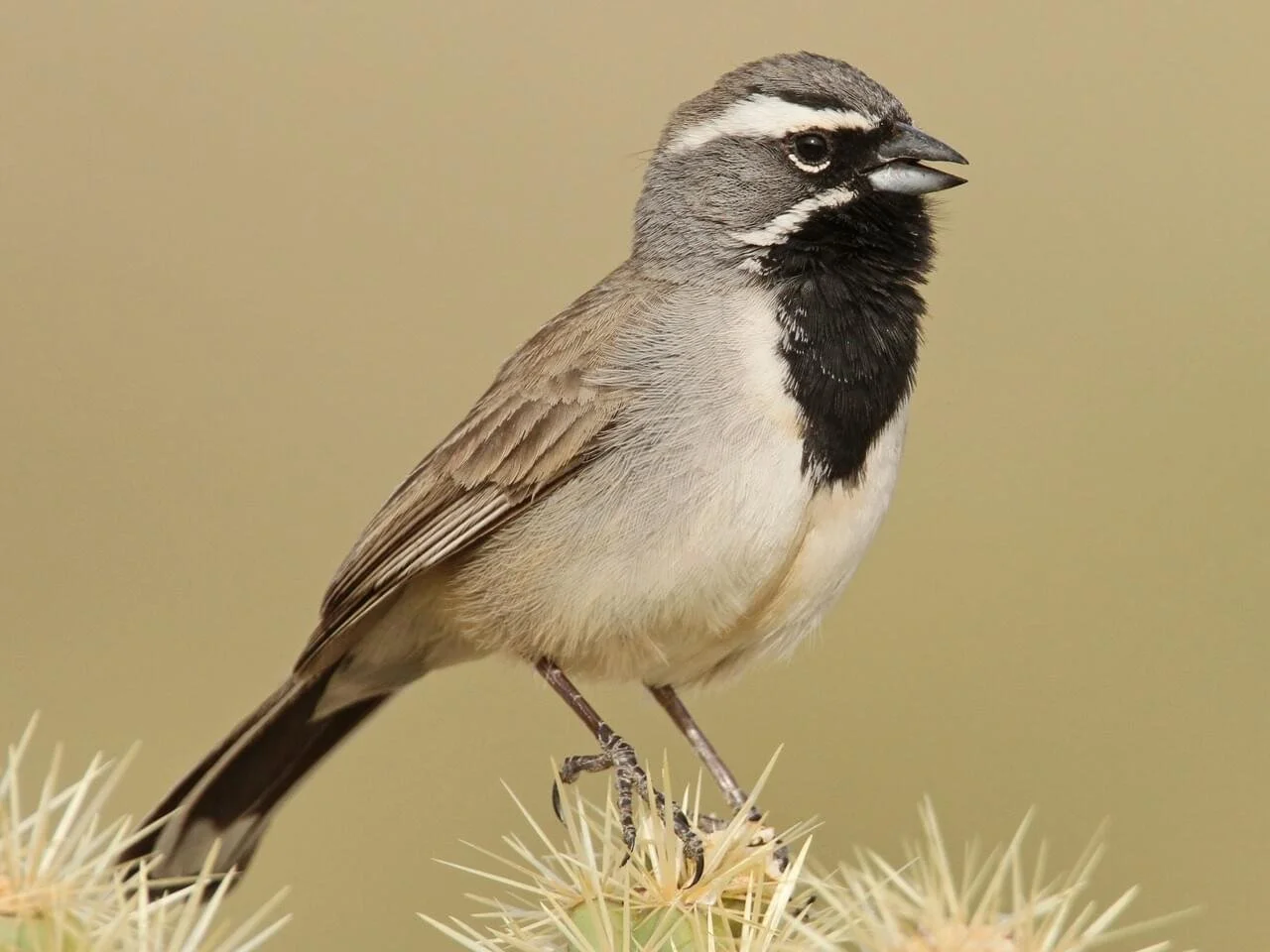
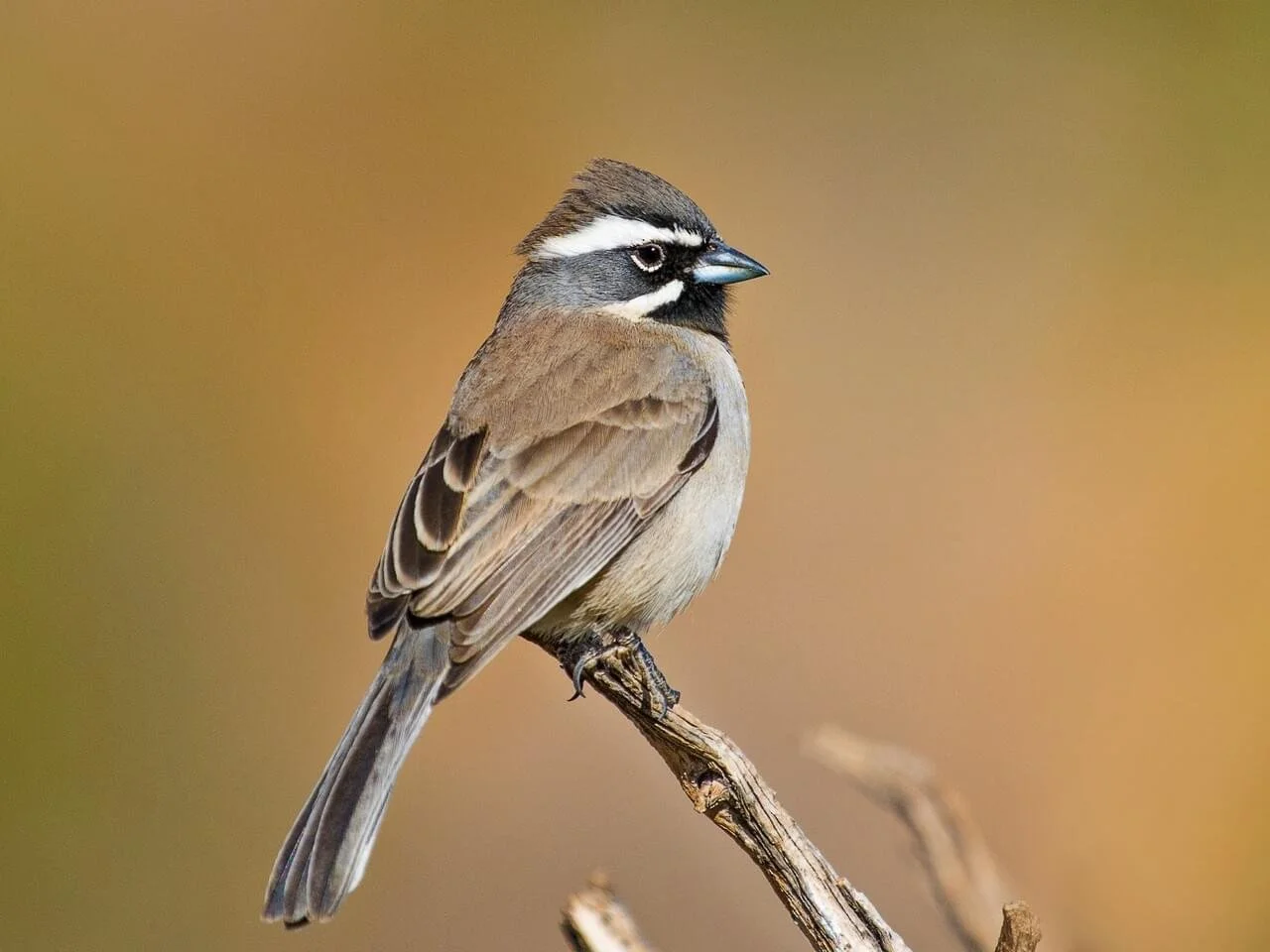
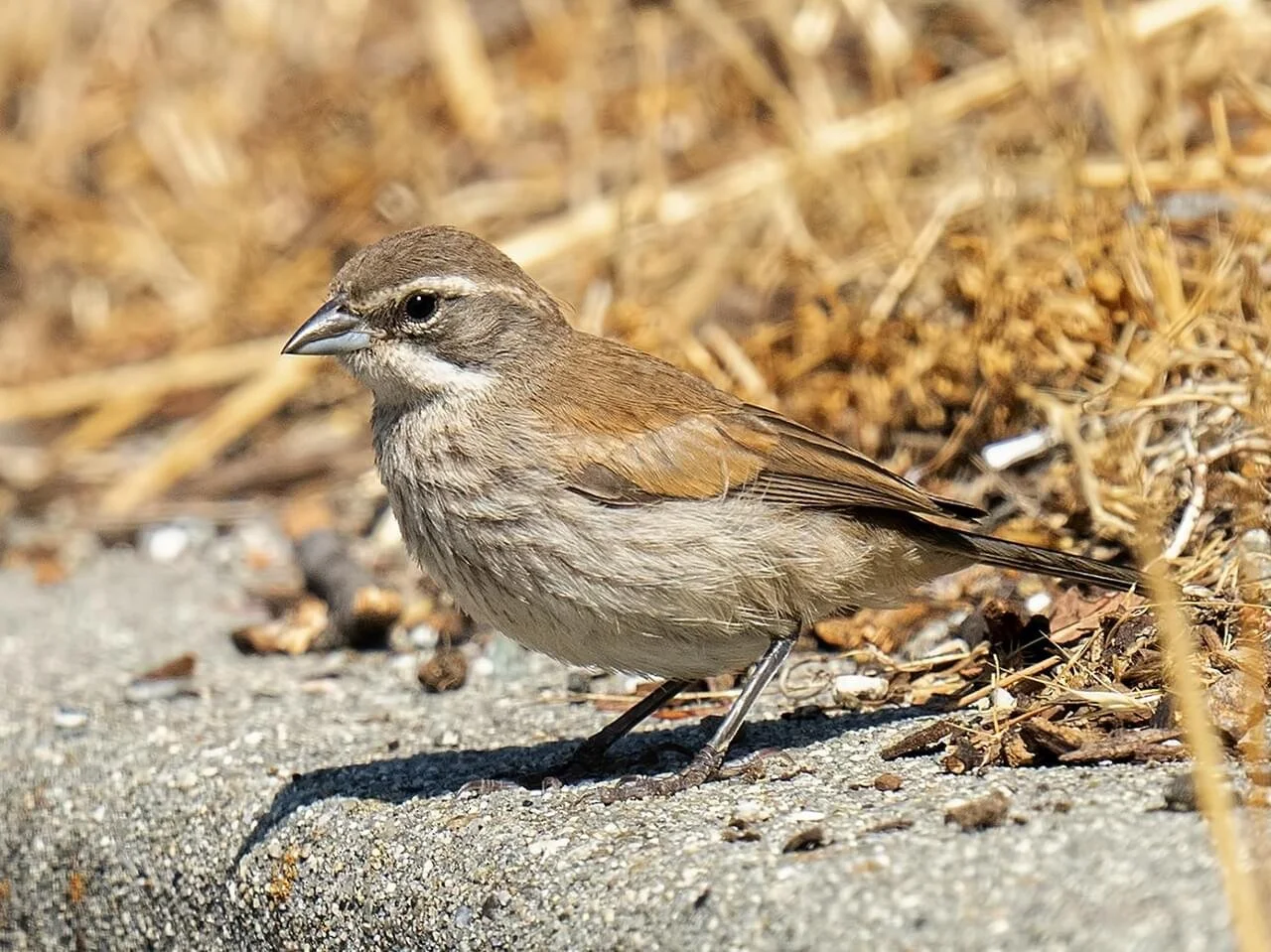
Black-Throated Sparrow
Bird Code: BTSP
Identify this bird by…
Medium-sized barrel-chested sparrow with thick bill, and striking facial pattern
Face is gray with a white stripe above and below the eye and a black throat
Females and males look the same
Juveniles lack the black throat and have streaking on belly and back
Outer tail feathers have a white dot on the end
Listen for…
Song: Short tinkling song with one intro note, two buzzy notes and ending with a musical trill.
Call: Call is a thin chip
Resources:
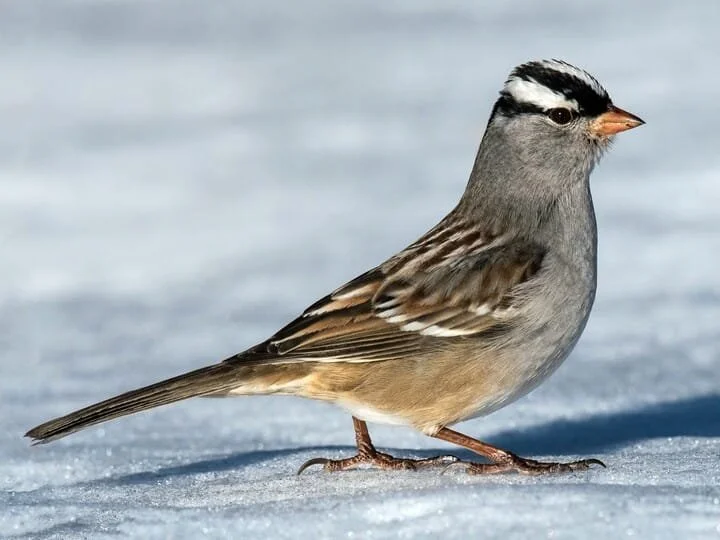
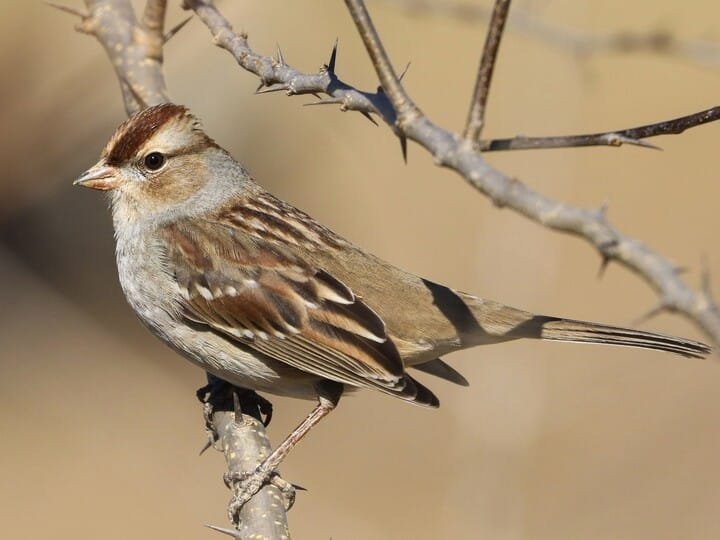
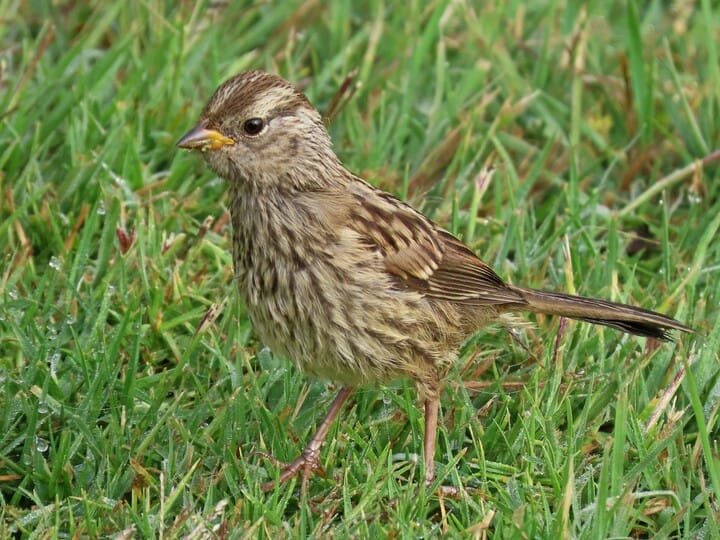
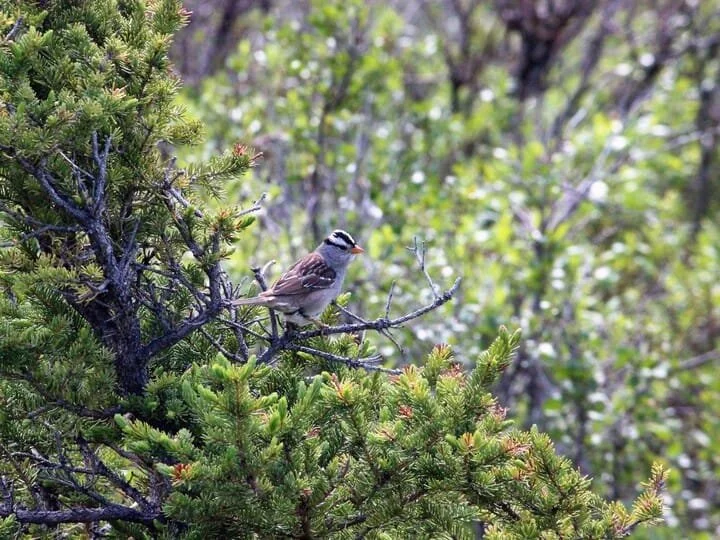
(Mountain) White-crowned Sparrow
Bird Code: WCSP (MWCS)
Identify this bird by…
Large sparrow with long tail and peaked head
Grayish overall with distinctly-striped head, brown sides, and brown-streaked back, wings, and tail, and pink beak and legs
Head has white crown surrounded in black, white eyebrow, and a black head stripe
Immature birds are brown and tan instead of black and white, and juveniles are streaky
Look for…
This bird has several subspecies, but the only one present in Utah in the summer is the Mountain / dark-lored, which has black from eye to beak
Habitat: Alpine scrub/forests in breeding months
Listen for…
Call: Both sexes give a sharp, low pink contact call
Songs: Sweet intro note followed by 4-5 buzzy whistled notes that ascend, then descend
Resources:
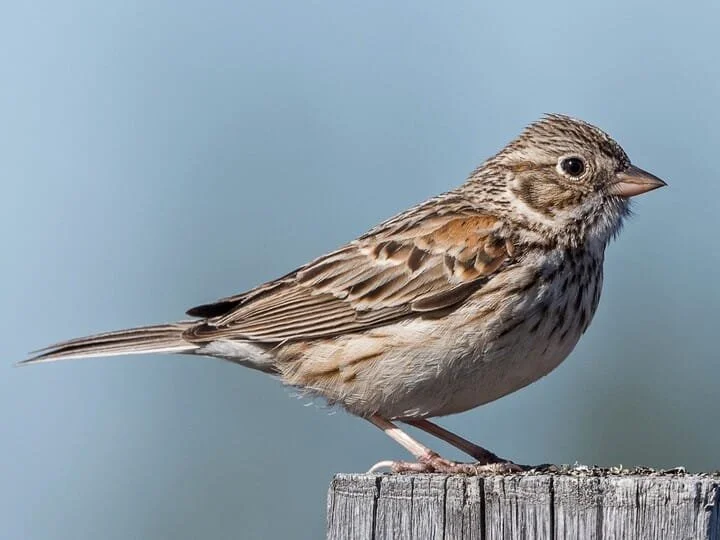
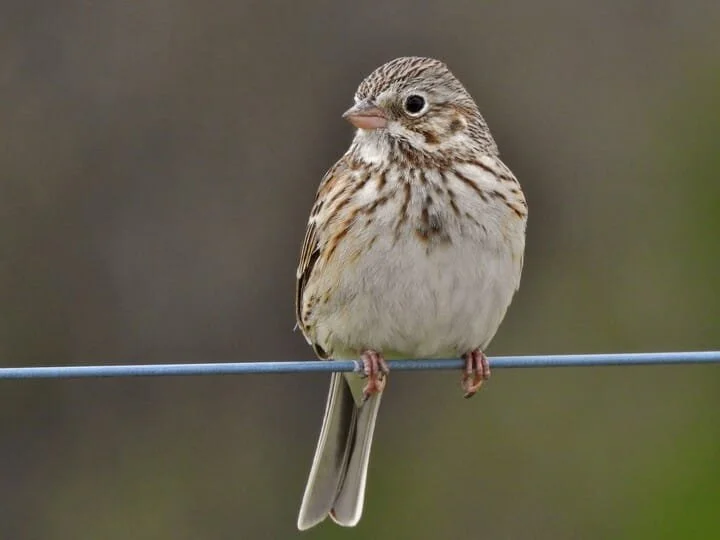
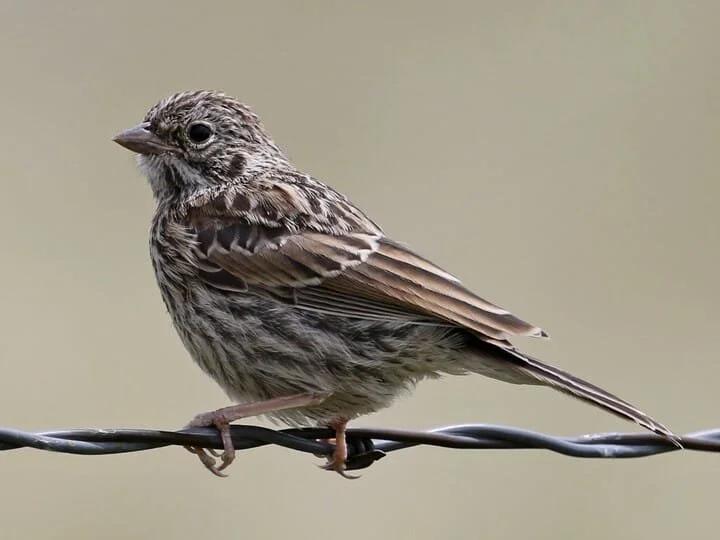
Vesper Sparrow
Bird Code: VESP
Identify this bird by…
Largish, drab, streaky sparrow with a thin conical bill
Grayish overall with heavy brown streaking. Prominent white eyering, white outer tail feathers, and rufous shoulder (often hidden), and white mustache stripe that wraps around face
Look for…
Habitat: open spaces such as old fields, grasslands, sage scrub, and forest edges
Listen for…
Song: Starts with 2-4 downslurred whistles followed by a rising and falling trill that ends with a buzzy jumble.
Call: Call notes include a sharp chirp.
Resources:
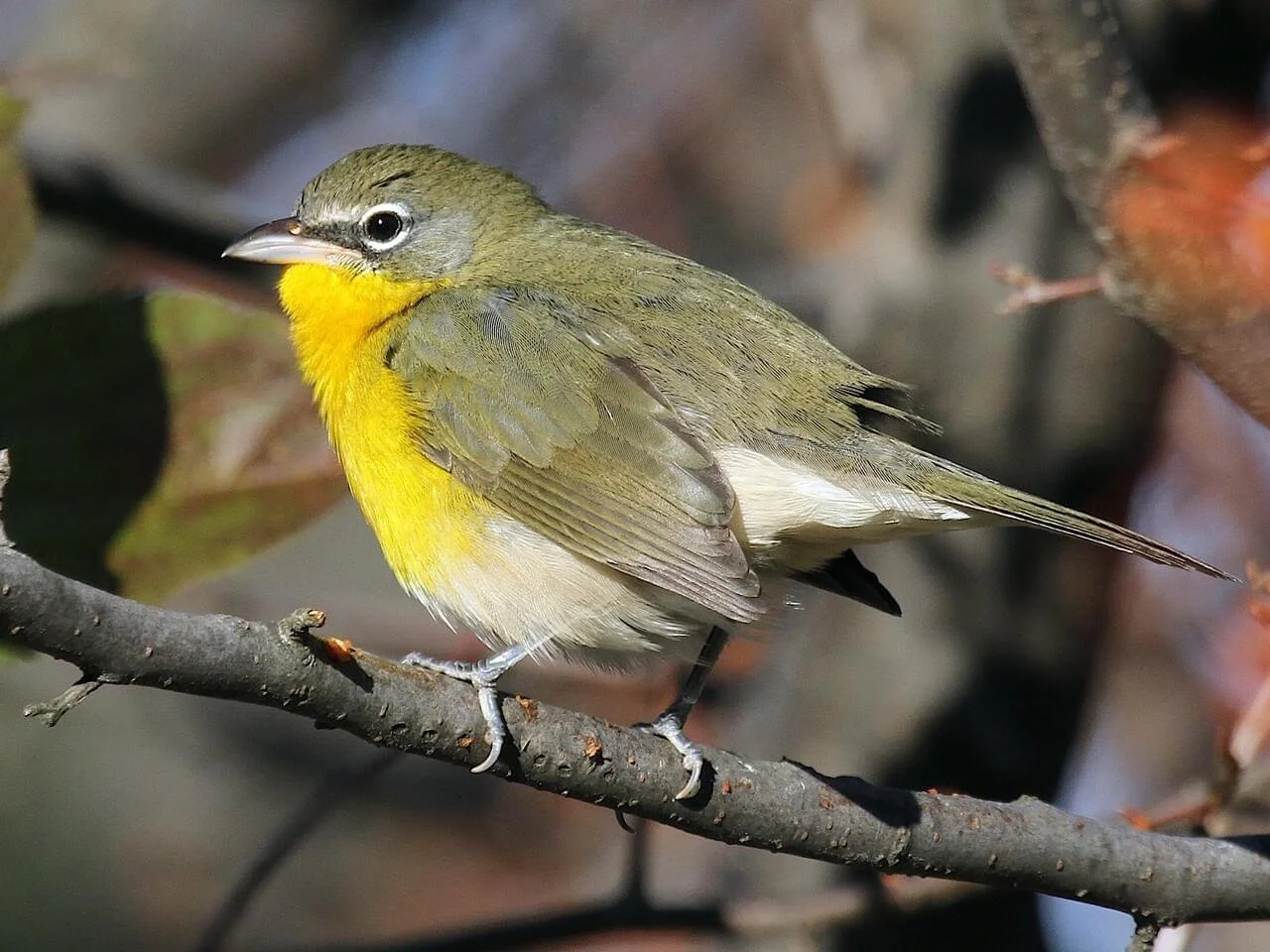
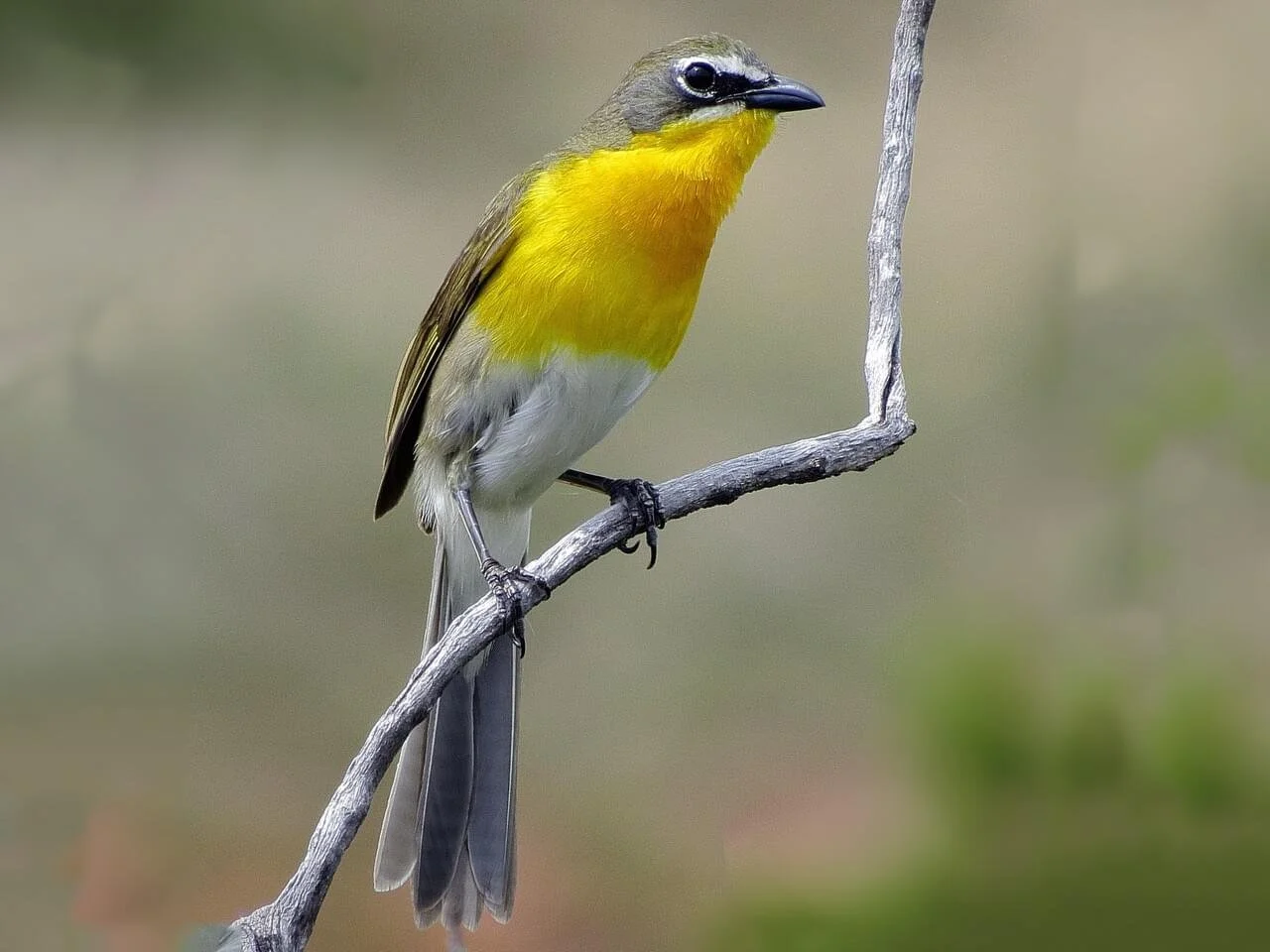
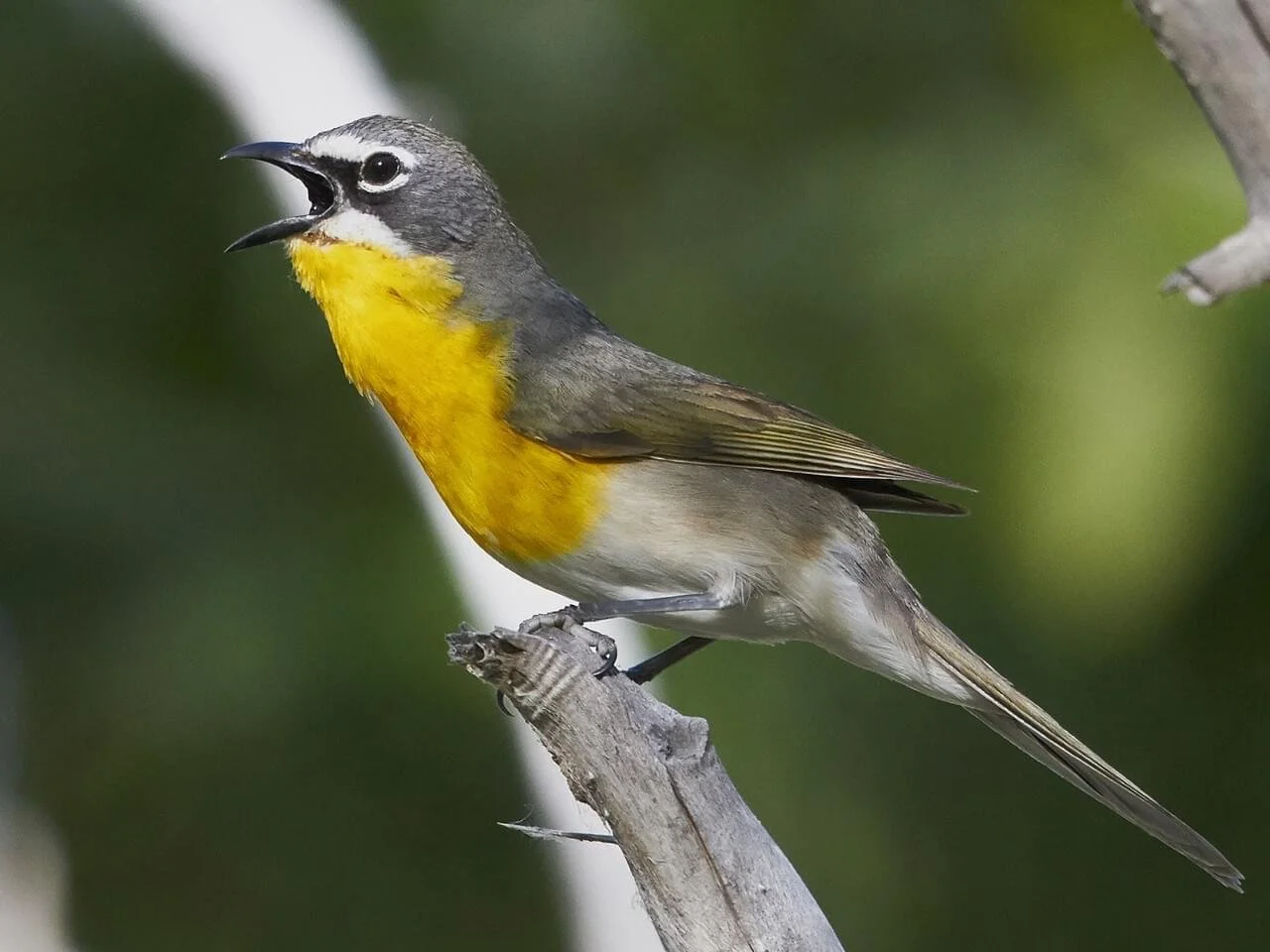
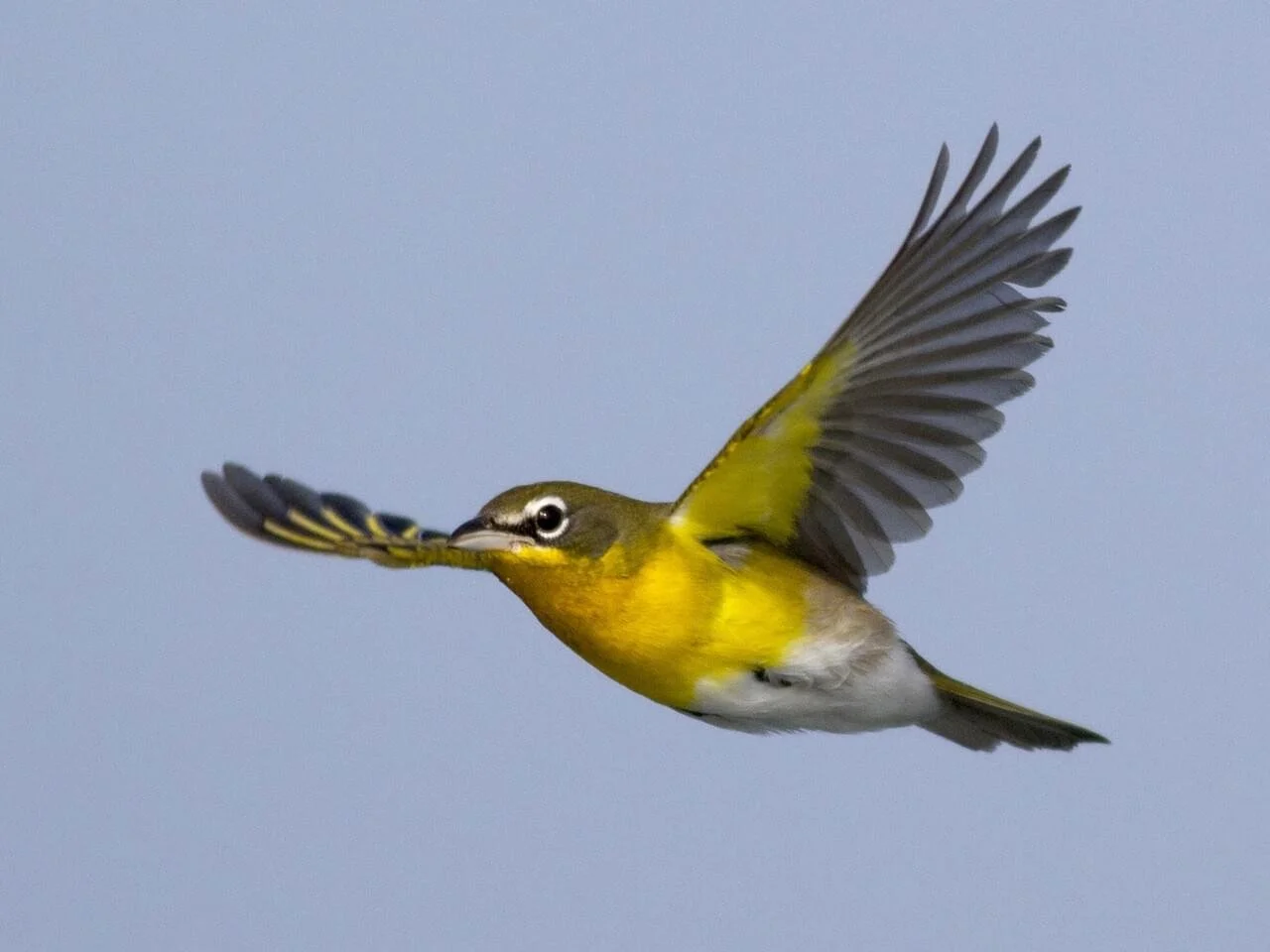
YELLOW-BREASTED CHAT
Bird Code: YBCH
Identify this bird by…
Large and warbler-like with a long tail
Bright yellow chest, brown-olive upperparts, thick bill and white “spectacles” and a white “mustache”
Males and females look alike
Look for…
Behavior - loud birds that tend to skulk in low, thick brush. Males may sing from an exposed perch, but otherwise these birds typically stay well hidden
Listen for…
Song: Extremely varied, mostly simple notes repeated in a decelerating series with a pause between each utterance. Full of squeaks, rattles, and clucks – listen for these harsher, chattering notes to distinguish it from the squeakier, more musical Gray Catbird.
Call: A distinctive harsh scolding. Females also make a gargling growl when disturbed at the nest.
Resources:
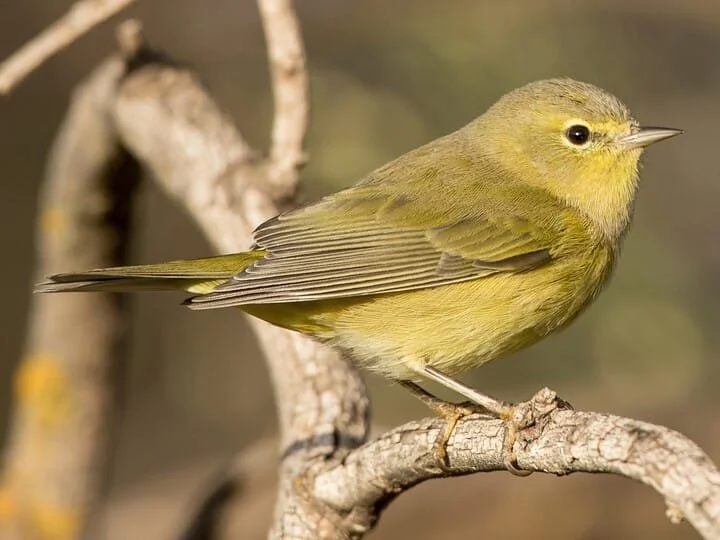
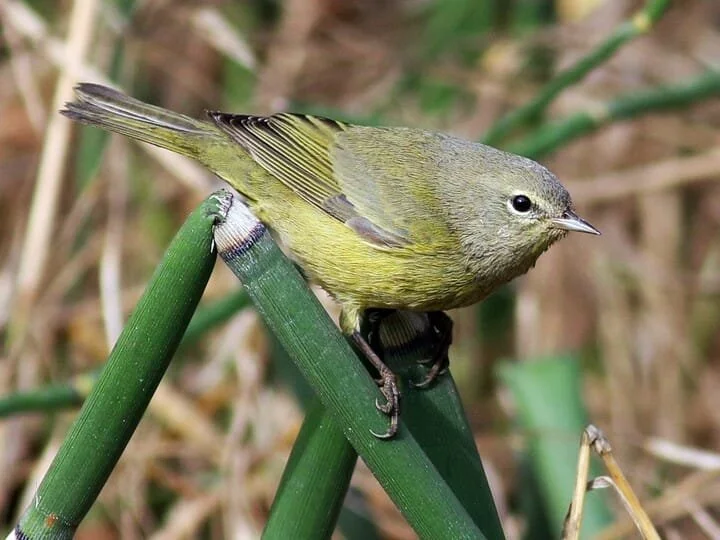
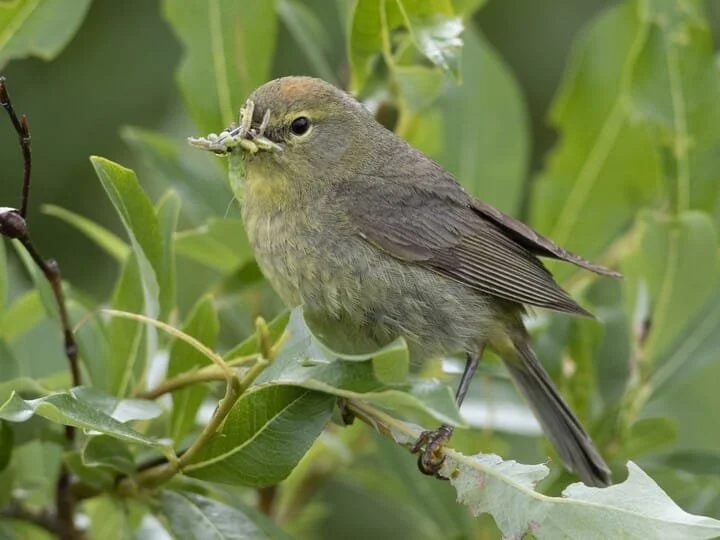
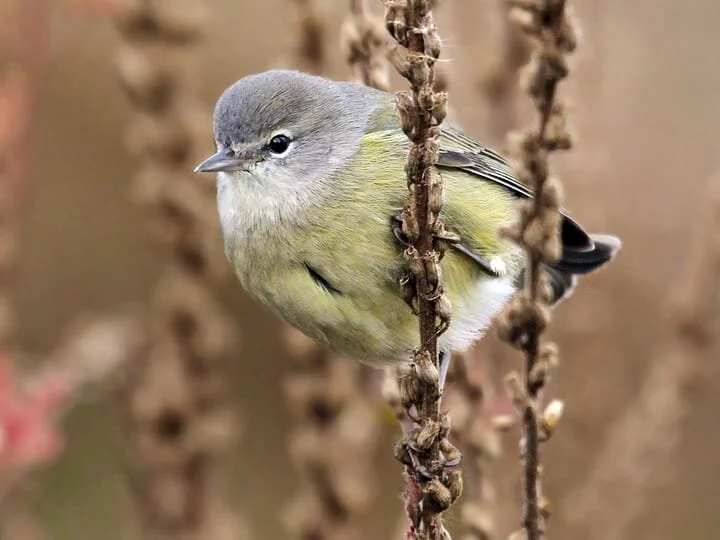
ORANGE-CROWNED WARBLER
Bird Code: OCWA
Identify this bird by…
Small warbler, thin pointy bill
Yellow-olive to gray overall with a faint eyeline that cuts through faint eyering
Adults have an orange patch on its heard (i.e., the crown) that is difficult to see in the field
Look for…
The undertail coverts (the feathers covering the base of the main tail feathers) are colored yellow-olive to gray (not white)
Listen for…
Song: A fast trilling song of sweet, clear notes. The song can remain on a single pitch or it can rise slightly in the middle and end on a distinctive rising or falling series —chee chee chee chew chew
Calls: A simple, sharp, high-pitched chip, distinctive from that of other warblers.
Resources:
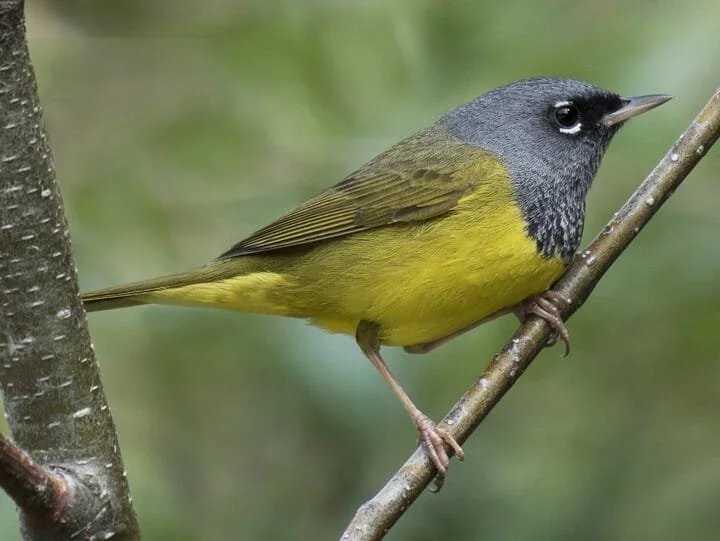
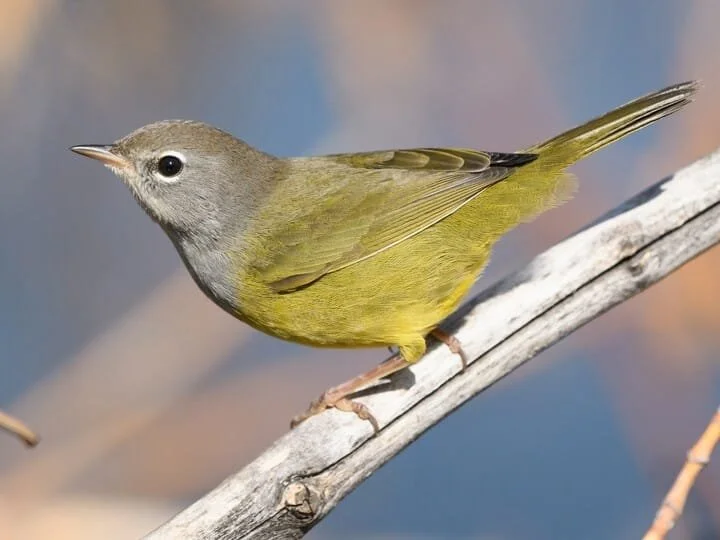
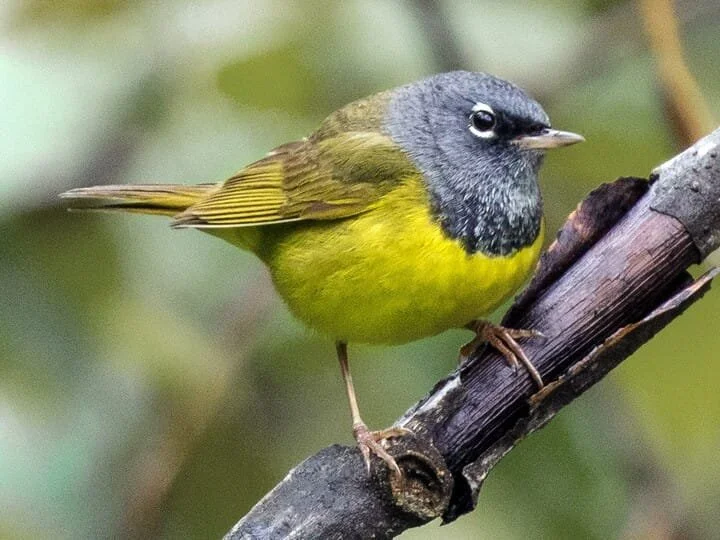
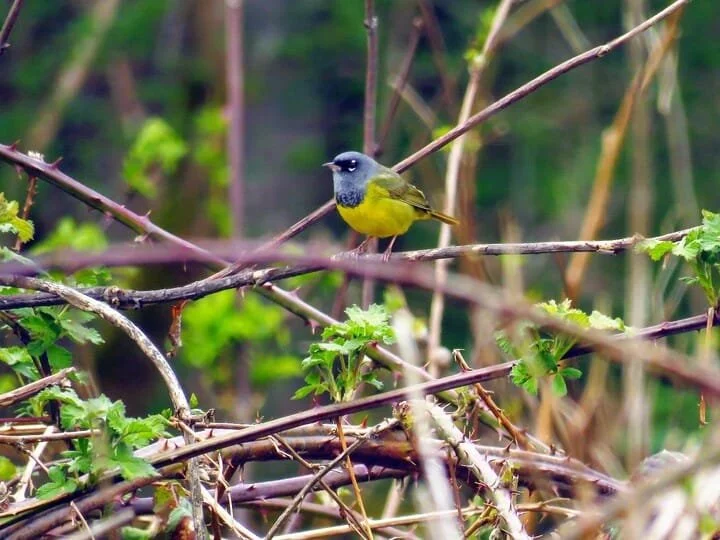
macgillivray’s warbler
Bird Code: MGWA
Identify this bird by…
Compact, small songbird with a full body and a thick neck, and a large, thin, straight, pointed bill
Tell males and females apart by…
Males - rich olive above, bright yellow below, with a dark gray hood extending to the chest and white eye arcs above and below eye, and blackish lores
Females / Immatures are similar with a grayish or brownish version of the hood and a pale throat
Listen for…
Song: Song is slower than Wilson’s, with a vibrant, rolling quality. It often changes in pitch, quality, and speed at the end. Written as churry churry churry cheery cheery
Call: A distinctive tsik call note (smack)
Resources:
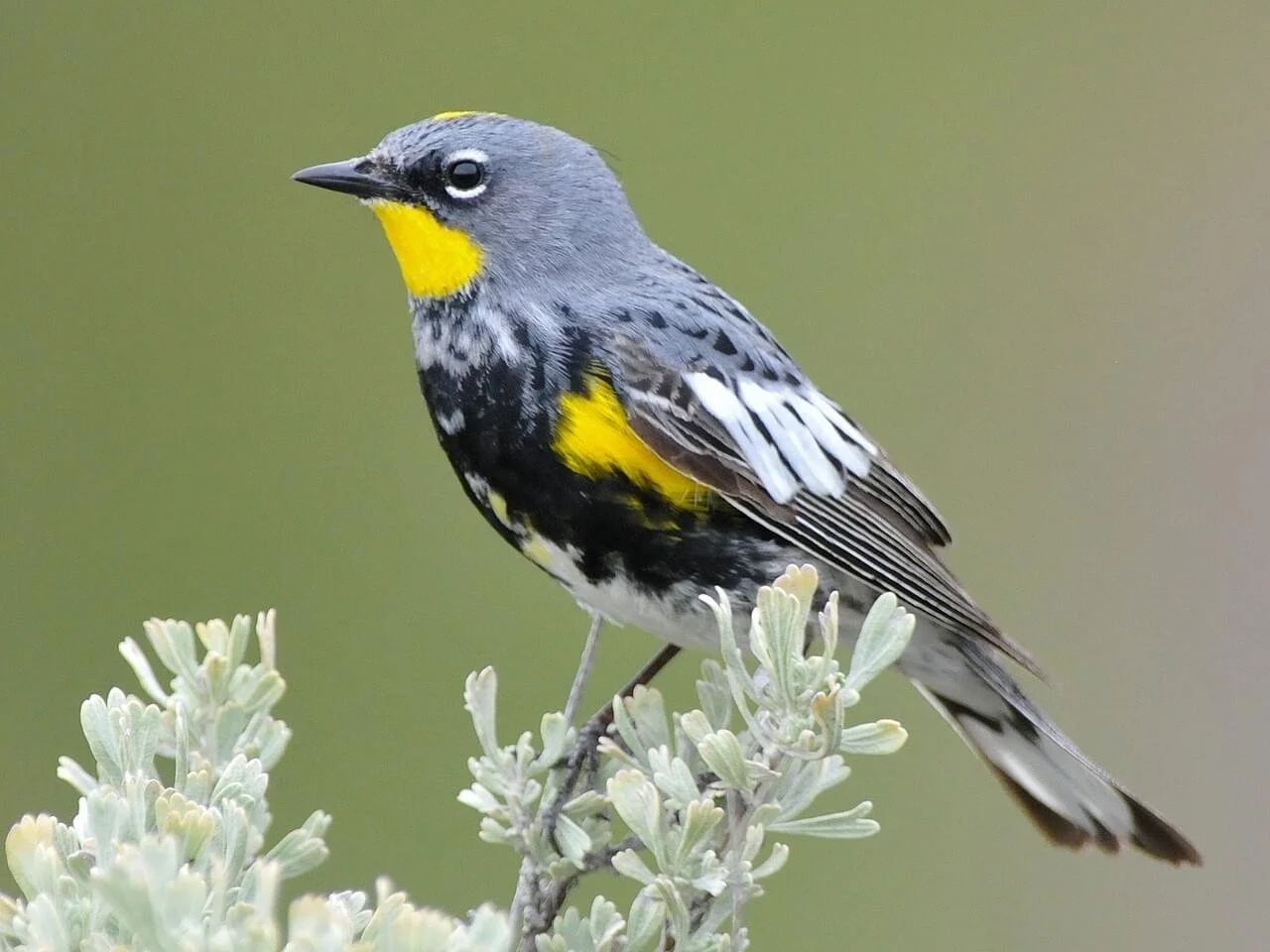
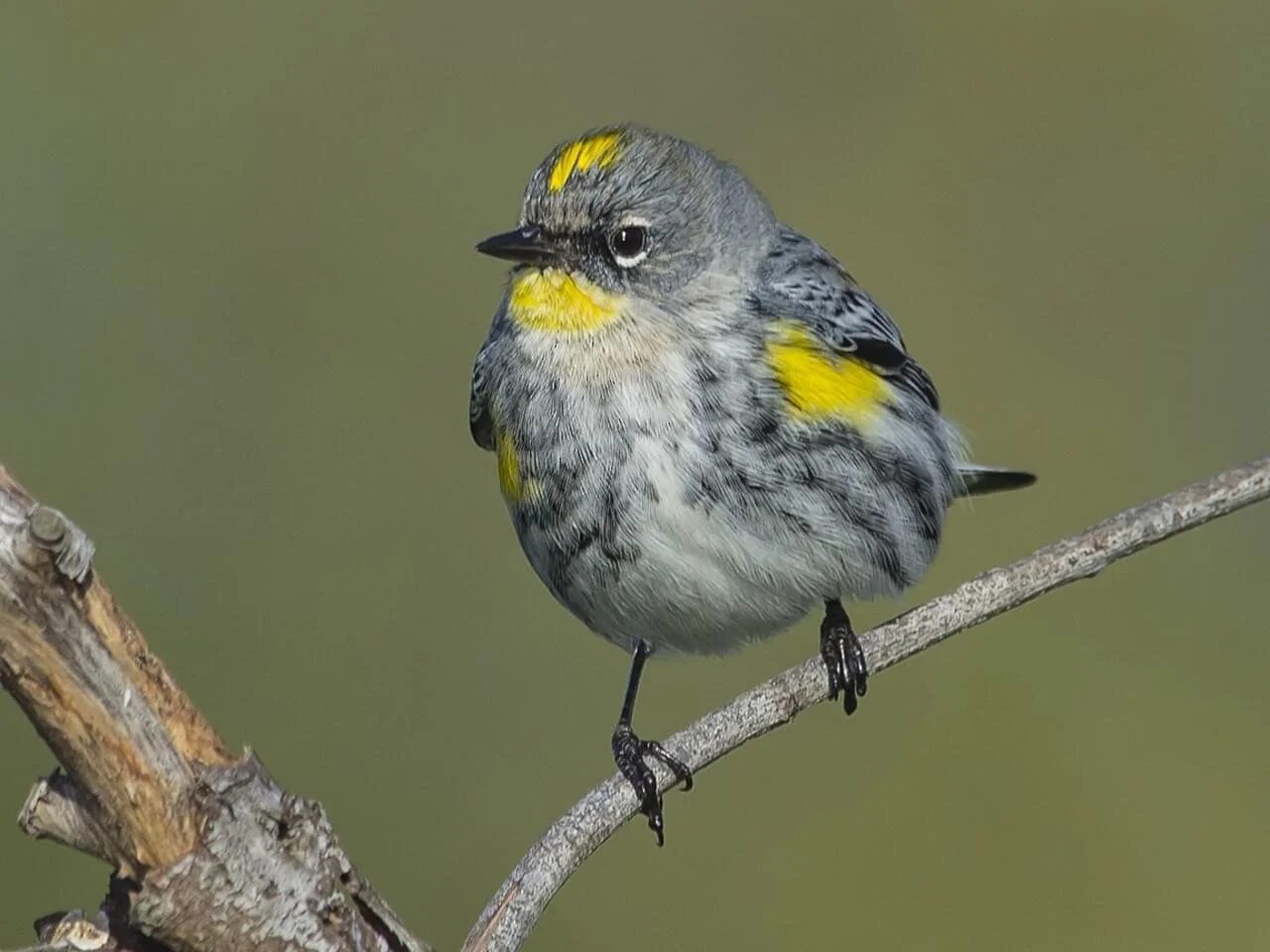
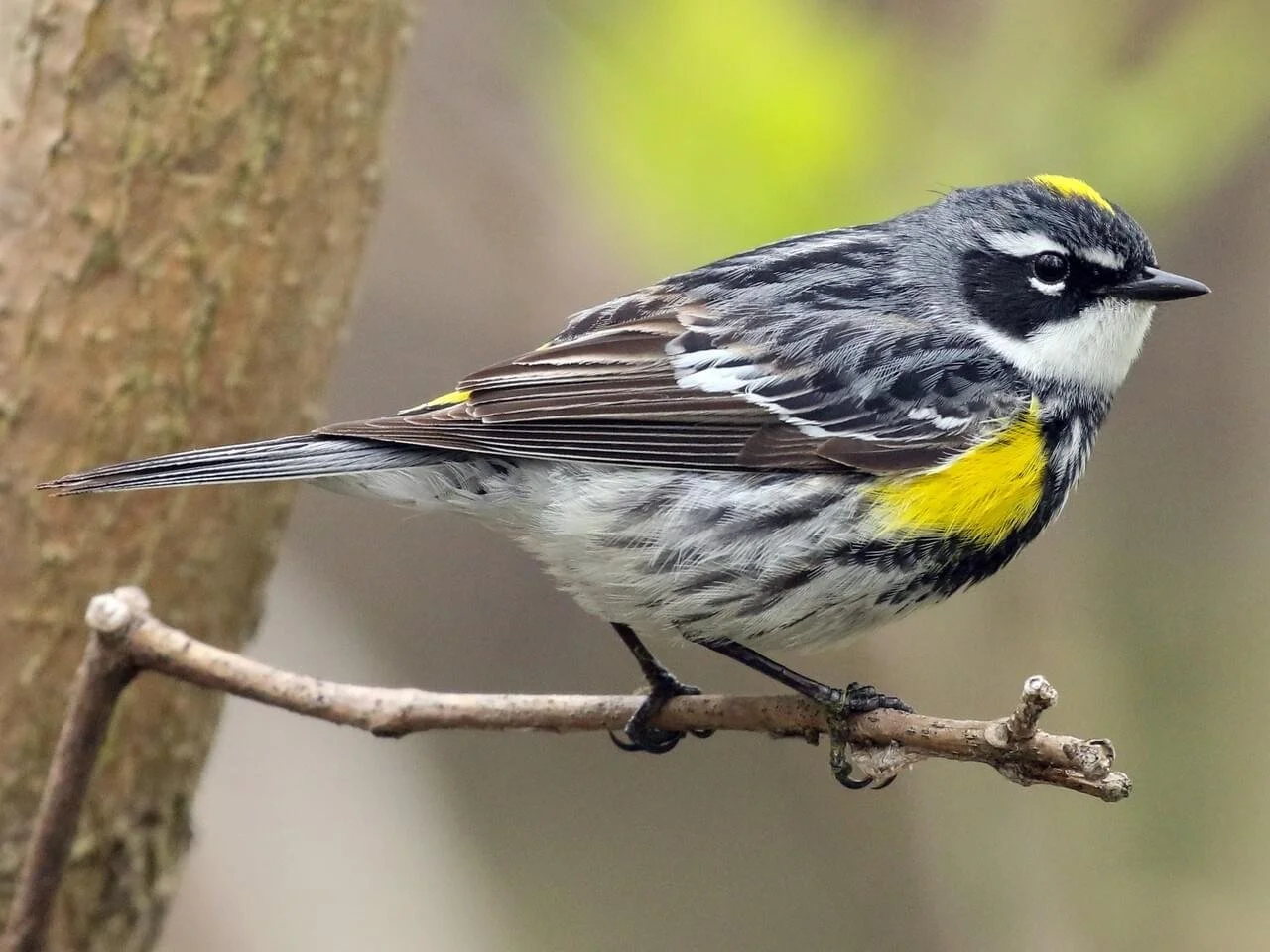
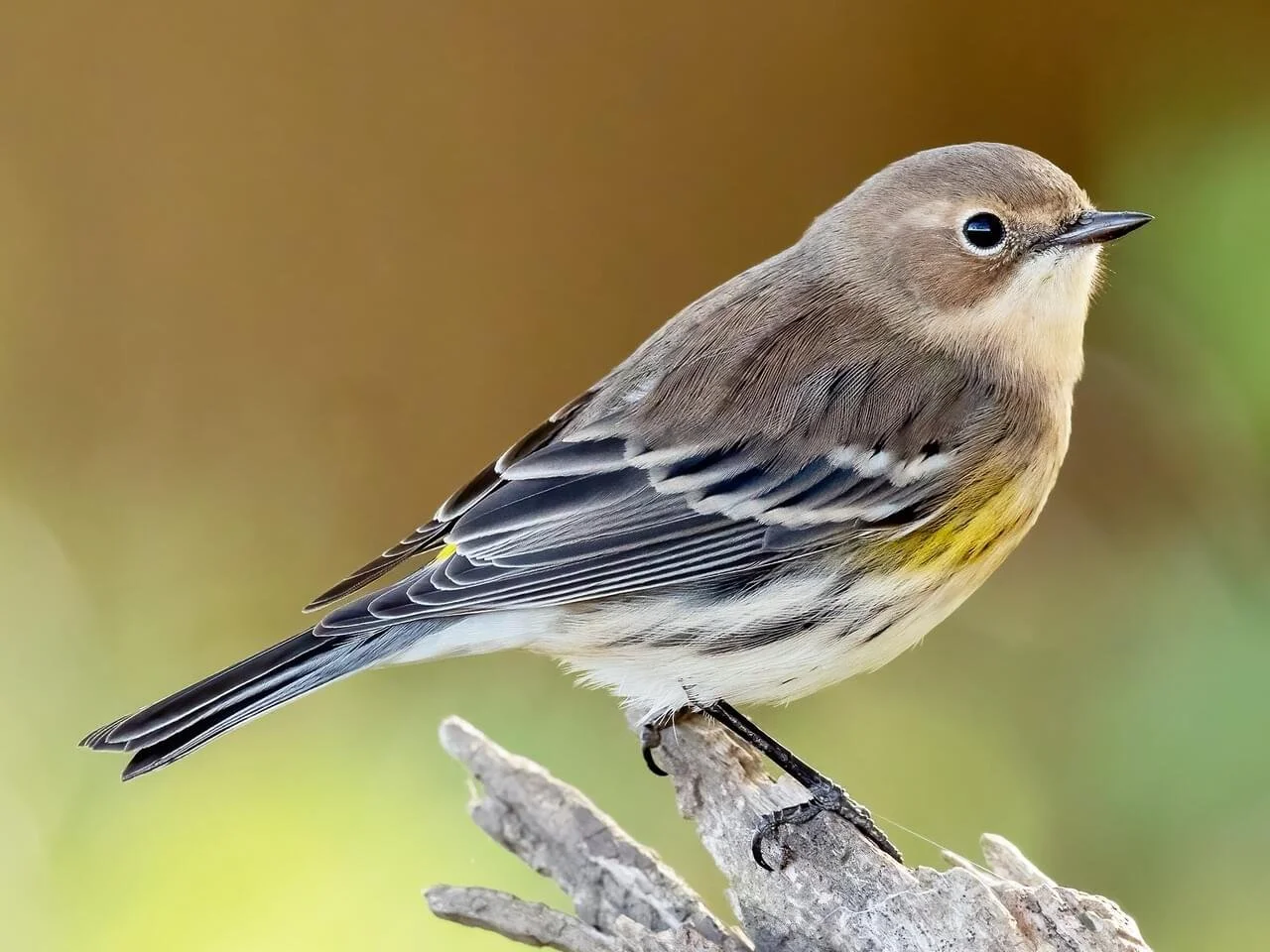
yellow-rumped warbler (Audubon’s)
Bird Code: YRWA (AUWA)
Identify this bird by…
Fairly large, full-bodied warblers with a large head, a sturdy bill, and a long, narrow tail
Both sexes are gray and black with white in the wings and yellow on the face, sides, throat, and butt
Males are very strikingly shaded, while females are duller and may show some brown
Look for…
Behavior - They're active, and you'll often see them sally out to catch insects in midair
Regional subspecies…
Audubon’s - of the mountainous West (yellow-throated), most common subspcies
Myrtle - of the eastern U.S. and Canada's boreal forest (white-throated), rare subspecies
These used to be considered separate species, but are now considered subspecies
Listen for…
Song: A soft, slow, loosely spaced trill which mostly stays on an even pitch, but may end with more up and down notes. The song lasts about 1-3 seconds
Call: a sharp chek - distinctive
Resources:
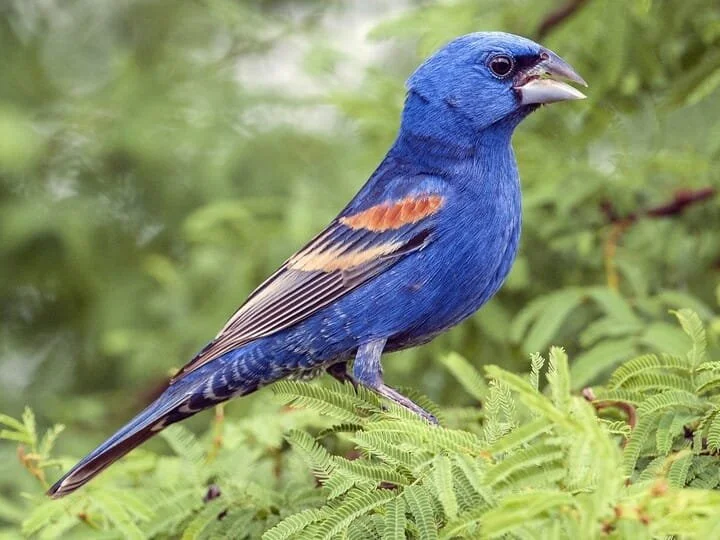
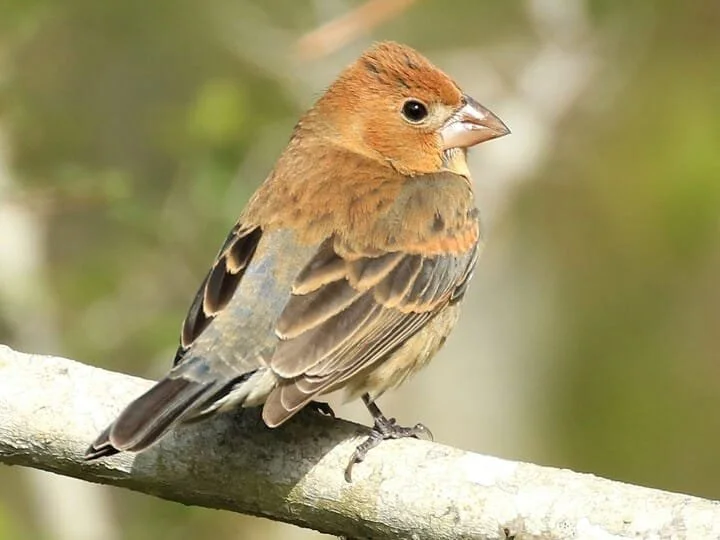
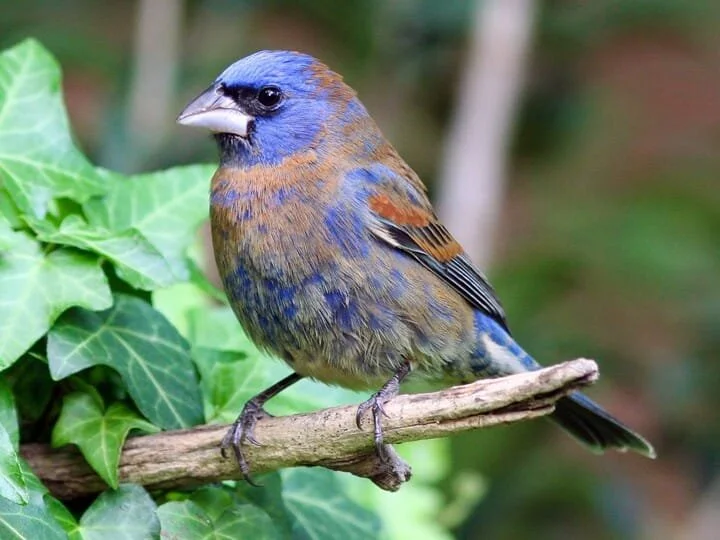
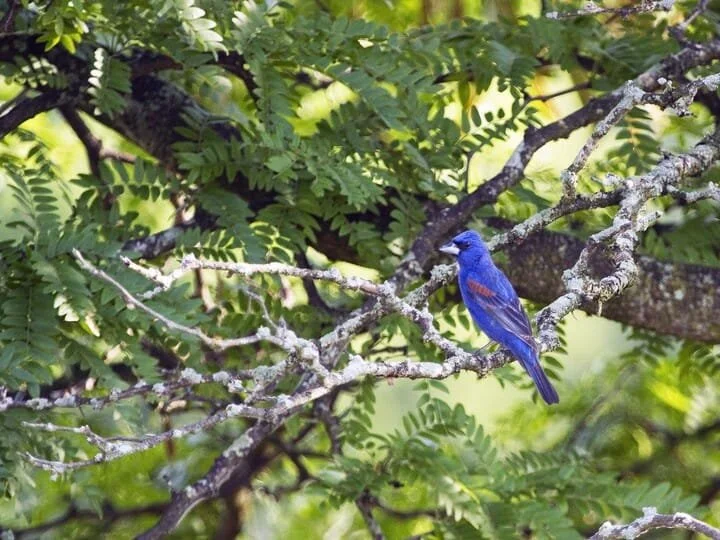
BLUE GROSBEAK
Bird Code: BLGR
Identify this bird by
Stocky songbird with a very large, triangular bill that seems to cover the entire front of its face
Both sexes have two wingbars; the upper is chestnut and the lower is grayish to buffy
Tell males and females apart by…
Adult males are deep, rich blue with a tiny black mask in front of the eyes, chestnut wingbars, and a black-and-silver beak
Females/juveniles are primarily rich cinnamon-brown. The color is richer on the head, paler on the underparts; their tails are bluish
Look for…
Behavior - unobtrusive despite their bright colors, although in summer males frequently sing their pleasant, rich, warbling songs
Listen for…
Song: a rich, musical warble continuously for 2 or 3 seconds.
Call: A metallic chink
Resources:
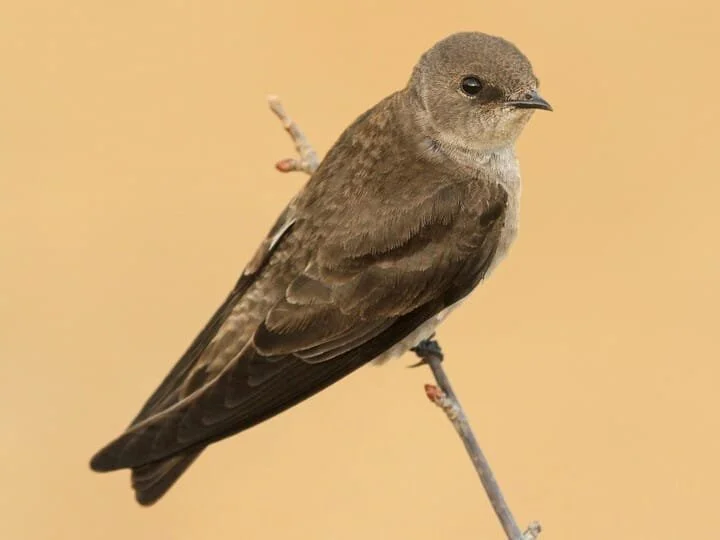
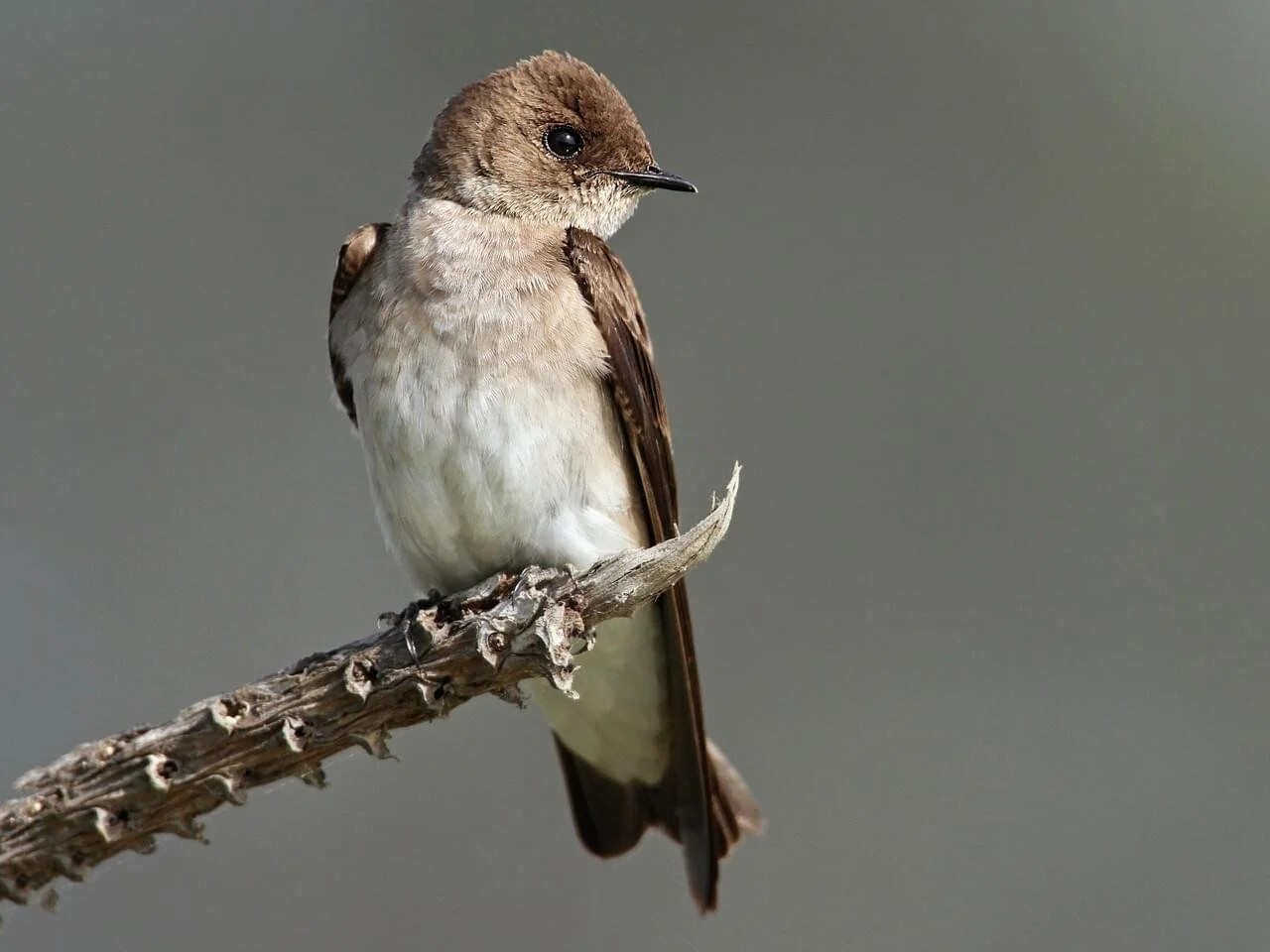
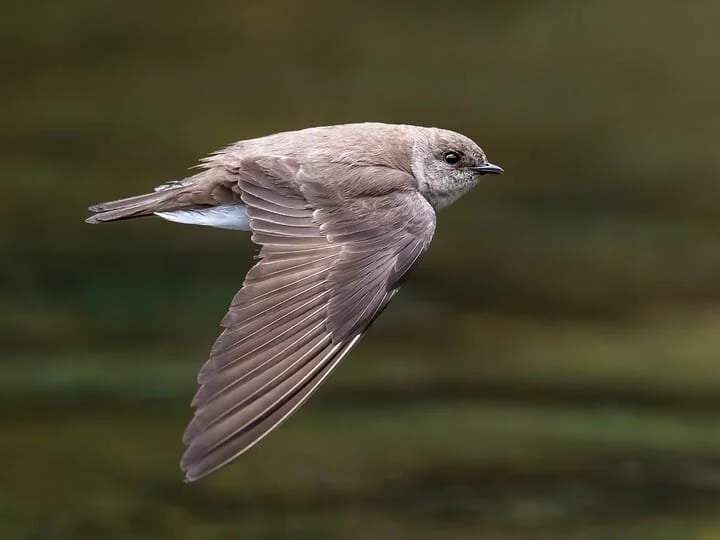
Northern Rough-winged Swallow
Bird Code: NRWS
Identify this bird by…
Plain brown above with an indistinct brown wash across the throat and breast.
Wings are relatively broad, tail is short and square.
Tell it apart by…
Differentiate from Bank Swallow by dingy brown chest and throat instead of chest band
Listen for…
Songs: It’s a rarely heard song that is faint, gurgling, and hoarse-sounding, almost like star-wards lasers
Calls: Generally quiet, except during nest building and egg laying, when they give a soft, slightly rising liquid churt.
Resources:
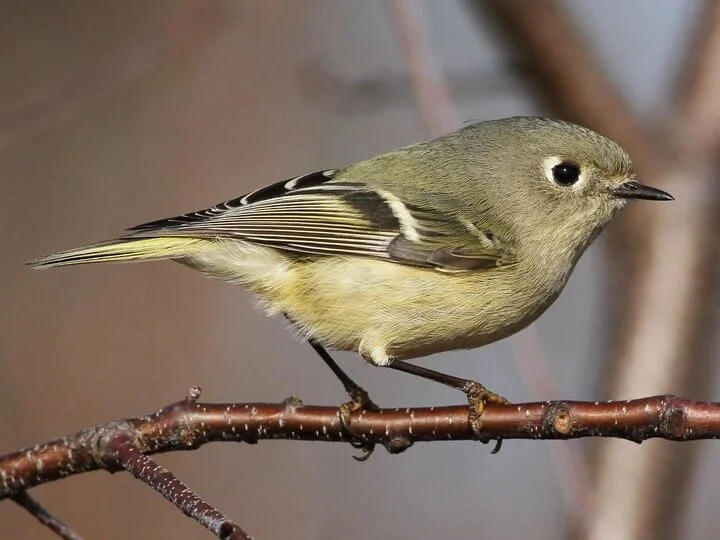
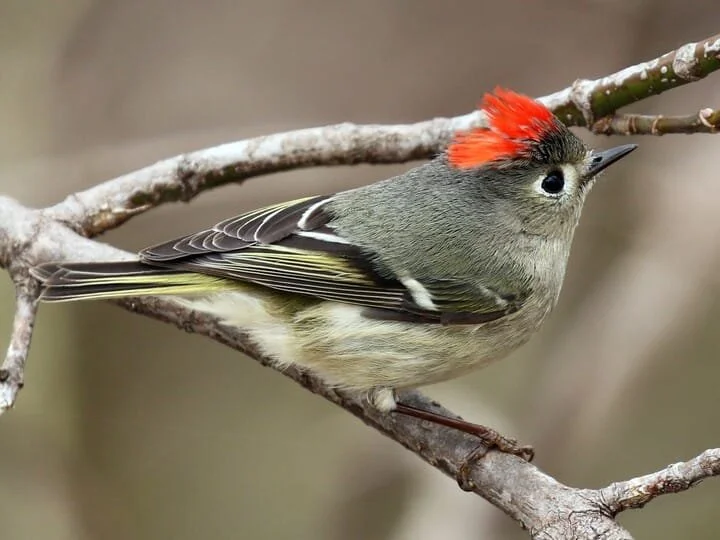
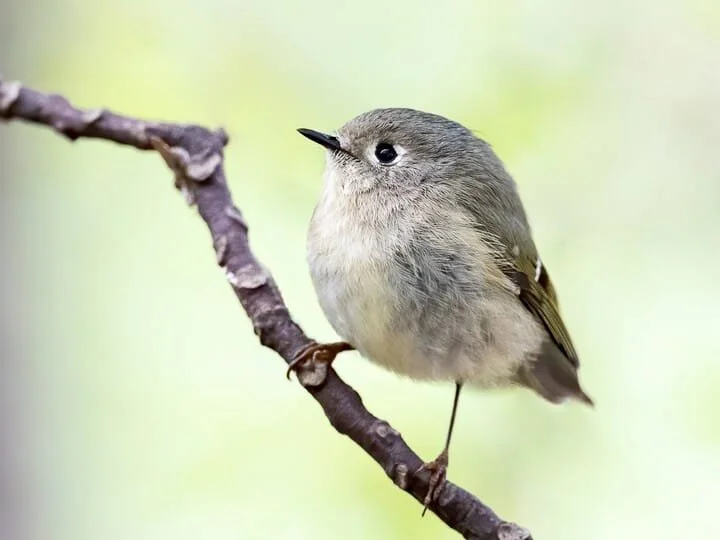
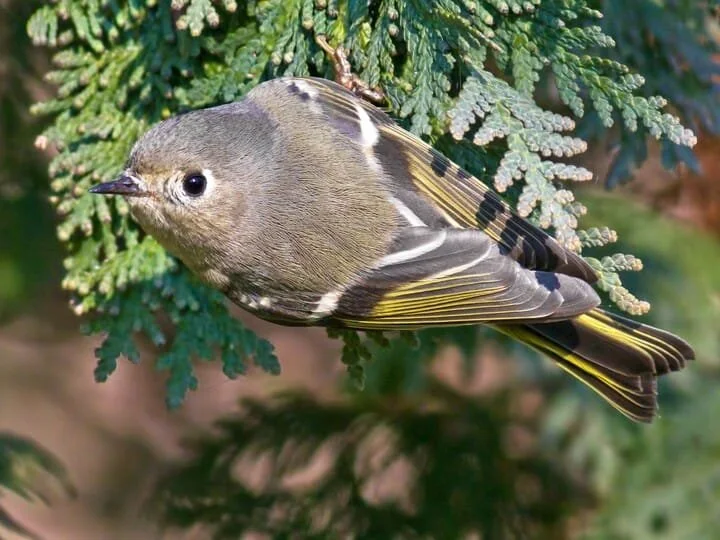
Ruby-crowned Kinglet
Bird Code: RCKI
Identify this bird by…
Tiny, songbird with short tail, and tiny beak
Olive-green with prominent white eyering and wingbar and yellow-edged flight feathers
Males display hidden red crown when excited
Look for …
Behavior: acrobatic and nervous, frequently flicks wings while foraging low in trees and shrubbery
Listen for…
Songs: Jumbled and distinctive song starting with whispery, high intro notes that escalate into musical twittering, ending with loud series of 2-parted notes
Calls: Harsh, fast, 2-parted scold
Resources:
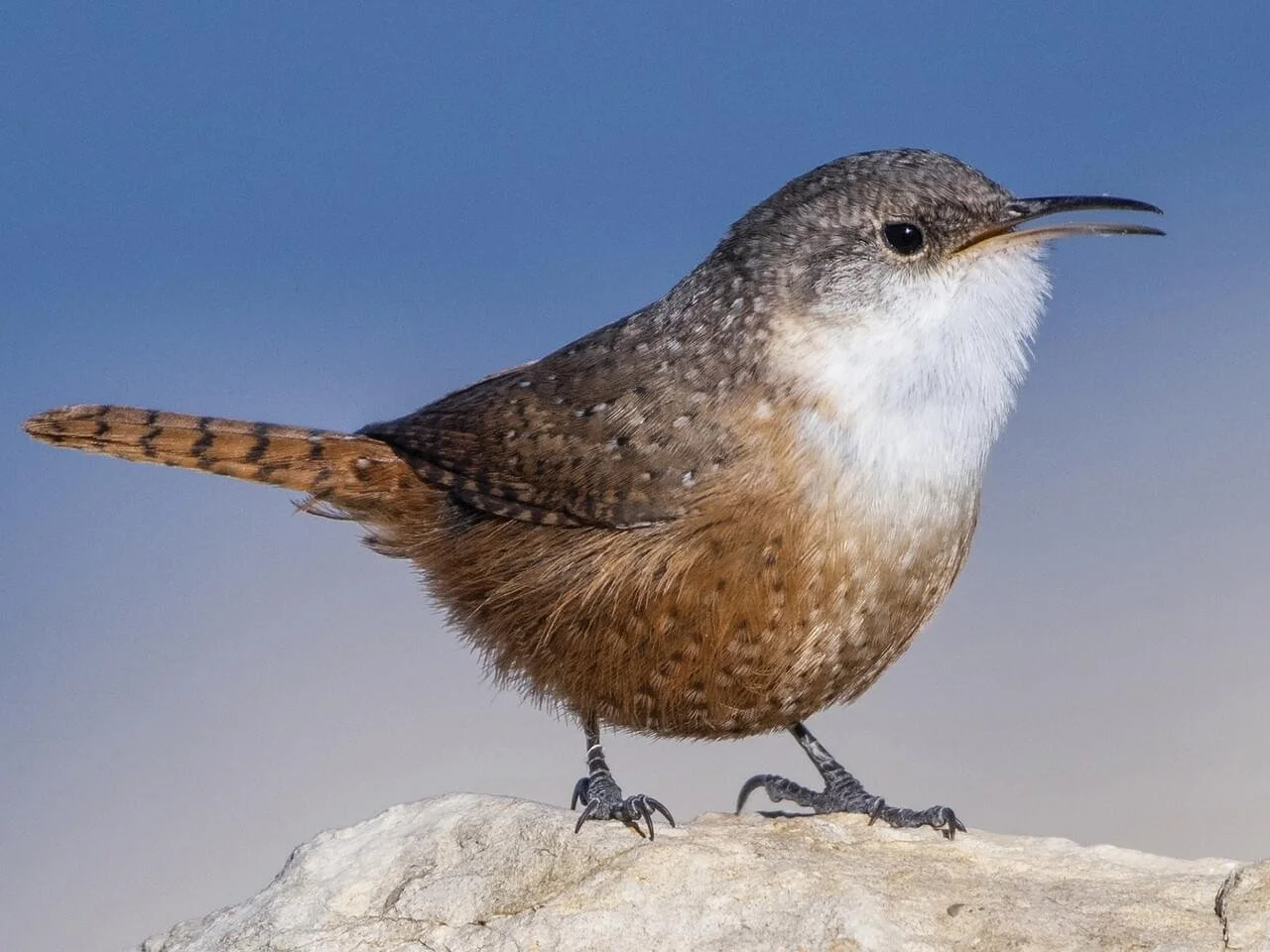
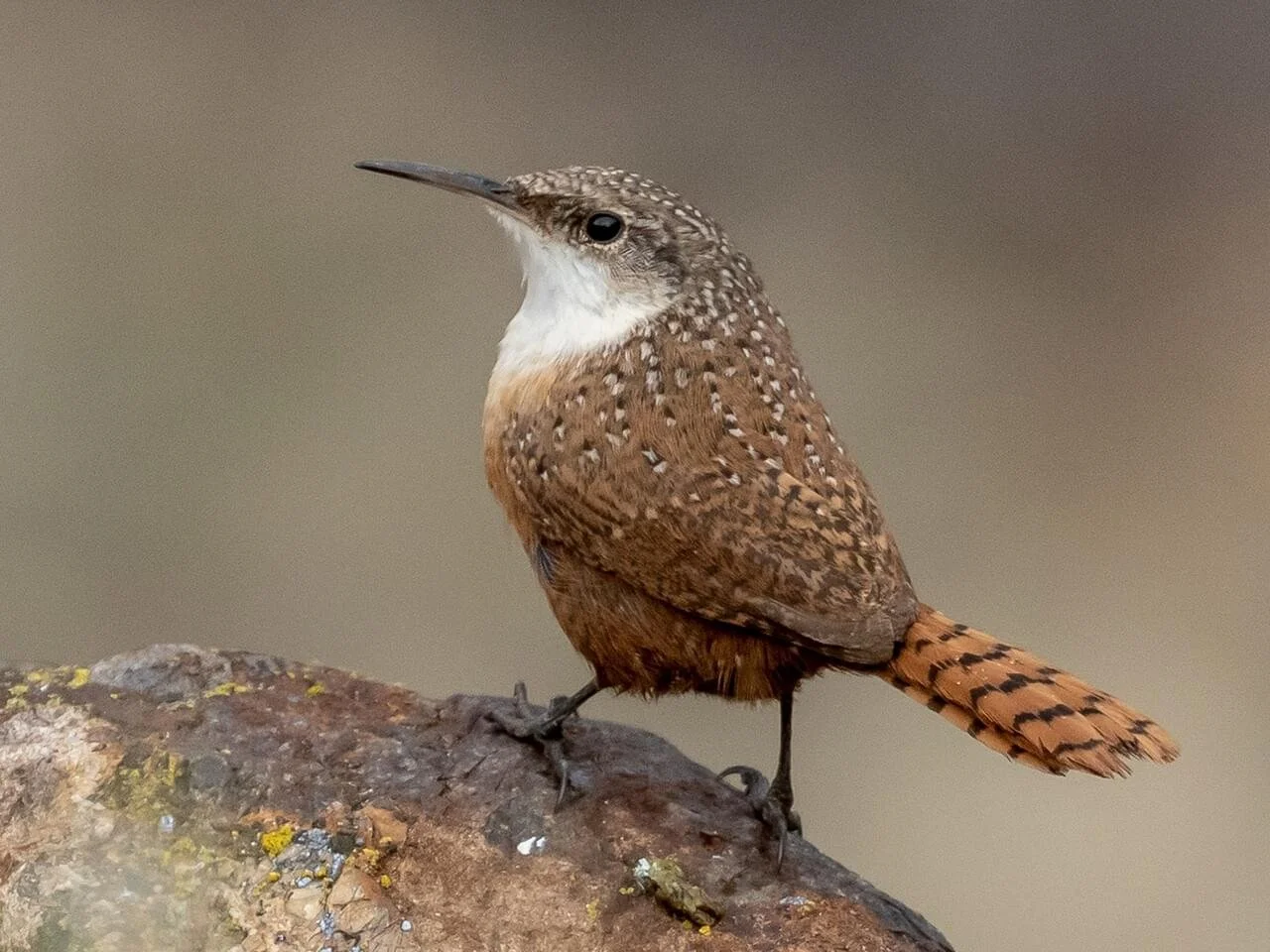
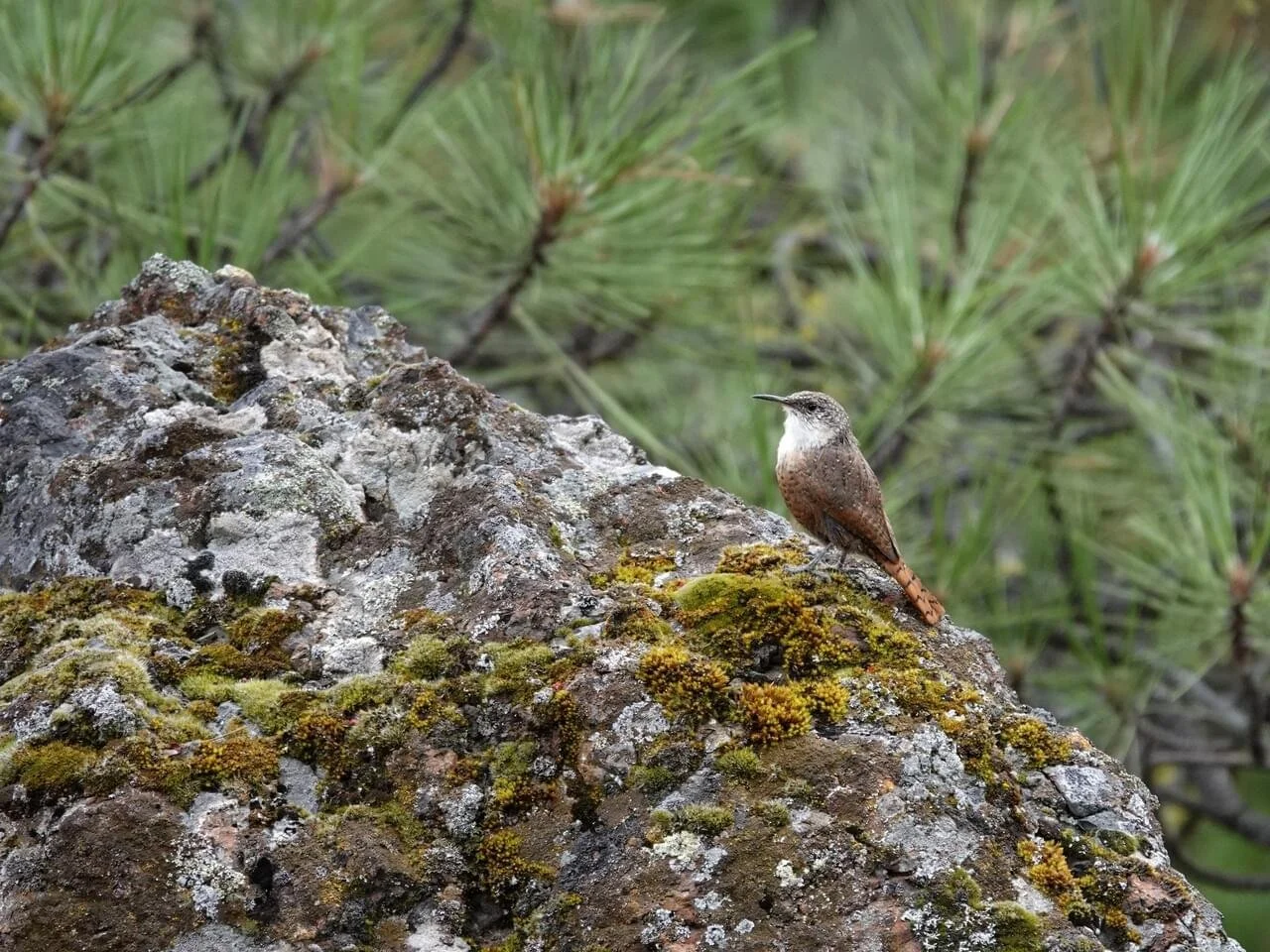
Canyon Wren
Bird Code: CANW
Identify this bird by…
Medium wren with stocky chest and a long, curved bill and a long tail
Rusty-brown overall with a white throat and barred wings and tail. Head more gray, and head, chest, back, and wings speckled black and white
Look for…
Habitat: Found near rocky outcrops, canyons, cliffs, and boulder piles
Behavior: Often bobs up and down
Listen for…
Song: A descending cascade of liquid notes ending in doubled mewling notes, sometimes sang as duets, that bounce off canyon walls
Calls: Scratching-sounding “tsee” given in many varieties for contact and alarm calls
Resources:
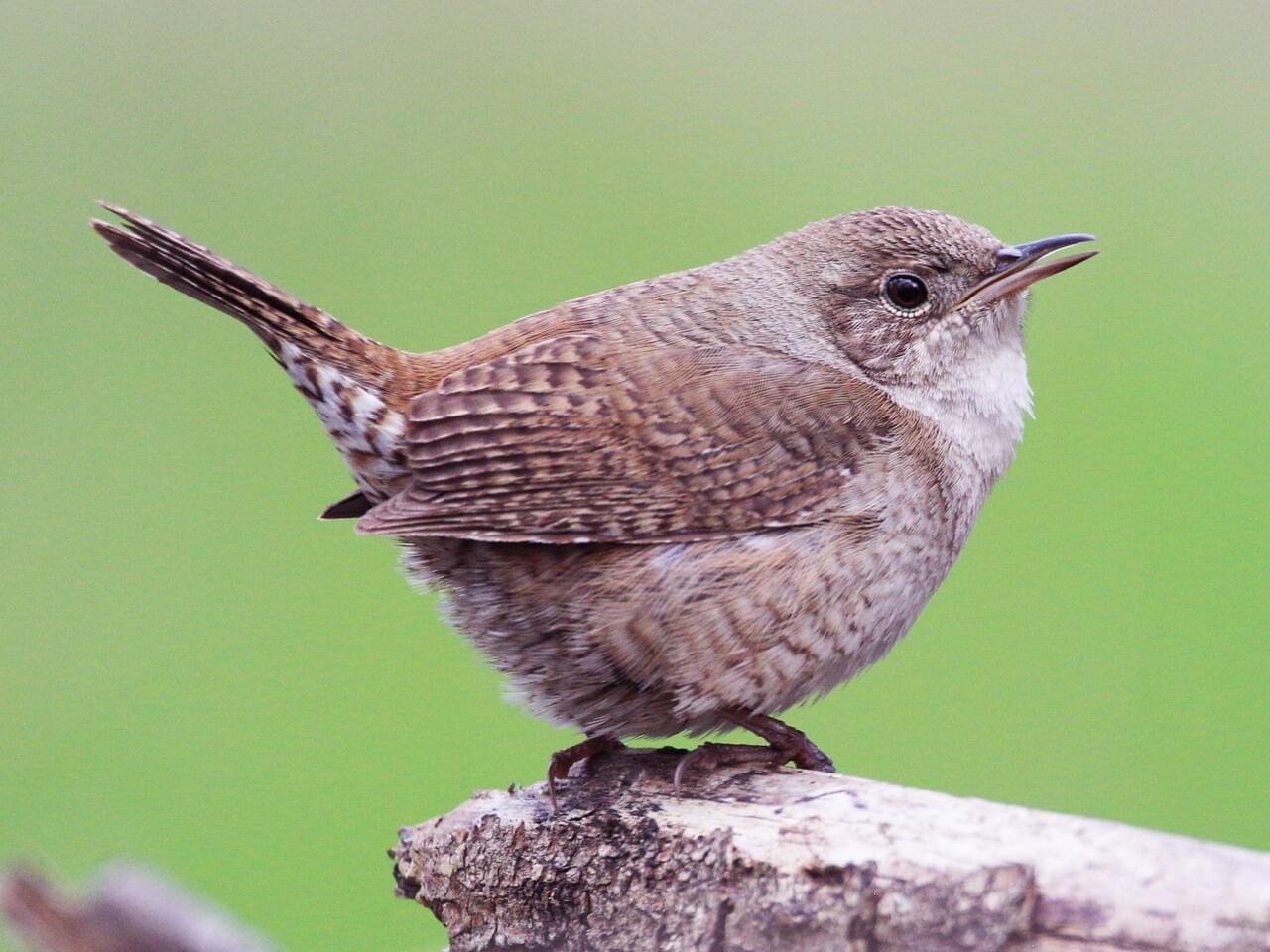
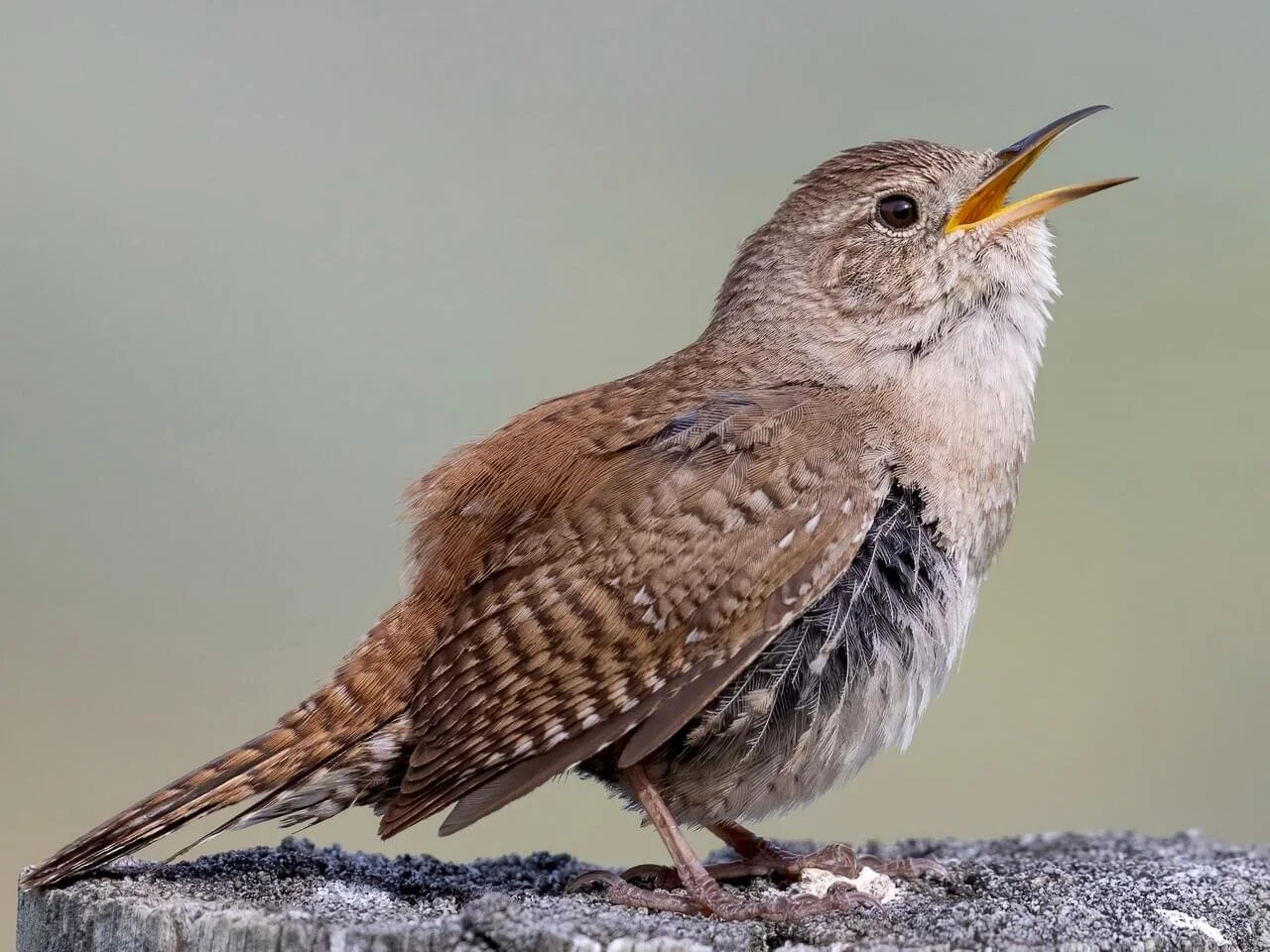
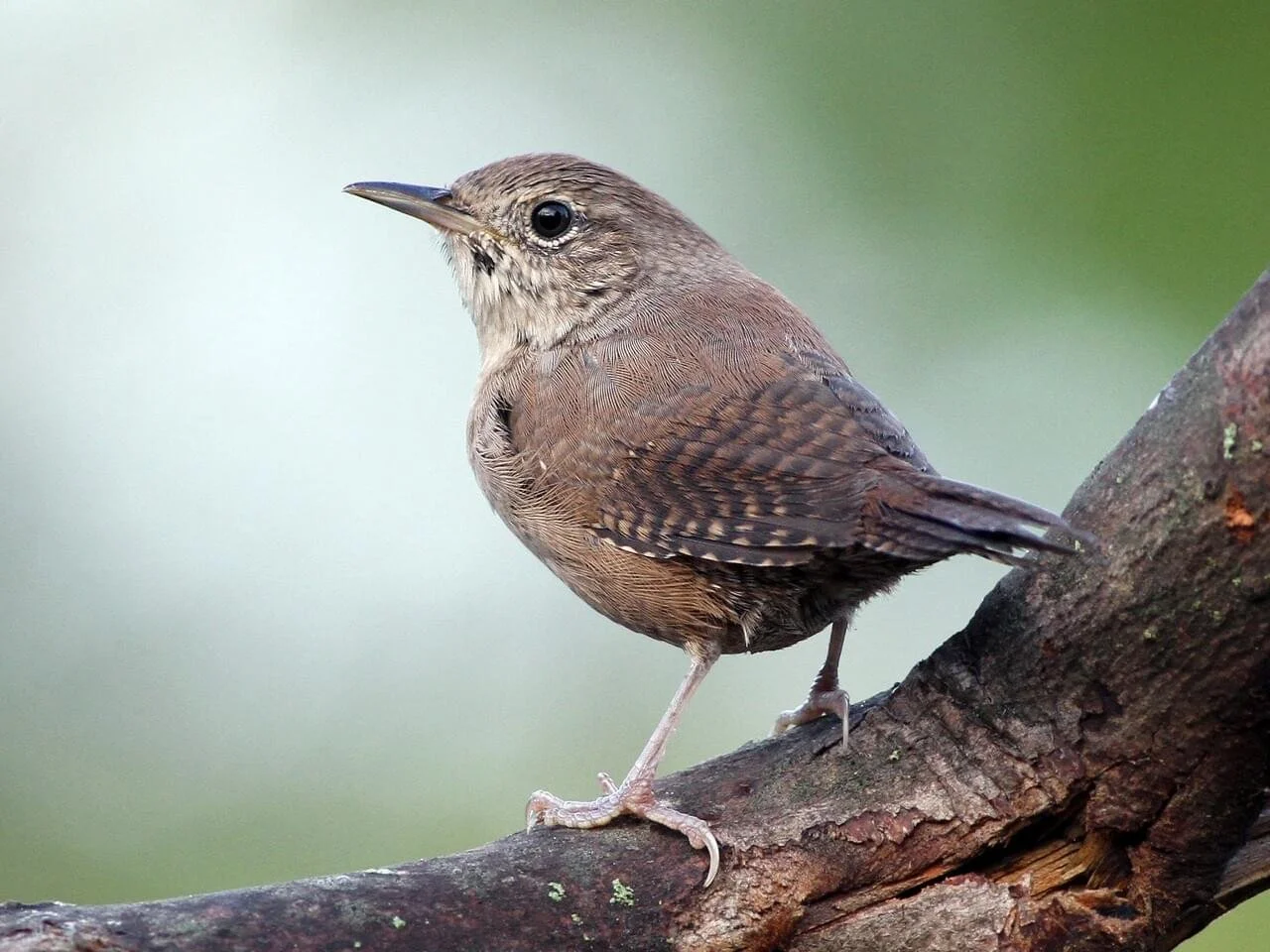
Northern House Wren
Bird Code: NHWR
Identify this bird by…
Small round bird with thin beak and a short tail
Nondescript brown with dark barring overall, darker on wings and tail, contrasting with paler throat
Look for…
Behavior: forages low in tree branches and shrubs, eating insects and spiders
Habitat: variety of habitats with trees/wood building
Listen for…
Song: Long bubbling song introduced with a few abrupt churrs, generally ascending, sometimes sung as duets
Calls: Makes a variety of harsh scolding sounds in response to nearby predators
Resources:
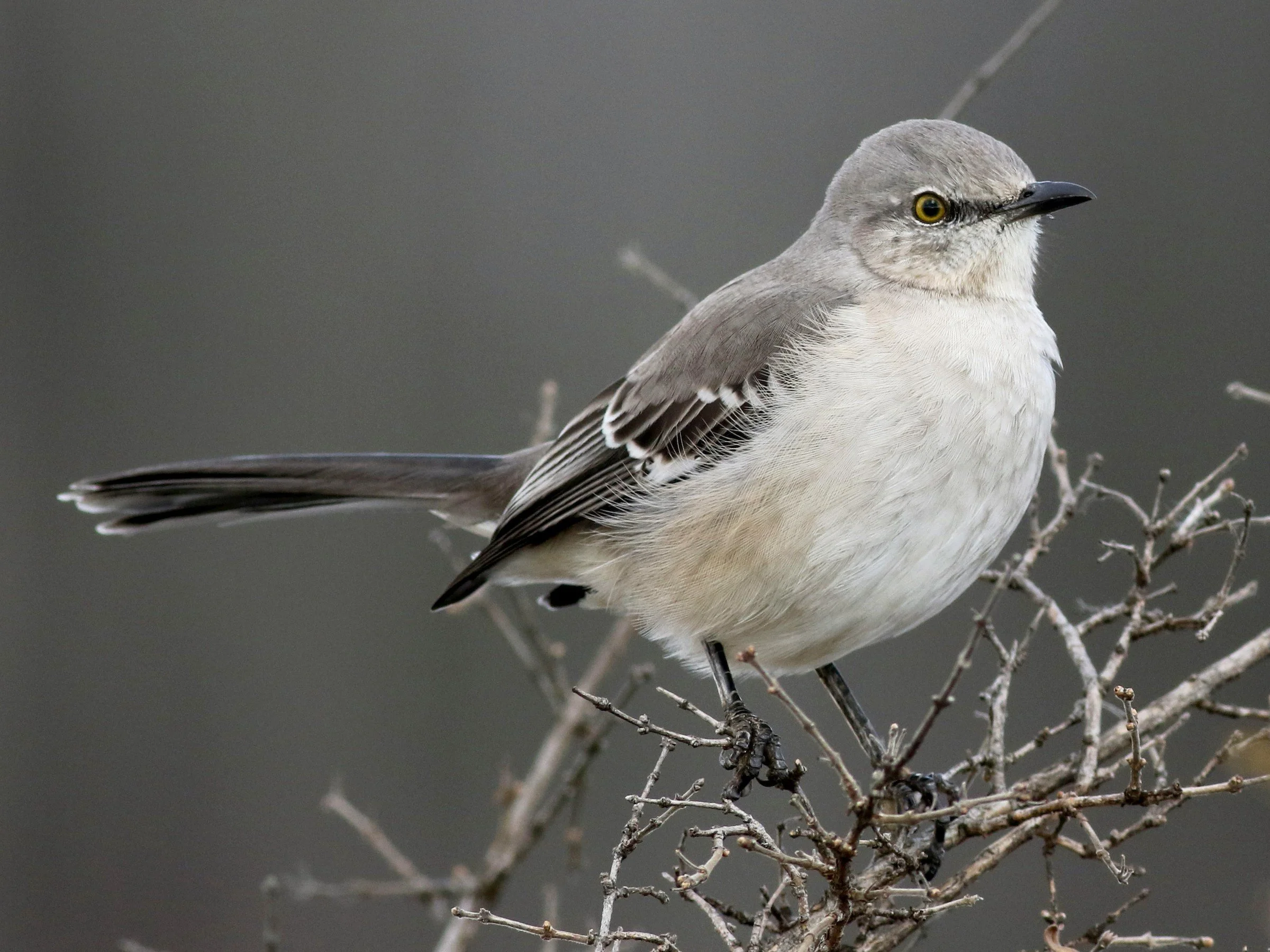
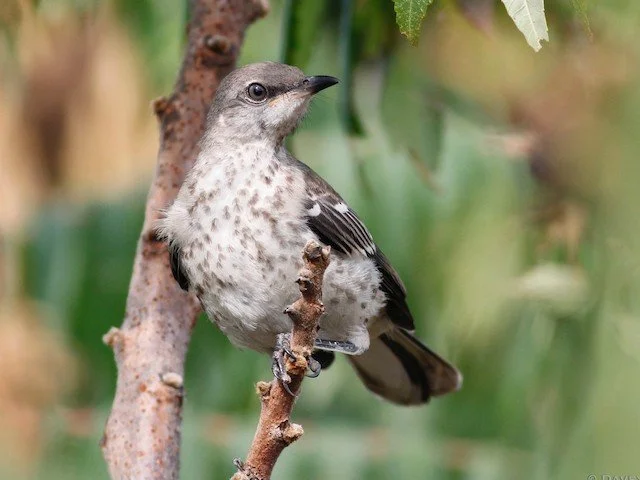

Northern Mockingbird
Bird Code: NOMO
Identify this bird by…
Medium-sized songbird with a relatively long tail, small, round head, and short bill.
Gray above and paler whitish below with white wingbars and large white patch at primary base. Face plain with black eyeline and white eyering
Look for…
Behavior: often runs and hops along the ground alone or in pairs, or sits conspicuously in high areas
Habitat: Found in mixed forest/open habitats like forest edges, towns, and suburbs, and open land
Listen for…
Songs: Long series of phrases repeated 2-6 times before moving to a new sound. Phrases include whispers, rasps, trills, and scolds. They often mimic other birds around them, learning songs throughout their lives.
Calls: A harsh, dry chew or hew when mobbing nest predators or chasing competitors, or a series of 2-8 short, scratchy chat calls to warn off intruders
Resources:
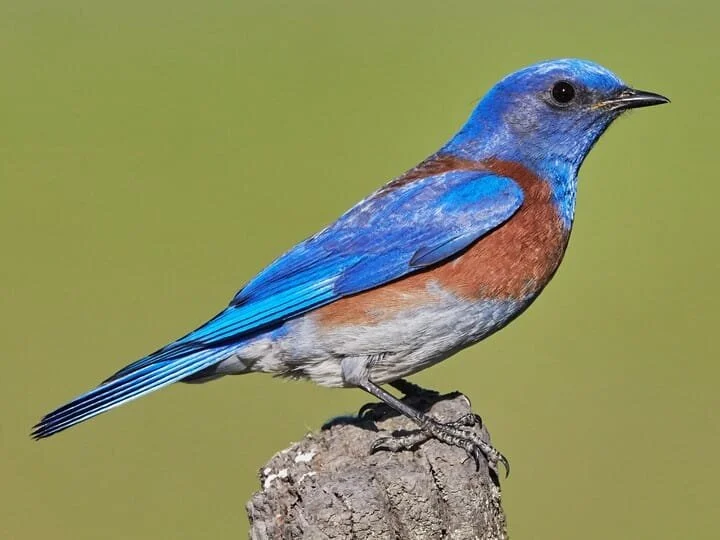
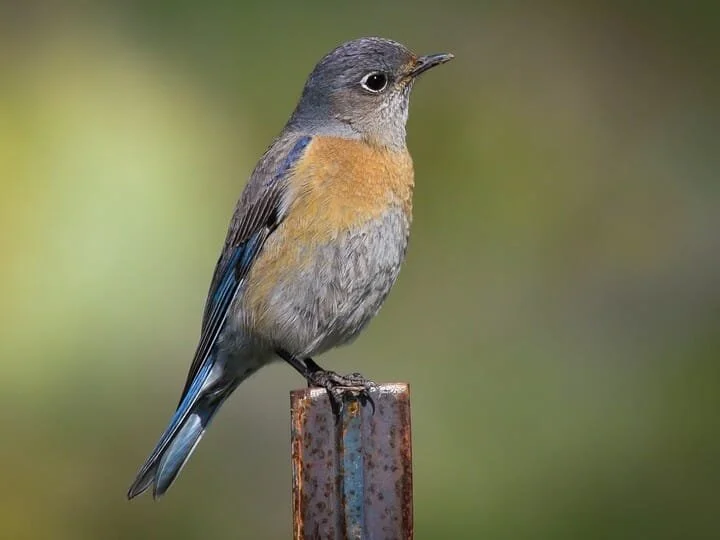
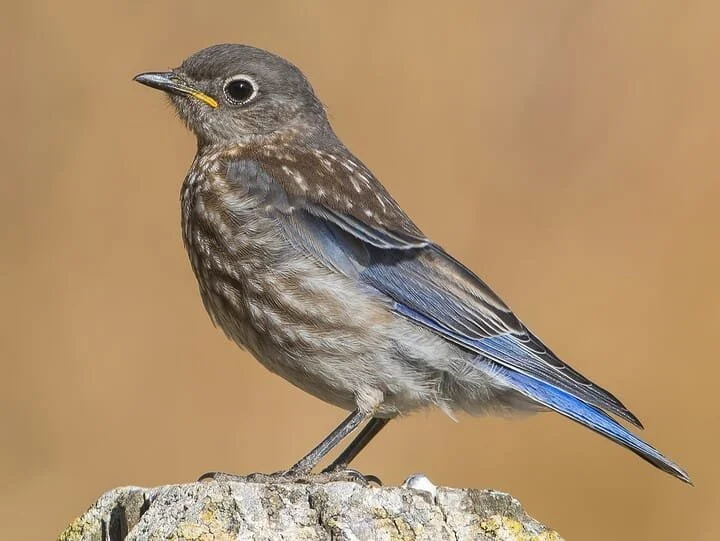
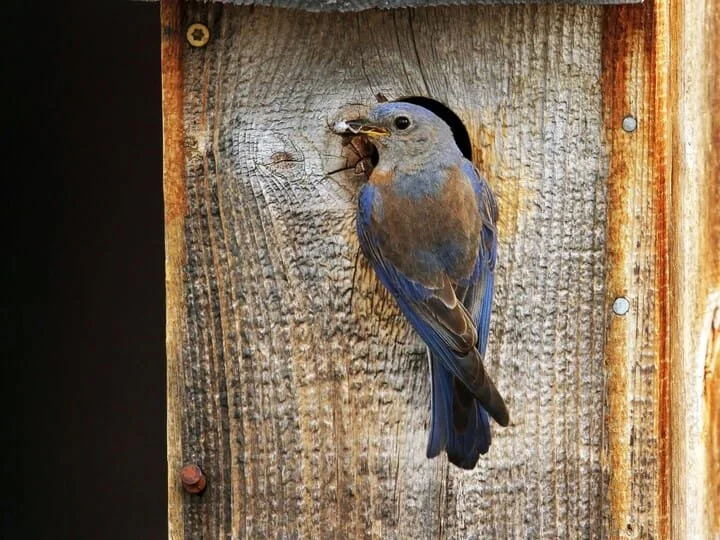
Western Bluebird
Bird Code: WEBL
Identify this bird by…
Small stocky thrush with a thin bill and short tail
Males are bright blue with rust-orange on sides, chest, and back and a white belly
Females are duller than males with pale throats
Juveniles are spotty gray-brown with blue tinged wings and tail
Look for…
Habitat: found in open woodlands, burned forests, farms, and backyards
Listen for…
Song: A “kew” note shdowed by similar stuttering slurs/whistles
Calls: Often a less stuttered variation of song or chatters
Resources:


House Sparrow
Bird Code: HOSP
Identify this bird by…
House Sparrows are more chunky and full-breasted than American sparrows and also have a larger, rounded head, shorter tail, and stouter bill
Black bill, and chestnut back, wings, and tail with black barring
Tell males and females apart by…
Males have gray crown, white cheeks, a black bib, a chestnut neck, and white underparts
Female are plain, brown overall with dingy gray-brown underparts, brown crown and brown eyeline
Listen for…
Call: The House Sparrow sings a series of nearly identical chirps. Listen to the toneless quality, and the downward inflection of these chirps. They also rattle and chatter.
Resources:
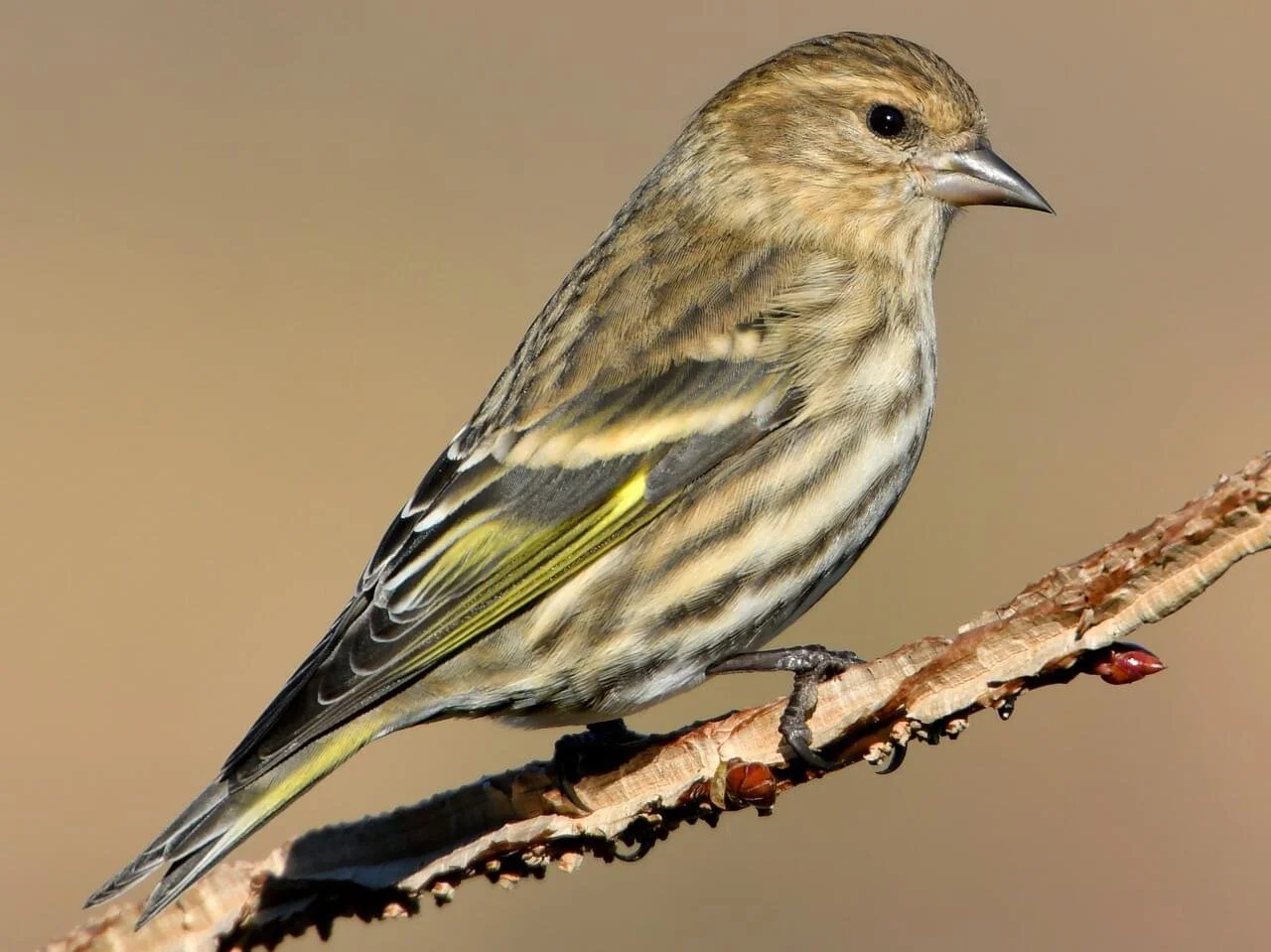
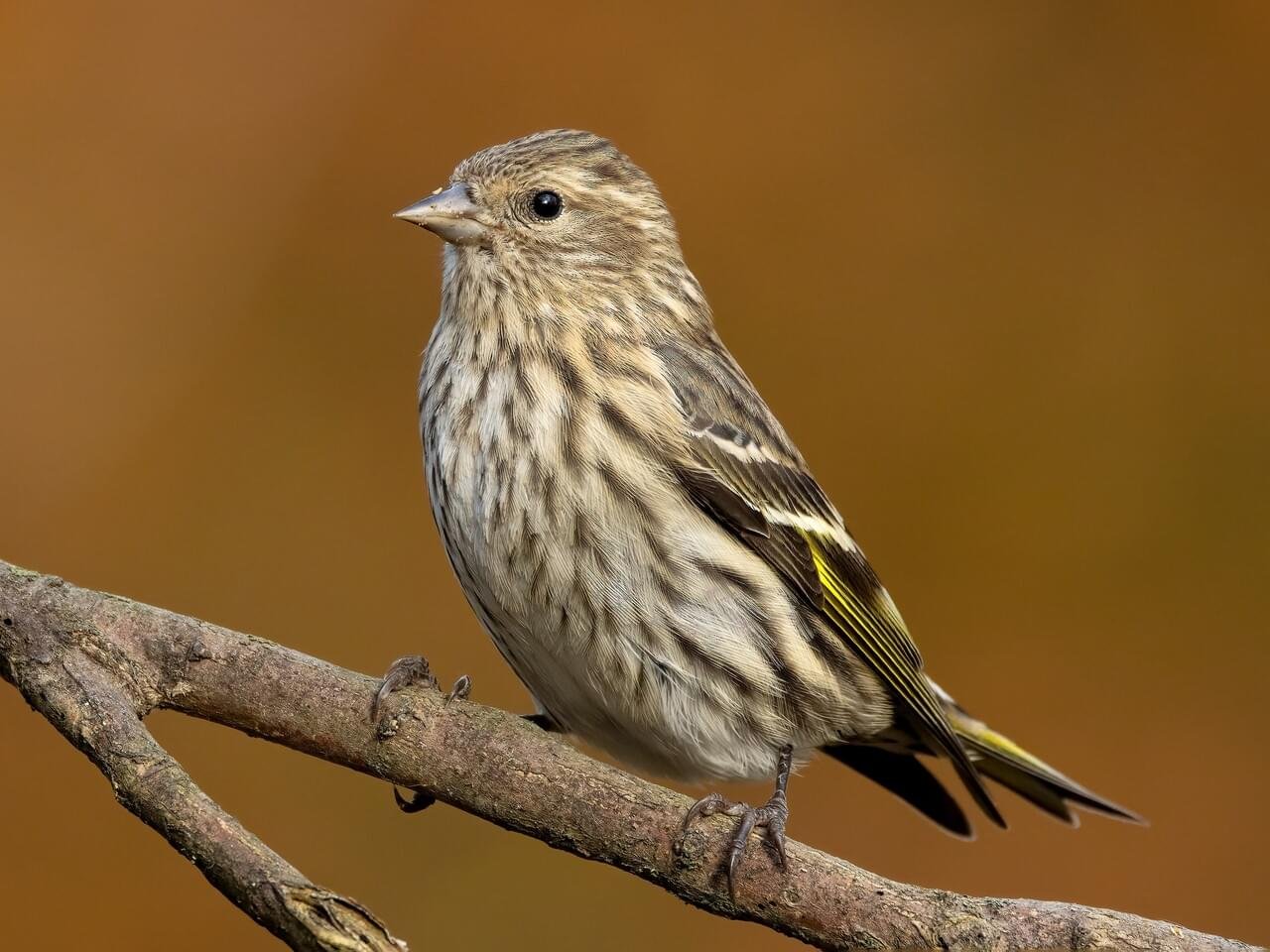
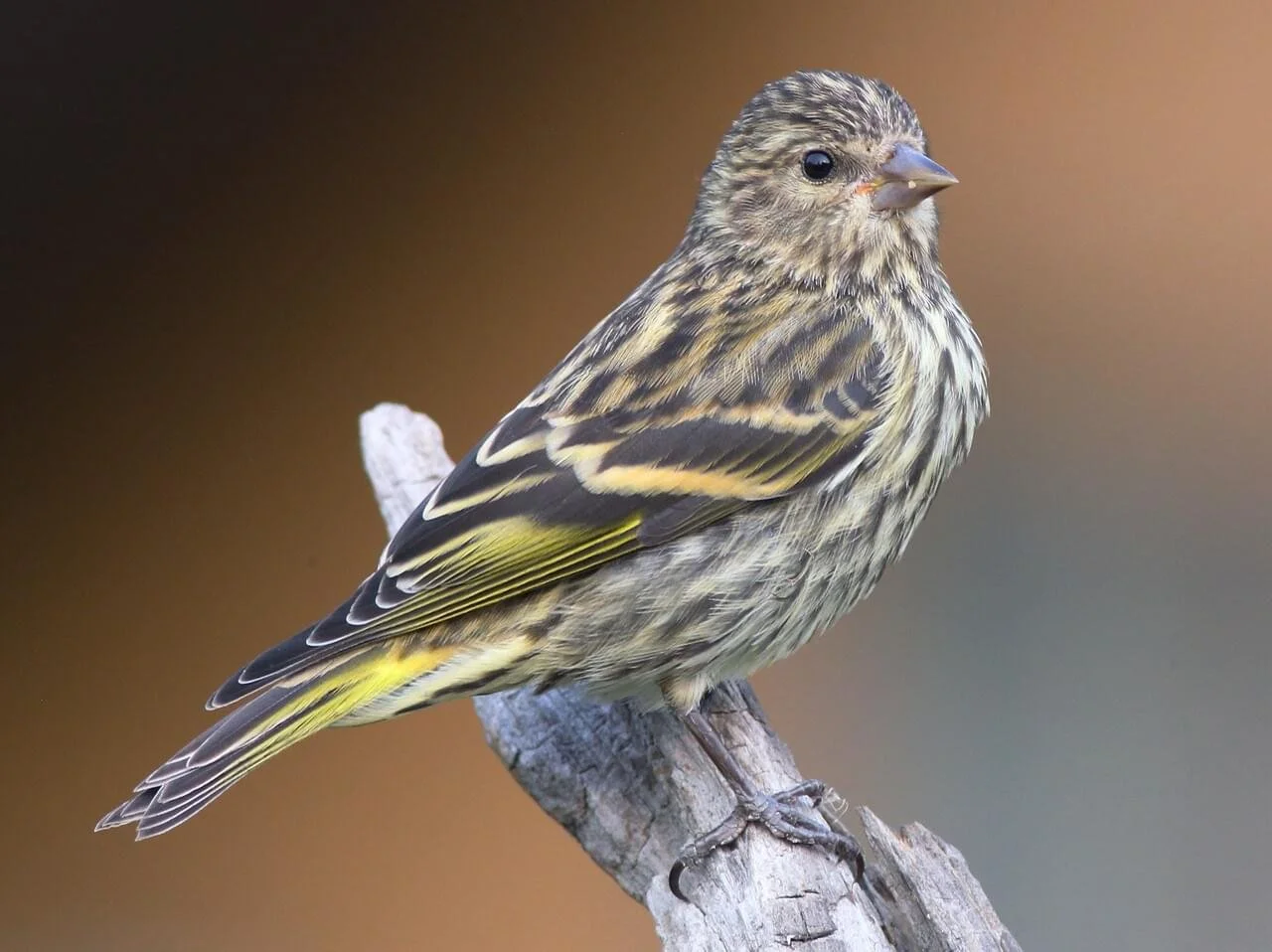
pine siskin
Bird Code: PISI
Identify this bird by…
Very small songbirds with short, notched tails. Sharp, pointed bill is more slender than most finches
Brown and very streaky with subtle yellow edgings on wings and tail
In flight, look for their forked tails and pointed wings
Look for…
Behavior - They are gregarious, foraging in tight flocks and twittering incessantly to each other, even during their undulating flight
Listen for…
Song: a rapid jumble of husky notes. The rough, rising buzz “zhreeeeeeeee” (thought of as a zipper) can be interspersed in the song, and is a dead giveaway
Call: The unmistakable “zhreeeeeeeee”
Resources:


American Goldfinch
Bird Code: AGOL
Identify this bird by…
Tiny bird with a cone-like bill and short, notched tail
Breeding males have yellow body, black wings with extensive white wingbars and edging, black cap on forehead, and orange bill
Females have grayer cap and duller yellow
Non-breeding males buffy except head
Tell it apart by…
Larger size compared to Lesser Goldfinch
White undertail, and lacks olive neck and back
Listen for…
Call: 4-5 sweet notes is sometimes thought of as “potato chip” or “per-chick-o-ree.”
Song: long series of upbeat twitters and warbles. Listen closely for the “per-chick-o-ree”
Resources:
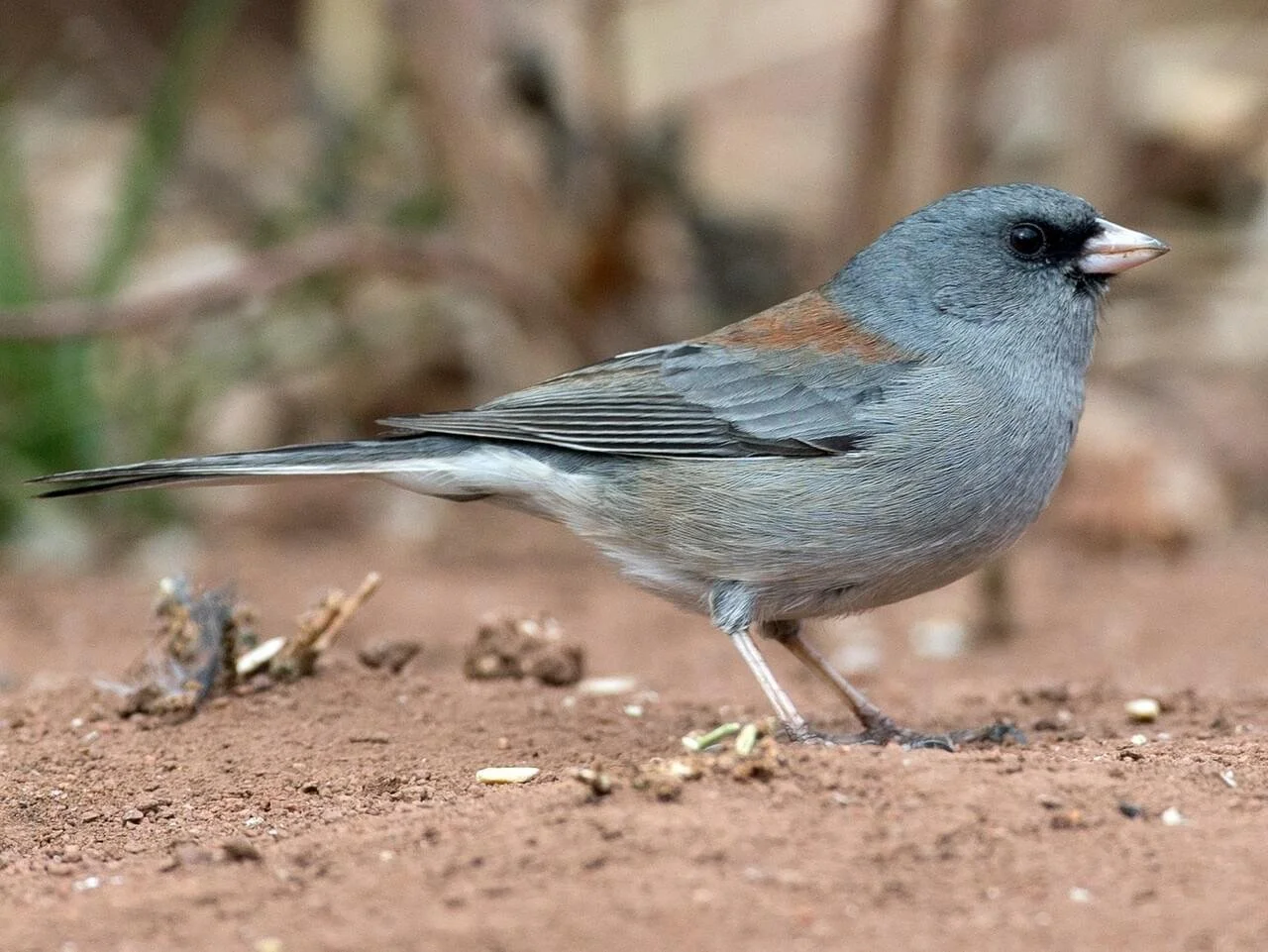
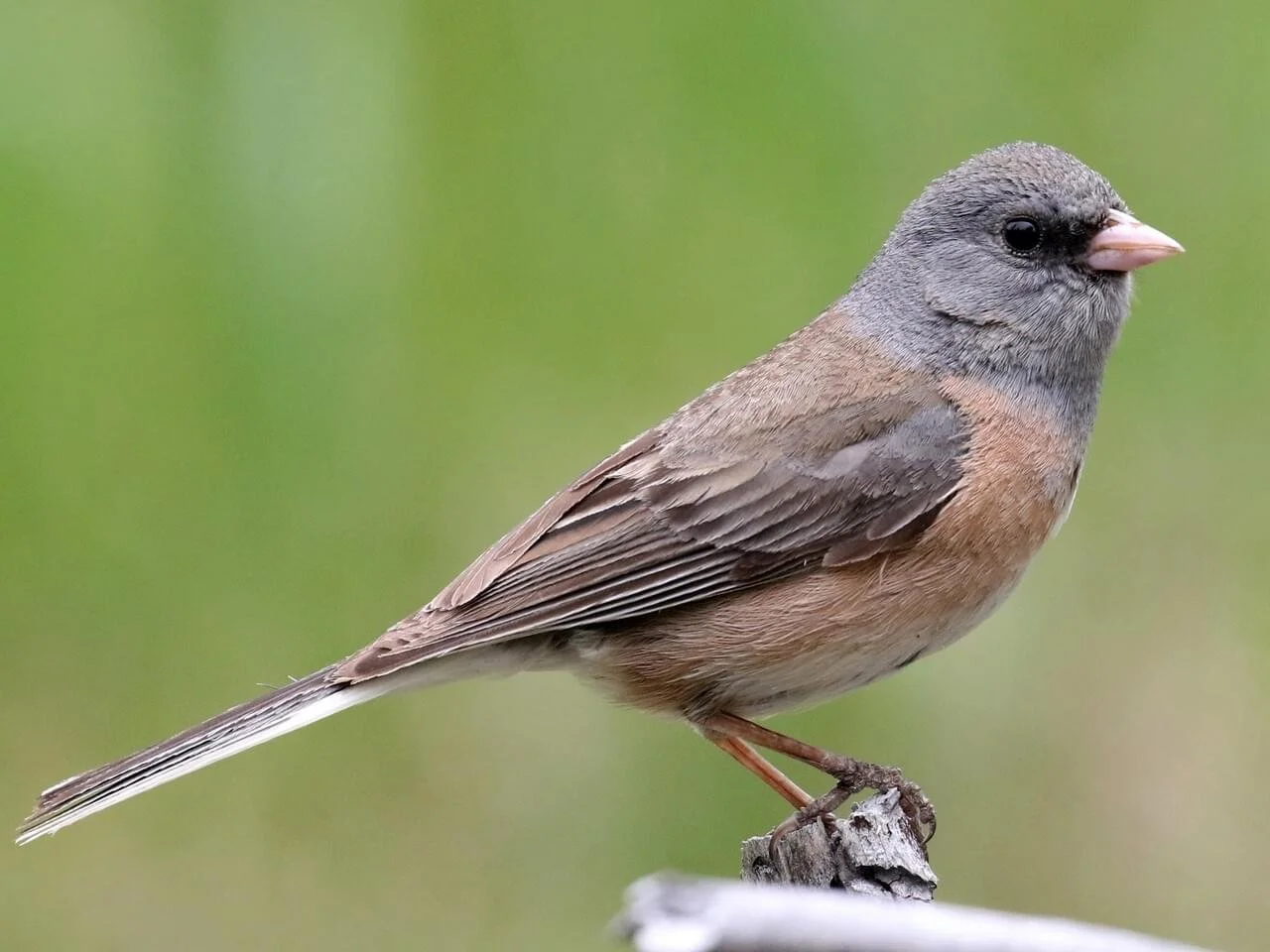
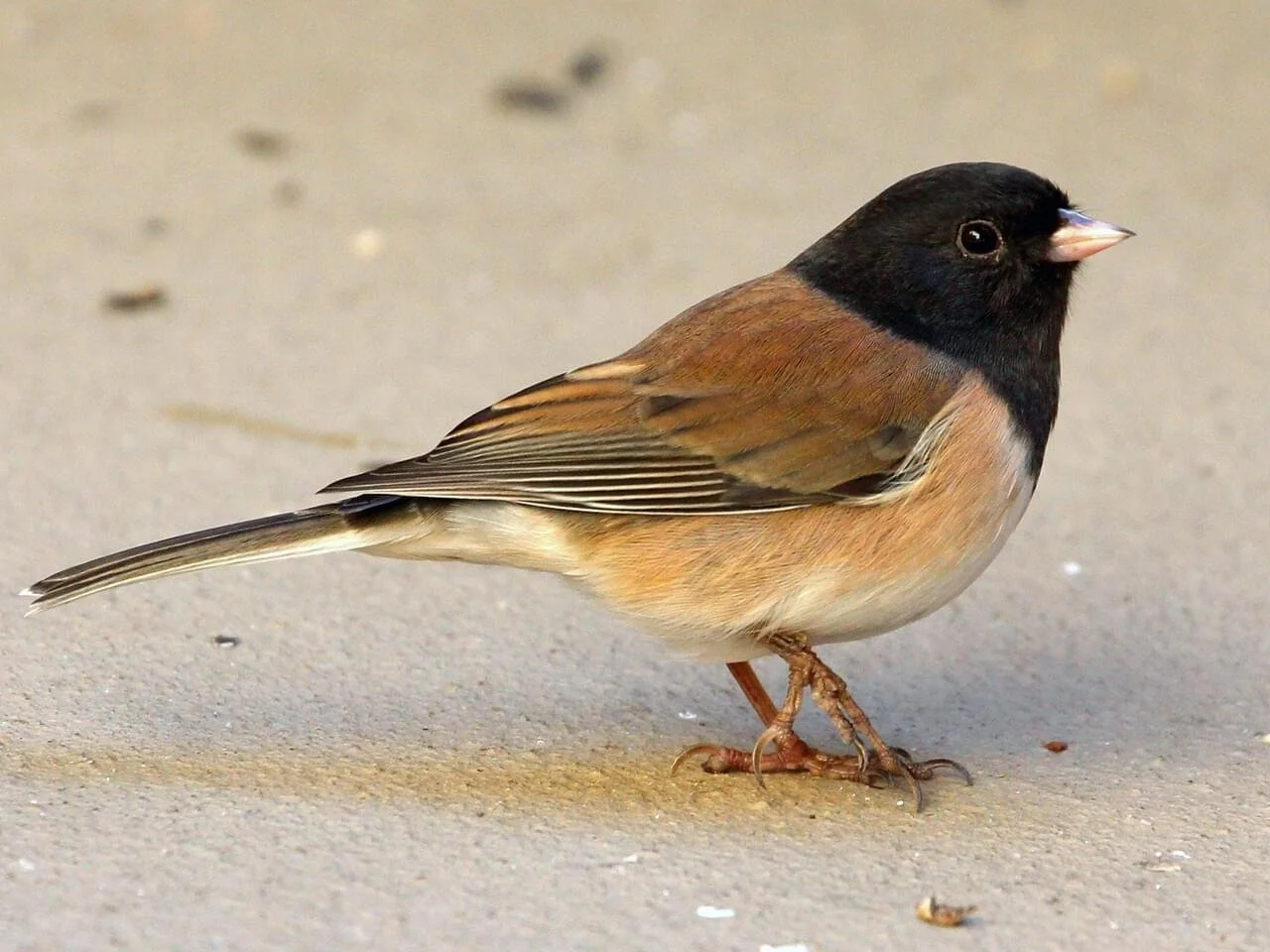
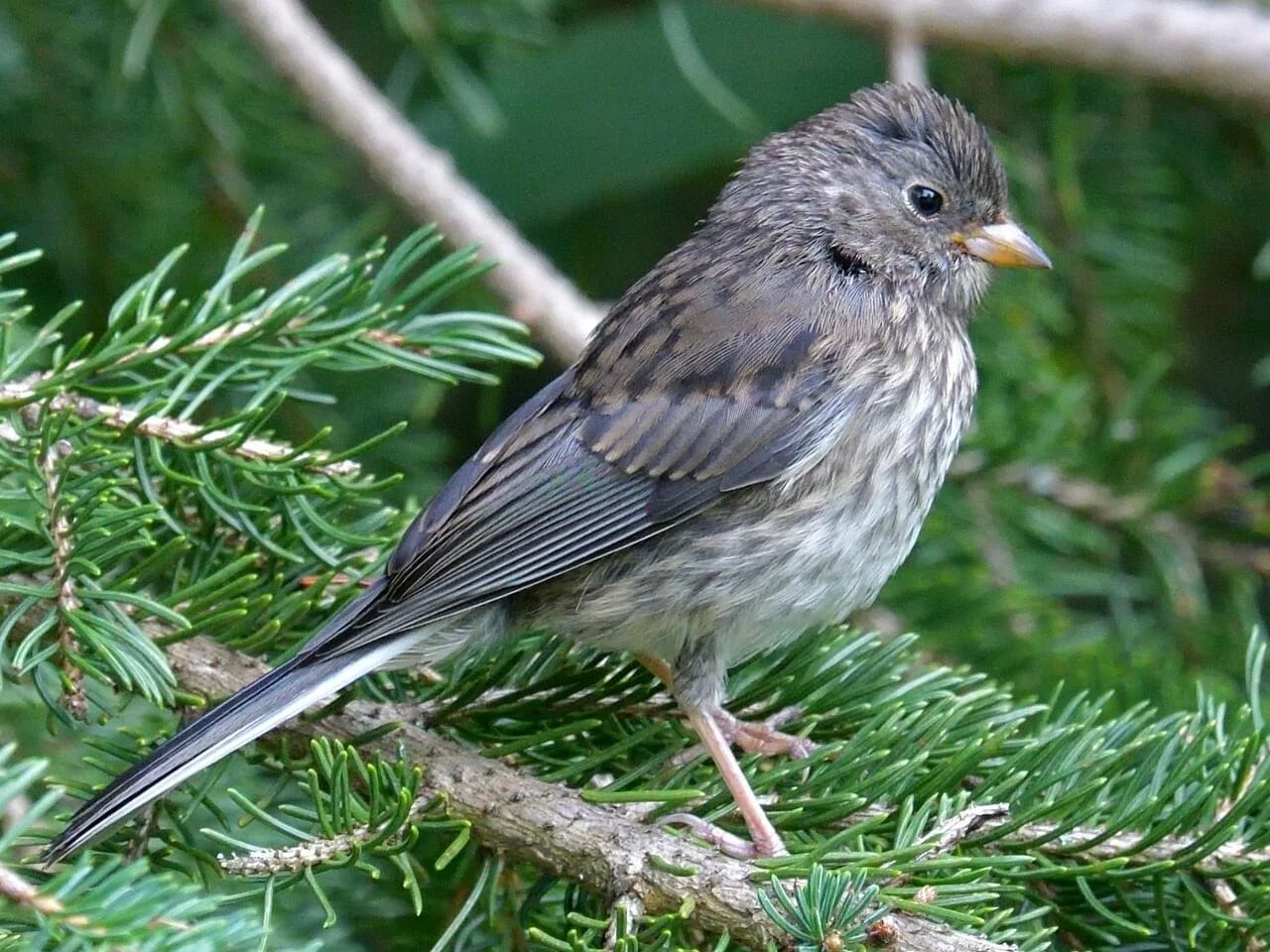
(Gray-headed) DARK-EYED JUNCO
Bird Code: DEJU (GHJU)
Identify this bird by…
Small, slender songbird with a round head, short pink bill, and fairly long tail
Often hopping on ground or in low shrubs
When in flight, look for the white" “V” formed by their outer tail feathers
A tricky note…
There are six different races of Dark-eyed Juncos with different color patterns - study with links below
The most common race on the Colorado Plateau is the Gray-headed: dull gray overall with black face mask, a rusty saddle on back, and white vent
Some other races, such as Oregon Junco and Pink-sided Junco, are occasionally seen
All have the white “V” in their tails when they fly
Listen for…
Song: A sweet trill with a slight inflection, as the song rises and then descends just slightly at the end. (Note that all subspecies sound the same)
Calls: A high, short chip note that they often give in rapid succession when they fly and more slowly as they forage.
Resources:
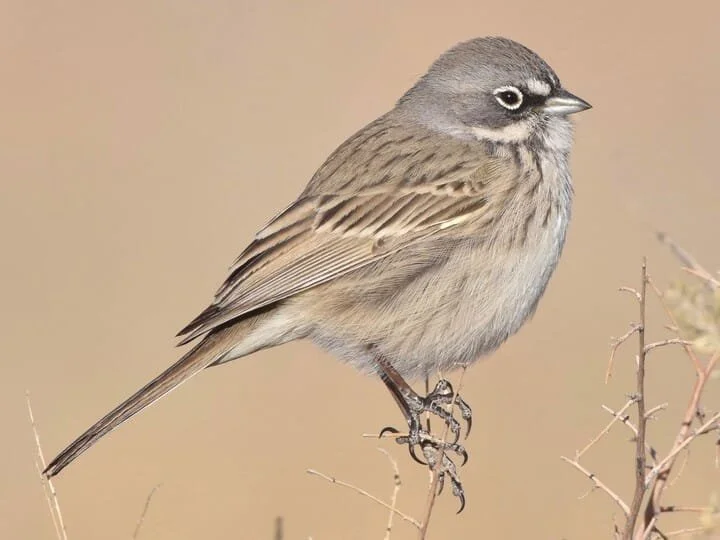
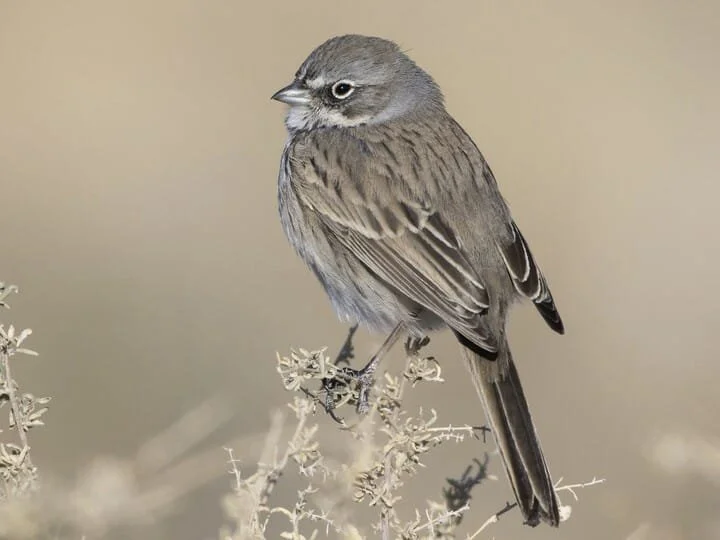
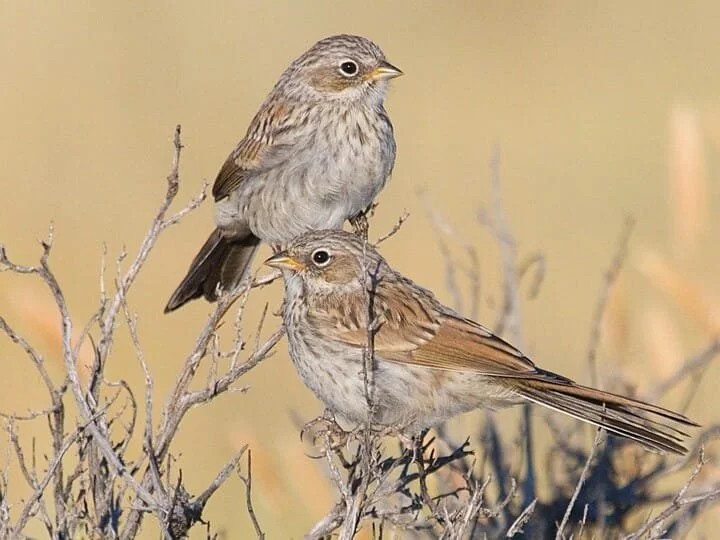
Sagebrush Sparrow
Bird Code: SABS
Identify this bird by…
Medium sparrow with a long tail and round head
Sandy-brown overall with subtly-patterns
Gray head with white eyerings, black mask, and white eyebrow spots, mustache, and throat. Whitish breast with dark central spotting. Thin dark streaking on pale brown back and sides
Look for…
Behavior: Spends time on ground hopping between shrub cover with tail raised
Habitat: Brushy areas of open spaces
Listen for…
Call: Bell-like tink call given for contact or harsher alarm
Songs: The song is a series of buzzy trills broken up by short, sweet chips
Resources:
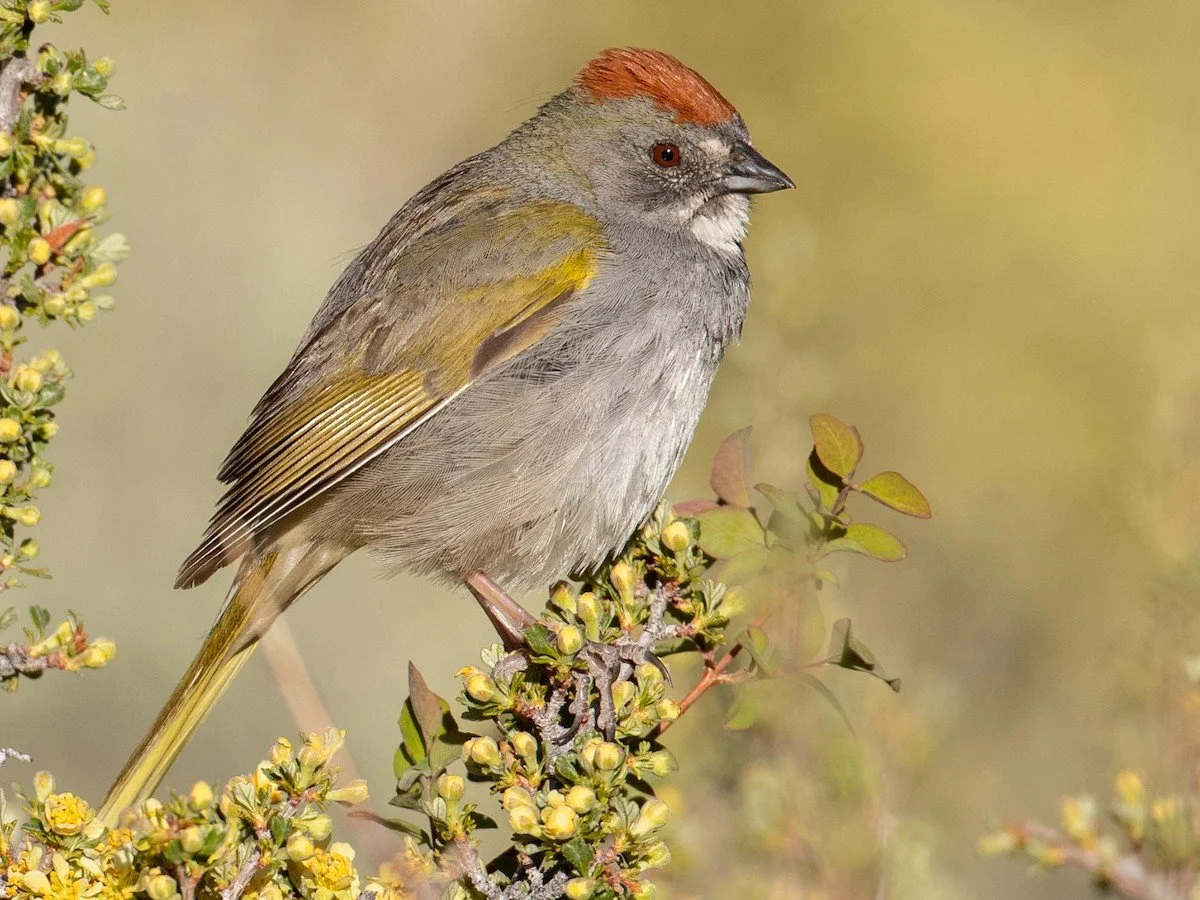


Green-tailed towhee
Bird Code: GTTO
Identify this bird by…
Large long-tailed sparrow with a thick bill
Gray body, fairly bright greenish wings and tail, rufous crown, and white throat
Look for…
Habitat: Montane dry, brushy habitat
Behavior: Found on ground or low in shrubbery
Listen for…
Song: Males sing a long, jumbled series of clear whistles and trills, often rapidly one after another
Calls: Distinctive mewing call that is thin, high, and rises in pitch.
Resources:
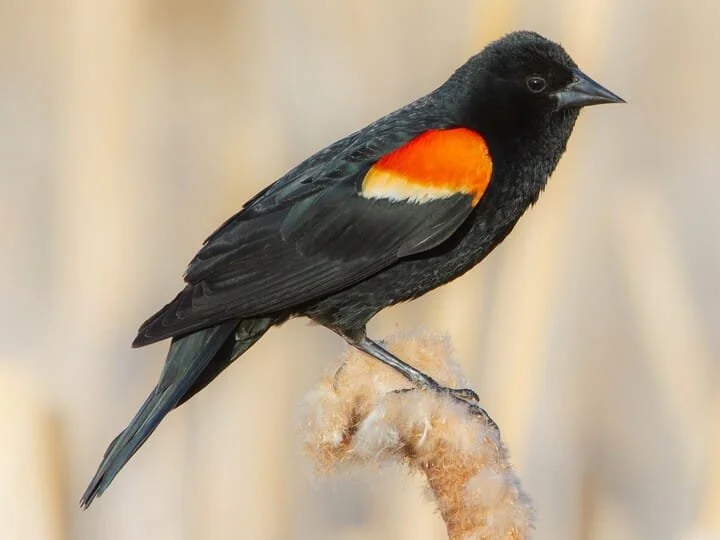
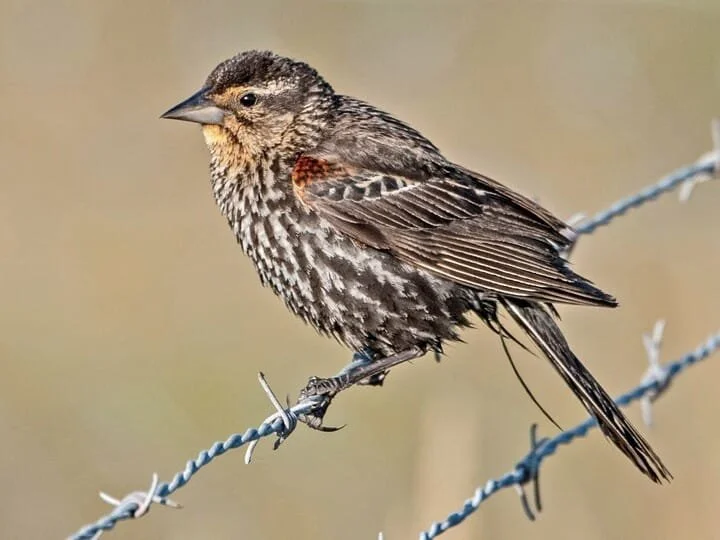
Red-Winged Blackbird
Bird Code: RWBL
Identify this bird by…
Stocky, broad-winged blackbird with conical bill
Males are black with red shoulder patches that are sometimes concealed. Males have rusty feather edges in the winter.
Females are brown and heavily streaked with yellowish face and faint shoulder, often confused with sparrows.
Look for…
Habitat: found in marshes and grasslands, often perching conspicuously on cattails
Listen for…
Songs: A conk-la-ree! sound starting with an abrupt note that turns into a musical trill.
Calls: Check call or holding chak chak chak as an alarm call.
Resources:
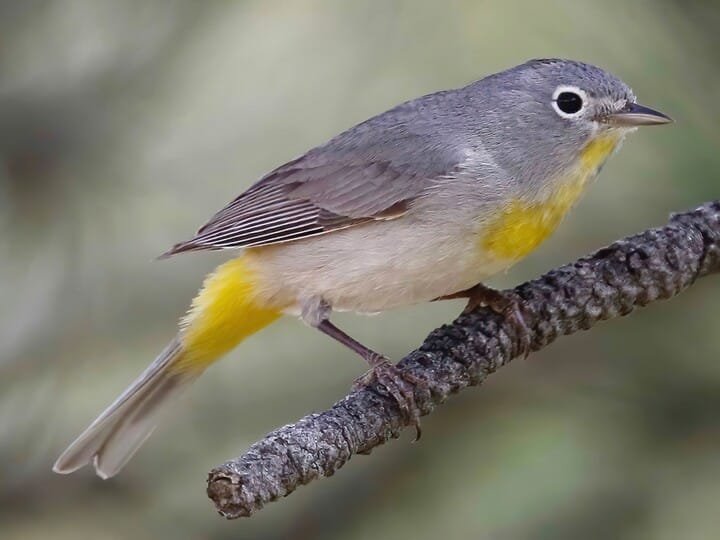
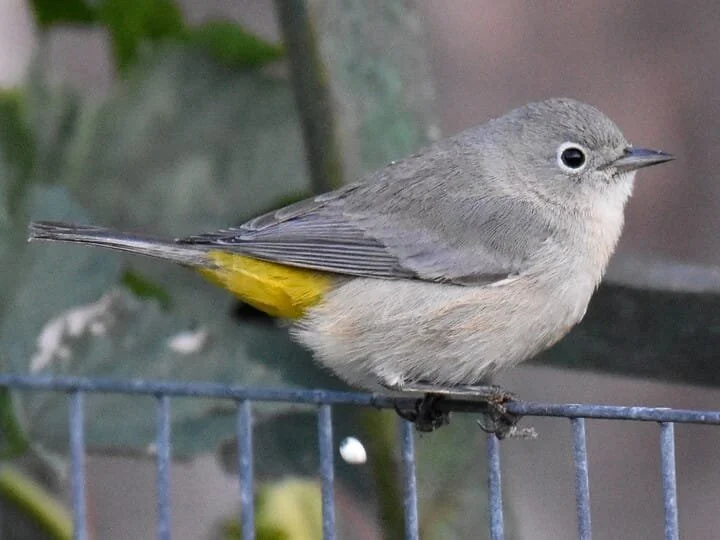
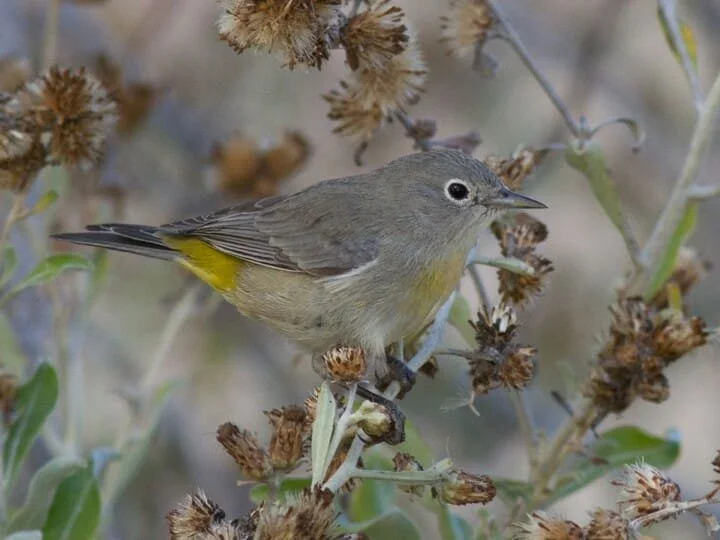
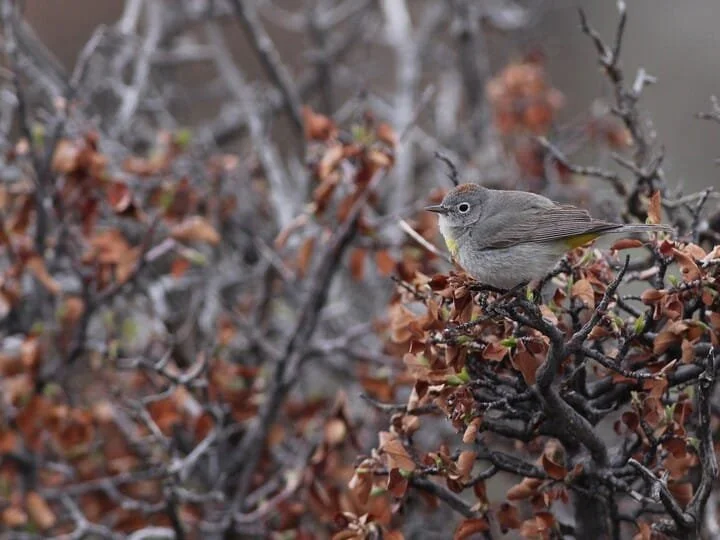
Virginia’s warbler
Bird Code: VIWA
Identify this bird by…
Small birds with thin, pointy bills and long, thin tail
Gray overall with yellow highlights on the chest (variable, can be absent in females) and undertail, a small chestnut patch on crown (usually hidden, more common in males), and a vivid white eyering
Males and females look mostly alike
Look for…
Behavior - They often pump their tails up and down while foraging
Habitat - found in moist riperian corridors of pinyon-juniper and oak woodlands
Listen for…
Song: A loose, colorless notes on nearly the same pitch. It is similar to the Yellow Warbler, but sounds less emphatic
Call: A high-pitched, flat, tic or chip
Resources:
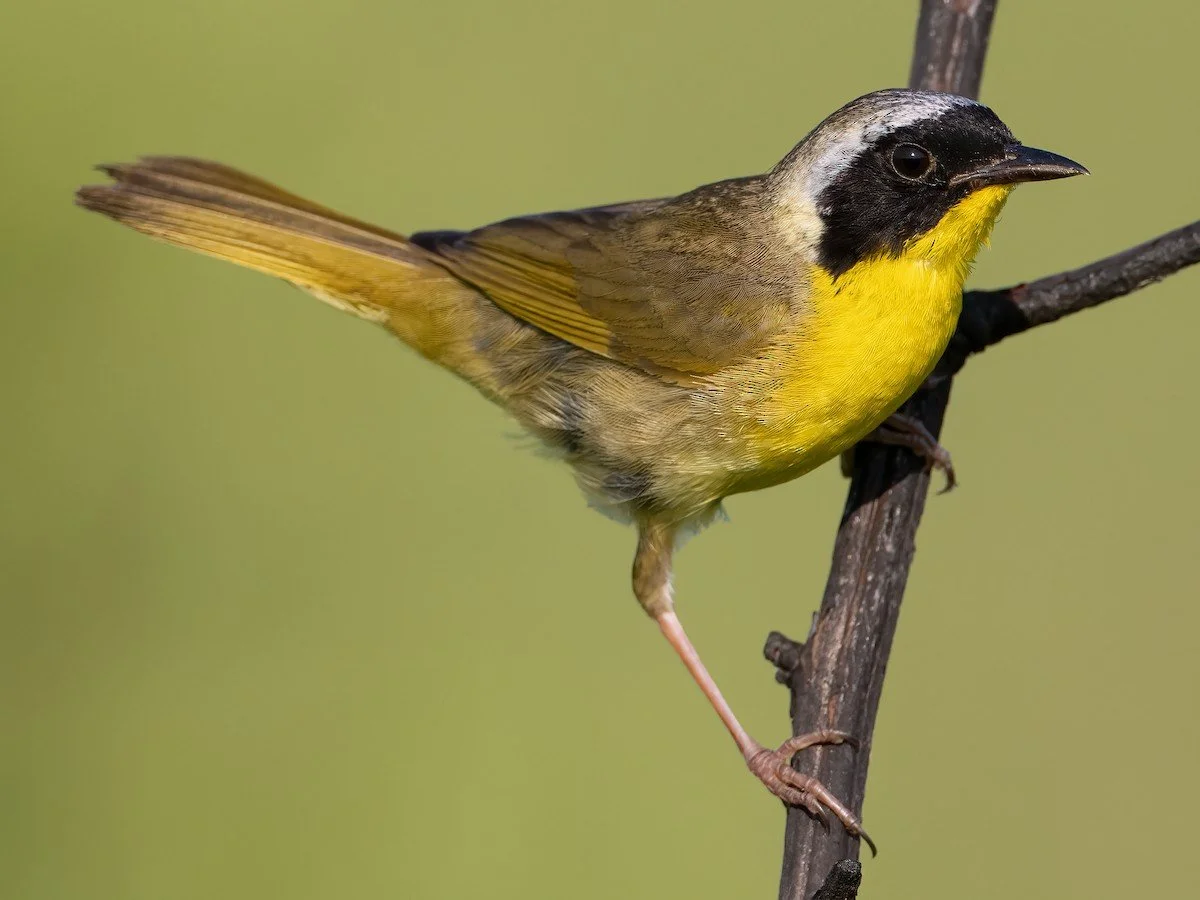
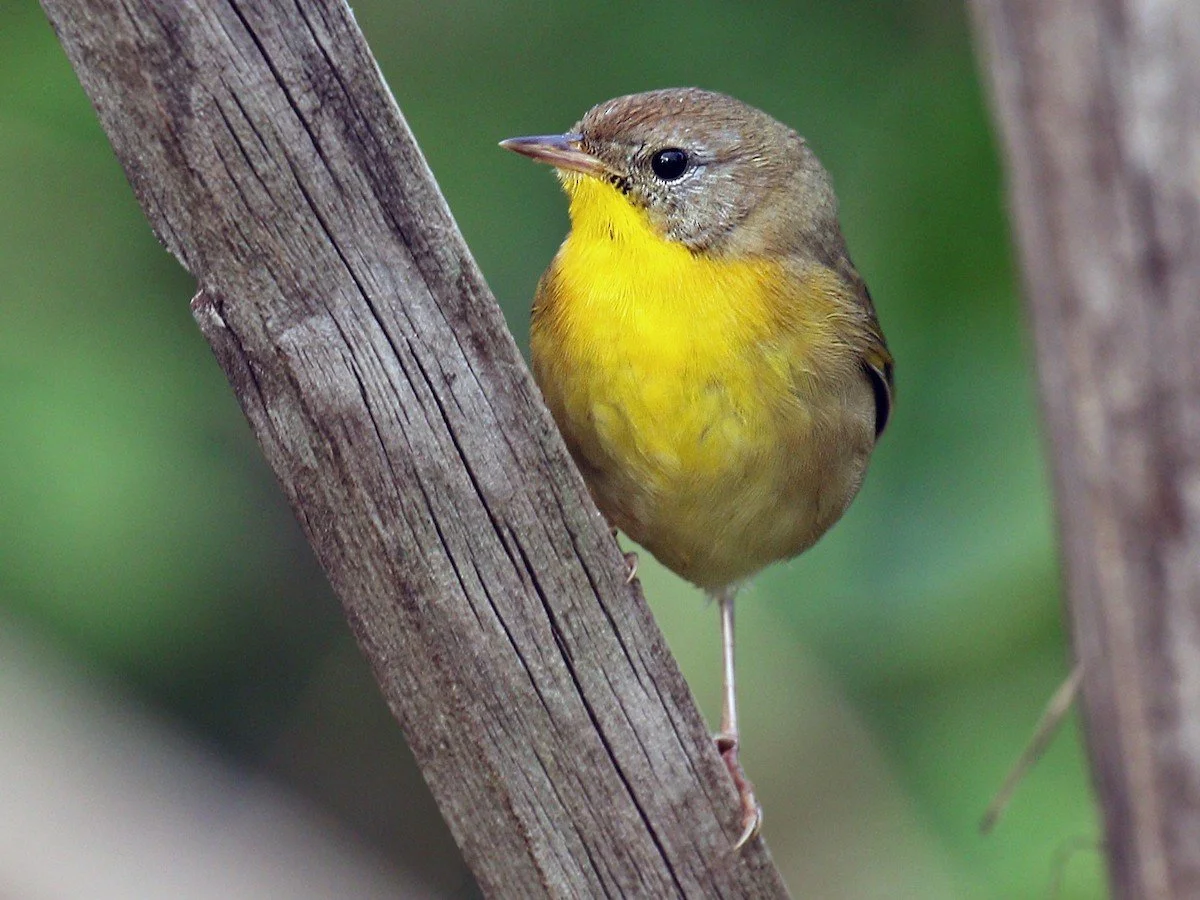
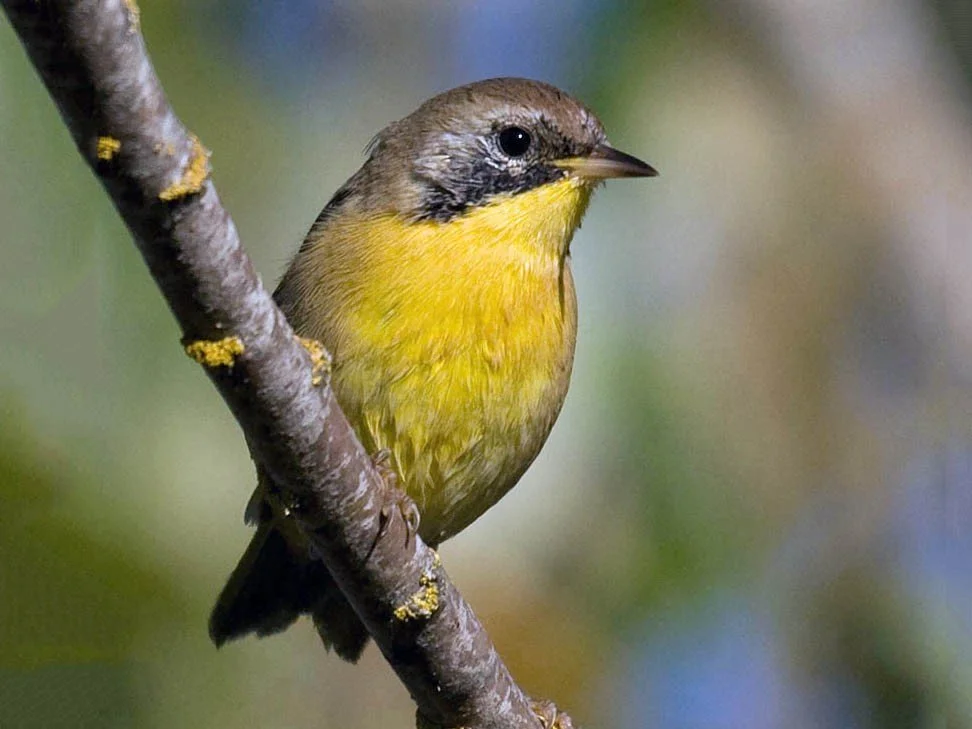
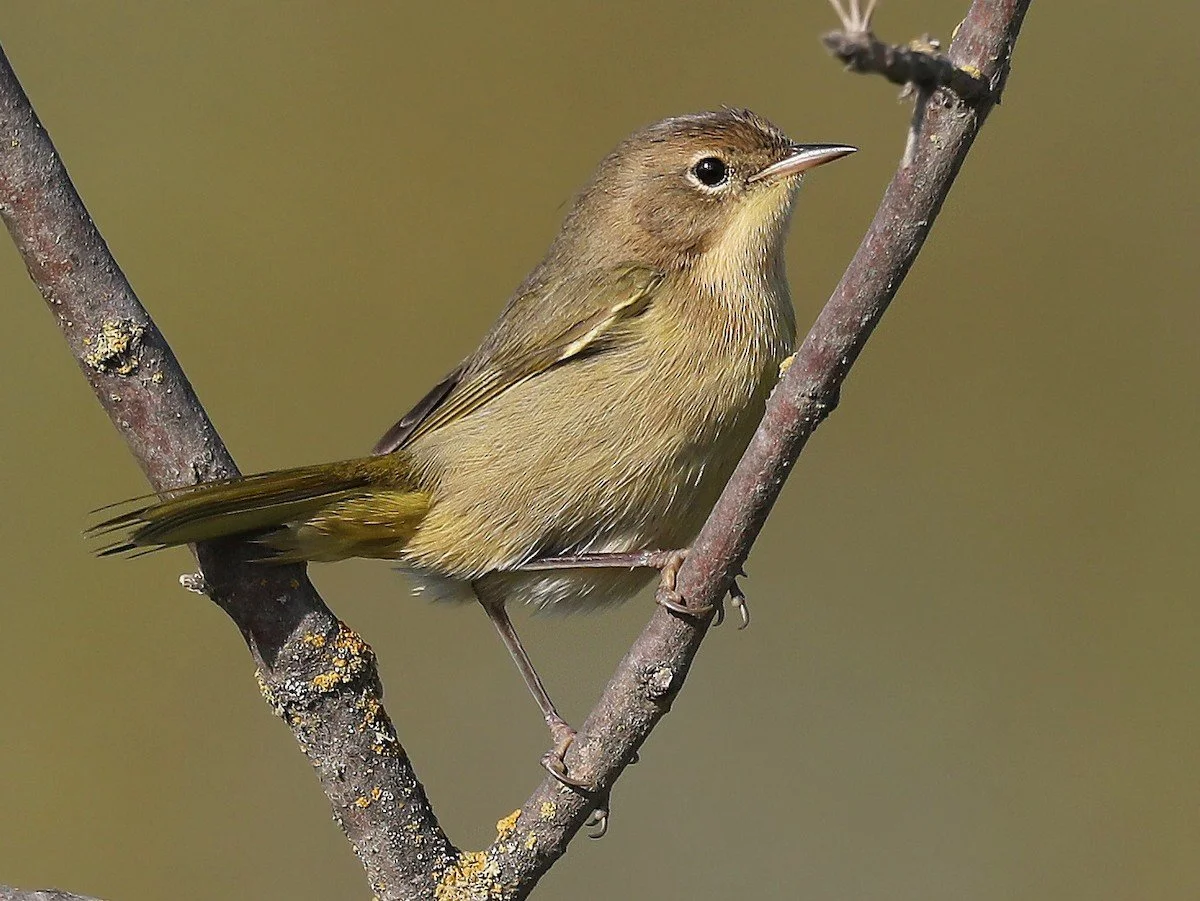
COMMON YELLOWTHROAT
Bird Code: COYE
Identify this bird by…
Small songbird with chunky, rounded head and medium-length, slightly rounded tail
Males - Broad black mask bordered above by white and below by a bright yellow throat, olive back parts
Females - Lack the black mask and are plain olive brown with brighter yellow under throat and tail
Immature - Immature males like adult females but with a faint patchy black mask. Immature females are pale brownish overall with yellow undertail
Look for…
Spend much of their time skulking low to the ground in dense thickets and fields in marshy areas, searching for small insects and spiders
Listen for…
Song - Males sing a distinctive witchety-witchety-witchety song, about 2 seconds long
Call - a strong chuck when potential predators approach
Resources:


black-throated Gray Warbler
Bird Code: BTYW
Identify this bird by…
A small warbler in grayscale except for a small yellow spot in front of the eye.
Males have black throat, crown, and eyestripe on white head, a gray back, white wingbars, and white underparts with dark streaks on sides
Females similar but with primarily white throats with some black, and are overall paler
Immature birds are similar to females, but with gray replacing the black
Look for…
Habitat - found in pinyon-juniper, pine, and mixed-oak forests of arid regions of the west
Listen for…
Call: Both males and females give a flat chup.
Song: A series of 5-9 buzzy notes; singing zeedle zeedle zeedle zeet-chee.
Resources:
Rare Birds in this Region
Consult your route species list or tools like Merlin to see if any of these birds are frequently seen in your route, as rarities vary geographically. These birds may also appear as rarities
Vagrants and Local Specialties
These birds are one-time off rarities seen on routes, as well as some species that are only seen on one (or more) route(s) in this region